We use cookies to make your experience better.
To comply with the new e-Privacy directive, you agree to the privacy policy and our use of cookies

The Best Till Systems for Cafes: What UK Owners Need to Know
The Best Till Systems for Cafes: What UK Owners Need to Know

Choosing the right electronic point-of-sale system is one of the most consequential decisions a café owner will make. The right setup accelerates service, reduces errors, integrates payments seamlessly, and gives you the management data to grow — the wrong one creates daily friction and hidden costs. This guide, written by the EPOS Direct UK team who support hospitality businesses across the country every day, sets out exactly what to look for, what to expect to pay, and how to make a confident, well-informed choice.
What Makes a Till System Right for a Café?
A café operates differently from a restaurant or a retail shop. Transactions are fast, queues form quickly at peak times, and the product range changes constantly — seasonal specials, rotating guest coffees, different milk options, and modifiers that need to be captured accurately and communicated to the barista. A system built for these realities will pay for itself; a generic or underpowered one will not.
The core questions to ask before committing to any system:
- How fast is the touchscreen? Every second of hesitation at the counter costs you customers and reputation.
- Can staff customise orders intuitively? "Oat milk, extra shot, no sugar" should be three taps, not a workaround.
- Does it handle split payments and contactless natively? UK consumers expect tap-to-pay as standard.
- Is there a kitchen or barista display option? Printed tickets slow down specialty drink preparation; a screen changes the dynamic entirely.
- What happens if the internet drops? Offline mode is non-negotiable for a busy service environment.
For a broader look at the principles that apply across hospitality and retail, our practical buyer's guide to till systems for small businesses in the UK covers the fundamentals in detail.
Key Features Every Café EPOS System Should Have
Not every feature on a spec sheet is worth paying for. The following capabilities genuinely earn their place in a café environment.
Speed-Optimised Touchscreen Interface
A well-designed café EPOS layout puts your top-selling items on the home screen, uses colour-coded categories, and requires minimal navigation to complete a standard order. Look for systems that allow you to build the screen layout yourself, so your busiest items are always one tap away.
Modifier and Variant Management
Every coffee-led menu demands granular modifier support — size, milk type, temperature, strength, syrups. These modifiers should route automatically to the correct preparation station, with clear labelling, reducing miscommunications during a morning rush.
Integrated Card Payments
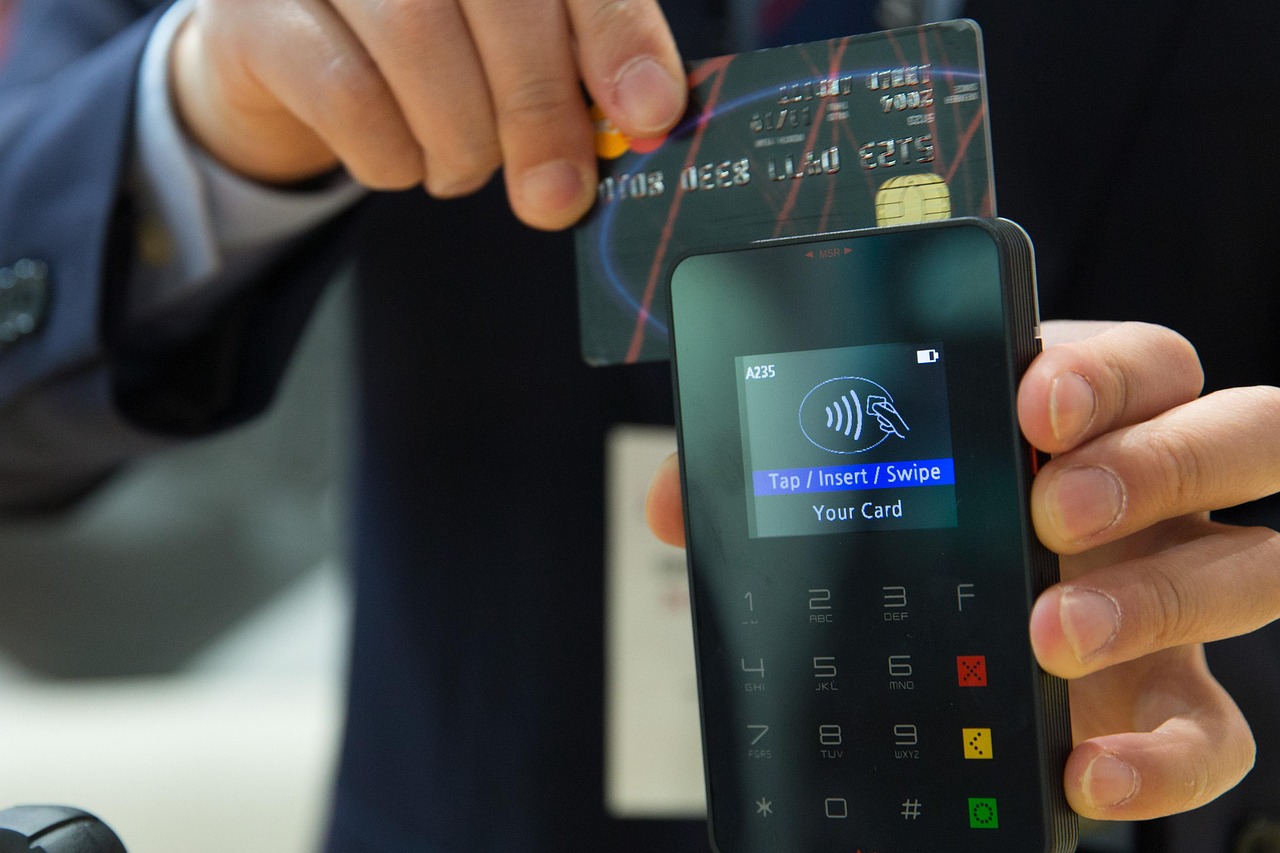
A till and a separate card machine that don't talk to each other create manual reconciliation nightmares and slow down the queue. An integrated payment solution means the total transfers automatically, the customer taps or inserts, and the transaction is recorded. If you're evaluating card acceptance options independently, our complete guide to combining a card machine and till system explains the integration options available to UK businesses.
Stock and Ingredient-Level Tracking
The best café EPOS systems track inventory at the ingredient level — so selling a flat white automatically deducts espresso shots and milk from your stock count. This visibility helps you manage waste, spot shrinkage, and never run out of a key item mid-service.
Sales Reporting and End-of-Day Summaries
Clear, accessible reporting — by item, by staff member, by hour — tells you what's selling, when your peaks hit, and which menu items underperform. This data informs staffing decisions, menu engineering, and purchasing far more reliably than guesswork.
Loyalty and Promotions
Stamp-card loyalty schemes lose revenue and create inconsistency. A built-in digital loyalty module tied to the till means you can reward returning customers, run time-limited promotions, and track redemption automatically.
Cloud Access and Remote Management
Whether you're checking yesterday's takings from home or managing multiple sites, cloud-based access to your reporting dashboard is increasingly expected — and practically valuable for any owner who isn't on-site every hour.
Cloud-Based vs. Traditional Till Systems: Which Suits a Café?
This is one of the most common questions café owners ask when researching their options, and the answer is more nuanced than most providers admit.
| Consideration | Cloud-Based EPOS | Traditional (Server-Based) EPOS |
|---|---|---|
| Upfront cost | Lower — hardware plus monthly software subscription | Higher — full licence often paid upfront |
| Software updates | Automatic, included in subscription | Manual; may incur additional cost |
| Remote access | Full dashboard access from any device | Limited or requires VPN/additional setup |
| Offline resilience | Most modern systems include offline mode | Fully local — unaffected by internet outages |
| Scalability | Easy to add terminals or sites | Requires hardware and licence expansion |
| Data security | Encrypted cloud storage; provider managed | On-premise; owner responsible for backups |
| Best for | Independent cafés, growing multi-site operators | Cafés with unreliable connectivity or preference for ownership |
For most independent UK cafés in 2025 and beyond, a cloud-based system with a robust offline mode delivers the best balance of flexibility, low entry cost, and ongoing support. Traditional server-based systems still have merit in specific rural or high-volume environments where connectivity is genuinely unreliable. Our complete guide to EPOS and POS systems for UK businesses explores both architectures in further depth if you'd like to compare in detail before deciding.
How Much Does a Café EPOS System Cost in the UK?
Pricing for café EPOS setups varies considerably depending on hardware specification, software tier, number of terminals, and payment processing arrangements. The following ranges are indicative, based on typical UK market conditions — they are not quotes, and your actual costs may differ.
Indicative Cost Ranges
- Entry-level setup (tablet-based, cloud software, integrated card reader): typically from around £300–£600 for hardware, plus a monthly software fee from approximately £30–£60 per month.
- Mid-range dedicated terminal with customer display and receipt printer: hardware typically in the region of £800–£1,500, with software subscriptions often in the £50–£100 per month range.
- Multi-terminal café or café-with-kitchen setup: total investment can range from approximately £1,500 to £4,000+ depending on configuration, with monthly software and support costs scaling accordingly.
- Payment processing: transaction fees vary significantly by provider and volume; always request a full breakdown, and explore whether a system with no ongoing monthly fee for card acceptance suits your model — our guide to card machines with no monthly fee covers the trade-offs honestly.
Leasing and rental arrangements are also available through some providers, spreading upfront hardware costs across a fixed term. Always read the total cost of ownership, including support, updates, and payment processing, before comparing headline prices.
For a broader cost benchmark across the small business EPOS market, our guide to affordable EPOS systems for UK small businesses is a useful reference point.
What to Look for in a Supplier — Not Just a Product
A till system is only as good as the support behind it. Hardware fails; software has edge cases; staff leave and new ones need training. When evaluating providers, the following supplier-side criteria matter as much as the feature list.
- UK-based support: telephone and chat support staffed by people who understand UK compliance (Making Tax Digital, VAT reporting, Gift Aid for hospitality) and can respond within your trading hours.
- Training resources: video walkthroughs, an accessible knowledge base, and onboarding sessions mean your team is competent from day one rather than learning under pressure.
- Hardware warranty and replacement: understand the terms clearly — next-day swap-out on a core terminal is worth paying a premium for.
- Contract terms: rolling monthly contracts offer flexibility; longer-term arrangements sometimes offer better pricing but require scrutiny of exit clauses.
- References and case studies: ask for evidence from comparable hospitality businesses, ideally independent cafés of similar size and format.
How to Set Up and Get Started
The transition to a new EPOS system is straightforward when managed in the right sequence. Here is a practical process that minimises disruption.
- Audit your current setup: list every product, variant, and modifier you sell. This becomes your product database — investing time here pays dividends in speed and accuracy at go-live.
- Map your screen layout: group items by category, put bestsellers on the home screen, and plan modifier flows before your system is configured.
- Set up staff accounts and permissions: define who can apply discounts, access reports, or process refunds. Role-based permissions protect against both error and fraud.
- Configure integrations: link your card payment terminal, any accounting software (such as Xero or QuickBooks), and — if relevant — any online ordering or delivery platforms.
- Run a parallel period: where possible, operate both old and new systems for a short overlap period, or conduct a controlled trial during a quieter trading period.
- Train your team thoroughly: live walkthroughs, not just printed manuals, build real competence. Most providers offer onboarding sessions — use them.
If you'd like to see how the software works before committing, you can explore the restaurant and hospitality EPOS software demo from EPOS Direct — it gives a genuine, hands-on sense of the interface and workflow.
Why UK Café Owners Choose EPOS Direct
EPOS Direct has been supplying point-of-sale systems to UK businesses across hospitality, retail, and specialist sectors for many years. For café owners specifically, the combination of purpose-built hospitality software, dedicated UK-based support, and transparent pricing makes it a consistently recommended choice.
The hospitality EPOS platform is designed around real café and F&B workflows — fast touchscreen ordering, modifier management, barista display support, and end-of-day reporting that gives owners genuine commercial insight. Software is updated continuously, and hardware is sourced and supported from within the UK. You can explore the full range of current hospitality and café EPOS solutions on our hospitality EPOS offers page, or visit the EPOS Direct home page for the latest offers and information across our full range.
For owners who prefer to see the system in action before making any decision, requesting a free demo takes only a moment and carries no obligation. Alternatively, if you have specific questions about configuration, integration, or pricing, you can talk to an expert online — a real person with direct knowledge of café EPOS setups, ready to help you find the right fit.
This article was written by the EPOS Direct UK team, who work with independent café owners, hospitality groups, and small businesses across the United Kingdom every day. All pricing references are indicative and should be verified directly with your chosen provider before purchase.
Making the Right Choice for Your Café
The right EPOS system removes friction from your service, gives you clear commercial data, and grows with your business. The wrong one creates daily workarounds that compound over thousands of transactions. By focusing on speed, modifier flexibility, integrated payments, and strong supplier support — and by choosing a provider with a proven track record in UK hospitality — you put your café in a position to deliver a consistently excellent customer experience while running a more efficient, more profitable operation.
Ready to move forward? Request a free demo from EPOS Direct UK and see exactly how a purpose-built café till system can transform your daily service — with no commitment required.
Frequently asked questions
- What features should a till system have specifically for a busy cafe?
- A cafe till system should support fast transaction processing, customisable menu layouts for drinks and food modifiers (e.g. milk type, shot count), integrated card payments, split billing, and real-time stock tracking. Cloud-based reporting is also valuable so you can monitor sales remotely and manage staff shifts efficiently.
- How much should I expect to pay for a till system for my cafe in the UK?
- Costs vary depending on setup complexity. A basic single-terminal EPOS system typically starts from around £300–£500 for hardware, with software subscriptions ranging from £20–£60 per month. A full setup including receipt printer, card reader, and cash drawer can cost £600–£1,200 upfront. EPOS Direct offers tailored packages for UK cafes, so exact pricing depends on your specific requirements — getting a free quote is the best way to confirm costs.
- Can a cafe till system integrate with delivery apps and online ordering?
- Yes, many modern EPOS systems can integrate with platforms like Deliveroo, Uber Eats, and your own online ordering portal. This means orders flow directly into your till without manual re-entry, reducing errors and saving time during peak hours. Always check which integrations a provider supports before committing.
