We use cookies to make your experience better.
To comply with the new e-Privacy directive, you agree to the privacy policy and our use of cookies


The Best Till Systems for Coffee Shops: A UK Buyer's Guide
The Best Till Systems for Coffee Shops: A UK Buyer's Guide
Choosing the right electronic point of sale system is one of the most consequential decisions a coffee shop owner makes — it shapes queue speed, staff confidence, payment flexibility and the quality of business data available every day. The good news: the UK market now offers purpose-built café EPOS solutions that handle everything from flat white modifiers and loyalty stamps to HMRC-compliant sales reports, all from a single touchscreen counter. This guide walks you through exactly what to look for, what to expect to pay, and how to match a system to your specific setup — whether you run a single neighbourhood espresso bar or a small chain of high-street cafés.
What Makes a Till System Right for a Coffee Shop?
Coffee shops operate under pressures that make generic retail tills a poor fit. The morning rush demands sub-second order entry. Drink customisation — milk type, syrup shots, temperature, cup size — must be captured accurately and relayed instantly to the barista. Meanwhile, the front-of-house team needs to handle split payments, takeaway charges and loyalty redemptions without slowing the queue. A purpose-built café EPOS system addresses all of this by design; a retail-oriented or basic cloud-till may not.
Beyond speed, coffee shops have specific operational needs around stock management (tracking coffee beans, milk and syrups at ingredient level), staff management (tracking tips and shifts across a changing part-time team) and compliance (VAT differentiation between eat-in and takeaway, as mandated by HMRC rules on food and drink). A system that handles these automatically reduces human error and accounting headaches considerably.
Key Features Every Café EPOS System Should Have
Not every feature list matters equally in a coffee shop context. Prioritise the following when evaluating any system:
- Fast, customisable product buttons: Drinks should be selectable in two taps at most, with modifier screens (size, milk, extras) appearing automatically. Look for drag-and-drop menu builders you can update yourself.
- Kitchen or barista display integration: A kitchen display system (KDS) or receipt printer at the bar eliminates shouted orders and reduces mistakes during rush periods.
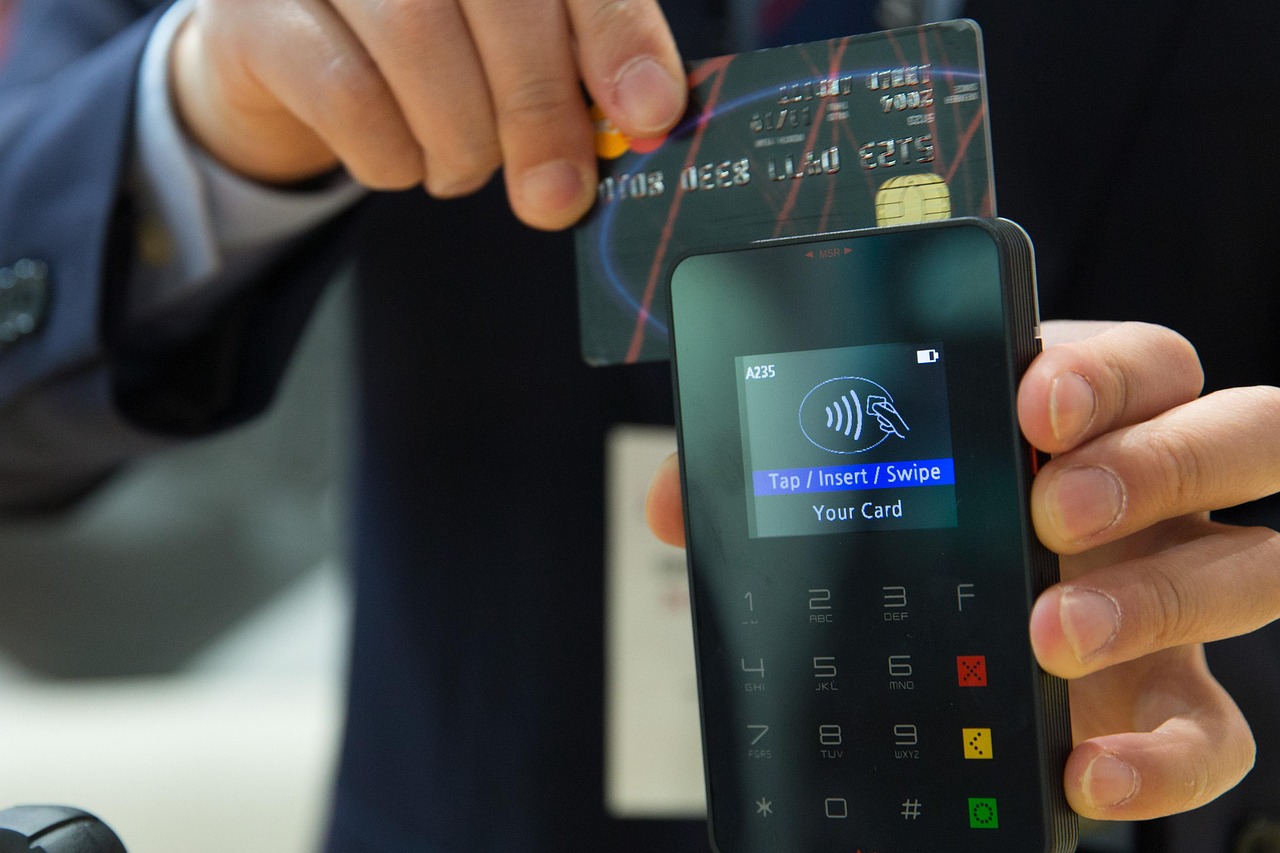
- Integrated card payments: An all-in-one solution that processes card transactions directly — without a separate standalone terminal — keeps counter space clear and reconciliation simple. See our guide to card machine and till system combined solutions for a full breakdown of how integration works in practice.
- Loyalty and CRM tools: Stamp-card style digital loyalty schemes drive repeat visits and are increasingly expected by customers at independent cafés.
- Ingredient-level stock control: Rather than counting finished products, a good café system depletes stock at the component level — so a latte reduces your milk and espresso inventory simultaneously.
- VAT and eat-in/takeaway handling: The system should apply the correct VAT rate automatically depending on how the order is placed, keeping you compliant without manual intervention.
- Real-time cloud reporting: Sales by product, hour, team member and payment type — accessible on a phone or tablet from anywhere — turn daily trading data into actionable decisions.
- Offline mode: Internet outages happen; a system that continues processing transactions offline and syncs when reconnected prevents lost sales.
Cloud-Based vs Traditional Till Systems: Which Suits a Coffee Shop?
Traditional, server-based EPOS systems are robust and work entirely offline, but they require on-site hardware for updates and remote access is limited. For most independent coffee shops and small café groups, a cloud-based EPOS system is now the stronger choice — and here is why.
Cloud systems deliver automatic software updates (no engineer visits), remote menu management (change your seasonal drinks board from your phone the night before), and centralised reporting across multiple sites. They also typically support a wider ecosystem of third-party integrations — accounting platforms like Xero or Sage, delivery aggregators, and payroll tools. The trade-off is a dependency on internet connectivity, which is why a reliable offline mode (see above) is non-negotiable.
For a deeper comparison of ownership models, our article on monthly EPOS subscription vs outright purchase sets out the real financial considerations, including cash-flow impact and long-term total cost of ownership.
How Much Does a Coffee Shop Till System Cost in the UK?
One of the first questions any café owner asks is straightforward: what will this actually cost me? Honest answer: it depends on hardware configuration and software tier, but the market breaks down into three broad bands.
| Setup Type | Typical Hardware | Indicative Monthly Cost | Best For |
|---|---|---|---|
| Entry-level tablet system | iPad or Android tablet, card reader, receipt printer | Typically from £30–£60/month (SaaS software only, hardware purchased separately or bundled) | Market stalls, pop-ups, very small cafés |
| Mid-range purpose-built EPOS | Touchscreen terminal, integrated card payment, receipt printer, cash drawer | Typically £60–£120/month on a subscription, or a larger upfront cost on outright purchase | Independent coffee shops with 1–2 tills |
| Full café EPOS suite | Multiple terminals, KDS or barista printer, customer display, loyalty hardware | Typically from £120–£200+/month, or significant upfront hardware investment | Busy high-street cafés, small chains, drive-throughs |
All figures are indicative market ranges for guidance only and will vary based on supplier, contract length, hardware specification and any payment processing fees agreed separately. Always request a personalised quote.
Transaction fees on card payments are a separate and important cost to factor in. Integrated EPOS card processing rates vary by provider and transaction volume; comparing the blended effective rate across your monthly card turnover gives a more accurate picture than the headline percentage alone. You can explore EPOS Direct's hospitality EPOS offers to see current hardware and software packages — or talk to an expert online for a tailored cost breakdown based on your specific café setup.
Top EPOS Hardware Options for Busy Coffee Shop Counters
Hardware choice is as important as software. The physical environment of a coffee shop — high humidity near steaming equipment, constant counter spills, fast-moving staff — places real demands on till hardware.
Countertop touchscreen terminals
A purpose-built EPOS terminal with a toughened glass screen, fanless cooling and a compact footprint is the backbone of most professional café setups. Look for a screen size of at least 15 inches for comfortable, fast order entry, and a customer-facing display for order confirmation and upsell messaging.
Tablet-based systems
Consumer tablets (iPad or Android) in robust cases offer flexibility and lower upfront cost, but they carry higher replacement risk in a commercial kitchen environment and may require a separate card reader. They work well as secondary order points or for table-side ordering.
Integrated card payment terminals
Rather than a separate countertop card machine, integrated terminals pass transaction data directly from the till — eliminating double-keying, improving end-of-day reconciliation and reducing the chances of charging the wrong amount. If card payment integration is a priority for your café (and it should be), our guide to EPOS systems with integrated card payments explains the options in detail. For a standalone wireless option for mobile service, our overview of the best wireless card machines for small businesses is also worth reading.
Receipt printers and barista printers
A thermal receipt printer at the counter is standard. For table or takeaway orders, a second printer at the barista station — or a KDS screen — ensures drinks are made in the correct sequence and to the correct specification without staff needing to relay information verbally.
Cash drawers
Despite the rapid growth of contactless payments, most coffee shops still handle a meaningful volume of cash. A lockable, till-connected cash drawer that opens only on completion of a transaction reduces shrinkage and makes cash reconciliation straightforward.
Matching Your EPOS System to Your Café's Size and Style
There is no single right answer — the best configuration depends on your footfall, service model and growth plans.
Small independent café or espresso bar (1 till)
A single mid-range EPOS terminal with integrated card payment, a receipt printer, cash drawer and cloud-based reporting covers the full operating need. Prioritise ease of menu updates and a strong offline mode.
Café with table service or dine-in seating
Add table management to your software requirements. Table-mapping, open-tab functionality and the ability to split bills by seat or item become important. A customer-facing display and handheld ordering device may also add genuine value.
Multi-site or growing small chain
Central menu management (update all sites simultaneously), consolidated cross-site reporting, and per-site staff permissions become essential. A cloud system with robust multi-site capability is the only realistic choice; a server-based system at each site creates data silos and maintenance overhead. Our complete guide to EPOS systems for small businesses covers multi-site considerations in more depth.
Market stall, pop-up or mobile coffee van
A compact tablet-based system with a wireless integrated card reader and battery-powered receipt printer offers the portability needed. Ensure the card processing works over 4G/5G as reliable Wi-Fi is rarely available at outdoor venues. For a broader view of how coffee shop EPOS fits into the small business landscape, the guide to the best till systems for small businesses in the UK provides useful context.
Why UK Coffee Shop Owners Choose EPOS Direct
EPOS Direct has worked with independent cafés, coffee shop groups and food-and-beverage businesses across the United Kingdom for many years, supplying and supporting EPOS hardware and software built for the realities of hospitality — not retrofitted from a retail template. The team provides UK-based support, genuine pre-sales consultation (not a sales script) and a hardware range that covers everything from single-till espresso bars to multi-terminal café chains.
Customers consistently highlight three things: the quality of in-person and remote support when it matters most; the transparency of pricing with no hidden fees buried in contracts; and the depth of the reporting suite, which gives owners the data they need to manage margins in a sector where ingredient costs fluctuate significantly.
You can explore the full range of solutions and current offers on the EPOS Direct UK home page, or request a free demo to see the software working in a café context before committing to anything. If you would prefer to see the restaurant and hospitality EPOS software in detail, a restaurant EPOS software demo is available online and takes only a few minutes to walk through.
Written by the EPOS Direct UK team, who work directly with UK coffee shops, cafés and hospitality businesses every day to help them find and implement the right EPOS solution for their specific operation.
Ready to Find the Right System for Your Café?
The difference between a till system that frustrates your team during the morning rush and one that accelerates it often comes down to a single informed decision made before purchase. EPOS Direct UK offers honest, no-pressure guidance tailored to your café's size, service style and budget — so you invest in a system that genuinely works for your business from day one. Talk to an EPOS expert online today, or request a call back at a time that suits you.
Frequently asked questions
- How much does a till system for a coffee shop typically cost in the UK?
- Costs vary depending on your setup. A basic single-terminal EPOS bundle from a specialist supplier like EPOS Direct typically starts from around £300–£600 for hardware, with software licences ranging from £20–£60 per month depending on features. All-in-one packages including receipt printer, cash drawer and card reader can range from £500 to over £1,200. Always check what support and software updates are included before committing.
- Do I need a separate card payment terminal or does an EPOS system handle payments too?
- Many modern EPOS systems integrate directly with card payment terminals, allowing your till and card reader to communicate seamlessly so transactions are recorded automatically. Some providers bundle integrated card processing, while others work with third-party payment processors. It is worth confirming integration compatibility before purchasing to avoid manual reconciliation at the end of each day.
- Can a coffee shop till system handle loyalty schemes and takeaway orders?
- Yes, most quality EPOS systems designed for hospitality include built-in or add-on loyalty programme tools, allowing you to reward repeat customers with points or discounts. Many also support online ordering integrations and table or counter management features, which are increasingly useful for coffee shops offering click-and-collect or pre-order services.
