We use cookies to make your experience better.
To comply with the new e-Privacy directive, you agree to the privacy policy and our use of cookies


Best Till Systems for UK Pubs: How to Choose the Right EPOS in 2026
The Best Till Systems for UK Pubs: A Complete Buyer's Guide

For UK pub operators, choosing the right EPOS system is one of the most consequential decisions a licensee can make. A well-matched pub till system streamlines service at the bar, tightens stock control, and gives managers the reporting visibility they need to run a profitable venue — while a poor fit creates bottlenecks precisely when trade is busiest. This guide covers everything you need to know, from core feature requirements and hardware options to honest cost ranges and how to evaluate suppliers with confidence.
Why Pubs Need a Specialist EPOS System, Not Just Any Till
A generic retail till and a pub-grade EPOS system are fundamentally different tools. Pub environments are characterised by high transaction volumes during short, intense trading windows, split bills, tab management, age-verification prompts, and the legal requirement to track alcohol sales accurately for licensing compliance. A system built for, say, a clothing boutique simply isn't engineered to handle these demands.
UK premises licence holders also have obligations under the Licensing Act 2003 around responsible service of alcohol. A pub EPOS system should support Challenge 25 prompts at the point of sale, alert staff when serving restricted items, and maintain an auditable record of sales — giving licensees a practical compliance tool, not just a payment device. For further guidance on licence obligations, the UK Government's official licensing pages are the authoritative source.
Beyond compliance, the commercial case is compelling. Accurate stock management in a pub — tracking draught lines, spirits, bottled products and food separately — can meaningfully reduce shrinkage and wastage. When your EPOS system talks directly to your stock module, the gap between theoretical and actual gross profit becomes visible and manageable.
If you operate a mixed food-and-drink venue, you may also find value in reading our guide to EPOS systems for small businesses, which covers principles that apply equally well to smaller pub operations.
Key Features to Look for in a Pub Till System
Not every feature matters equally to every venue. A rural country pub with ten draught lines and a simple lunch menu has very different needs from a city-centre sports bar processing 600 covers on a Saturday night. That said, the following capabilities should be on every buyer's checklist.
Bar-Specific Functionality
- Tab management: Open, hold, and transfer customer tabs seamlessly without slowing the bar queue.
- Split billing: Divide bills by seat, item, or custom split — essential for groups and function bookings.
- Round management: Allow staff to recall and add to existing rounds quickly during busy service.
- Age-verification prompts: Configurable Challenge 25 alerts on age-restricted products.
- Drinks modifiers: Record ice, mixers, spirit measures and glass sizes without extra manual steps.
Stock and Supplier Management
- Real-time stock depletion linked to each sale, including draught beer by fraction of a keg.
- Low-stock alerts and automated purchase order generation for key lines.
- Wastage recording so variance reporting is meaningful, not just theoretical.
- Multi-supplier management with cost-price updates feeding directly into margin calculations.
Reporting and Back-Office Tools
- End-of-day Z-reports and period summaries by category, server, and terminal.
- Gross profit reporting per product and product group.
- Cloud-based access so licensees can monitor live sales from any location.
- Integration with accountancy software (Xero, QuickBooks, Sage) to reduce manual data entry.
Payment Flexibility
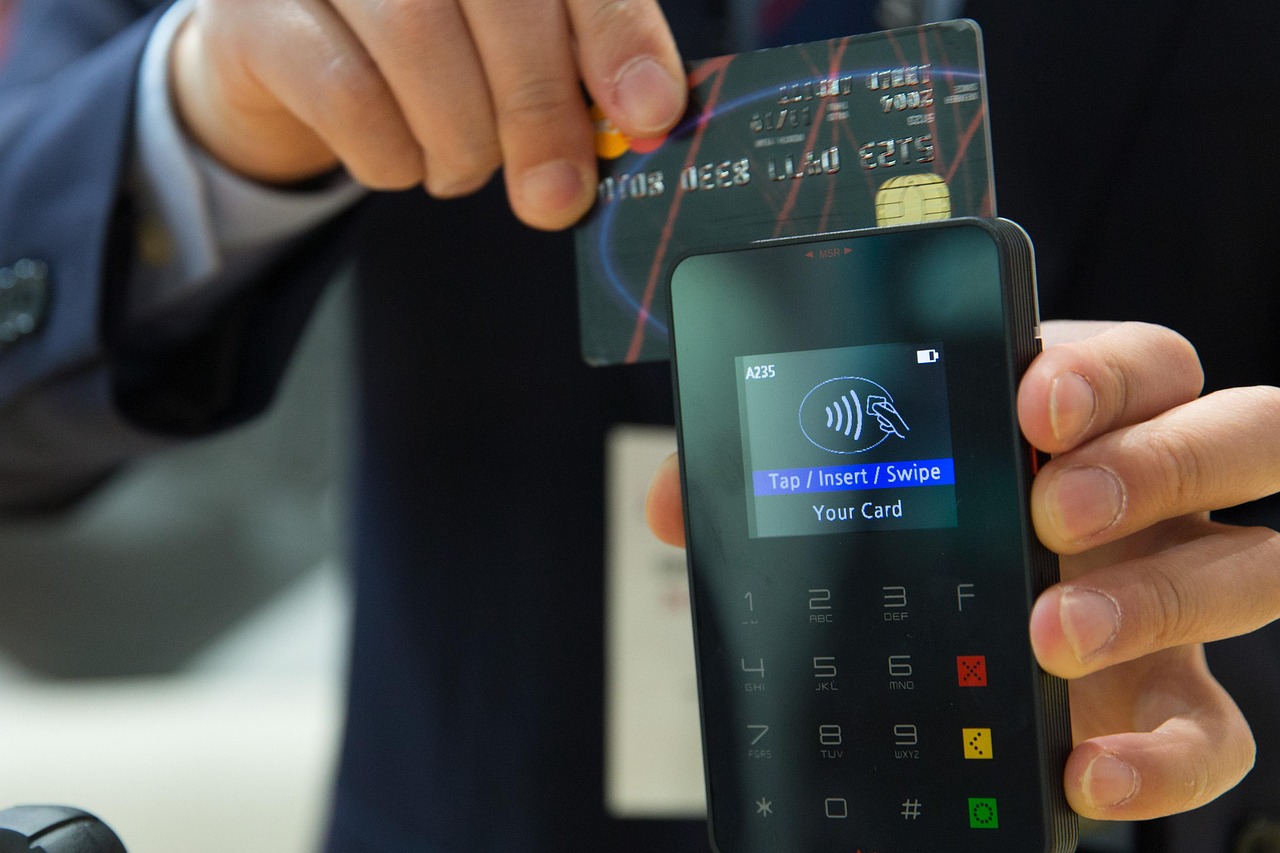
Modern pub customers expect to pay by card, contactless, or mobile wallet as standard. Integrated card payment — where the till and the card machine communicate directly — eliminates transcription errors and speeds up end-of-day reconciliation considerably. Our dedicated guide on combined card machine and till system options explains how integrated payments work in practice.
Types of Pub EPOS Systems: Bar Terminals, Handheld Devices and Self-Service
The right hardware configuration depends on your venue's layout, staffing model, and service style.
Fixed Bar Terminals
A robust 15" or 17" touchscreen terminal mounted at the bar remains the workhorse of most UK pub setups. Look for a unit with an IP-rated or splash-resistant casing, a fast processor that won't lag under load, and a customer-facing display for transaction transparency. Multiple terminals on a shared network allow simultaneous service across different bar sections without data conflicts.
Handheld Ordering Devices
For table-service pubs and gastropubs, handheld Android-based ordering devices allow staff to take orders tableside and fire them directly to kitchen or bar printers. This reduces trips to the till, cuts order errors, and — critically — increases average spend by removing friction from the upsell moment. Battery life and Wi-Fi coverage across the venue are the two practical concerns to verify before committing.
Self-Service Kiosks
While less common in traditional pubs, self-service kiosks are increasingly seen in larger managed houses, sports bars, and food-led venues where queues form predictably. They handle the ordering and payment process without staff intervention, freeing team members for service and experience tasks. They work best as a complement to, rather than a replacement for, staffed terminals.
Kitchen Display Systems (KDS)
A KDS replaces paper dockets with a screen at the pass, displaying orders in real time, tracking prep times, and alerting the kitchen when tickets are overdue. For any pub serving hot food, a KDS materially improves kitchen coordination and reduces lost or misread tickets.
How Much Does a Pub Till System Cost in the UK?
Pricing varies considerably depending on the number of terminals, software tier, payment integration, and whether hardware is purchased outright or taken on a monthly plan. The following ranges are indicative of the UK market and should be used as planning guidance, not as fixed quotes.
| Setup Type | Typical Hardware Cost | Typical Monthly Software Fee | Best For |
|---|---|---|---|
| Single-terminal entry system | From approximately £500–£900 | From approximately £30–£60/month | Small locals, community pubs, low-volume sites |
| Mid-tier two-terminal setup | From approximately £1,200–£2,500 | From approximately £60–£120/month | Mid-size pubs, food-and-drink venues, gastropubs |
| Multi-terminal full setup | From approximately £3,000–£6,000+ | From approximately £100–£250/month | Larger managed houses, sports bars, multi-room venues |
| Handheld devices (per unit) | From approximately £200–£500 per device | Included or small add-on fee | Table-service pubs and gastropubs |
Many suppliers — including EPOS Direct — offer bundled packages that combine hardware, software, installation, and ongoing support under a single monthly fee, which can simplify cash-flow planning. Payment processing rates are a separate cost and vary by provider and volume; always compare the total cost of ownership, not just the upfront hardware price.
If upfront investment is a concern, our guide to affordable EPOS systems for small businesses covers ways to get started without overcommitting on day one. It's also worth understanding your card acceptance costs — our guide on card machines with no monthly fee is relevant if you're evaluating standalone payment options.
Top Pub EPOS Systems Compared: What Sets EPOS Direct Apart
The UK pub EPOS market includes several credible providers, and the right choice depends as much on support quality and system longevity as on the feature list. The table below summarises common evaluation criteria — use it to structure conversations with any supplier you're considering.
| Evaluation Criterion | What to Look For | EPOS Direct Position |
|---|---|---|
| Pub-specific functionality | Tab management, age-verification prompts, round management, draught stock tracking | Full pub feature set included as standard |
| Hardware quality | Commercial-grade terminals, IP-rated or spill-resistant builds, responsive touchscreens | Proprietary commercial hardware range |
| Software depth | Real-time reporting, cloud back-office, integrations with accountancy tools | Full cloud EPOS platform with dedicated hospitality module |
| Support model | UK-based support, extended hours to cover pub trading patterns, fast response SLAs | UK-based support team, multi-channel contact |
| Payment integration | Native integrated payments, no manual card totals, direct reconciliation | Fully integrated card payment available |
| Scalability | Ability to add terminals, handheld devices, and KDS without a system overhaul | Modular platform scales from one to multiple sites |
| Transparency of pricing | Clear total cost of ownership, no hidden fees on core features | Itemised quotes with no surprises |
EPOS Direct has been supplying and supporting UK hospitality businesses for many years, with a team that understands the specific pressures of pub trading — from Bank Holiday peaks to licensing compliance. You can view our hospitality and pub EPOS offers to see current package options, or book a restaurant and hospitality software demo to see the platform in action before committing.
How to Choose the Right System for Your Pub's Size and Setup
There is no universal "best" pub EPOS system — the right answer depends on your specific trading environment. Here are the key questions that should shape your decision.
How many service points do you need to cover?
A single-bar community pub may operate perfectly well with one or two terminals. A multi-room venue with a separate garden bar, restaurant area, and function room will need a networked multi-terminal setup with consistent data across every point of sale. Map your service points before requesting quotes.
Is food a significant part of your revenue?
If food accounts for a meaningful share of turnover, prioritise systems with strong kitchen communication tools — KDS screens, course-by-course firing, and table-management integration. The operational gap between a drinks-only system and a full food-and-drink EPOS is significant.
Do you manage stock centrally or by section?
For multi-room or multi-site operators, centralised stock management that consolidates data from every terminal is essential. Single-site pubs with a straightforward offering can work with simpler stock tools, but should still ensure the system tracks draught beer wastage and spirits by unit.
What level of ongoing support do you need?
Pub systems need to be reliable on Friday and Saturday nights, during bank holidays, and at Christmas — precisely the moments when calling a support line and being told the team is closed is most damaging. Ask any supplier directly about their support hours, average response times, and what happens if a terminal fails during service.
For smaller venues or those new to EPOS, our broader guide on till systems for small businesses covers the foundational decisions in accessible terms and pairs well with the hospitality-specific content here.
Getting Started: Installation, Training and Ongoing Support
Even the most capable EPOS system delivers poor results if it's poorly set up or inadequately adopted by staff. The implementation phase deserves as much attention as the purchase decision.
Pre-Installation Planning
Before installation day, you should have your full product menu — including categories, PLUs, prices, and modifiers — ready to load. A reputable supplier will provide a menu-build template and, ideally, an account manager to guide you through it. Agree on cabling routes, till positions, printer placements, and network access points in advance to avoid day-of delays.
Staff Training
Bar staff need to be confident on the system before it goes live. Budget for at least a half-day of structured training, with a focus on the workflows staff will use most: opening tabs, processing split bills, handling voids and refunds, and running end-of-shift reports. Good suppliers provide training materials you can leave behind for new starters.
Go-Live and Settling In
Plan your go-live for a quieter trading session if at all possible — not a Saturday night. Run your old and new systems in parallel for a short period if there's any doubt, and ensure you have a direct support contact available during your first busy service on the new system.
Ongoing Support and Updates
Cloud-based EPOS platforms update automatically, meaning feature improvements and security patches are delivered without manual intervention. Confirm with your supplier that software updates are included in your monthly fee, and understand the process for raising support tickets versus urgent technical issues.
To explore the full software capabilities of the EPOS Direct platform — including the reporting, stock, and integration tools most relevant to pubs — visit our EPOS software hub. You can also talk to an expert online if you'd prefer to discuss your venue's specific requirements before committing to a demo.
Your Next Step with EPOS Direct
A well-chosen pub EPOS system pays for itself through tighter stock control, faster service, and sharper management visibility — often within the first trading year. The key is matching the system's capabilities to your venue's real operational needs, rather than defaulting to the cheapest or most heavily marketed option.
EPOS Direct UK supplies and supports EPOS and POS systems for hospitality businesses across the United Kingdom, with a team experienced in the specific demands of licensed premises. Visit our home page for current offers and full product information, or request a free demo to see exactly what the system can do for your pub before you make any commitment.
Written by the EPOS Direct UK team, who work with UK pub and hospitality operators every day to find, install, and support the right EPOS solution for their venue.
Frequently asked questions
- What features should a good pub till system have?
- A quality pub EPOS should handle split bills, table management, age verification prompts, real-time stock tracking for drinks, staff clock-in, and integration with card payment terminals. Look for fast transaction speeds at the bar and the ability to run tabs — these are non-negotiable in a busy pub environment.
- How much does a pub EPOS system typically cost in the UK?
- Costs vary depending on setup size. A basic single-terminal pub till system in the UK typically starts from around £500–£800 for hardware, with monthly software licences ranging from £30 to £100 per terminal. Larger multi-terminal setups with kitchen display screens and handheld ordering devices can range from £1,500 to £5,000+. EPOS Direct offers flexible payment options and tailored quotes so you only pay for what your pub actually needs.
- Can a pub EPOS system integrate with my existing card machine and accounting software?
- Yes — modern pub EPOS systems should integrate seamlessly with payment processors (including contactless and mobile pay) and popular accounting platforms like Xero or Sage. EPOS Direct systems are designed with open integrations so you can connect your existing tools without switching everything at once.
