We use cookies to make your experience better.
To comply with the new e-Privacy directive, you agree to the privacy policy and our use of cookies

The Best Till Systems for Off Licences in the UK: A Complete Buyer's Guide
The Best Till Systems for Off Licences in the UK: A Complete Buyer's Guide
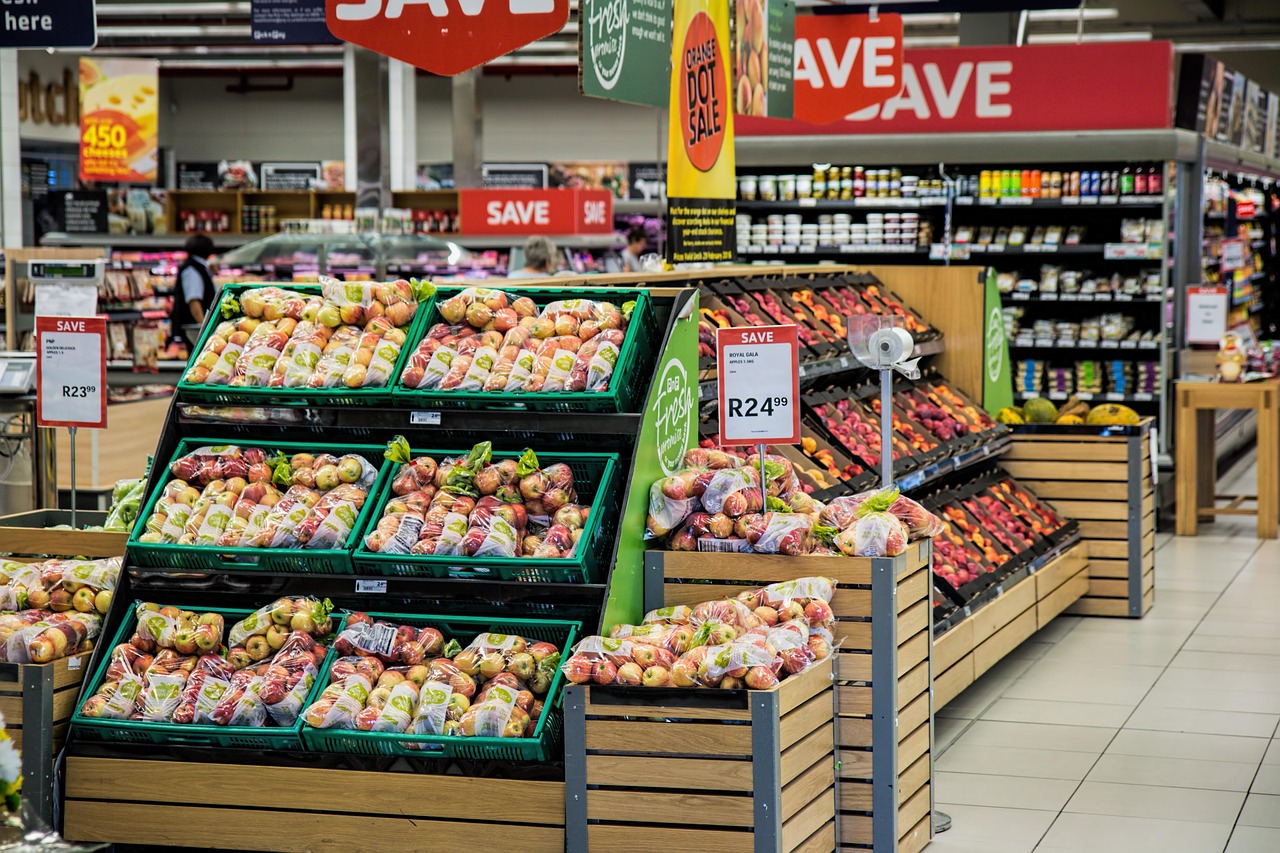
For off licences across the UK, a standard retail till simply isn't enough. Between mandatory age verification, complex alcohol duty categories, weight-based pricing on draught products, and promotions that must comply with responsible drinking guidelines, the demands on your point-of-sale system are unique — and the consequences of getting it wrong are serious. The right EPOS system doesn't just speed up your queue; it actively protects your licence, tightens your margins and gives you the management oversight that modern alcohol retail demands. This guide walks you through everything you need to know to choose confidently, with practical criteria drawn from real-world off licence deployments across the United Kingdom.
Written by the EPOS Direct UK team, who support independent retailers, convenience stores and specialist off licences across the UK every day.
Why Off Licences Have Specific Point-of-Sale Requirements
An off licence operates under a Premises Licence issued under the Licensing Act 2003, and the conditions attached to that licence have a direct bearing on how your till should behave. Selling alcohol to someone under 18 — even inadvertently — can result in a fine, a licence review or permanent revocation. That regulatory exposure is the single biggest reason why alcohol retailers need more than a generic retail POS.
Beyond compliance, off licences typically carry a wide, fast-moving range of SKUs: spirits by bottle size and strength, wines by variety and region, beers in multiple formats, mixers, snacks and tobacco. Efficient stock control at this level of granularity demands a system built for it — not one bolted together from a generic retail template.
If you are also comparing options for a broader convenience or small retail setting, our guide to the best till systems for small businesses in the UK covers a wider range of scenarios.
The Non-Negotiable Features of an Off Licence EPOS System
Before comparing specific systems or pricing models, it is worth establishing the baseline. Any EPOS system you shortlist for an off licence should offer all of the following:
Age Verification Prompts
- Automatic Challenge 25 prompts triggered at the point of sale whenever an age-restricted item is scanned — not relying on staff memory.
- A mandatory on-screen confirmation step before the sale can proceed, with an audit log of operator approval for each transaction.
- The option to integrate with ID scanning hardware if your footfall or risk profile warrants it.
Alcohol-Specific Product Management
- Support for ABV (alcohol by volume) recording at product level — useful for compliance reporting and, increasingly, for health-information labelling requirements under discussion in UK regulation.
- Flexible pricing by bottle, case, single can, or mixed pack, without requiring manual overrides at the till.
- Category management that mirrors the structure of your licence: on-trade versus off-trade, permitted hours per category if applicable.
Integrated Barcode Scanning and Receipt Printing
High-volume off licences need fast, accurate scanning. A system that handles EAN-13 barcodes reliably — including those on multipacks and promotionally stickered stock — reduces queue time and pricing errors simultaneously.
Reporting and Audit Trails
Your licensing authority may ask for sales data in the event of a complaint or review. An EPOS system that logs every transaction, operator action and void gives you a defensible audit trail.
Age Verification and Compliance: Keeping Your Licence Intact
This deserves its own section because the stakes are high. Under UK law, selling alcohol to a person under 18 is a criminal offence for the member of staff who makes the sale and can expose the premises licence holder to review proceedings. A well-configured EPOS system is your procedural safety net.
The Challenge 25 policy — the industry best practice standard recommended by the Home Office and adopted by most licensing authorities — requires staff to ask for ID from anyone who appears to be under 25. Your till should enforce this procedurally, not just as a staff training aspiration. Look for a system where:
- An age-verification prompt cannot be bypassed without a deliberate supervisor action.
- Each prompt acceptance is timestamped and tied to a staff login, creating accountability.
- The system can be configured to flag specific product categories (e.g. high-strength beers, spirits) for enhanced verification if your licence conditions require it.
If you operate a refusal register — which many licensing solicitors recommend as evidence of due diligence — your EPOS can support a digital version of this, recording refused sales against a date, time and product for your compliance file.
Stock Management and Multi-Location Support
Off licences that run efficiently are off licences that know exactly what they have and what is selling. A credible EPOS system should provide real-time stock levels that update on every sale, and it should give you tools to act on that data.
What Effective Stock Control Looks Like in Practice
- Low-stock alerts by product or category, so Friday afternoon doesn't reveal an empty lager shelf you missed on Thursday's delivery.
- Supplier purchase orders generated from within the system, with goods-in confirmation that updates stock levels automatically.
- Shrinkage tracking to identify discrepancies between recorded stock and physical count — a critical control for any premises selling high-value spirits.
- Multi-site stock visibility for off licence operators who run more than one premises under a licence group, allowing you to compare performance and transfer stock between locations from a central dashboard.
If you are considering expanding or already operate multiple sites, look for a cloud-based EPOS platform with a central back office — one that lets you update prices, run promotions and review sales across all locations from a single login, rather than logging in site by site.
Integrated Payments, Loyalty and Promotions
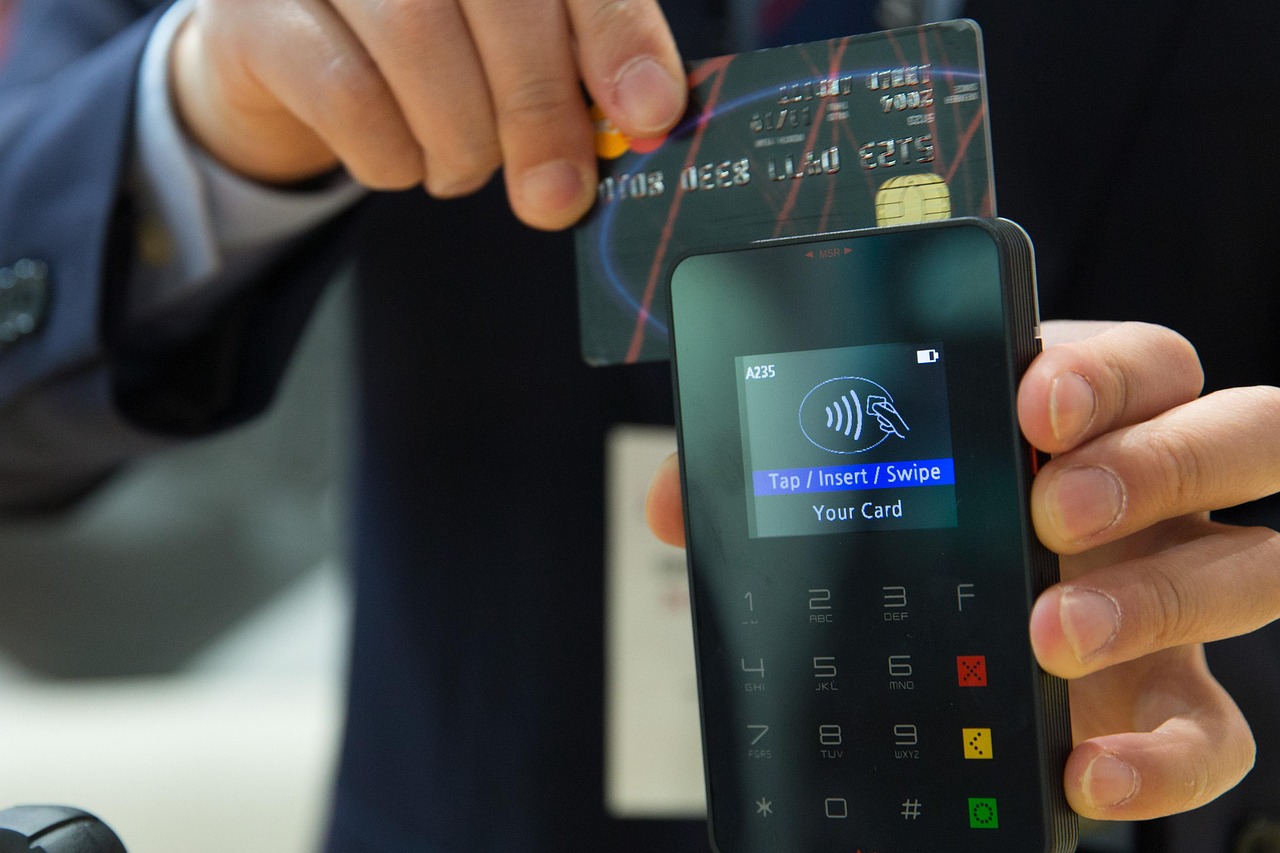
Payment integration is now a basic expectation rather than a premium feature, but the quality of integration varies considerably. A tightly integrated card terminal — where the payment is initiated directly from the till and the receipt is automatically reconciled — eliminates the manual keying errors and end-of-day reconciliation headaches that come with separate card machines.
For more detail on how integrated payments work in practice, our guide to combined card machine and till systems explains the options clearly, and our resource on EPOS systems with integrated card payments covers the key selection criteria.
Promotions Built for Alcohol Retail
Off licences run a wide range of promotional mechanics: multibuy (three for two), case discounts, loyalty points on specific brands, and time-limited offers. Your EPOS should handle all of these without staff needing to perform mental arithmetic or apply manual discounts — which introduces both error and fraud risk.
- Date-and-time-controlled promotions that activate and expire automatically.
- Mix-and-match deals (e.g. any six bottles from a selected range) with automatic price calculation.
- Loyalty schemes that accumulate points per pound spent, redeemable against future purchases — particularly effective for building repeat trade from local customers.
If you are exploring card acceptance options more broadly, our comparison of the best wireless card machines for small businesses covers portable and countertop options suited to retail environments.
What Does an Off Licence EPOS System Cost?
Pricing varies depending on the number of tills, the software package, hardware specification and whether you opt for a monthly subscription or an outright purchase model. As a general guide for the UK market:
| Setup Type | Typical Monthly Cost (Indicative) | Typical Upfront Hardware Cost (Indicative) | Best Suited To |
|---|---|---|---|
| Single-till, entry-level | From approximately £30–£60/month | From approximately £300–£600 | Small independent off licence, lower footfall |
| Single-till, full-featured (age verification, stock, loyalty) | Typically £60–£120/month | Typically £600–£1,200 | Established independent, medium footfall |
| Multi-till or multi-site | Typically £120–£300+/month | Varies by site count and hardware spec | Licence group, multiple premises |
All figures are indicative guidance for budgeting purposes only and reflect typical UK market ranges. Actual pricing depends on your specific configuration, contract length and provider. Request a tailored quote before committing.
Beyond the headline cost, ask about what is included: software updates, telephone support, hardware warranty and whether training is provided. A low monthly fee that excludes support can prove more expensive in practice than a higher-priced package with full cover.
If monthly fees are a concern, our guide to card machines with no monthly fee explores alternative payment acceptance models that may suit lower-volume operations.
How to Evaluate and Compare EPOS Providers
When a prospective supplier approaches you — or you are weighing up a shortlist — use these criteria to structure your comparison:
Questions Worth Asking Every Provider
- Does the system include mandatory age verification prompts as standard, or is this a paid add-on?
- How is training delivered — onsite, remotely, or purely via documentation? This matters particularly if you have high staff turnover, as many off licences do.
- What happens if the internet goes down? Your till must continue to operate offline and sync transactions when connectivity is restored.
- What is the support model? UK-based telephone support during your trading hours is worth paying for.
- What does your contract lock you into? Understand minimum terms, exit costs and what happens to your data if you leave.
Red Flags to Watch For
- Age verification that requires staff to manually navigate to a settings menu rather than triggering automatically at the point of scan.
- Stock management that only updates overnight rather than in real time.
- Card payment integration that relies on staff manually keying amounts into a separate terminal.
- Reporting that cannot be accessed remotely — if you cannot check yesterday's sales from home, your system is working against you.
For a broader perspective on selecting retail EPOS for a small independent business, our complete guide to EPOS systems for small businesses covers the full decision-making process in detail. You can also explore EPOS Direct's full range of offers and information to understand the complete product lineup.
Why EPOS Direct Is Trusted by UK Off Licences
EPOS Direct has supported independent UK retailers — including specialist off licences, convenience stores and forecourt shops — for many years. Our retail EPOS platform is purpose-built for the demands of age-restricted product sales, with Challenge 25 prompts built into the core system, not added as an afterthought. Stock management works in real time, promotions are configurable without any technical knowledge, and our payment integration means one less system to manage and one less supplier to call when something goes wrong.
We offer UK-based support, flexible hardware options and transparent pricing — and we are happy to walk you through the system before you commit to anything. You can watch a retail EPOS software demo to see the system in action, or explore our current retail EPOS offers to understand what is included at each tier.
If you would prefer to talk through your specific requirements — number of tills, your current setup, any particular licensing conditions — you can talk to an expert online or request a free demo at a time that suits you.
The Short Answer: What Makes the Right System for an Off Licence?
The right EPOS system for a UK off licence is one that makes age verification procedurally unavoidable, manages a complex product range in real time, integrates card payments without a separate device, and gives you the reporting visibility to run a tighter, more profitable business. Any system that cannot do all four of these things is not built for alcohol retail — regardless of what its sales literature claims.
Choosing the wrong till system for an off licence is a risk you cannot afford to take — commercially or legally. EPOS Direct UK specialises in retail EPOS for exactly these environments, and our team is ready to help you find the right configuration for your premises, your licence and your ambitions. Request a call back today, and let's make sure your till is working as hard as you are.
Frequently asked questions
- What features should a till system have specifically for an off licence?
- An off licence till system should include built-in age verification prompts (Challenge 25 pop-ups), alcohol-category product management, fast barcode scanning for bottles and cases, integrated card payments, and real-time stock tracking. Reporting tools that show your top-selling lines by margin are also essential for staying competitive in a price-sensitive market.
- How much does an EPOS system for an off licence typically cost in the UK?
- In the UK, a basic off licence EPOS setup typically starts from around £299 to £499 for entry-level hardware with monthly software fees from £20 to £50 per month. A full system with touchscreen till, receipt printer, barcode scanner, and cash drawer generally ranges from £600 to £1,200 upfront, or can be taken on a monthly plan from around £30 to £80 per month depending on the provider and contract length. EPOS Direct offers transparent pricing with no hidden fees — request a free quote for an exact figure tailored to your shop.
- Can an off licence EPOS system help me manage promotions like multibuy deals?
- Yes. A good off licence till system will let you set up multibuy promotions (e.g. 3 for £10 on wines), percentage discounts, and loyalty points at the point of sale automatically. This removes the need for manual price overrides, reduces errors at the till, and helps you run supplier-funded promotions without retraining staff every time.
