We use cookies to make your experience better.
To comply with the new e-Privacy directive, you agree to the privacy policy and our use of cookies


Monthly Archives: April 2021
-
 Read more
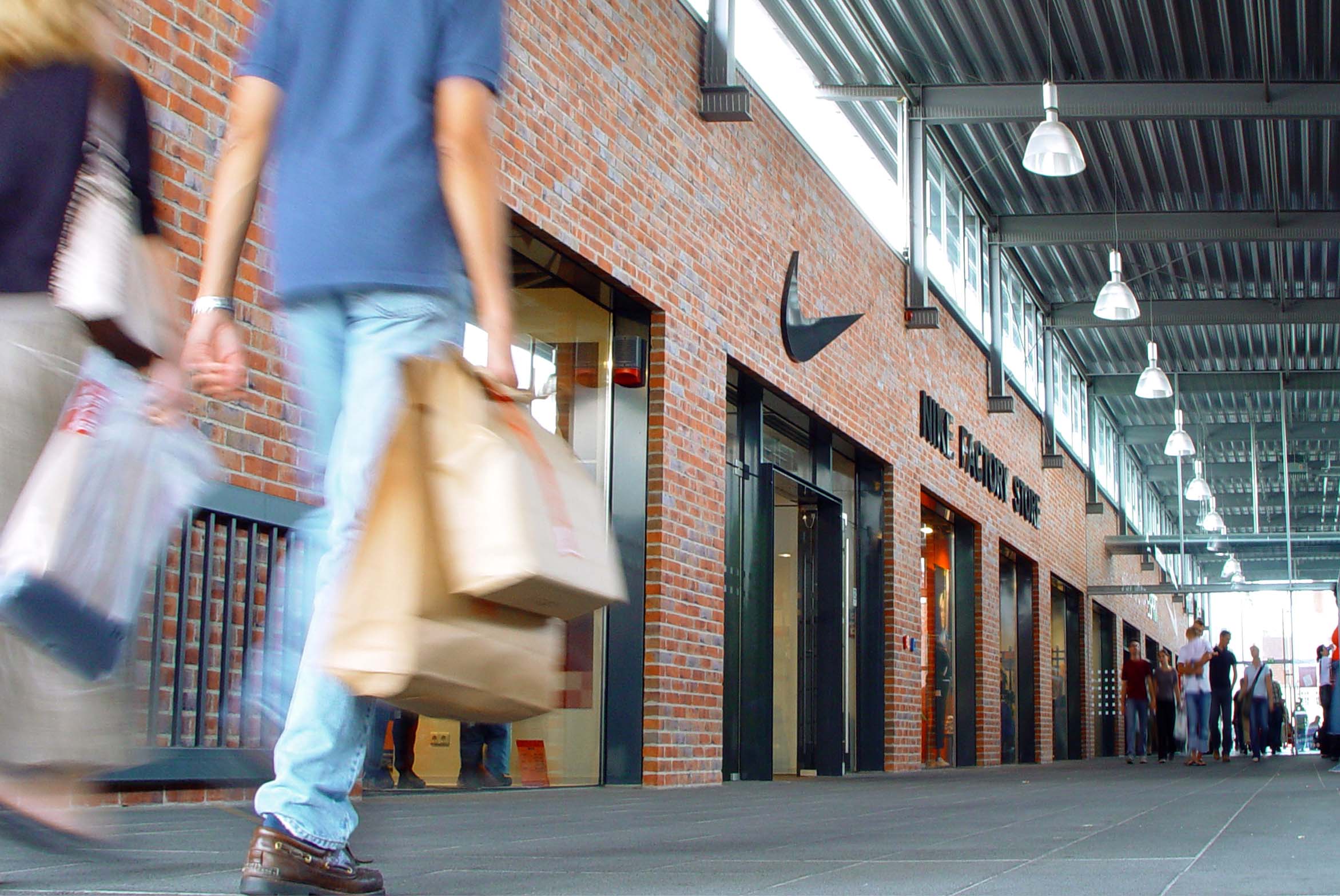
Early forecasts suggest that the upcoming Easter weekend would meet expectations as the most anticipated weekend for retail after Christmas. There is an increase of 2.4% in footfall when compared to the same trading period last year. Footfall may take a sudden turn and retailers could suffer if snow and ice were to return. Evidence from the previous two “beasts from the east” has shown.
The forecasts comes following Springboard’s announcement that there is a decrease of 0.5% in UK retail footfall in February which was less than a third of that recorded in January which was lower than the 12 month average of -0.7%. It has provided some good news in the face of the trading challenges for retailers reported recently.
Springboard insights director Diane Wehrle the first “beast from the east” on February 25 led to 16.6% decline in footfall in all retail destinations on the week beginning.
March 1, the worst hot day saw footfall drop by as much as 36%, while the three
-
 Read more
According to the Office for National Statistics (ONS), there is a drop in consumer price index to 2.7% in February, down by 3% in January and below predictions of 2.8%.
Due to a large drop in food inflation, the slowdown has eased the pressure on the cost of living to the lowest level in seven months.
In between the months of January and February food price inflation slowed to 0.1%, dropping significantly from 0.8% rise a year earlier.
Due adverse weather conditions causing a drought last February, which helped driving up the prices of vegetables.
This was offset by an increasing rise in clothing and footwear prices as there is a rise of 1.7% compared to January, up from 1.2% last year, driven by a rise in women’s shoes.
These figures have fueled economist’s speculations that inflation may have peaked as the initial cost pressure due to Brexit began to fade. “We’re now descending from the peak of inflation caused by the fall in -
 Read more
The development marks the Facebook owned firm’s most significant push into ecommerce since the introduction of Instagram for Business tools in 2016. It has also introduced a shoppable advert system dubbed “collection” campaigns earlier this year.
The new Shopping function provides people with a visual storefront to explore new products from the brands they love according to Instagram.
Shoppers can tap on a tagged post with easy access to pricing and product details post within their feed to buy. They can shop a specific product directly from the brand’s website, without having to search for it.
Marks & Spencer a high street giant was one among the three businesses to take part in the UK test phase of the shopping function.
“Instagram Shopping offers us the opportunity to realise the huge potential of our 760,000 followers,” M&S head of digital marketing Erin Roy said.
Instagram has always been a great platform to showcase our products an -
 Read more
These new laws were announced by Chancellor Philip Hammond during last year’s Autumn Budget aiming to level the playing field so high street and online retailers are not disadvantaged.
It is the responsibility of the online marketplaces to make sure sellers on their platform pay the right tax and to make sure fraud doesn’t happen.
If sellers based in UK or overseas are not paying the correct VAT when selling in UK, and if not removed from the site following the issue of a notice by HRMC, then it has the power to pursue the marketplaces themselves.
This may lead to fines and recovery of future unpaid tax by those sellers.
The rules also make online marketplaces liable for VAT. If they knew or should have known that an overseas online seller should have been VAT registered but was not.
The HRMC said there is “a clear message” sent to all retailers and other businesses in UK and overseas, online and on the high street “must all play by the sa -
 Read more
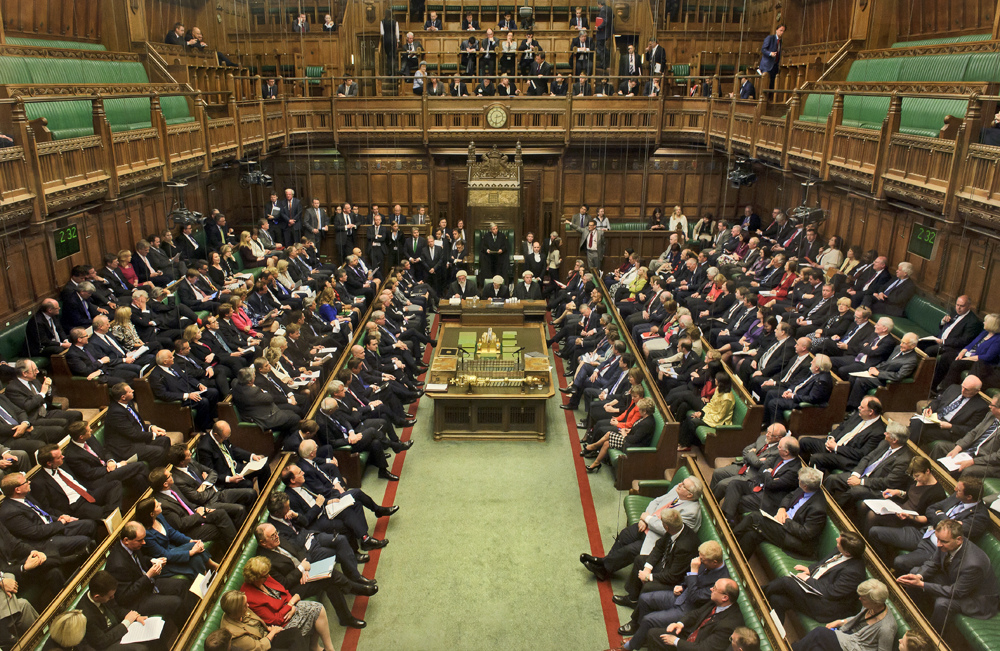
He announced about upgraded projections for growth, predictions of falling inflation, debt and borrowing.
Addressing various issues like facing the retail sector, including business rates, digital tax and measures to reduce plastic waste.
His speech was welcomed by the British Retail Consortium (BRC) chief executive Helen Dickinson and many other retail leaders.
“We’ve consistently called for more frequent revaluations and welcome the Chancellor’s decision to move forward the next revaluation by a year to 2021 as a step in the right direction,” she said.
“More frequent revaluations are no easy task and require strong collaboration and exchange of information jointly between the Valuation Office and ratepayers.”
Altus Group UK business rates president Alex Probyn added: “Three-year revaluation cycles are certainly workable. Whether they are entirely in the ratepayer’s interests depends on the detail.
Undoubtedly a shorter valuation period has benefits in ter -
 Read more
It will be co-chaired by Richard Pennycook, chairman of British Retail Consortium (BRC) and Andrew Griffiths, Conservative MP and member of the Department for Business, Energy and Industrial Strategy (BEIS).
The council formed to work and address issues like productivity, skills shortages and adapting to changing consumer behavior.
The other members of the council include Amazon UK manager Doug Gurr, John Lewis chairman Sir Charlie Mayfield and Asos chief executive Nick Beighton.
“The first Retail Sector Council comes at a moment of unprecedented change for our sector,” Pennycook said.
Retail is one of the largest private-sector employers in the country. The council provides strategic oversight of the challenges we are facing by seeking positive change and increased productivity.
“We will work together with industry and government to deliver our vision for the future of retail.”
Griffiths added: “Our new collaborative Retail Se -
 Read more
In the last week £2.87 trillion disappeared from global equity markets, the largest stock market crash seen since 2008.
Fortunately, most markets have rebound and investors belive the worst is over.
Despite calm returning, it is to remind people of the last financial crash and led some to believe. Briefly that another crisis was imminent.
It is the not only worrying comparative to the last financial crash which was a decade ago. Right from the start of the year thousands of jobs in the UK retail have been cut entirely or revealed to be at risk.
On January 1, the Big 4 have announced major restructures that will result in staff facing pay cuts in redundancy.
28 head office roles cut by Asda, thousands to be cut by Sainsbury in a restructure, Tesco to cut 800 and repositioning 900 more, At Morrisons a similar restructure can be seen with 700 face a pay cut or redundancy.
Marks & Spencer – often regarded as a bellwether of UK re -
 Read more
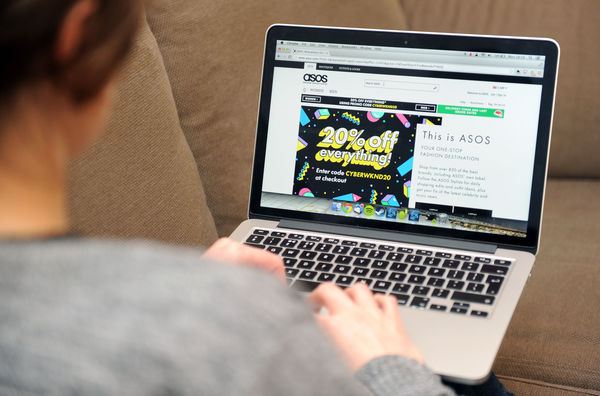
According to RPC report, UK’s largest 20 ecommerce retailer sales grew by 23% to £8.4 billion over the last year.
More than half of the sales figure came from UK’s three largest online retailers Asos, Shop Direct and Ocado reporting sales of £5.1 billion up from £4.4 billion a year earlier.
According to RPC’s co-head of retail Jeremy Drew, “technological advancements like AI chatbots and augmented reality apps boosted sales.”
“The maturing of m-commerce is helping (etailers) super-charge sales,” he said.
“From being virtually unknown five or 10 years ago, many online-only retailers are building strong brands and grabbing more and more market share.”
A report from Criteo supported this, which found that over half (53%) of inline purchases made from smartphones in the last quarter of 2017.
This continuous growth in inline sales could drive consolidation among the sector’s biggest players which was suggested by RPC. -
 Read more
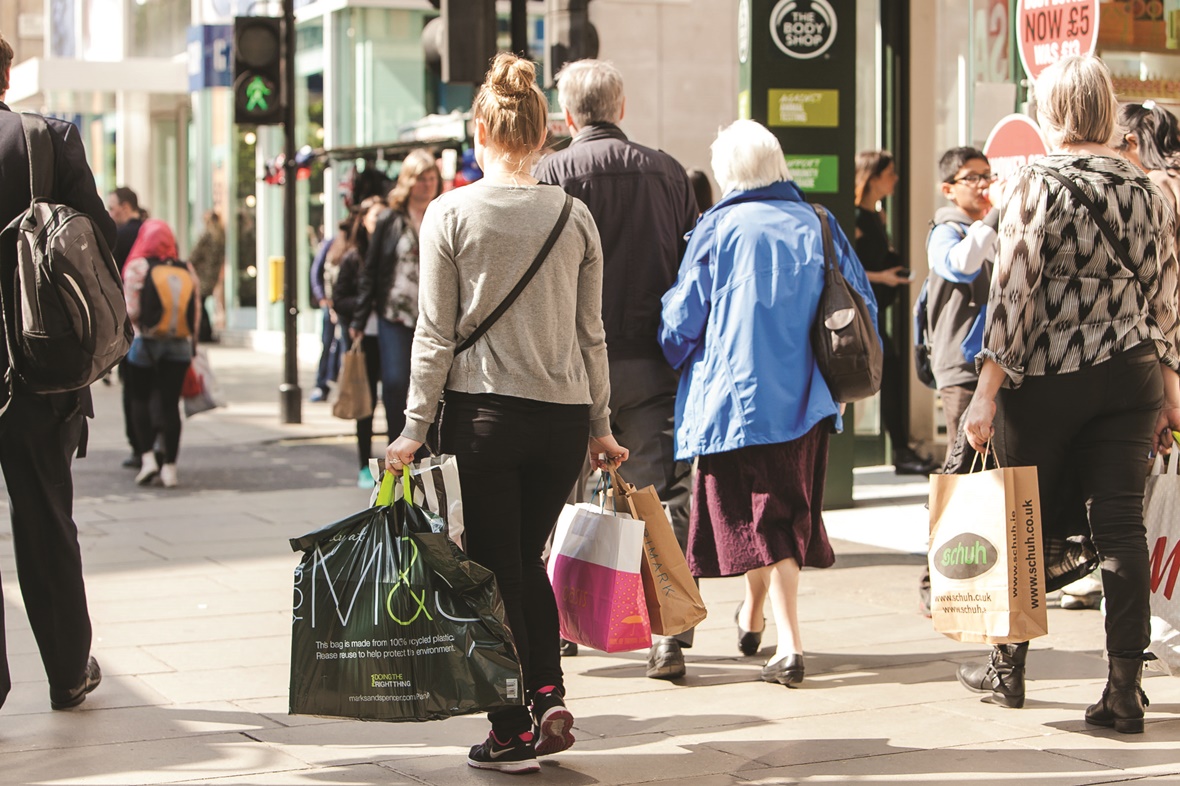
There is a drop of 1 point in GfK’s consumer confidence Index to -10, which was in line with expectations and down from -9 in January.
Out of five measures that are used to determine the overall monthly index, three of them decreased, one remained constant and the other increased.
“Ongoing concerns about sluggish household income, rising prices paid by consumers in the shops, and the prospect of inflation-busting council tax and interest rate hikes has dented confidence after last month’s surprising rally,” GfK head of experience innovation Joe Staton said.
After the two year trend of negative sentiment, the overall index score bounced between 0 and -13 since February 2016. It proves the consumers pessimistic feeling about the state of household finances and the wider UK economy.
Due to the drop in the major purchase index and the gloomy start to 2018 for many retailers, shoppers continue to rein in spending.
Confidence remains subdued -
 13Apr Read more
New data from BRC-Nielsen Shop Price Index, deflation grew from 0.5% in January to 0.8% throughout the last month.
These figures helped by a slowdown in food deflation, easing from 1.9% in January to 1.6%.
Ambient food inflation saw a month-on-month rise of 0.3% to 2.5%, fresh food dropped from 1.7% to 0.9%, lowest since September 2017.
“This is a further sign that we have passed the peak of the upward pressure on inflation caused by the fall in the pound in June 2016,” British Retail Consortium chief executive Helen Dickinson said.
Over coming year this will squeeze on consumer incomes, but it is likely to do little to lift the rate of growth in consumption.
“In real terms earnings are still falling despite increase in wages and savings are unlikely to provide the same support to spending that they have over the last 18 months.”
Good news for consumers as the earnings and inflation are heading in the right directions for con
Recent Posts