We use cookies to make your experience better.
To comply with the new e-Privacy directive, you agree to the privacy policy and our use of cookies


Monthly Archives: April 2021
-
 Read more
A research by accountancy firm Moore Stephens, more than half of owner managed businesses of which many of them retailers negotiate on the key concerns on the Brexit outcome.
There are also other concerns skills shortages and cyber attacks came significantly below Brexit, with 41% and 29% citing it as their key concerns for 2018 respectively.
More specifically, 38% of SMEs said the introduction of trade tariffs after Brexit was their main concern. 30% cited loss of labour and 23% said afraid of losing European customers was their concern.
“Whilst banks and other big businesses have the influence to lobby the Government for their own special Brexit clauses, there are concerns that small businesses will be forgotten about,” Moore Stephens’ partner Mark Lamb said.
The huge concern for business owners about what Brexit might mean for them. While negotiating the exit deal the government must take their needs seriously.
There could be poten -
 Read more
According to data from Guardian from UK Finance, 2016 recorded lowest number of cash withdrawals from cash machines since 2010, with a volume dropping £6 billion from 2015.
Lowest level of growth of cash circulating in the economy has led due to the sharp drop in the use of cash since 1972.
This tendency across the UK is driven by the use of cards for smaller purchases in places like pubs and cafes, with pub chain Wetherspoons reporting 20% drop in cash payments in last 4 years.
“Britain has well and truly embraced a cashless society because of its ease and convenience,” Mark Latham, the director of card machine provider Handepay, told the Guardian.
“When (contactless payment) was first introduced in the UK in 2007, there was a lot of ambivalence, but adoption over the past few years has been rapid because of demand.”
The volume and value of bank notes in circulation is higher than ever before, though swathes of this cash is lying dormant -
 Read more
Global Blue said that visitors from china are the number one spending nationality in UK and remain consistent. This year’s Chinese New Year will aid shopper increase and provide retailers with a much needed sales boost in first quarter of 2018.
The weakened sterling, China’s strengthening economic position, relaxed China-UK tourist visa rules. Direct flights between the two countries and work of the UK Chinese Visitor Alliance will also contribute to boost the retail spending to a rise during the Chinese New Year.
Exact figures are not revealed by the Global Blue of how much it thinks the sales would grow during Chinese New Year. It said that the spending grew 23.5% year-on-year during last year’s event and 8.9% year-on-year in 2016.
In addition, 2017 tax-free spending from Chinese tourists surged 32% year-on-year. Visitors from China accounting for 28% of all tax free sales in UK.
A slow month of sales in January followed by a boost in sales in th -
 Read more
According to the latest figures from the Office for National Statistics (ONS), UK retail sales throughout January edged up 0.1%, the slowest rate of growth in last 6 months.
Sales by quantity grew 1.6% year-on-year, marking a significant slowdown on the 2.4% growth seen in January 2017. A boost in sports equipment along with games and toys in New Year’s resolutions, which saw sales grow by 10.9%.
It helped to partially offset the 0.9% drop in food sales, marking the 6th consecutive month of decline in a row as food prices continues to rise.
“Retail sales growth was broadly flat at the beginning of the New Year with the longer-term picture showing a continued slowdown in the sector,” ONS senior statistician Rhian Murphey said.
This could partly be attributed to a background of generally rising prices.
Sporting equipment growth games and toys being bought was offset by falling food sales when compared with the same month last -
 Read more
Data from the Office for National Statistics (ONS) reported the Consumer Price Index (CPI) rate of inflation remained stayed at December’s 3%.
This came slightly above expectations that it would drop to 2.9% after December saw a relief from 3.1% inflation a month prior.
Inflation for food price has dropped 0.1% over the month due to the large falls in the cost of meat, oil, cheese, milk and eggs.
This has marked a welcome slow down following continually rising prices since 2016.
Inflation in January continued to be driven by clothing inflation, having seen a weaker drop than December at 3.7%.
“Economists have been expecting inflation to gradually fall back to the two per cent target over the coming year or so, starting today with a drop to 2.9 per cent,” Hargreaves Lansdown’s senior economist Ben Brettell said.
In fact the rate remained at 3%, with rise in prices driven by clothing, footwear and recreational goods/services. Inflati -
 Read more
When a user in the app finds a jar of Marmite, the player must answer whether they were a “born a lover” or “born a hater”. They are gifted randomly selected prize of either the gold plated jar, a personalised jar of Marmite or may be a sample of the famous spread.
This is an initiative and a part of Gene Project’s DNAFit campaign. It is a research project which has found that people genetically hate predisposed to loving or hating Marmite.
“AR provides a new way to interact with consumers,” Snatch head of marketing Kate Taylor Tett said.
The tech draws players immersive with a heightened level of interactivity. It was previously unavailable to smartphones. In order to increase their engagement with potential customers is a great way for the brands.
“Our collaboration with Marmite capitalises on this with a fun piece of activity for our users, as they actively seek out in-game jars on the map to trigger an AR experience, with one lucky winne -
 Read more
These adverts blend with the product catalogues with videos. Without leaving Instagram they allow users to buy items from the range.
It was first tested on Facebook, Instagram’s owner and reportedly it has produced promising results.
Earlier this week, Birchbox and Revolve both have launched shoppable “collection” campaigns.
Marking a concerted effort by social media platforms like Instagram and Snapchat to make the most of the million users who follow brands, with an estimated of 200 million followers on Istagram alone who follow fashion brands.
The ability to click through adverts to a brand’s website and make a purchase has already been offered by Instagram. This marks the first time purchasing which is available on its own platform.
Photo and video sharing app not only becoming but also increasingly important source of revenue for Facebook, it saw drop in users in North America for the first time ever last year.
“Instagram is a busi -
 Read more
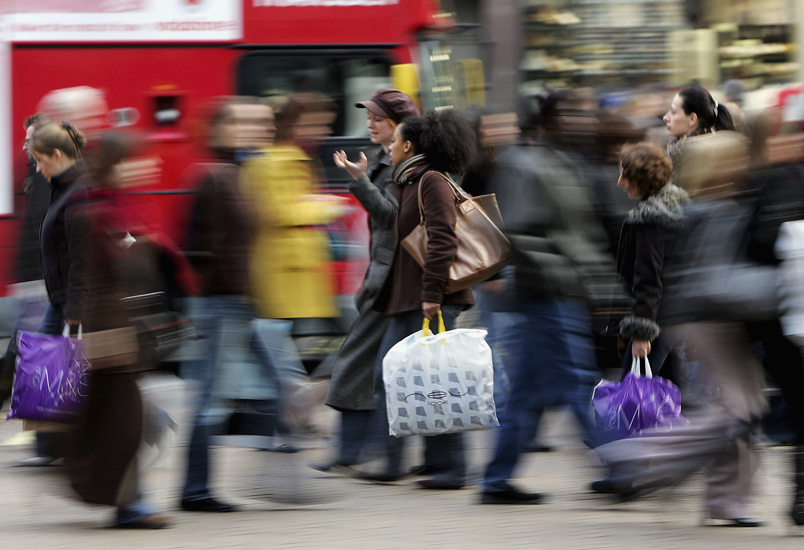
New data from Ipsos Retail Performance reveals, the effects of heavy discounting on Black Friday extended through early January, shifting sales away from the traditionally solid trading period.
It is the ninth consecutive month of footfall volumes, and is likely to have encouraged the swathe of job cuts announced in the start of the year.
The most significantly affected were London and the South East, both seeing footfall and the North dropped 5.3%.
“This month’s footfall figures confirm that it has been a slow start to the retail year, though the news is diverse across the regions,” Ipsos director of retail intelligence Dr Tim Denison said.
It is been well documented market conditions and exceptionally tough last year, understandably the British public are remaining watchful as we start 2018.
It has built an imperative for retailers to review their business model and operate in a different order to survive. -
 Read more
The latest BRC-Nielsen Shop Price Index report shows, overall shop prices dropped by 0.5 % year-on-year in the last six days to January 8, though the rate of deflation showed from 0.6% a month earlier.
Despite “non-food prices creeping ever so slightly towards inflation”, the disparity between food and non-food prices continued to grow.
Excluding December, non-food deflation rates were the deepest since last March, but the 1.9% drop was still than 2.1% seen throughout December.
In mean time, food inflation edged up from 1.8% in December to 1.9% in January. It is the highest level of inflation marked since October.
The rise was driven by ambient food which saw prices jump 2.2%, up from 1.7% in December.
This was partially offset by fresh food, seeing inflation ease from 2% in December to 1.7%.
“There are reassuring signs for consumers from the fall in latest input price inflation, that the worst effects of sterling’s depreci -
 Read more
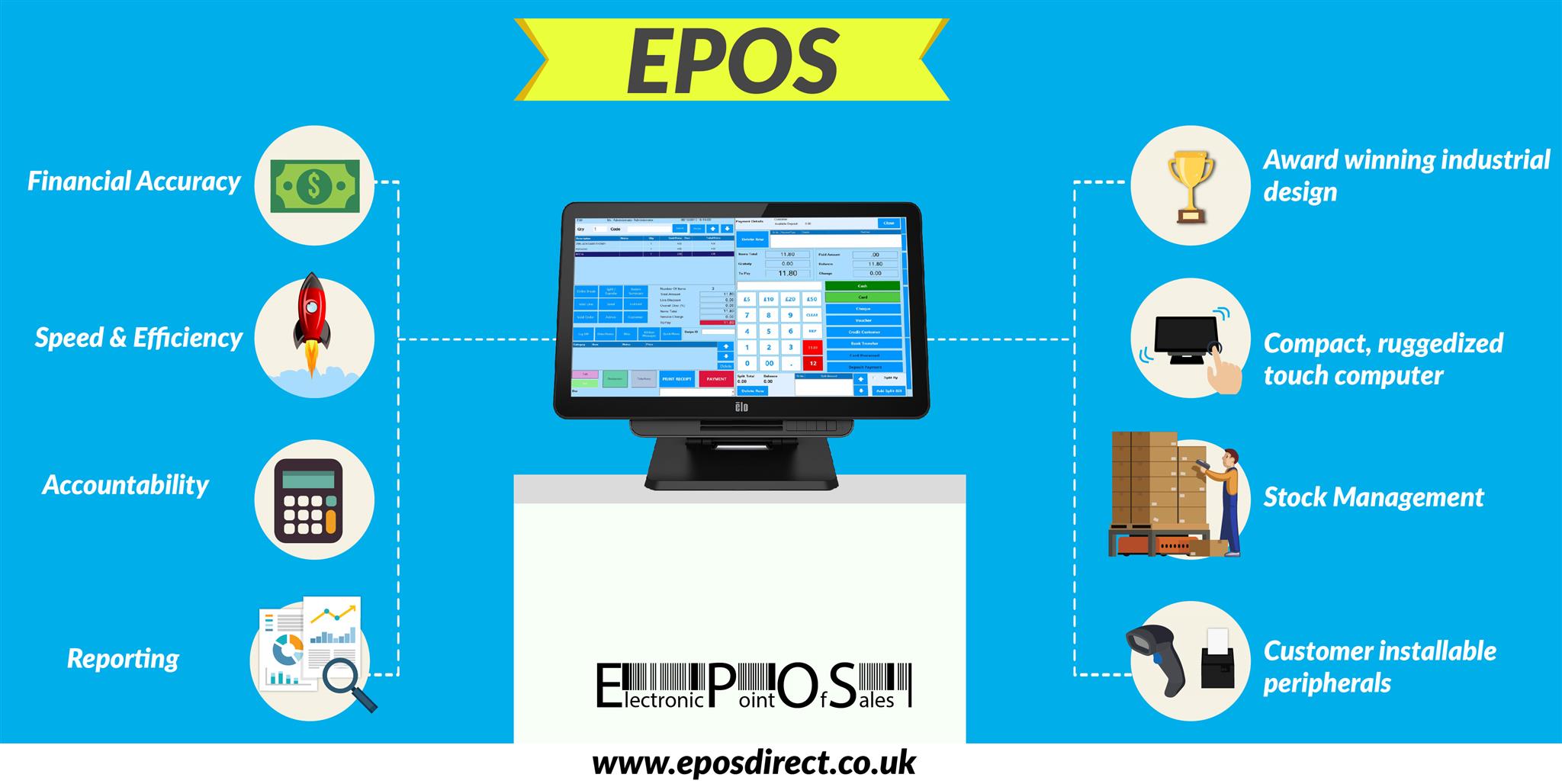
An award winning epos system: We are the most awarded and leading supplier of epos system with having over 20+ Million customers worldwide.
Compact, ruggedized touch computer: Built and packed where there is no risk of any shock while operating on the touch screens.
Customer installable peripherals: Our peripherals are made with quality and can be easily installed to our customers.
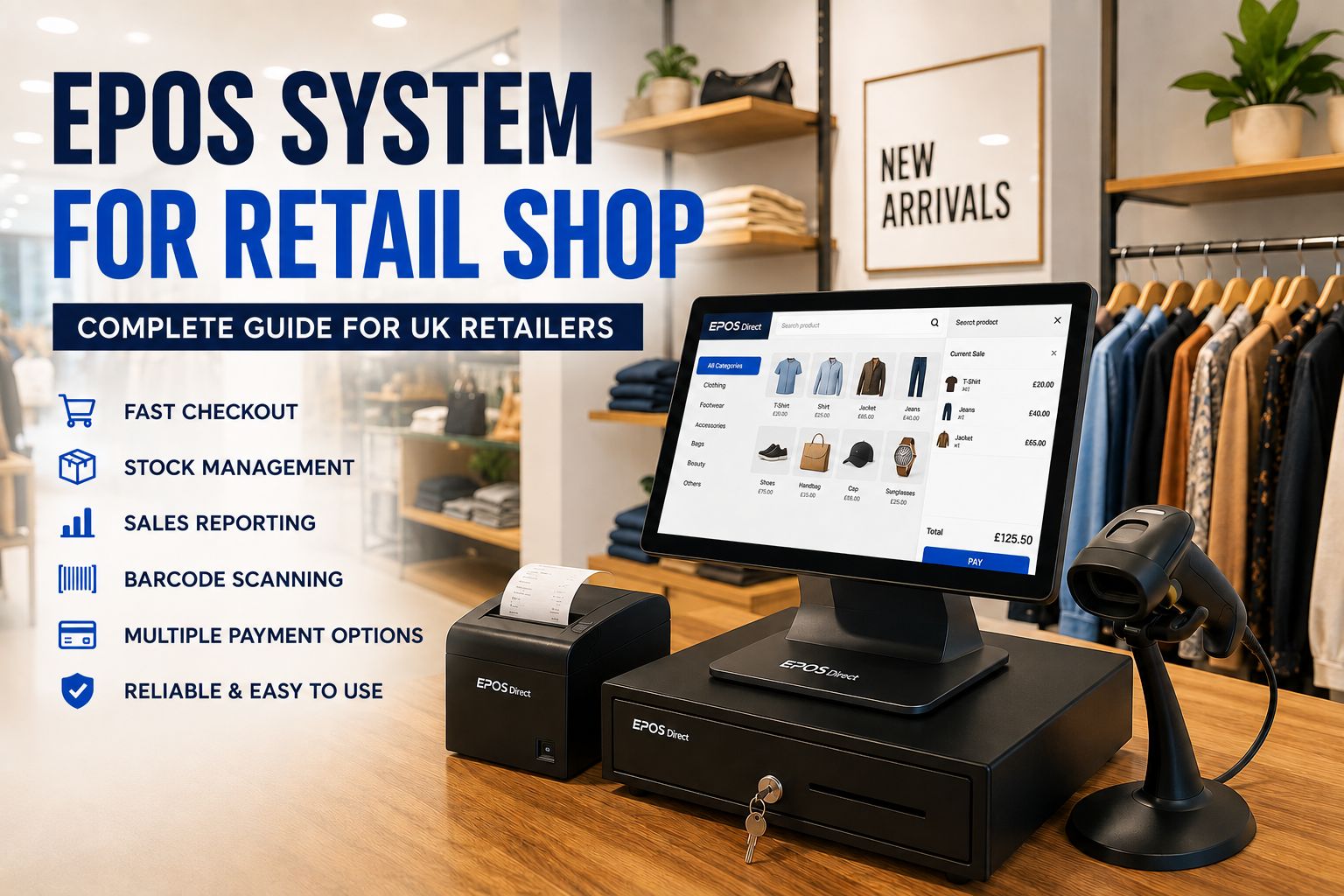
Financial Accuracy: One advantage of EPOS systems is the increased financial accuracy when charging customers.
Accountability: Electronic point of sale systems allows businesses to accurately monitor and record staff activity.
Speed & Efficiency: No long queues for your customers
Stock Management: Manage your stock levels and know your best selling and least selling products.
Reporting: It helps to have a detailed report about each and every department.
Recent Posts