We use cookies to make your experience better.
To comply with the new e-Privacy directive, you agree to the privacy policy and our use of cookies


Blog
-
 Read more
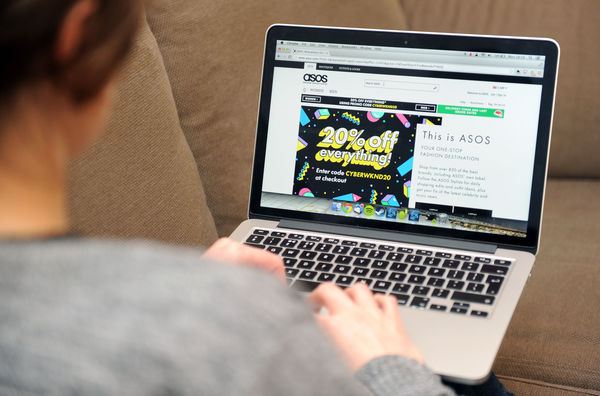
According to RPC report, UK’s largest 20 ecommerce retailer sales grew by 23% to £8.4 billion over the last year.
More than half of the sales figure came from UK’s three largest online retailers Asos, Shop Direct and Ocado reporting sales of £5.1 billion up from £4.4 billion a year earlier.
According to RPC’s co-head of retail Jeremy Drew, “technological advancements like AI chatbots and augmented reality apps boosted sales.”
“The maturing of m-commerce is helping (etailers) super-charge sales,” he said.
“From being virtually unknown five or 10 years ago, many online-only retailers are building strong brands and grabbing more and more market share.”
A report from Criteo supported this, which found that over half (53%) of inline purchases made from smartphones in the last quarter of 2017.
This continuous growth in inline sales could drive consolidation among the sector’s biggest players which was suggested by RPC. -
 Read more
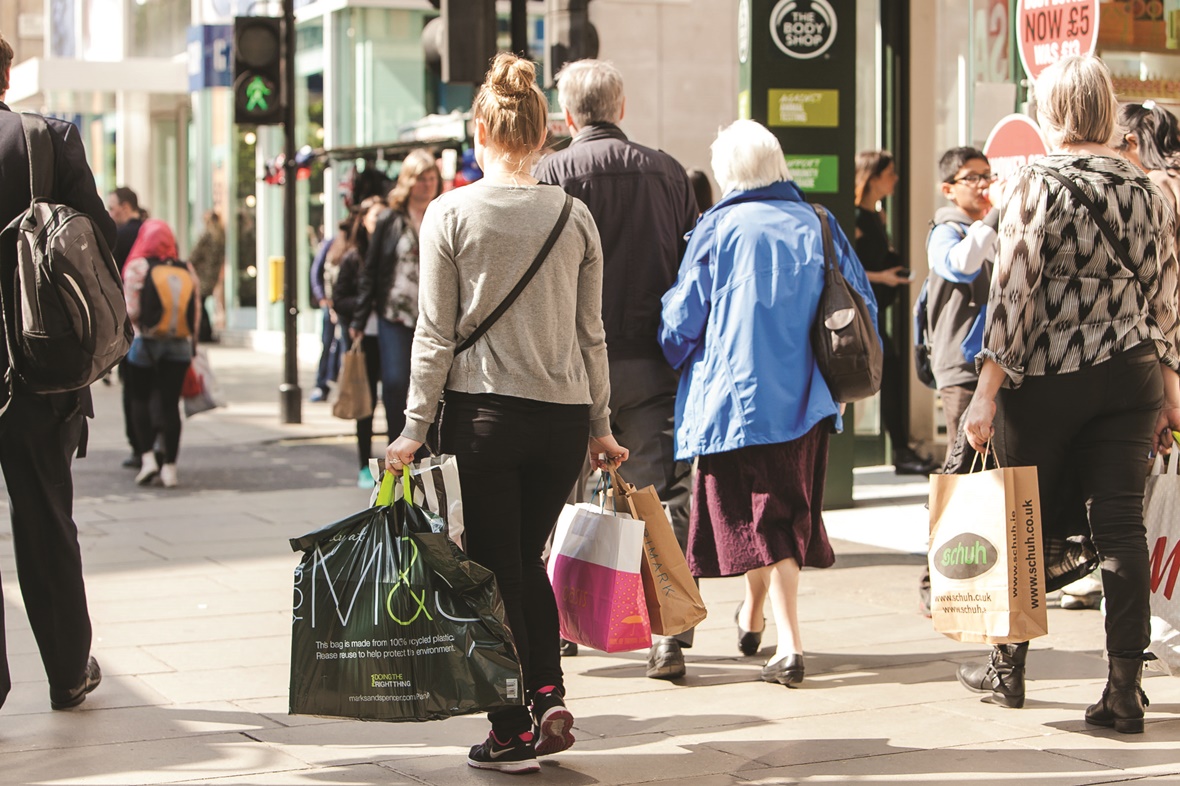
There is a drop of 1 point in GfK’s consumer confidence Index to -10, which was in line with expectations and down from -9 in January.
Out of five measures that are used to determine the overall monthly index, three of them decreased, one remained constant and the other increased.
“Ongoing concerns about sluggish household income, rising prices paid by consumers in the shops, and the prospect of inflation-busting council tax and interest rate hikes has dented confidence after last month’s surprising rally,” GfK head of experience innovation Joe Staton said.
After the two year trend of negative sentiment, the overall index score bounced between 0 and -13 since February 2016. It proves the consumers pessimistic feeling about the state of household finances and the wider UK economy.
Due to the drop in the major purchase index and the gloomy start to 2018 for many retailers, shoppers continue to rein in spending.
Confidence remains subdued -
 13Apr Read more
New data from BRC-Nielsen Shop Price Index, deflation grew from 0.5% in January to 0.8% throughout the last month.
These figures helped by a slowdown in food deflation, easing from 1.9% in January to 1.6%.
Ambient food inflation saw a month-on-month rise of 0.3% to 2.5%, fresh food dropped from 1.7% to 0.9%, lowest since September 2017.
“This is a further sign that we have passed the peak of the upward pressure on inflation caused by the fall in the pound in June 2016,” British Retail Consortium chief executive Helen Dickinson said.
Over coming year this will squeeze on consumer incomes, but it is likely to do little to lift the rate of growth in consumption.
“In real terms earnings are still falling despite increase in wages and savings are unlikely to provide the same support to spending that they have over the last 18 months.”
Good news for consumers as the earnings and inflation are heading in the right directions for con -
 Read more
A research by accountancy firm Moore Stephens, more than half of owner managed businesses of which many of them retailers negotiate on the key concerns on the Brexit outcome.
There are also other concerns skills shortages and cyber attacks came significantly below Brexit, with 41% and 29% citing it as their key concerns for 2018 respectively.
More specifically, 38% of SMEs said the introduction of trade tariffs after Brexit was their main concern. 30% cited loss of labour and 23% said afraid of losing European customers was their concern.
“Whilst banks and other big businesses have the influence to lobby the Government for their own special Brexit clauses, there are concerns that small businesses will be forgotten about,” Moore Stephens’ partner Mark Lamb said.
The huge concern for business owners about what Brexit might mean for them. While negotiating the exit deal the government must take their needs seriously.
There could be poten -
 Read more
According to data from Guardian from UK Finance, 2016 recorded lowest number of cash withdrawals from cash machines since 2010, with a volume dropping £6 billion from 2015.
Lowest level of growth of cash circulating in the economy has led due to the sharp drop in the use of cash since 1972.
This tendency across the UK is driven by the use of cards for smaller purchases in places like pubs and cafes, with pub chain Wetherspoons reporting 20% drop in cash payments in last 4 years.
“Britain has well and truly embraced a cashless society because of its ease and convenience,” Mark Latham, the director of card machine provider Handepay, told the Guardian.
“When (contactless payment) was first introduced in the UK in 2007, there was a lot of ambivalence, but adoption over the past few years has been rapid because of demand.”
The volume and value of bank notes in circulation is higher than ever before, though swathes of this cash is lying dormant -
 Read more
Global Blue said that visitors from china are the number one spending nationality in UK and remain consistent. This year’s Chinese New Year will aid shopper increase and provide retailers with a much needed sales boost in first quarter of 2018.
The weakened sterling, China’s strengthening economic position, relaxed China-UK tourist visa rules. Direct flights between the two countries and work of the UK Chinese Visitor Alliance will also contribute to boost the retail spending to a rise during the Chinese New Year.
Exact figures are not revealed by the Global Blue of how much it thinks the sales would grow during Chinese New Year. It said that the spending grew 23.5% year-on-year during last year’s event and 8.9% year-on-year in 2016.
In addition, 2017 tax-free spending from Chinese tourists surged 32% year-on-year. Visitors from China accounting for 28% of all tax free sales in UK.
A slow month of sales in January followed by a boost in sales in th
Recent Posts