We use cookies to make your experience better.
To comply with the new e-Privacy directive, you agree to the privacy policy and our use of cookies


Blog
-
 Read more
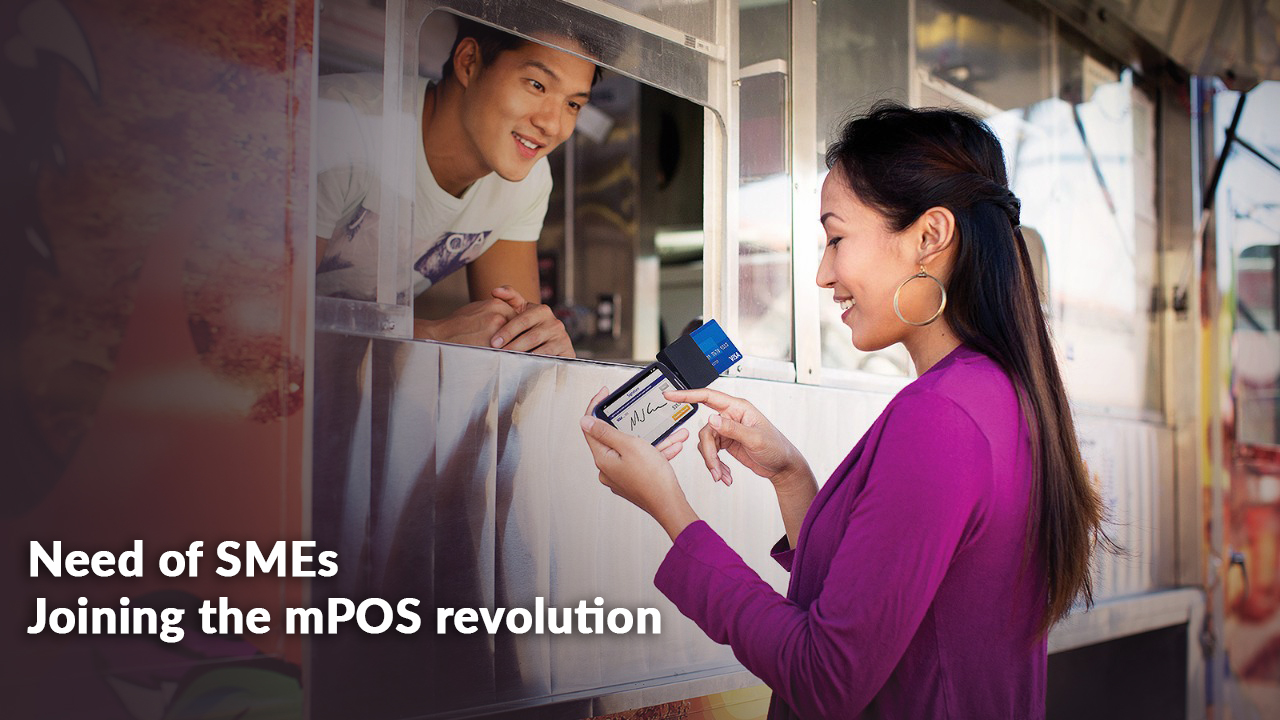
Traditional payment process systems need start up costs, the installation and maintenance of expensive payment terminals (cash registers), limitations on the layout of the workplace, and a reliance on a 3rd party provider to manage the system.
Conversely, mPOS addresses each aspect of payment process and puts the management back within the hands of the business owners. Small to medium businesses get access to information and insights commonly reserved for large businesses with budgets to match, the prospect to be at the forefront of technology within the commerce sector and, on a sensible note, a lot of bigger alternative within the location of payment points. In fact, businesses using mPOS don’t have to be compelled to be restricted to static payment points at all.
The first mPOS systems began springing up in the 2000s, beginning a revolution in payment process and opening up the market to new suppliers. Existing payment suppliers like PayPal and WorldPay dominate the market, h -
 Read more
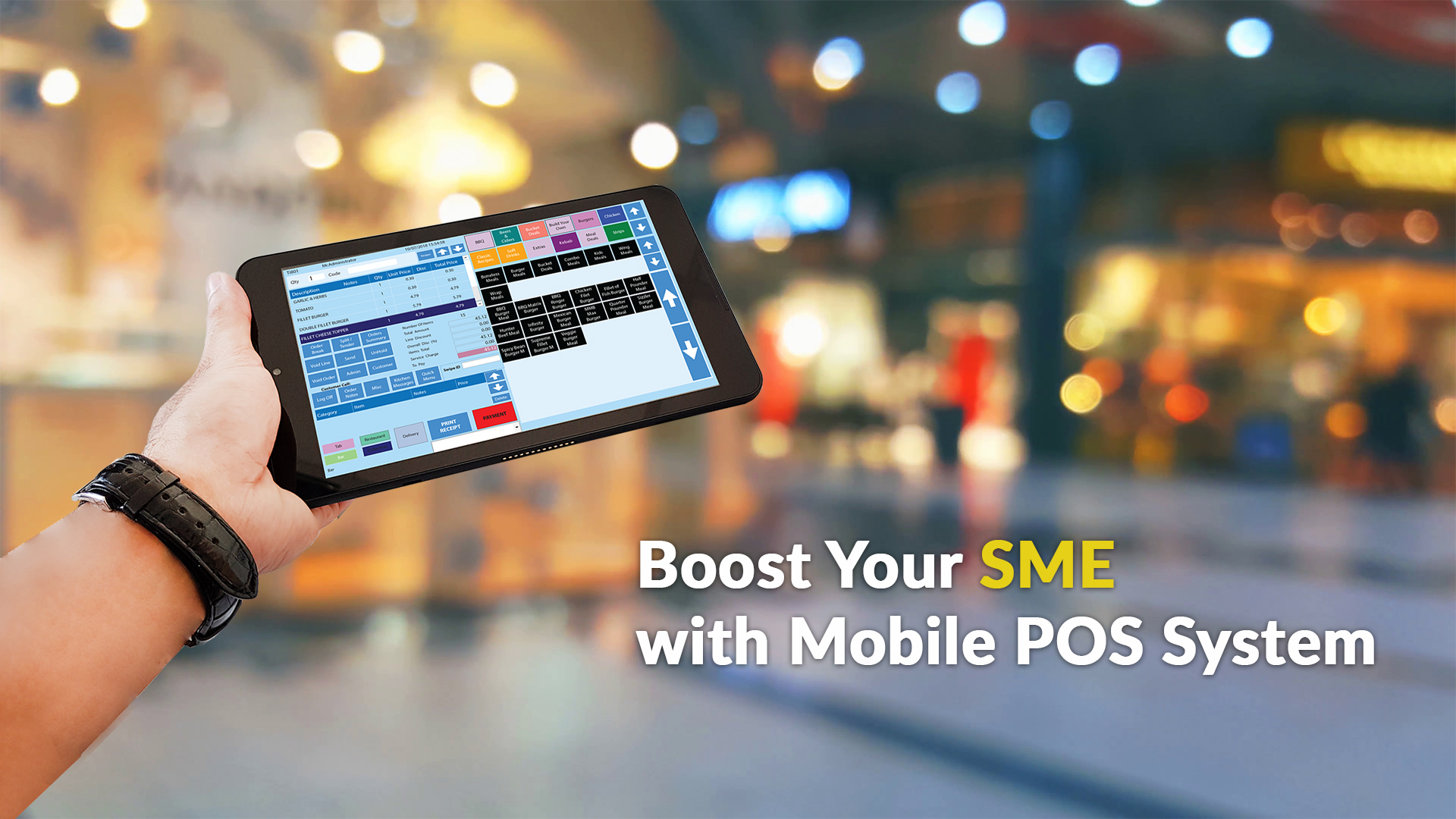
The other benefit of using Tablet for small business is due to cloud technology. Data such as customer, employee, and inventory, is saved on a server, limiting the loss of any information. Sophisticated small business POS can benefit every SME. Make sure you consider an application that’s scalable that can grow with your business.
Accessible Inventory Management
You can view your inventory with Tablet in real time from anywhere in the world. This level of accessibility allows you to run a business, provided you have an internet connection. Many iPad/Tablet till systems are limited in their functionality, with simple one page application, capable of processing payments and a catalogue.
Having a proficient POS system you can order new stock, best selling items and purchasing trends. It helps to tailor your shop to your customers, better, more targeted options while increasing sales.
Lowering Costs with an mPOS System -
 Read more
According to the research conducted by CGA Peach on behalf of Zonal, 47% of diners say food is not arrived quickly enough which is the biggest frustration. 24% say their order being noted down incorrectly is their leading bugbear.
Technology providers say that mobile point of sale is the solution for both the problems.
“You are completely taken out the element of writing an order down and having to walk over to a central terminal to enter it manually in to the system”, explains James Cook.
“Effectively this means a customer orders goes through the kitchen or bar in a quarter of the time. It also means that orders are more accurate, because there is less room for human error”.
Having faster and accurate service is not only good for customers but also good for business. “Because hand held ordering devices allow wait staff to spend more time on the floor serving more customers, they allow operators to increase table turns and ticket averages”, says Shanno -
 Read more
Pros of Mobile POS
There are many benefits switching to mPOS which are realized by increasing in number of cafes, coffee shops, local retailers, and food carts.
Provide a convenient point-of-sale transaction:
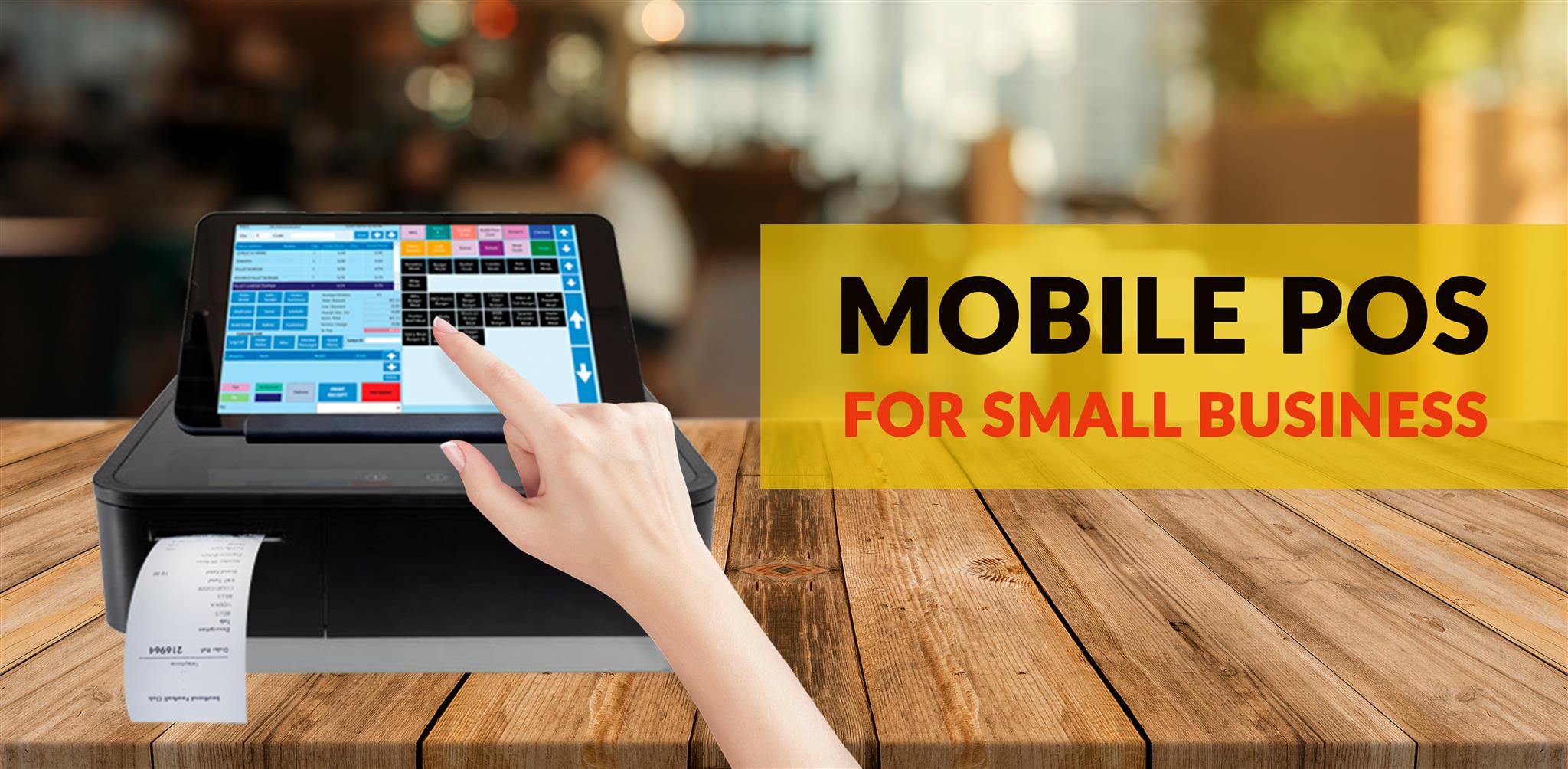
Ordering, paying and receiving food is easier than ever for your customers. Employees can breeze through punching in order options and modifications with the help of an intuitive touch screen interface. The mPOS accepts payment and allows easy rewards disbursement, tipping, and electronic receipts.
Enable your staff to make more sales:
With the help of mPOS terminal your employees are no longer tied to the register. At restaurants, wait staff can process cards instantly tableside rather than taking extra time to turn over a table. In retail shops, customers can purchase anywhere in the store, sales reps giving them the opportunity to find customers on the verge of making a purchase and helping them go through -
 Read more
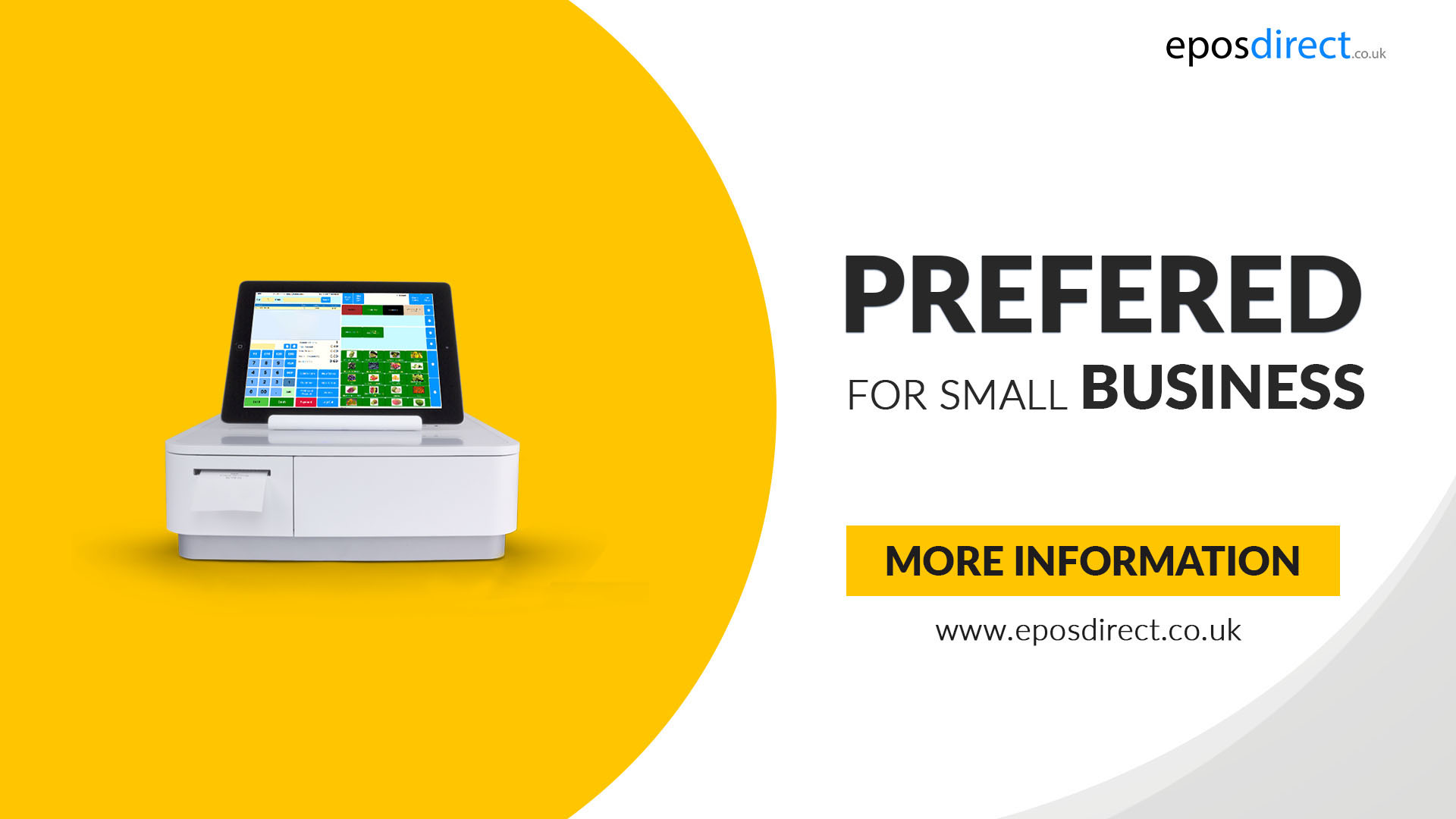
The most prevalent business software for retail and hospitality would be cloud-based point of sale systems that typically run on iPads, tablets and web browsers.
These new EPOS systems far outperform conventional legacy POS setups, and in real time are capable of managing multiple till systems. They apply bespoke promotions and generating in-depth reporting.
These POS applications became popular in the year 2010 and were the first in a new generation of software. As the technology moved quickly, some of the apps have hard time keeping up.
Business owners are now realizing the limitations of software as many mPOS systems are limited to only one business function.
Say No to Integration
A business is a combination of many parts both front end and back end and require systems to manage and control properly.
Single purpose software like POS is only able to run point of sale. -
 Read more
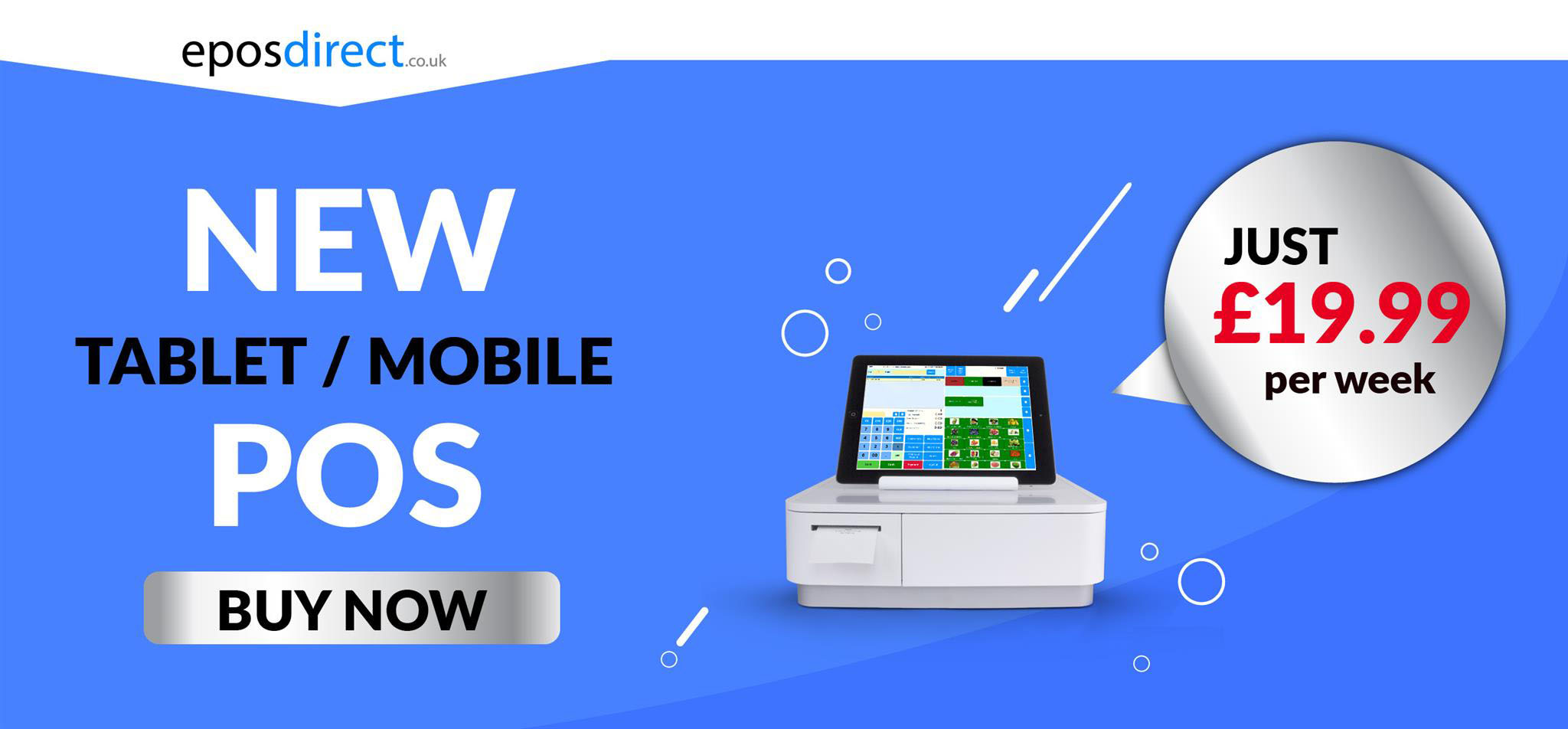
There are many advantages of mobile POS to small businesses besides effectiveness. Their versatility, user friendliness and environmental capabilities are attracted by most of the entrepreneurs. While considering a mobile POS system one should also consider a handful of downsides such as insecurity, durability and cost.
Pros
As technology is changing continuously and to hold their paying audience, businesses need to stay with the times or better yet to accurately predict the future. Because of the gaining popularity of Mobile POS systems it is possible that they will be the only POS option in coming years. Thanks to the gaining popularity of the advantages they are offering over traditional systems.
1) Versatility
Traditional POS systems have unique and expensive equipment or bulky programs. Conversely mPOS systems are robust, offering businesses solutions for processing transactions such as card payments, customer database,
Recent Posts