We use cookies to make your experience better.
To comply with the new e-Privacy directive, you agree to the privacy policy and our use of cookies


How to Choose and Buy a Card Payment Machine for Your Business
How to Buy the Right Card Payment Machine for Your Business
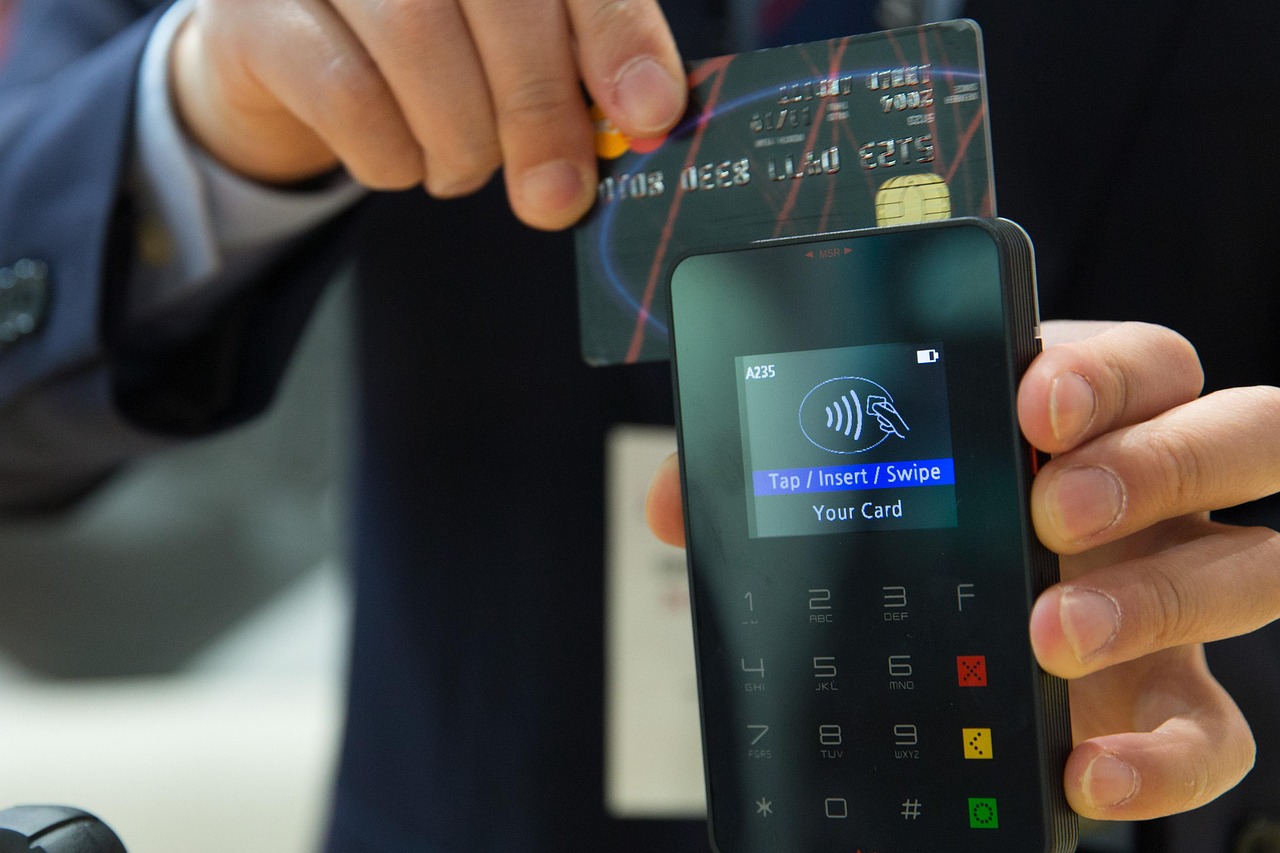
Choosing the right card payment machine is one of the most consequential purchasing decisions a UK business owner makes — it touches every transaction, every customer interaction, and your bottom line. The good news: the market has matured enormously, and whether you run a busy high-street shop, a mobile catering unit, or a multi-site restaurant group, there is a solution precisely matched to your setup. This guide walks you through every decision point, from machine type and key features through to pricing, contracts, and going live.
Written by the EPOS Direct UK team, who work with independent retailers, hospitality operators, and service businesses across the United Kingdom every day.
What Types of Card Payment Machine Are Available for UK Businesses?
The UK card payment market offers four principal machine categories. Understanding the differences upfront saves you from expensive mismatches later.
- Countertop terminals — Fixed, wired machines that connect via Ethernet or broadband. Ideal for high-volume, queue-based environments such as supermarkets, pharmacies, and busy till points. They offer the most reliable connection and the fastest transaction throughput.
- Portable (cordless) machines — Communicate over Wi-Fi or DECT, typically reaching 50–100 metres from their base unit. Perfect for table-side payment in restaurants, pubs, and salons where taking the machine to the customer is standard.
- Mobile card readers — Connect over 4G/5G via a SIM or pair with a smartphone via Bluetooth. Essential for market traders, delivery drivers, pop-up retailers, and any business operating away from a fixed premises.
- Integrated payment terminals — Physically and digitally connected to your EPOS till, passing basket totals automatically to the payment device and reconciling data in real time. This is the gold standard for accuracy and speed at any permanent retail or hospitality site.
For a deeper look at wireless options specifically, the guide to the best wireless card machines for small businesses in the UK covers the nuances of portable and mobile formats in detail.
Countertop vs Portable vs Mobile: Which Machine Suits Your Setup?
The single most useful question to ask yourself is: does the payment device come to my customer, or do customers come to the device?
| Business Type | Recommended Format | Why It Fits | Key Consideration |
|---|---|---|---|
| High-street retail shop | Countertop or integrated terminal | Fixed queue, consistent broadband, high volume | EPOS integration eliminates manual entry errors |
| Restaurant / pub / café | Portable (cordless) | Table-side payment improves speed and security | Check DECT range covers your floor plan |
| Market stall / mobile trader | Mobile (4G/SIM-based) | No fixed broadband; operates anywhere with signal | Battery life and SIM data costs matter |
| Salon / spa / clinic | Portable or countertop | Payments taken at reception or treatment room | PIN-entry privacy for customers |
| Events / festivals | Mobile or multi-unit portable | Variable locations, surge demand | Offline mode capability is critical |
| Multi-till retail / hospitality | Integrated terminals at each till point | Centralised reporting, inventory sync, reduced shrinkage | Requires compatible EPOS platform |
How Much Does a Card Payment Machine Cost in the UK?
Pricing in this market has three distinct layers: the hardware, the payment processing fees, and any ongoing software or rental costs. Indicative ranges below reflect typical UK market conditions — always request a personalised quote before committing.
Hardware costs
- Entry-level mobile card readers — typically from around £20–£60 as a one-off purchase, often subsidised when you sign up with a processor.
- Mid-range portable or countertop terminals — generally fall between £100 and £300 outright, or available on rental from approximately £15–£30 per month.
- Integrated EPOS terminals with card payment built in — full hardware bundles typically range from £300 upwards for a single till point; multi-site deployments scale accordingly.
Transaction fees
Most UK processors charge a percentage of each transaction, a flat fee per transaction, or a blended rate combining both. Consumer debit card rates have fallen significantly since the FCA and PSR began regulating interchange. Typical blended rates for small businesses currently sit somewhere between 1% and 2.5% per transaction, though businesses with higher monthly volumes can negotiate lower rates. If keeping monthly fixed costs low is your priority, explore the options outlined in our guide to card machines with no monthly fee.
Contract structure
Rolling monthly agreements offer maximum flexibility but sometimes carry slightly higher per-transaction rates. Fixed-term contracts (typically 12–36 months) generally unlock better rates and bundled support. Calculate your expected monthly card turnover and model both scenarios before signing anything.
What to Look for in a Payment Machine: Key Features Explained
Beyond the format decision, these are the features where real-world experience shows the biggest differences in day-to-day operations.
Accepted payment methods
At minimum, your machine must accept chip-and-PIN, contactless (including Apple Pay and Google Pay), and magnetic stripe. American Express acceptance is worth enabling if your customer profile includes corporate or travel spend. Check explicitly — not all processors enable Amex by default.
Contactless limits and transaction caps
The UK contactless limit was raised to £100 per transaction in 2021. Confirm your device and processor support this limit; older terminals may need a firmware update or replacement to comply.
Receipt options
Thermal printing remains standard, but digital receipts via SMS or email reduce consumables costs and are increasingly preferred by consumers. Some integrated EPOS solutions can route receipts directly from the till software, bypassing the need for a separate printer on the card terminal itself.
Connectivity resilience
Look for machines that offer dual connectivity — for example, Wi-Fi with automatic 4G failover — or that can store and forward transactions during brief outages. Downtime at the payment point directly costs you sales.
Security and compliance
All legitimate UK payment terminals must be PCI DSS compliant. Verify that any device you purchase or lease carries current PCI PTS certification. Your payment provider should provide documentation; if they cannot, walk away.
How Card Payment Machines Integrate with Your EPOS System
A standalone card machine that requires manual amount entry is a source of errors, queue friction, and reconciliation headaches. Integration — where your EPOS till pushes the basket total directly to the payment terminal — eliminates all three problems simultaneously.
When an integrated system is running well, the cashier presses "Charge" on the till, the terminal displays the exact amount, the customer taps or inserts their card, and the confirmed payment status flows back into the EPOS in real time. End-of-day reconciliation is automatic. Staff cannot inadvertently charge the wrong amount. Refunds are processed cleanly back through the original payment method.
This is why the choice of card machine and EPOS system should be made together, not separately. Our comprehensive guide to combining a card machine and till system explains the integration architecture in full, including what questions to ask vendors before purchase.
For retailers specifically, the guide to the best EPOS systems for clothing shops illustrates how integrated payment works within a fashion retail context — relevant to any product-based retail environment.
If you would like to see integrated payment in action before committing, you can book a retail EPOS software demo or, for hospitality operators, a restaurant EPOS software demo with the EPOS Direct UK team.
How to Choose a Payment Provider: Transaction Fees, Contracts and Support
The payment terminal hardware is only part of the equation. The provider relationship — the organisation that processes your transactions and deposits funds into your account — has equal long-term importance.
Questions every business owner should ask a potential provider
- What is the settlement timeline? Most UK providers settle within one to three business days. Some fintech processors offer next-day or even same-day settlement, which matters significantly for cash-flow-sensitive businesses.
- What are the chargeback and dispute procedures? Chargebacks cost time and sometimes money. Ask how disputes are managed and what support you receive during the process.
- What does technical support look like? A payment terminal failure during a busy Saturday afternoon is not a Monday morning problem. Confirm support hours, response times, and whether a replacement terminal can be dispatched rapidly if yours fails.
Fee transparency
Insist on a full written breakdown of every fee: transaction percentage, authorisation fees, monthly rental, PCI compliance fees, minimum monthly charges, and early termination penalties. Some providers present an attractively low headline rate and recoup margin through ancillary charges. A thorough fee schedule comparison across two or three providers before signing is time very well spent.
Small businesses with modest card turnover may find that providers offering simple flat-rate pricing — with no monthly minimum — are the most cost-effective entry point. Larger or growing businesses typically benefit from negotiated interchange-plus pricing as their volume grows.
How to Get Started: Ordering Your Card Machine and Going Live
The practical steps between deciding to purchase and taking your first card payment are more straightforward than many business owners anticipate.
- Assess your environment — connectivity (broadband, Wi-Fi, 4G coverage), counter space, whether you serve customers at a fixed point or table-side, and your expected monthly card turnover.
- Choose your EPOS approach — decide whether you need a standalone terminal or a fully integrated EPOS and payment solution. For most permanent retail or hospitality sites, integration pays back its modest additional cost very quickly in accuracy and efficiency gains. The guide to the best till systems for small businesses is a useful complement to this article if you are also evaluating your till setup.
- Request demonstrations — never purchase a payment or EPOS solution without seeing it in action. A live demo reveals the user interface, the speed, and the quality of the software that written specifications rarely convey honestly.
- Compare provider contracts carefully — use the criteria above. Prioritise settlement speed, support availability, and a clean fee schedule over a headline transaction rate alone.
- Plan your go-live — schedule installation or setup during a quieter trading period. Ensure all staff are trained before the machine goes live, and test end-to-end with a small real transaction before opening.
For businesses evaluating their wider EPOS and payment infrastructure simultaneously, the complete guide to EPOS systems for small businesses provides a useful broader framework, and the EPOS Direct UK home page brings together current offers and further information across the full product range.
Bringing It All Together
The right card payment machine for your business is one that matches your physical environment, integrates cleanly with your till or EPOS software, comes backed by a provider whose fees and support terms you have verified in writing, and is capable of growing with your business. Hardware format, integration depth, and the provider contract are the three pillars; weigh all three before committing to any single element.
EPOS Direct UK works with businesses across retail, hospitality, and specialist sectors to match them with card payment and EPOS solutions that genuinely fit. To explore your options with no obligation, talk to an expert online, request a free demonstration, or request a call back and a member of the team will be in touch at a time that suits you.
Frequently asked questions
- How much does a card payment machine cost for a small UK business?
- In the UK, entry-level portable card terminals typically cost between £15 and £30 per month on a rental agreement, or £150 to £300 to purchase outright. Countertop machines integrated with an EPOS system usually range from £200 to £500 to buy. On top of the hardware, you will pay transaction fees, which generally run between 0.3% and 1.75% per transaction depending on your provider and monthly turnover. Some providers also charge a monthly service fee of £5 to £20. Always compare the total cost of ownership, not just the upfront price.
- Do I need a separate card machine if I already have an EPOS till?
- Not necessarily. Many modern EPOS systems, including those supplied by EPOS Direct, support integrated card payment terminals that communicate directly with your till software. This means sales are automatically reconciled, reducing manual entry errors and speeding up the checkout process. If your current till system supports payment integration, buying a compatible terminal is usually more efficient than running a standalone machine alongside it.
- Can I get a card machine with no long-term contract?
- Yes. Several UK payment providers offer pay-as-you-go or rolling monthly arrangements with no fixed long-term contract, though these often come with slightly higher transaction rates. If you process a high volume of transactions, a 12 or 24-month agreement typically offers lower fees and can work out cheaper overall. It is worth calculating your average monthly card takings before committing to any contract length.
