We use cookies to make your experience better.
To comply with the new e-Privacy directive, you agree to the privacy policy and our use of cookies

How to Choose and Buy the Right Till System for Your Shop
How to Choose and Buy the Right Till System for Your Shop
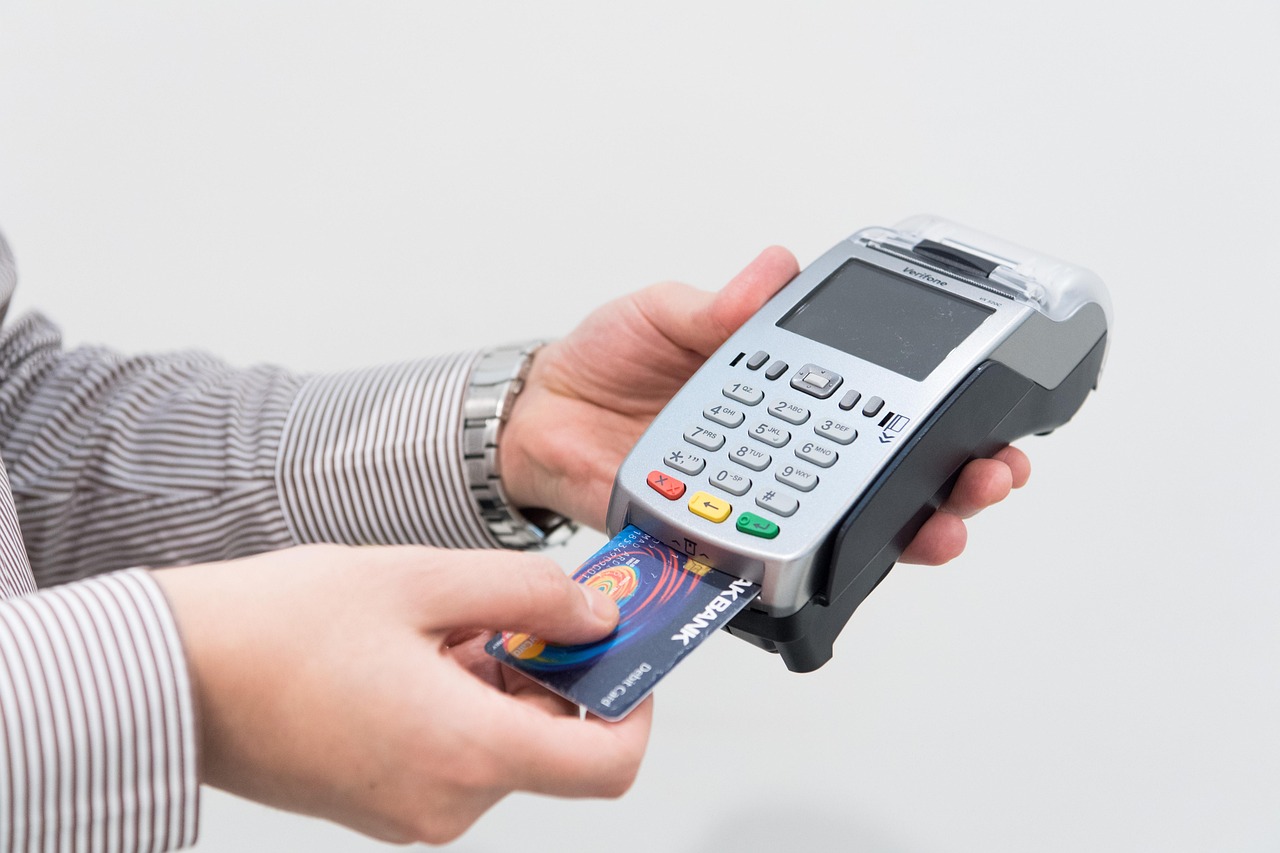
Choosing the right till system is one of the most consequential decisions a UK retailer makes — it shapes how quickly you serve customers, how accurately you manage stock, and how confidently you grow. The good news is that modern EPOS technology has made it easier than ever to find a solution precisely matched to your shop's size, sector and ambition. This guide walks you through everything you need to know before you invest, from understanding the types of system available to the total cost of ownership and what genuinely separates a good deployment from a great one.
What Is a Till System and Do You Really Need One?
A till system — more accurately described as an EPOS (Electronic Point of Sale) system — is the combination of hardware and software that processes your sales transactions, manages your inventory, records customer data and generates the reporting that drives smarter business decisions. At its simplest, it replaces a cash drawer and receipt roll with a touchscreen terminal, integrated card payment, and a back-office dashboard you can access from anywhere.
If you are currently running a manual till or a basic cash register, the honest answer to whether you need to upgrade is almost certainly yes. Shrinkage caused by untracked stock, slow queues during peak hours, and the absence of sales data are silent costs that accumulate quickly. Even a single-person independent shop benefits enormously from knowing which ten products drive 60% of revenue and which lines are silently draining working capital.
EPOS systems are also now central to UK compliance requirements around VAT reporting and Making Tax Digital, so accurate electronic records are less a luxury and more a baseline expectation. For an accessible entry point to what different systems offer, the practical buyer's guide to till systems for small businesses covers the fundamentals clearly.
Types of Till Systems Available for UK Shops
Not all EPOS systems are built for the same environment. Understanding the broad categories saves you from purchasing hardware that does not fit your floor plan, or software that lacks the features your sector demands.
Traditional Counter-Based EPOS Terminals
The classic fixed-terminal setup — a robust touchscreen unit, integrated receipt printer, barcode scanner and cash drawer — remains the workhorse of UK high-street retail. It is reliable, easy for staff to learn, and quick to transact. Most setups run proprietary or Windows-based software and connect to a back-office server or the cloud.
Tablet and iPad-Based POS
Tablet POS systems use consumer-grade hardware running cloud software via an app. They are popular with independent boutiques, pop-up shops and market traders because of their lower upfront hardware cost and portability. The trade-off is that tablet hardware is less durable in high-throughput environments and may require more frequent replacement.
All-in-One EPOS Units
Purpose-built all-in-one terminals integrate the screen, printer and payment terminal into a single countertop unit. They offer a cleaner aesthetic, fewer cables and easier maintenance — ideal for gift shops, pharmacies and specialist retailers where counter space is limited.
Mobile and Wireless POS
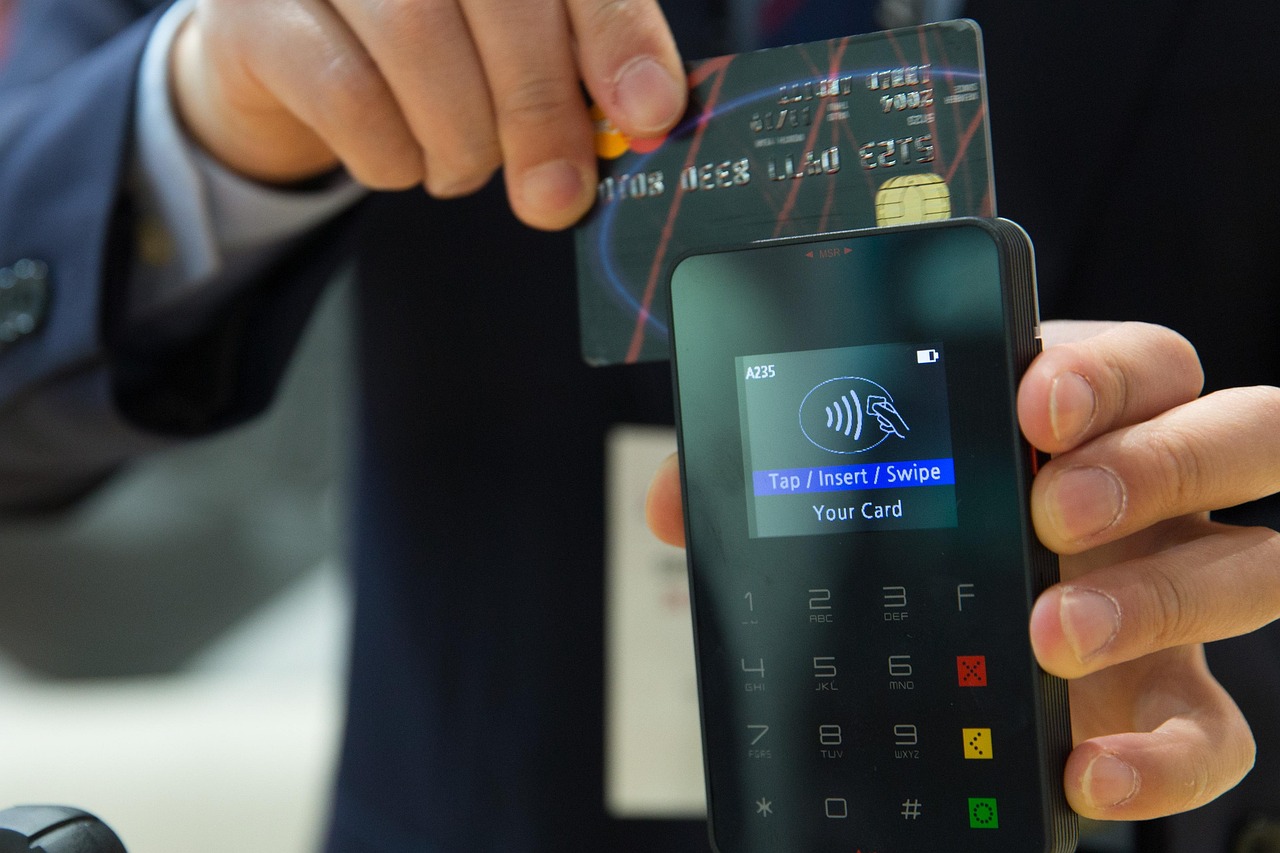
For shops that need to take payments on the shop floor, in a fitting room, at a market stall or during a home visit, a wireless handheld terminal paired with cloud EPOS software gives full sales and stock functionality away from a fixed counter. Our guide to the best wireless card machines for small businesses explores the payment hardware side of this in detail.
Key Features to Look for Before You Buy
The feature list on any system brochure is long. These are the capabilities that genuinely matter to UK shop owners at the point of purchase:
- Inventory management: Real-time stock tracking, low-stock alerts and the ability to handle variants (size, colour, weight) are non-negotiable for product-led retail.
- Integrated card payments: A single system that handles cash and card — including contactless and mobile wallets — reduces end-of-day reconciliation errors and speeds up service. The complete guide to combined card machines and till systems explains exactly how integration works.
- Reporting and analytics: Hourly sales, best-sellers, staff performance and margin reporting are what turn raw transactions into business intelligence.
- Customer loyalty and CRM: Loyalty points, purchase history and email capture directly inside the till help independent shops compete with chain retailers.
- Multi-location support: If you plan to open a second site, confirm whether the software handles multiple locations from one account before you commit.
- Offline mode: Any cloud system worth deploying in a UK shop must continue processing transactions if your broadband drops — look for local caching as a confirmed feature.
- Sector-specific features: A clothing retailer needs matrix stock management; a pharmacy needs age-verification prompts and prescription tracking. Explore our guide to EPOS systems for clothing shops if fashion retail is your sector.
How Much Does a Till System Cost in the UK?
Pricing varies significantly based on hardware specification, software features and whether you choose an outright purchase or a monthly subscription model. The table below gives honest indicative ranges typical for the UK market — treat these as planning benchmarks, not quotes.
| Solution Tier | Best For | Typical Hardware Cost | Typical Software Cost | Notes |
|---|---|---|---|---|
| Entry-level tablet POS | Market traders, pop-ups, solo operators | From £150–£400 (tablet + stand + reader) | From £15–£30/month | Lower upfront; hardware not built for heavy use |
| Mid-range all-in-one terminal | Independent shops, boutiques, gift stores | From £500–£900 per terminal | From £30–£70/month | Best balance of cost and durability for most retailers |
| Full retail EPOS suite | Multi-staff shops, clothing, pharmacies | From £800–£1,500+ per terminal | From £50–£120/month | Includes advanced stock, CRM, multi-location |
| Enterprise / multi-site | Small chains, franchises | Quoted per project | From £100+/month per site | Custom integration, dedicated account management |
Installation, staff training and ongoing technical support are sometimes bundled and sometimes charged separately — always confirm what is included before signing. For a deeper breakdown of budget-friendly options, our guide to the most affordable EPOS systems for small businesses is a useful reference. If avoiding monthly software fees is a priority, explore options in our guide to card machines with no monthly fee.
Cloud-Based vs Traditional EPOS: Which Is Right for Your Shop?
This is the question most shop owners wrestle with longest, and the answer depends on three things: your technical confidence, your internet reliability, and the depth of functionality you need.
| Factor | Cloud-Based EPOS | Traditional (Server-Based) EPOS |
|---|---|---|
| Upfront cost | Lower — software is subscription | Higher — one-off licence fee typical |
| Data access | Anywhere, any device, real-time | On-site only unless VPN configured |
| Updates | Automatic, included in subscription | Manual, often chargeable |
| Internet dependency | Requires broadband (offline mode essential) | Fully independent of internet |
| Scalability | Add terminals or sites instantly | Requires additional server configuration |
| Long-term cost | Ongoing monthly fees accumulate | Lower over 5+ years if needs stay static |
For most independent and growing UK retailers today, cloud EPOS is the right starting point — the flexibility, remote visibility and automatic updates outweigh the subscription cost for a business that is actively managing and growing. For a comprehensive breakdown of both approaches, the complete 2026 guide to EPOS systems for small businesses covers this decision in full. You can also explore EPOS Direct's own software platform to see a live example of what a modern cloud EPOS dashboard looks and feels like — or book a retail EPOS software demo to see it handling real retail scenarios.
What to Expect During Setup, Training and Ongoing Support
One of the most overlooked aspects of buying an EPOS system is what happens after delivery. A system that is misconfigured at launch, or one whose features staff never learn to use, will never deliver its potential return on investment.
Installation
Professional installation typically covers hardware setup, network configuration, integration with your payment terminal, and the import of your existing product catalogue and pricing. For shops with large SKU counts, allow time for a careful data-import process — rushing this stage is the most common cause of post-launch stock discrepancies.
Training
Front-of-house staff need to be comfortable processing sales, applying discounts, handling refunds and running end-of-day reports before you go live. Managers need deeper training on stock management, reporting and user permissions. Reputable EPOS suppliers provide structured training sessions — and good ones offer refresher sessions as features evolve.
Ongoing Support
Confirm the support hours before you buy. A shop that trades on a Saturday afternoon needs to know whether a support engineer is reachable if the system develops a fault. Look for UK-based telephone support, a clear SLA for response times, and access to a knowledge base or video library for self-service troubleshooting. If your questions are specific and time-sensitive, you can talk to an EPOS Direct expert online without any obligation.
Why UK Retailers Choose EPOS Direct for Their Till Systems
EPOS Direct has been supplying and supporting EPOS systems for UK businesses across retail, hospitality, pharmacy and specialist sectors for many years. The combination of purpose-built hardware, proprietary software and UK-based support in a single supplier relationship is what distinguishes the EPOS Direct proposition — there is no finger-pointing between a hardware vendor and a separate software developer when something needs resolving.
Retailers benefit from sector-specific software built around real UK trading requirements, including VAT handling, Making Tax Digital compatibility, and payment processing integrations with leading UK acquirers. The hardware range spans entry-level terminals through to full multi-terminal retail suites, and every system is configured and tested before dispatch.
For more information on the full range of solutions and current promotions, visit the EPOS Direct home page. For sector-specific EPOS information and a deeper look at the full platform, the complete guide to EPOS Direct's EPOS and POS systems is a useful starting point.
Hospitality businesses — including cafés, restaurants and quick-service operators — can view current hospitality EPOS offers, while retailers can explore retail-specific EPOS packages with pricing tailored to shop environments.
Ready to Find the Right System for Your Shop?
The right EPOS system pays for itself in staff time saved, stock losses prevented, and decisions made faster with better data. Whether you are an independent boutique, a busy pharmacy or a multi-location retailer, EPOS Direct has a solution configured for your exact requirements.
Request a free demo to see the system in action with your own product types, or request a call back from the EPOS Direct UK team — experts who work with UK shop owners every day and understand the practical realities of trading on the high street and beyond.
Written by the EPOS Direct UK team, who support independent retailers, multi-site operators and specialist businesses across the United Kingdom with EPOS and POS systems every day. Pricing ranges quoted in this article are indicative of the UK market and are provided for planning purposes only — contact EPOS Direct for an accurate quote based on your specific requirements.
Frequently asked questions
- How much does a till system typically cost for a small UK shop?
- Costs vary depending on your requirements. A basic entry-level EPOS till system for a single retail outlet in the UK typically starts from around £300 to £600 for hardware (touchscreen terminal, receipt printer, cash drawer). Software subscriptions can range from £20 to £60 per month depending on features. All-in-one bundles from suppliers like EPOS Direct often offer better value, with complete starter packages available from around £500 to £1,200 including software setup and support.
- Can I use a till system if I'm not very tech-savvy?
- Absolutely. Modern EPOS till systems are designed with simplicity in mind. Most feature intuitive touchscreen interfaces that staff can learn within an hour. Reputable suppliers like EPOS Direct also provide hands-on training, remote support and setup assistance so you are never left to figure things out alone.
- What is the difference between a basic cash register and a proper EPOS till system?
- A cash register simply records sales and stores cash. A full EPOS till system does much more — it tracks stock levels in real time, generates sales reports, manages customer data, integrates with card payment terminals, and can even connect to an online store. For any growing UK retail shop, an EPOS system saves significant time and helps you make smarter business decisions.
