We use cookies to make your experience better.
To comply with the new e-Privacy directive, you agree to the privacy policy and our use of cookies


How to Choose the Right Card Payment Machine for Your Business
Card Payment Machine Buying Guide: Everything UK Businesses Need to Know
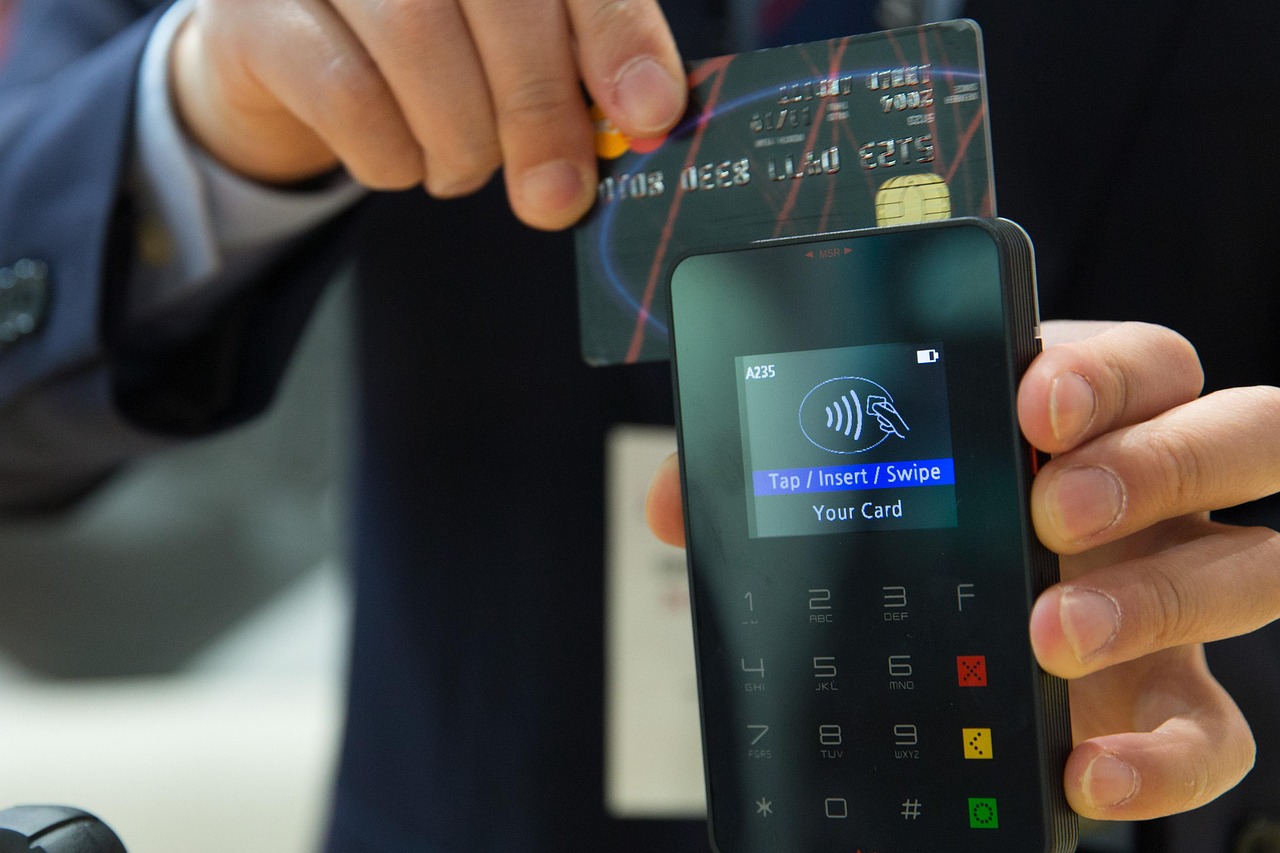
Choosing the right card payment terminal is one of the most consequential decisions a UK business owner makes — it shapes every customer interaction, affects your margins through transaction fees, and determines how seamlessly your payments connect to the rest of your operations. This guide cuts through the complexity, covering machine types, essential features, realistic costs, and the critical differences between standalone terminals and fully integrated EPOS systems, so you can make a confident, well-informed choice. Whether you run an independent café, a multi-site retail group, or a busy hospitality venue, you'll find clear, practical guidance here from the EPOS Direct UK team, who work with UK businesses across every sector every day.
Types of Card Payment Machines Available in the UK
Not all card terminals are the same, and matching the machine type to your trading environment is the first decision to get right.
Countertop Terminals
The classic fixed terminal, typically connected via Ethernet or broadband. Best suited to fixed service points such as retail checkout counters, front-of-house desks, and pharmacies. They are generally the most stable and cost-effective option where staff never need to take payment away from the till.
Portable (Wi-Fi) Terminals
Connected via Wi-Fi, these machines let staff move freely within the premises — ideal for table-side payment in restaurants, market stalls with reliable indoor Wi-Fi, or warehouse trade counters. If portability is a priority, our detailed guide to the best wireless card machines for small businesses in the UK covers the top options in depth.
Mobile (SIM/4G) Terminals
Built around a mobile data SIM, these work anywhere with a mobile signal — markets, festivals, mobile traders, and delivery drivers. They carry a slightly higher per-transaction cost in some pricing models but eliminate the dependency on venue Wi-Fi.
EPOS-Integrated Card Readers
Rather than a standalone device, an integrated card reader communicates directly with your EPOS software, automatically pulling the transaction amount from the till and pushing the payment result back, removing manual re-entry and reconciliation errors. This is the preferred route for any business running meaningful volume. Explore how a combined card machine and till system works to understand the full picture.
Key Features to Look for in a Card Payment Terminal
- Contactless & NFC support: All UK terminals should accept contactless Visa, Mastercard and Apple Pay/Google Pay as a minimum. Verify the contactless limit compliance is current with UK Finance guidance.
- EMV chip & PIN: A regulatory baseline in the UK — any compliant terminal will support this, but confirm PCI DSS compliance documentation before signing any agreement.
- Receipt options: Printed, emailed, or SMS receipts. Email and SMS reduce paper costs and support CRM data capture.
- Battery life: For portable and mobile units, look for a full trading-day battery (eight hours or more) under realistic load.
- Software integration: Can the terminal connect directly to your EPOS platform via an API or certified integration? This single feature separates a productive payment setup from a friction-heavy one.
- Reporting dashboard: End-of-day Z-reports, settlement summaries, and the ability to reconcile against your EPOS are non-negotiable for any serious business.
- Multi-currency & DCC: Relevant for tourist-facing businesses — dynamic currency conversion can be a modest additional revenue stream.
How Much Does a Card Payment Machine Cost in the UK?
Costs vary considerably depending on hardware type, payment provider, and whether the terminal is bundled with an EPOS package. The table below gives honest indicative ranges based on typical UK market conditions — treat these as guidance, not quotes, as your actual costs depend on transaction volumes, business type, and the specific agreement you negotiate.
| Solution Type | Typical Hardware Cost | Typical Monthly Fee | Typical Transaction Rate | Best For |
|---|---|---|---|---|
| Pay-as-you-go reader (SumUp-style) | Typically from £19–£39 (one-off) | None | Approx. 1.69%–1.75% per transaction | Very low-volume or occasional traders |
| Standalone countertop terminal (contract) | Often included or from £99 | Typically £15–£30/month | Approx. 0.3%–1.2% (interchange-plus models) | Fixed-location SMEs with moderate volume |
| Portable/mobile terminal (contract) | Often included or from £99–£199 | Typically £20–£40/month | Approx. 0.3%–1.2% | Hospitality, markets, mobile traders |
| EPOS-integrated terminal (bundled) | Included in EPOS package or from £150 | Typically £30–£80/month (includes EPOS software) | Negotiated rates, often lower at volume | Retail & hospitality businesses needing a joined-up system |
If avoiding recurring fees is a priority, read our guide to card machines with no monthly fee — but be aware that zero-monthly-fee products typically recoup cost through higher per-transaction percentages, which can be more expensive at volume.
Standalone Terminal vs Integrated EPOS System: Which Is Right for You?
This is the question most business owners eventually land on, and the answer hinges on volume and ambition.
A standalone terminal processes payments competently but sits in isolation — staff must manually key the sale amount, and end-of-day reconciliation means cross-referencing two separate systems. For a sole trader taking occasional payments, that is perfectly workable. For a business processing dozens or hundreds of transactions daily, it introduces meaningful error risk and staff time cost.
An integrated EPOS system unifies your stock management, sales reporting, staff management, and card payments into one ecosystem. The till sends the charge directly to the terminal; the payment result updates your records automatically. The operational benefit compounds at scale. Our guide to the best EPOS systems with integrated card payments in the UK explores the leading options available right now, and our complete small business EPOS guide covers the full decision-making framework if you are starting from scratch.
Understanding Transaction Fees, Contracts and Hidden Charges
Payment processing agreements are where buyers most frequently encounter unpleasant surprises. Understand these before you sign anything.
Fee Structures
- Flat-rate percentage: Simple and predictable — the same percentage applies to every transaction regardless of card type. Common with pay-as-you-go providers.
- Interchange-plus (cost-plus): You pay the card scheme's wholesale interchange rate plus a fixed processor margin. Generally more transparent and advantageous at higher volumes.
- Blended rate: An averaged rate across card types — simpler than interchange-plus but potentially less competitive for businesses with a favourable card mix.
Charges to Scrutinise
- Monthly minimum usage fees (charged if your transaction volume falls below a threshold)
- PCI DSS non-compliance fees (charged if you do not complete annual compliance questionnaires — avoidable with organisation)
- Chargeback fees per disputed transaction
- Early termination fees on long-term contracts (18–48-month terms are common; check the exit cost)
- Authorisation fees (a small per-transaction fixed fee on top of the percentage)
- Terminal rental vs purchase — understand the total cost of ownership over the contract term
Always request the full schedule of charges in writing before committing. If anything is vague, ask for clarification — a reputable provider will be transparent.
Top Considerations for Retail vs Hospitality Businesses
The right setup looks meaningfully different depending on your sector.
Retail
Retail operations benefit most from a countertop terminal tightly integrated with stock management — every card sale should automatically decrement inventory. Barcode scanning speed, end-of-day cash and card reconciliation, and multi-till scalability across branches are the critical capabilities. If you are evaluating the broader till setup, our guide to the best till systems for small UK businesses is a useful companion read. You can also explore our retail EPOS offers or request a retail EPOS software demo to see exactly how it works in practice.
Hospitality
Restaurants, cafés, and bars have specific requirements: table management, split-bill functionality, pay-at-table via portable terminals, kitchen display integration, and cover tracking. Tableside payment — where the terminal travels to the customer rather than the other way around — is now an expectation in most full-service venues, not a luxury. For sector-specific pricing and packages, view our hospitality and restaurant EPOS offers, or book a restaurant EPOS software demo to see the workflow live.
Specialist Sectors
Pharmacies, health and beauty businesses, and other regulated or appointment-based environments have additional considerations around product-level reporting, age verification prompts, and patient privacy. If your business falls into this category, a pharmacy EPOS software demo will show you how a purpose-built system handles those requirements.
Practical Questions Buyers Should Ask Before Choosing
- Does the terminal integrate directly with my EPOS software, or will staff need to re-enter amounts manually? Manual re-entry is a common source of error and staff frustration — always verify native integration before committing.
- What happens if the internet goes down? Some terminals can store transactions offline and process them once connectivity is restored. For businesses in locations with patchy connectivity, offline mode is not optional.
- What is the true total cost over the contract term? Add up monthly fees, transaction fees at your expected volume, any minimum charges, and the cost of exit if things change. A lower headline rate with a punitive exit clause is rarely the better deal.
How to Get Started with Card Payments Through EPOS Direct
EPOS Direct works with UK businesses across retail, hospitality, pharmacy, and specialist sectors to design payment and EPOS setups that genuinely fit — not off-the-shelf configurations that leave gaps. The starting point is always understanding your specific trading environment: footfall, average transaction value, staffing model, and your existing or planned software stack.
For businesses that want to see the software before committing to anything, requesting a free demo is the fastest route to an informed decision. If you have specific questions about which terminal or EPOS configuration fits your business, you can talk to an expert online without any obligation. Alternatively, if you'd prefer to speak by phone, request a call back and a member of the team will be in touch at a time that suits you.
For a broader overview of the full EPOS Direct product range — including software, hardware, and sector-specific bundles — visit our complete guide to EPOS and POS systems for UK businesses, or browse our most affordable EPOS systems for small businesses if budget is the primary constraint right now.
The Bottom Line
The right card payment setup is not simply about accepting cards — it is about doing so efficiently, transparently, and in a way that supports your wider business operations. A standalone terminal might be the right answer for a very early-stage sole trader, but for any business with meaningful footfall or ambitions to grow, an integrated EPOS and payments solution will deliver a faster return and fewer operational headaches. Take the time to understand the full cost structure, verify integration compatibility, and choose a provider that offers genuine sector expertise rather than a one-size-fits-all contract.
EPOS Direct UK is here to help you make that decision with confidence. Request your free demo today and speak with a specialist who understands your industry.
Written by the EPOS Direct UK team, specialists in EPOS and POS systems for UK businesses across retail, hospitality, pharmacy and beyond.
Frequently asked questions
- What is the difference between a countertop, portable and mobile card machine?
- A countertop machine is fixed to a checkout desk and ideal for retail tills. A portable machine connects via Bluetooth and lets staff take payments tableside, making it popular in restaurants and cafés. A mobile card reader uses a SIM card or Wi-Fi and is suited to market traders, delivery drivers or pop-up vendors who need to accept payments anywhere with a signal.
- How much should I expect to pay for a card payment machine in the UK?
- Costs vary depending on the type and provider. A basic mobile card reader can cost as little as £19–£49 as a one-off purchase with no monthly fee, though transaction rates are typically higher at 1.5–2.75%. Mid-range countertop or portable terminals are often rented or leased at £15–£30 per month, with transaction fees around 0.5–1.5% for card-present payments. Integrated EPOS terminals that combine payment and till software may involve a one-off hardware investment of £300–£800 plus a monthly software subscription. Always compare the total cost of ownership, not just the upfront price.
- Do I need a separate card machine if I already have an EPOS system?
- Not necessarily. Many modern EPOS systems, including those from EPOS Direct, support integrated card payments, meaning the terminal and till communicate directly. This removes manual re-keying of amounts, speeds up checkout and reduces human error. If your current EPOS does not support payment integration, adding a standalone terminal is possible, but you may be duplicating work and missing out on consolidated sales reporting.
