We use cookies to make your experience better.
To comply with the new e-Privacy directive, you agree to the privacy policy and our use of cookies


Card Payment Machines Compared: Which Terminal Is Right for Your UK Business?
Card Payment Machine Comparison: Find the Best Terminal for Your UK Business
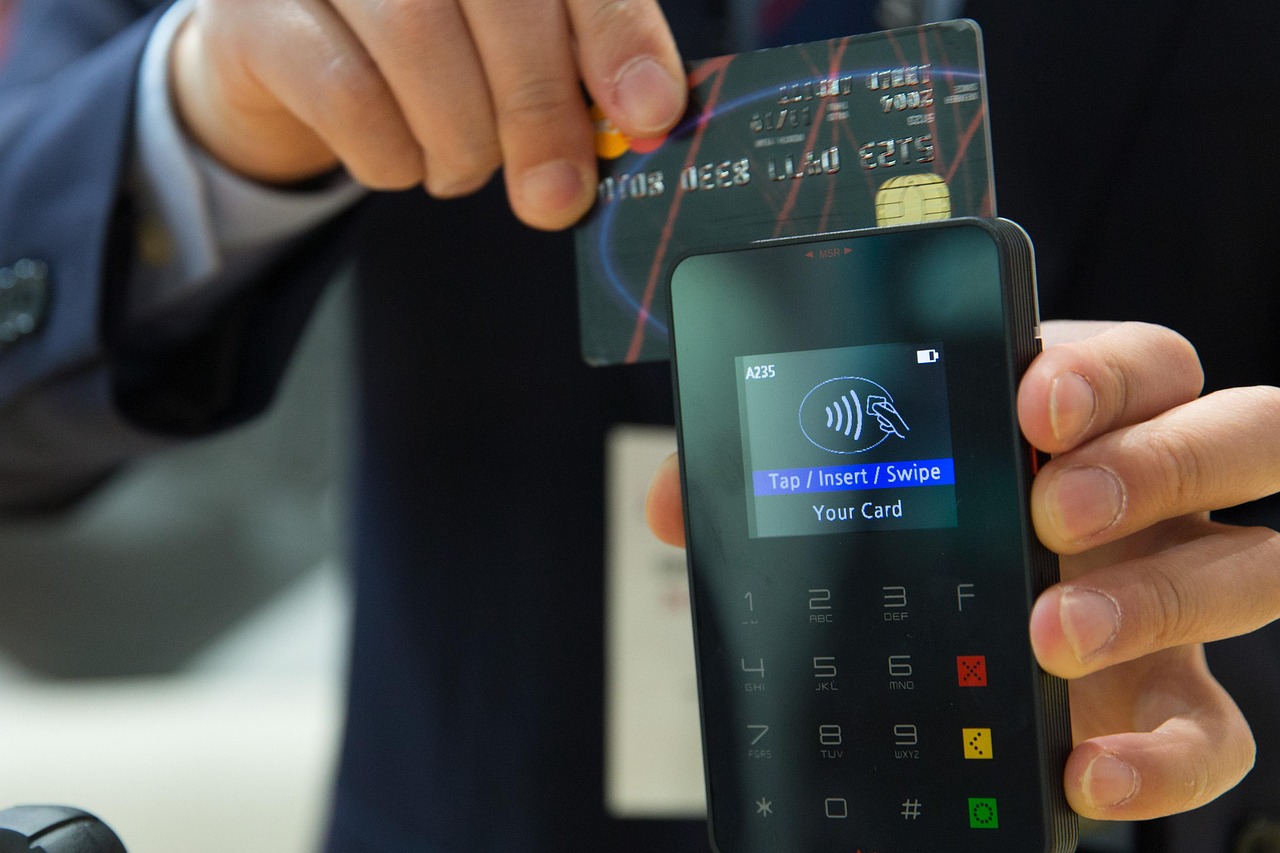
Choosing the right card payment terminal is one of the most commercially significant decisions a UK business owner makes — it affects every transaction you take, every customer interaction, and a meaningful slice of your monthly operating costs. The good news: once you understand the core differences between terminal types, fee structures, and integration options, the right solution becomes straightforward to identify. This guide gives you the practical framework to compare your options confidently, whether you run a busy high street shop, a café, or a mobile service business.
Types of Card Payment Terminals Available in the UK
Before comparing features or fees, it helps to understand that card payment hardware falls into three broad categories — each suited to a different operating environment.
Countertop Terminals
Fixed to a counter via a cable connection (typically Ethernet or broadband), countertop terminals are the workhorse of retail and hospitality environments with a defined service point. They offer the most reliable connectivity, typically the lowest hardware cost, and are ideal wherever customers come to you. Most support chip-and-PIN, contactless, and mobile wallet payments (Apple Pay, Google Pay).
Portable (Cordless) Terminals
These communicate via Wi-Fi or DECT and are designed for use within a premises — think tableside payment in a restaurant, or queue-busting in a busy shop. Battery life typically allows a full trading day on a single charge. If your team needs to take payment anywhere on your floor, a portable terminal is the natural fit. For a deeper look at wireless options, see our guide to the best wireless card machines for small businesses in the UK.
Mobile (SIM-Based) Terminals
Running on a 4G or 5G SIM, mobile terminals have no dependency on your premises' broadband — making them essential for market traders, tradespeople, delivery drivers, pop-up operators, and anyone who takes payment on the move. They are increasingly compact and capable, often running full Android-based software with receipt printing built in.
Key Features to Compare Before You Buy or Rent
Not all terminals are created equal. When evaluating hardware, pay attention to the following criteria — each has a real impact on day-to-day operations.
- Connectivity options: Does it support Ethernet, Wi-Fi, Bluetooth, and 4G? Flexibility matters if your setup might change.
- Screen size and interface: A larger colour touchscreen reduces training time and errors at the till.
- Receipt options: Built-in printer, digital receipts only, or both? Digital-only can slow throughput if customers frequently request paper.
- Battery life: For portable and mobile terminals, real-world battery performance (not marketing figures) under continuous use is critical.
- Payment acceptance: Confirm support for chip-and-PIN, contactless (including the UK's current contactless limit), Apple Pay, Google Pay, and Amex if you need it.
- Software ecosystem: Can the terminal integrate with your EPOS software, stock management, or accounting tools? A standalone terminal that cannot talk to your till creates double-entry and reporting gaps.
- Security certification: Look for PCI DSS compliance and devices certified to the relevant payment network standards (Visa, Mastercard). Your acquiring bank or payment processor will confirm requirements.
- Support and warranties: Next-business-day replacement and UK-based telephone support are worth paying a small premium for — a dead terminal on a Saturday afternoon is a serious revenue problem.
Transaction Fees and Contract Costs: What UK Businesses Actually Pay
One of the most common questions from business owners is simply: what will card payments actually cost me each month? The honest answer is that it depends on your turnover, average transaction value, and whether you choose a flat-rate or interchange-plus pricing model — but the following indicative ranges reflect the UK market in 2025.
Transaction Rates
- Flat-rate providers (common with pay-as-you-go terminals): typically 1.5% to 2.5% per transaction, with no monthly fee. Convenient for very low volumes, but expensive at scale.
- Negotiated merchant service rates (through a dedicated acquiring bank or ISO): consumer debit transactions often fall between 0.2% and 0.6%; consumer credit cards are typically higher. These rates require a contract but reward volume.
- Monthly terminal rental: typically £15 to £35 per terminal per month for standard countertop or portable hardware through a managed provider, depending on specification.
- Outright purchase: entry-level terminals are available from approximately £100 to £200; advanced Android-based models with large screens and integrated printing typically range from £250 to £500+.
Contract Terms to Watch
Many UK merchant services contracts run for 12, 18, or 36 months. Read the minimum monthly service charge clause carefully — some providers charge a floor fee even in quiet months. Early termination fees can be substantial. If you prefer to avoid ongoing commitments, our guide to card machines with no monthly fee covers the specific options available in the UK market. For a full breakdown of combined till and payment solutions, our article on card machine and till system combinations explores how bundled pricing can simplify costs.
Comparing Terminal Types: A Quick Reference
| Terminal Type | Best For | Connectivity | Typical Cost Indicator | Key Limitation |
|---|---|---|---|---|
| Countertop | Fixed retail tills, reception desks, bars | Ethernet / broadband | Lower hardware cost; reliable monthly rental | No mobility — tethered to a single point |
| Portable (Wi-Fi/DECT) | Restaurants, hospitality, larger retail floors | Wi-Fi or DECT (within premises) | Mid-range; slight premium over countertop | Dependent on premises' network quality |
| Mobile (4G/5G SIM) | Markets, tradespeople, pop-ups, delivery | Cellular (SIM-based) | SIM data costs add to monthly outgoings | Signal dependency in rural or basement locations |
| Integrated EPOS Terminal | Multi-function retail or hospitality operations | Ethernet / Wi-Fi / 4G depending on setup | Higher upfront; significant operational savings | Requires initial setup and staff training |
Standalone Terminals vs Integrated EPOS Systems: Which Delivers More Value?
A standalone card terminal takes payment — and that is largely all it does. An integrated EPOS system takes payment and simultaneously updates your stock levels, records the sale against a customer profile, feeds your end-of-day reporting, and triggers reorder alerts. For any business processing more than a handful of transactions daily, the operational case for integration is compelling.
Where Standalone Terminals Make Sense
- Sole traders or micro-businesses with very low transaction volumes
- Temporary or seasonal pop-up operations
- Businesses that already run a sophisticated back-office system and only need a payment gateway
Where Integrated EPOS Wins
- Retail businesses managing any form of stock — avoiding overselling and shrinkage requires real-time inventory updates at the point of sale
- Hospitality venues where kitchen display systems, table management, and payment need to communicate seamlessly
- Businesses that want consolidated reporting across multiple payment methods and locations
For retail businesses in particular, an integrated approach pays dividends quickly. Our guide to EPOS systems for clothing shops illustrates how stock management, variant tracking, and payment integration interact in practice. Smaller operations can also find strong value — our till systems guide for small businesses covers the most practical entry-level integrated options.
If you want to explore integrated software in depth, you can explore EPOS Direct's EPOS software or book a retail EPOS software demo to see how payment and management tools work together in a live retail environment.
Choosing the Right Terminal for Your Sector
Different business types have fundamentally different requirements — a one-size answer rarely serves anyone well.
Retail
Retail businesses benefit most from countertop terminals tightly integrated with stock management software. Queue-busting with a second portable terminal during peak periods is a common and effective configuration. Reporting by product category, supplier, and margin is vastly easier when payment data flows automatically into a central system. Visit our retail EPOS offers page to see current configurations suited to UK retail.
Hospitality and Food Service
Restaurants, cafés, and bars require tableside or counter payment capability, integration with kitchen display or KDS systems, and support for split bills and gratuities. Portable terminals with Wi-Fi connectivity and a robust battery are the standard starting point; mobile terminals provide a backup for outdoor or event trading. Explore our hospitality and restaurant EPOS offers or book a restaurant EPOS software demo to see order-to-payment workflows in action.
Service and Mobile Businesses
Tradespeople, therapists, personal trainers, and mobile retailers need a terminal that works wherever they are — reliability on 4G and a fast, simple checkout flow take priority over advanced reporting features. A compact SIM-based terminal with digital receipt capability covers the vast majority of use cases.
Specialist Sectors
Pharmacies, for example, have specific regulatory and dispensing workflow requirements that make a specialist integrated solution far more appropriate than a generic terminal. If that applies to you, a pharmacy EPOS software demo is a practical starting point.
Questions Worth Asking Before You Commit
Before signing any merchant services agreement or hardware contract, experienced buyers consistently wish they had asked three questions upfront:
- What is the total monthly cost at my expected transaction volume? Ask providers to model the cost at your realistic monthly card turnover — not a headline rate. Factor in monthly rental, minimum service charges, and any PCI compliance fees.
- What happens if the terminal fails? Understand the exact replacement SLA. Next-business-day is standard from reputable providers; some offer same-day swap in major urban areas. Without a clear answer in writing, assume the worst.
- Can this terminal grow with my business? If you plan to open a second location, add online sales, or integrate loyalty programmes, confirm the payment infrastructure supports it before you are locked into a contract.
For broader guidance on structuring an affordable, scalable setup, our article on affordable EPOS systems for small businesses offers a practical cost-versus-capability framework.
How EPOS Direct Makes Getting Started Simple
EPOS Direct has been helping UK businesses — from independent retailers to multi-site restaurant groups — find, configure, and deploy card payment and EPOS solutions that actually fit their operation. The team's approach is consultative rather than transactional: the right recommendation depends on your sector, volume, existing software, and growth plans, not on which terminal happens to be on promotion.
Whether you need a single countertop terminal for a new shop, a full integrated EPOS suite for a restaurant, or a mobile setup for a market stall, the process starts with a conversation. You can talk to an expert online for immediate guidance, or request a free demo to see hardware and software working together before you commit to anything. For the full picture of what EPOS Direct offers UK businesses, the EPOS Direct home page brings together current offers, sector-specific solutions, and the latest guidance.
For a complete overview of integrated point-of-sale options, our complete EPOS system guide for small businesses and the broader EPOS Direct complete guide are both worth reading before you make a final decision.
The Bottom Line
The best card payment terminal for your business is the one that reliably processes every transaction, integrates cleanly with how you already operate, and costs you the least over the full contract term — not just on day one. For most UK businesses doing any meaningful volume, an integrated EPOS solution delivers superior value to a standalone terminal within months. For smaller or mobile operators, a well-chosen SIM-based or portable terminal covers the essentials without unnecessary complexity.
Ready to find the right fit? Request a call back from the EPOS Direct team and get a recommendation tailored to your business — with no obligation and no sales pressure.
Written by the EPOS Direct UK team, who support UK businesses with EPOS and payment solutions every day. For questions about specific merchant services rates, always verify current terms directly with your acquiring bank or payment processor, as rates are subject to change and vary by business profile.
Frequently asked questions
- How much does a card payment machine cost for a small UK business?
- Costs vary depending on the type and provider. Standalone countertop terminals typically cost between £100 and £300 to buy outright, or can be rented for around £15 to £30 per month. Transaction fees in the UK usually range from 0.3% to 1.75% per card payment depending on your monthly volume and card type. When integrated with a full EPOS system from a provider like EPOS Direct, you may benefit from bundled pricing that reduces the overall cost per transaction.
- What is the difference between a portable and a mobile card machine?
- A portable card machine connects via Bluetooth or Wi-Fi and is designed for use within a fixed premises such as a restaurant or shop floor — typically with a range of up to 100 metres from its base unit. A mobile card machine uses a SIM card and 4G connectivity, making it ideal for market traders, delivery drivers or pop-up businesses that take payments away from a fixed location.
- Is it better to have a card machine that integrates with my till system?
- For most retail and hospitality businesses, yes. An integrated card terminal connected to your EPOS system eliminates manual re-keying of amounts, reduces human error and speeds up the checkout process. It also means sales data flows automatically into your reporting, stock management and end-of-day reconciliation. Standalone terminals are simpler but create extra admin and can cause discrepancies between your till records and payment totals.
