We use cookies to make your experience better.
To comply with the new e-Privacy directive, you agree to the privacy policy and our use of cookies

Best Card Payment Machines for Pubs in the UK: A Complete Buyer's Guide
Card Payment Machines for UK Pubs: Everything You Need to Know Before You Buy

For UK pub operators, accepting card payments is no longer optional — it's a baseline expectation from customers who rarely carry cash. Choosing the right card payment machine means balancing reliability during a Saturday-night rush, seamless integration with your EPOS system, and keeping transaction costs firmly under control. This guide walks you through every decision point, from machine types and key features to realistic pricing and what to ask before you sign a contract.
Why Card Payments Are Now Central to Running a Profitable Pub
The shift away from cash in UK hospitality has been accelerating for several years. Consumers increasingly expect to tap their phone or card for a round without a second thought, and pubs that create any friction around payment risk losing the sale — or worse, the customer. Beyond convenience, card payments improve cash-handling security, speed up end-of-day reconciliation, and give you accurate, real-time sales data that cash simply cannot provide.
There is also a practical compliance angle: staying on top of VAT, staff hours and split-tender transactions is far easier when every payment is logged automatically and feeds directly into your reporting suite. If you are still relying on a standalone machine that has no connection to your till, you are creating manual reconciliation work every single night.
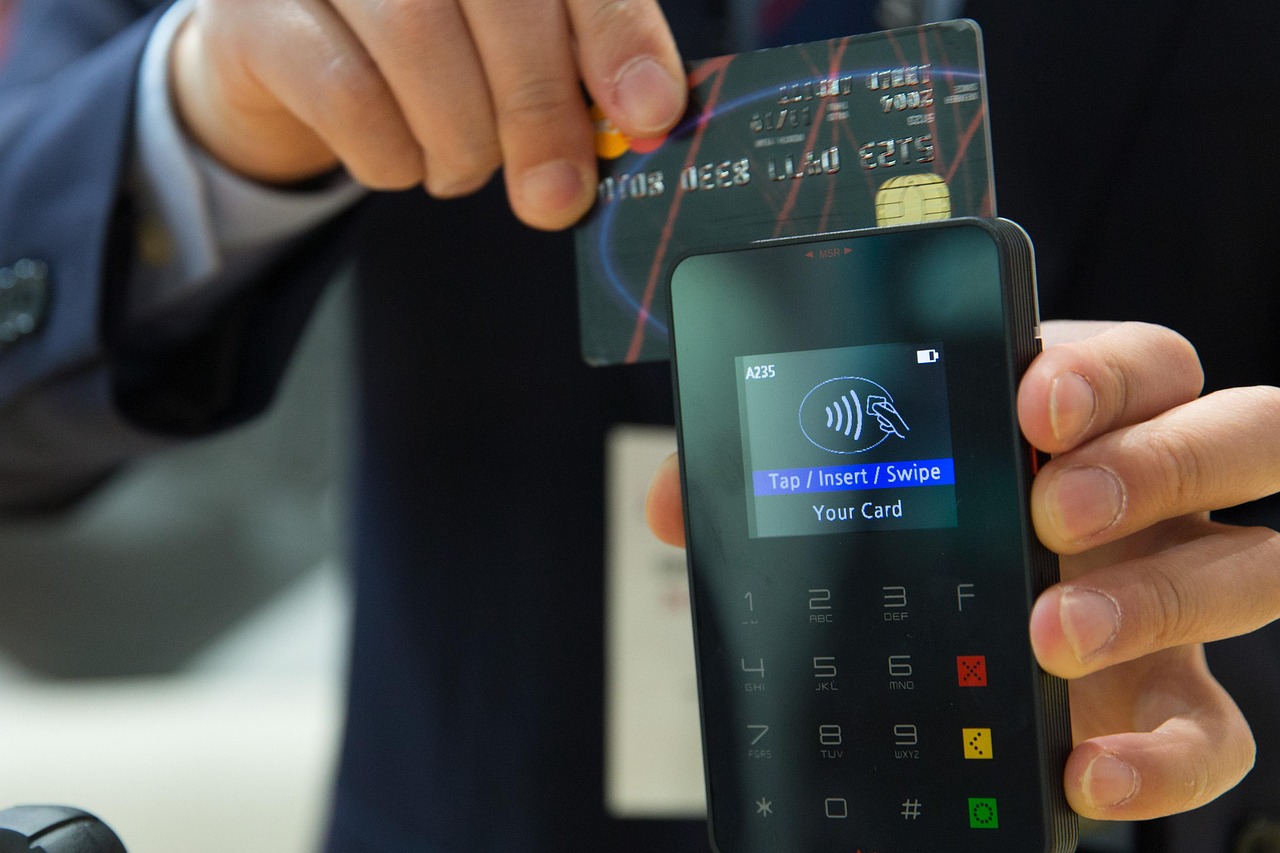
Types of Card Machine Suited to a Pub Environment
Not every card machine works equally well behind a bar. The right form factor depends on how your pub operates — table service, bar service, or a hybrid of both.
Countertop Card Terminals
Fixed terminals sit at the bar or at a service station and connect via Ethernet or Wi-Fi. They are ideal for busy bars where customers pay at the point of ordering. They tend to offer the fastest transaction processing and the most stable connection, making them a solid primary device.
Portable (Cordless) Terminals
Portable machines use a long-range wireless connection — typically Wi-Fi or Bluetooth — and can be carried around the venue. This is particularly useful for pubs with a dining area where staff take payment at the table. Battery life is worth scrutinising: look for a machine that comfortably handles a full service without needing to return to a docking station. For a deeper look at the best wireless options on the market, see our guide to the best wireless card machines for small businesses in the UK.
Mobile (GPRS/4G) Terminals
Mobile terminals use a SIM card to process payments independently of your venue's broadband. They are invaluable for beer gardens, outdoor events, or any area of the pub where Wi-Fi signal is unreliable. Many operators keep one mobile terminal as a backup in case the broadband connection goes down — a wise precaution during peak trading.
Integrated Soft POS & Tablet Solutions
Some newer setups use a tablet or smartphone running dedicated payment software, paired with a card reader. These tend to be cost-effective for smaller pubs or pop-up operations, though they may lack the durability and processing speed of purpose-built hardware when the bar is three-deep.
Key Features to Look for Before You Commit
A card machine is a piece of infrastructure, not a commodity purchase. These are the features that genuinely matter in a pub setting.
- Contactless & mobile wallet acceptance: Apple Pay, Google Pay and contactless card payments now account for the majority of transactions in UK hospitality. Any machine that does not support these is already behind the curve.
- Offline mode: Look for a terminal that can queue transactions locally if the internet drops, then process them once connectivity is restored. This protects your revenue during outages.
- Spill and drop resistance: Behind a bar, liquids and hard surfaces are occupational hazards. IP-rated or ruggedised terminals significantly extend hardware lifespan.
- Split-tender payments: Pub groups often want to split a bill across multiple cards or pay part in cash. Not every terminal supports this natively, so verify before you buy.
- Gratuity prompts: If you operate table service or want to encourage tipping, a terminal that displays a tip prompt screen at the payment step removes awkwardness and can meaningfully increase staff earnings.
- Fast receipt options: Email and SMS receipts reduce paper costs and speed up the payment journey at the bar.
- Multi-user and role-based access: If different staff members need different permissions, your payment system should enforce this cleanly.
How Card Payment Machines Integrate with Your Pub EPOS System
A standalone card machine creates a two-system problem: your till records one number, your card terminal records another, and someone has to reconcile them manually at close. Integrated card payments solve this by having the EPOS system send the exact transaction amount directly to the terminal — no re-keying, no human error, no reconciliation headache.
The practical benefits go further. Integrated systems can track which products were sold alongside each payment, giving you meaningful sales-mix data rather than just a daily total. When a customer returns a pint because it has gone off, an integrated refund flows back through both systems simultaneously. Void transactions, split bills and age-verification prompts can all be handled at the till with the payment step happening automatically on the paired terminal.
If you are weighing up a combined solution for your pub, our detailed resource on card machine and till system combinations for UK businesses covers the integration options in full. You can also book a restaurant EPOS software demo to see exactly how the payment flow works in practice before committing to any hardware.
For pubs already running — or planning to run — a broader EPOS solution, the complete EPOS guide for small businesses is a useful companion read covering software features, reporting and scalability.
Understanding Transaction Fees, Contract Terms and Total Cost of Ownership
This is where many pub operators get caught out. The headline rental price or purchase cost of a terminal is rarely the most important number. What matters is the total cost over your contract term, once transaction fees, monthly service charges and any PCI-compliance fees are factored in.
What Does a Card Payment Setup Actually Cost?
Pricing in the UK market varies considerably depending on your monthly card turnover, the provider you choose and whether you buy or rent the hardware. As a realistic guide:
- Hardware: Purpose-built countertop or portable terminals typically range from around £100 to £350 to purchase outright. Some providers offer rental from approximately £15–£30 per terminal per month.
- Transaction fees: Standard UK debit card rates typically fall between 0.5% and 1.5% per transaction; credit card rates are generally higher. Providers often offer blended flat rates — these can simplify accounting but may not always represent the best value for pubs with high average transaction values.
- Monthly service fees: Some providers charge a monthly platform or software fee on top of per-transaction costs, typically from around £10–£25 per month per terminal. Others build this into the transaction rate.
- PCI DSS compliance: The Payment Card Industry Data Security Standard (PCI DSS) requires all businesses that accept card payments to maintain compliance. Some providers include a managed compliance service; others charge an annual fee (typically £30–£60) or pass the responsibility to you. Verify the current standard at the PCI Security Standards Council.
If avoiding fixed monthly fees is a priority — perhaps for a seasonal pub or low-volume operation — our guide to card machines with no monthly fee for UK businesses sets out which options are genuinely viable and where the trade-offs lie.
Contract Length and Exit Terms
Always read the contract length before signing. Some merchant services providers lock businesses into 18- or 24-month agreements with significant early-exit penalties. Shorter rolling contracts offer flexibility but sometimes carry slightly higher per-transaction rates. Ask specifically about: notice periods, rate-increase clauses, and what happens to your hardware if you exit early.
| Solution Type | Best For | Approx. Hardware Cost | Integration with EPOS | Key Trade-off |
|---|---|---|---|---|
| Countertop terminal (standalone) | Small bar, low table service | From ~£100 purchase | None — manual reconciliation | No sales-mix data; reconciliation labour |
| Portable terminal (integrated) | Table service pubs, mixed operations | From ~£150–£250 purchase | Full EPOS integration available | Requires reliable Wi-Fi throughout venue |
| Mobile 4G terminal | Beer gardens, events, broadband backup | From ~£150–£300 purchase | Varies by provider | SIM data cost; may not integrate with all EPOS |
| Integrated EPOS + payments bundle | Full-service pubs wanting one supplier | Part of broader EPOS package | Native, seamless integration | Higher upfront investment; longer commitment |
| No-monthly-fee SumUp / iZettle style | Very small venues, pop-ups, seasonal pubs | From ~£30–£60 reader | Limited or none | Higher per-transaction rates at volume |
Card Payment Machine Options Available Through EPOS Direct UK
EPOS Direct UK supplies integrated EPOS and payment solutions specifically designed for UK hospitality businesses, including pubs, bars and restaurants. Rather than forcing operators to manage separate relationships with a till supplier and a payments provider, the EPOS Direct approach brings hardware, software and payment processing together under a single support umbrella.
Solutions are available across the full range of pub types — from a single-bar village local to a multi-room managed house with a separate kitchen operation. All hardware is sourced from proven commercial-grade manufacturers, and the software is designed to handle the specific complexities of pub trading: round-based ordering, tab management, kitchen display integration and real-time stock depletion across draught and bottled products.
You can explore current hospitality packages and pricing by visiting the EPOS Direct hospitality and restaurant EPOS offers page, or browse the full range of solutions and information on the EPOS Direct UK home page. If you would prefer to speak with someone who understands the pub trade, you can talk to an expert online and get answers tailored to your specific setup.
For pub operators who are cost-conscious and want to understand the affordable end of the EPOS market before committing, our guide to the most affordable EPOS systems for small businesses in the UK is a straightforward starting point.
Getting Set Up: Installation, Training and Ongoing Support
A card payment system is only as valuable as its day-one reliability. The questions worth asking any supplier before you sign are:
- Who installs the hardware? Does the supplier handle on-site installation, or is it shipped for self-install? For integrated systems with multiple terminals, professional installation typically results in fewer teething problems.
- How is staff training delivered? Bar staff turnover is a reality in UK hospitality. Look for a supplier that offers on-site training at go-live, plus on-demand video resources your managers can use to onboard new starters without calling support each time.
- What does ongoing support look like? Check the support hours — particularly whether helpdesk cover extends to Friday and Saturday evenings, which is precisely when you cannot afford a terminal to go down. Ask about response time commitments in writing.
- How are software updates handled? Cloud-based EPOS systems can push updates automatically overnight; legacy server-based systems may require a manual process. Confirm that updates do not require downtime during trading hours.
EPOS Direct UK provides training, installation support and ongoing helpdesk access as part of its pub EPOS packages. To see the system in action before you invest, request a free demo — it takes no more than a few minutes to book and gives you a clear picture of what your staff will be working with on a busy Friday night.
Conclusion: Making the Right Choice for Your Pub
The right card payment setup for a pub is one that processes payments quickly, integrates cleanly with your EPOS, survives a wet bar environment, and costs you no more than it should over the full contract term. Standalone machines are a short-term fix; a fully integrated EPOS and payment bundle is the infrastructure that supports a profitable, well-managed pub operation for years.
EPOS Direct UK works with pub operators across the United Kingdom to design and implement payment and EPOS solutions that fit the way hospitality businesses actually operate. Whether you are opening a new venue, upgrading ageing kit, or simply tired of manual reconciliation, the team is ready to help. Request a call back at a time that suits you, or talk to an expert online today.
Written by the EPOS Direct UK team, who support UK hospitality and retail businesses with EPOS and payment solutions every day. Pricing ranges cited are indicative of the UK market and should be used as a planning guide only — contact us or your chosen provider for a personalised quote based on your specific transaction volumes and requirements.
Frequently asked questions
- How much does a card payment machine typically cost for a UK pub?
- Costs vary depending on the type and provider. In the UK, a basic countertop card terminal can start from around £15–£25 per month on a rental agreement, while purchasing outright can range from £100 to £400+ per device. Portable and wireless models suited to table-service pubs sit in the mid-range. Transaction fees typically run between 0.3% and 1.75% per transaction depending on your card volume and provider. Integrated systems that connect directly to your EPOS till may have a higher upfront cost but reduce errors and speed up service, often delivering a strong return on investment within the first year.
- Can I use a portable card reader at the table rather than at the bar?
- Yes, and for pubs this is often the preferred setup. Portable or handheld card machines operate over Wi-Fi or 4G, letting staff take payments tableside without customers having to queue at the bar. This improves customer experience, reduces walk-offs, and speeds up table turnover. EPOS Direct offers wireless payment terminals that pair seamlessly with pub EPOS systems for exactly this use case.
- Do I need a separate card machine if I already have an EPOS till system?
- Not necessarily. Many modern EPOS systems, including those from EPOS Direct, support integrated card payment, meaning the till communicates directly with the card terminal to automatically trigger the correct payment amount. This eliminates manual keying errors, speeds up transactions during busy service periods, and simplifies end-of-day reconciliation. If your current card machine is standalone, upgrading to an integrated solution is worth considering when you next review your setup.
