We use cookies to make your experience better.
To comply with the new e-Privacy directive, you agree to the privacy policy and our use of cookies


Card Payment Machines with a Built-In Till: The Complete Guide for Small UK Businesses
Card Payment Machines with a Built-In Till for Small Businesses in the UK
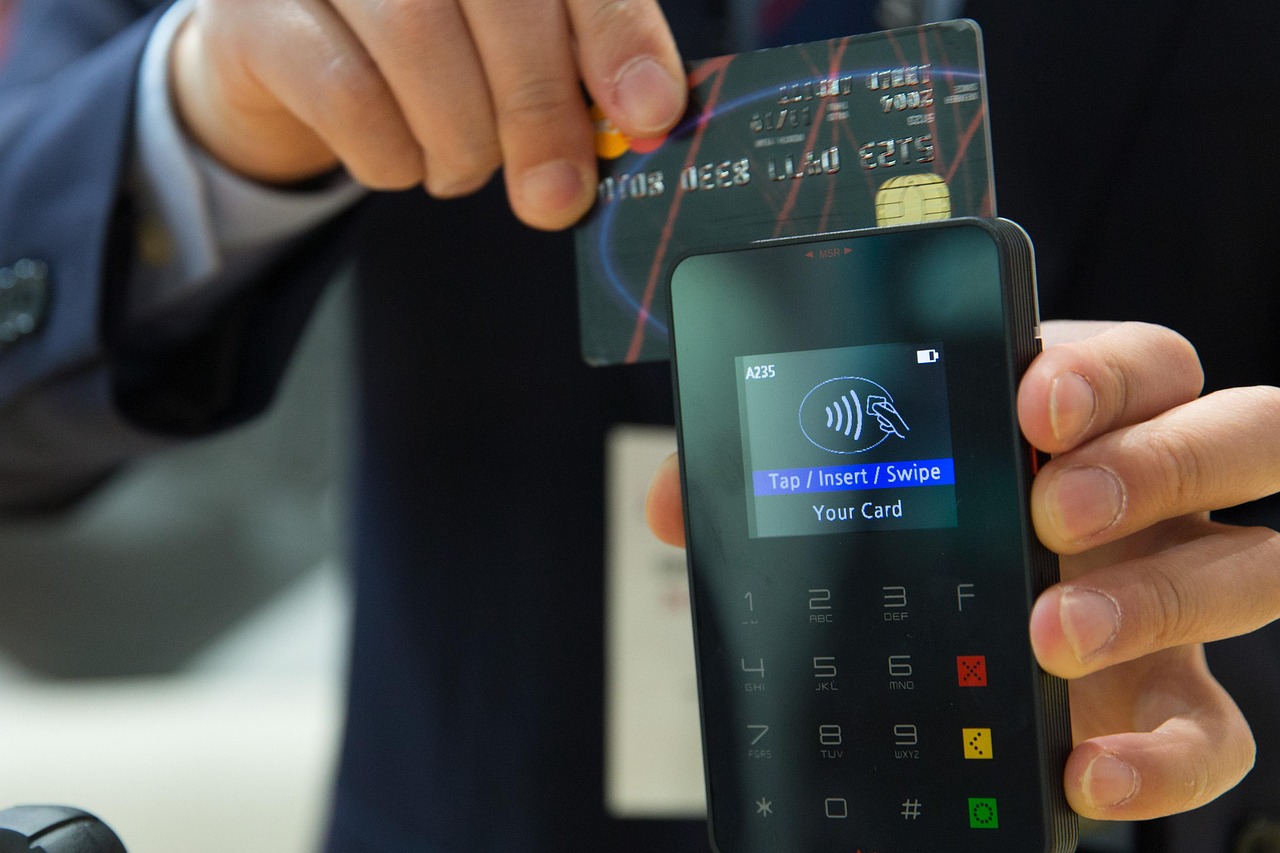
For UK small businesses that need to take card payments and manage sales from a single device, a combined till and card payment solution removes the complexity of running separate systems that rarely talk to each other cleanly. The right all-in-one setup processes contactless, chip-and-PIN and mobile payments at the point of sale while simultaneously tracking stock, printing receipts and generating end-of-day reports — all from one countertop. This guide explains what to look for, what to expect to pay, and how to choose a system that genuinely fits your business rather than the first deal a bank waves in front of you.
What Is a Combined Till and Card Payment System?
A combined till and card payment system — often called an EPOS (Electronic Point of Sale) system — integrates a touchscreen register, EPOS software, and a card payment terminal into a single, coordinated setup. Rather than operating a traditional cash drawer alongside a standalone card reader that generates its own separate records, an integrated system posts every transaction — cash, card, or contactless — into one unified sales log.
Modern integrated systems typically consist of:
- A touchscreen terminal running EPOS software (the "till")
- An integrated or paired card reader that communicates directly with the till software
- A receipt printer (thermal, countertop or kitchen-facing in hospitality)
- A cash drawer triggered automatically on cash sales
- A back-office dashboard accessible via browser or app for reporting and stock management
This is distinct from a standalone card reader plugged into a tablet app — a common shortcut that works at very low volumes but quickly becomes limiting as a business grows. For a deeper look at how these systems compare, our complete guide to combined card machine and till systems walks through every configuration in detail.
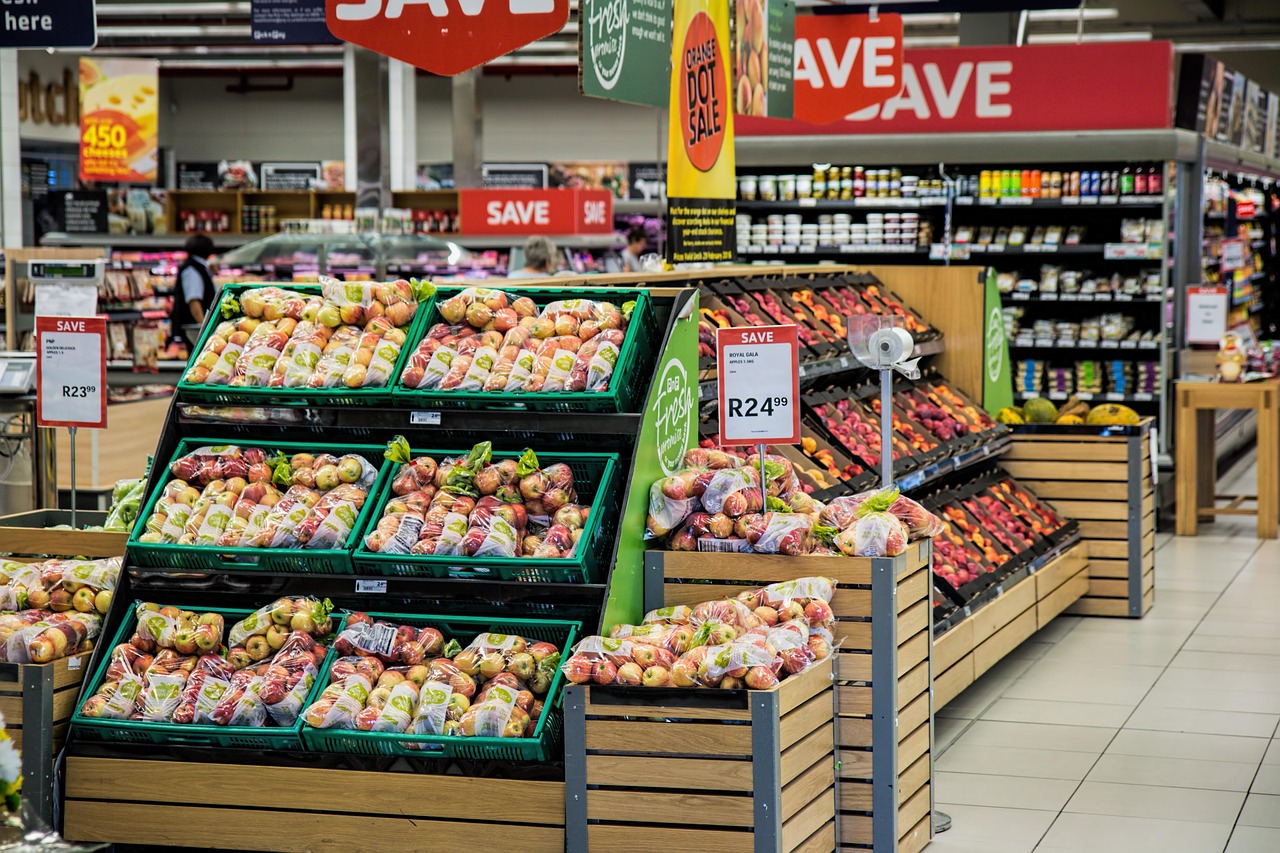
Key Benefits of an All-in-One EPOS Till for Small Businesses
The commercial case for integration is straightforward, but the operational gains are where real value accumulates day to day.
Accuracy and reconciliation
When a card payment posts automatically to the same transaction record as the product sold, end-of-day reconciliation takes minutes rather than an hour of cross-referencing two separate reports. Discrepancies that silently erode margin — a refund processed on the card terminal but never updated in the till, for example — become immediately visible.
Stock management without extra work
Every sale automatically decrements stock. Low-stock alerts, best-seller reports and dead-stock identification emerge from the data your team is already capturing at the counter, with no separate stock-count app required.
Faster service and fewer errors
Staff select items on a touchscreen, the total is sent directly to the card reader, and the customer taps or inserts their card — no manual keying of amounts on a separate device, which is a common source of overcharges and disputes.
Compliance and reporting
HMRC Making Tax Digital requirements mean that accurate, retrievable transaction records are increasingly non-negotiable. A well-configured EPOS system provides a clean audit trail. (Always verify your specific obligations directly with HMRC or a qualified accountant, as requirements vary by business structure and turnover.)
Customer experience
Integrated loyalty programmes, digital receipts and faster checkout all flow naturally from a joined-up system. Customers notice when a business runs efficiently.
What to Look for When Choosing a System
Not every integrated till and payment solution is equally suited to every business type. A few critical questions sharpen the decision considerably.
Does the card processing integrate natively or just pair loosely?
Some providers sell a till and a card reader separately, with integration achieved via a third-party API that can break during software updates. Native integration — where the till software and the payment terminal are designed to work together — is significantly more reliable. Ask the provider to demonstrate a sale, a refund and a split-payment scenario before committing.
Is the software built for your sector?
A clothing boutique needs size/colour matrix inventory and potentially a buy-online-collect-in-store workflow. A café needs table management and kitchen ticket printing. A pharmacy needs age-verification prompts and controlled-drug recording. A generic retail POS retrofitted to a hospitality setting is a persistent frustration. You can explore sector-specific software through EPOS Direct's EPOS software platform, which covers retail, hospitality and pharmacy use cases.
What payment types and rates does it support?
Contactless (including Apple Pay and Google Pay), chip-and-PIN and magstripe are table stakes. Check whether the card processing fees are fixed-rate per transaction, interchange-plus, or bundled into a monthly fee — each model suits different average transaction values and volumes. Our guide to the best wireless card machines for small businesses covers how to evaluate payment rates in plain terms.
What does ongoing support look like?
Hardware fails. Software updates sometimes introduce bugs. A provider that offers only email support with a 48-hour response window is a liability for a retail business that cannot take payments on a Saturday afternoon. Telephone support and an SLA-backed replacement policy matter more than a slightly lower headline price.
Comparing System Approaches: A Quick-Reference Guide
| System Type | Best For | Payment Integration | Stock Management | Typical Limitation |
|---|---|---|---|---|
| Tablet app + standalone card reader | Market traders, sole traders, pop-ups | Loose (manual reconciliation required) | Basic or none | Data silos; limited reporting depth |
| Integrated touchscreen EPOS + paired card terminal | Independent retailers, cafés, salons | Native or tightly coupled API | Full, real-time | Higher upfront or monthly cost than tablet setups |
| Multi-terminal EPOS estate | Busy restaurants, multi-lane retail | Native, centralised | Full, multi-location | Requires structured onboarding; more complex to configure |
| Cloud EPOS with integrated payments | Multi-site businesses, franchises | Native, cloud-synchronised | Full, cross-site | Dependent on stable internet; ongoing subscription cost |
Best Solutions for UK Retail and Hospitality Small Businesses
The right configuration depends heavily on your trading environment. Below are the most common scenarios and the approach that typically serves each well.
Independent retail (fashion, gifts, homewares)
A single integrated countertop terminal with a barcode scanner, receipt printer and cash drawer covers the vast majority of independent retail needs. Sector-specific software should handle size/colour variants, supplier purchase orders and end-of-season markdown management. Retailers comparing options can find practical guidance in our article on the best EPOS systems for clothing shops in the UK. You can also watch a retail EPOS software demo to see stock and payment management working together in a realistic retail scenario.
Cafés, bars and quick-service restaurants
Hospitality demands speed and flexibility. A system with table-plan management, kitchen display or printer integration, and split-billing capability will serve a busy lunchtime service far better than a basic retail POS. Card readers need to be wireless so staff can take payment at the table. A restaurant EPOS software demo is the fastest way to see whether a system handles your specific service style. Browse the hospitality and restaurant EPOS offers for current configurations.
Health and wellness (pharmacies, clinics)
Pharmacies require specific compliance prompts and dispensary record-keeping that generic retail software does not provide. A pharmacy EPOS software demo will quickly illustrate whether a system meets sector-specific workflow needs.
How Much Does a Combined Till and Card Payment System Cost in the UK?
Pricing in this category varies more than almost any other business technology purchase, because it depends on hardware specification, software capability, payment processing rates and support level. The following ranges are indicative of what small businesses in the UK typically encounter — they are not quotes and will vary by provider and configuration.
- Entry-level tablet-based setups: Typically from around £200–£400 upfront for hardware, with software subscriptions from approximately £20–£50 per month. Card processing is usually charged as a percentage per transaction (often 1.5%–2.5% for standard UK cards).
- Integrated countertop EPOS terminal with card reader: Hardware typically from £500–£1,200 depending on specification; software from approximately £30–£80 per month. Some providers bundle hardware into a monthly rental from around £50–£120 per month all-in.
- Multi-terminal hospitality or retail setup: Hardware costs typically from £1,500 upward for a two-terminal configuration; software licences scale per terminal. Monthly all-in bundles vary significantly by provider.
- Card processing fees: Interchange-plus pricing is generally more transparent and cost-effective at higher volumes than flat-rate pricing. Always request a sample transaction cost comparison based on your actual average transaction value.
If upfront cost is the primary constraint, our guide to the most affordable EPOS systems for small businesses sets out which features you can reasonably defer and which are genuinely worth paying for from day one. It is also worth noting that some integrated card payment arrangements carry no separate monthly terminal fee — see our overview of card machines with no monthly fee for how those models work and what to watch for in the small print.
Getting Set Up: Installation, Training and Ongoing Support
A system that is configured correctly from the start saves weeks of remediation later. When evaluating providers, ask specifically about the following.
- Data migration: Can they import your existing product catalogue, pricing and customer records, or will you need to re-enter everything manually?
- On-site installation vs. self-setup: Countertop hardware is generally plug-and-play for a single terminal; multi-terminal hospitality setups benefit from professional installation, particularly for kitchen printers and network configuration.
- Staff training: How long does it take to train a new team member on the till interface? Ask for access to training materials before you commit.
- Support hours and escalation: Confirm whether telephone support is included or charged separately, and whether there is a hardware replacement policy for critical failures.
For a broader view of how to structure your system purchase from start to finish, our practical buyer's guide to till systems for small businesses covers the full procurement process including what questions to ask at the demo stage.
Why UK Small Businesses Choose EPOS Direct
EPOS Direct has supplied and supported EPOS and POS systems to small and independent businesses across the United Kingdom for many years. The team works with businesses across retail, hospitality, healthcare and service sectors — which means the advice given at the enquiry stage reflects real-world operational knowledge rather than a generic sales script.
What consistently sets EPOS Direct apart for smaller businesses:
- Systems designed and configured for specific sectors, not one-size-fits-all retail POS rebadged for every use case
- UK-based support with telephone access and structured SLAs
- Transparent, honest pricing with no hidden integration costs between till and payment terminal
- A software platform that grows with the business — from a single terminal to a multi-site estate
You can explore the full range of systems and current offers on the EPOS Direct UK home page, or go deeper into any specific sector through our complete EPOS system guide for small businesses.
Ready to Find the Right System for Your Business?
The most efficient way to narrow down the right configuration is to see the software working with real products and real payment flows before spending anything. EPOS Direct makes that straightforward: you can request a free demo tailored to your business type, or talk to an EPOS expert online who can recommend the right hardware and software combination based on your trading environment, transaction volumes and budget. If you would prefer to speak by phone, request a call back and a member of the team will be in touch at a time that suits you.
Written by the EPOS Direct UK team, who advise independent retailers, hospitality operators and healthcare businesses on EPOS and payment systems across the United Kingdom every day.
Frequently asked questions
- Can I use one device as both my till and card payment terminal?
- Yes. Modern all-in-one EPOS systems combine a touchscreen till with an integrated or paired card payment terminal, so you manage sales, stock and payments from a single device. This removes the need for separate hardware and reduces counter clutter — ideal for small business environments with limited space.
- How much should I expect to pay for a till and card payment machine as a small business in the UK?
- Costs vary depending on the setup. A basic tablet-based EPOS system with a card reader typically starts from around £300–£500 upfront, while a full countertop system including touchscreen till, receipt printer, cash drawer and integrated card terminal can range from £600 to £1,500 or more. Many UK providers, including EPOS Direct, also offer monthly payment plans or bundled packages that spread the cost, making it more accessible for new or growing businesses.
- Do I need a separate merchant account to take card payments through my till?
- In most cases, yes — you will need a merchant account or a payment gateway agreement to process card transactions. However, many all-in-one EPOS providers partner with payment processors and can help you arrange this as part of the setup. Some systems also support third-party payment providers like Stripe or Worldpay, giving you flexibility on transaction fees.
