We use cookies to make your experience better.
To comply with the new e-Privacy directive, you agree to the privacy policy and our use of cookies


Most Affordable EPOS Systems for Small Retail Businesses in the UK: A Buyer's Guide
Most Affordable EPOS Systems for Small Retail Businesses in the UK: A Buyer's Guide
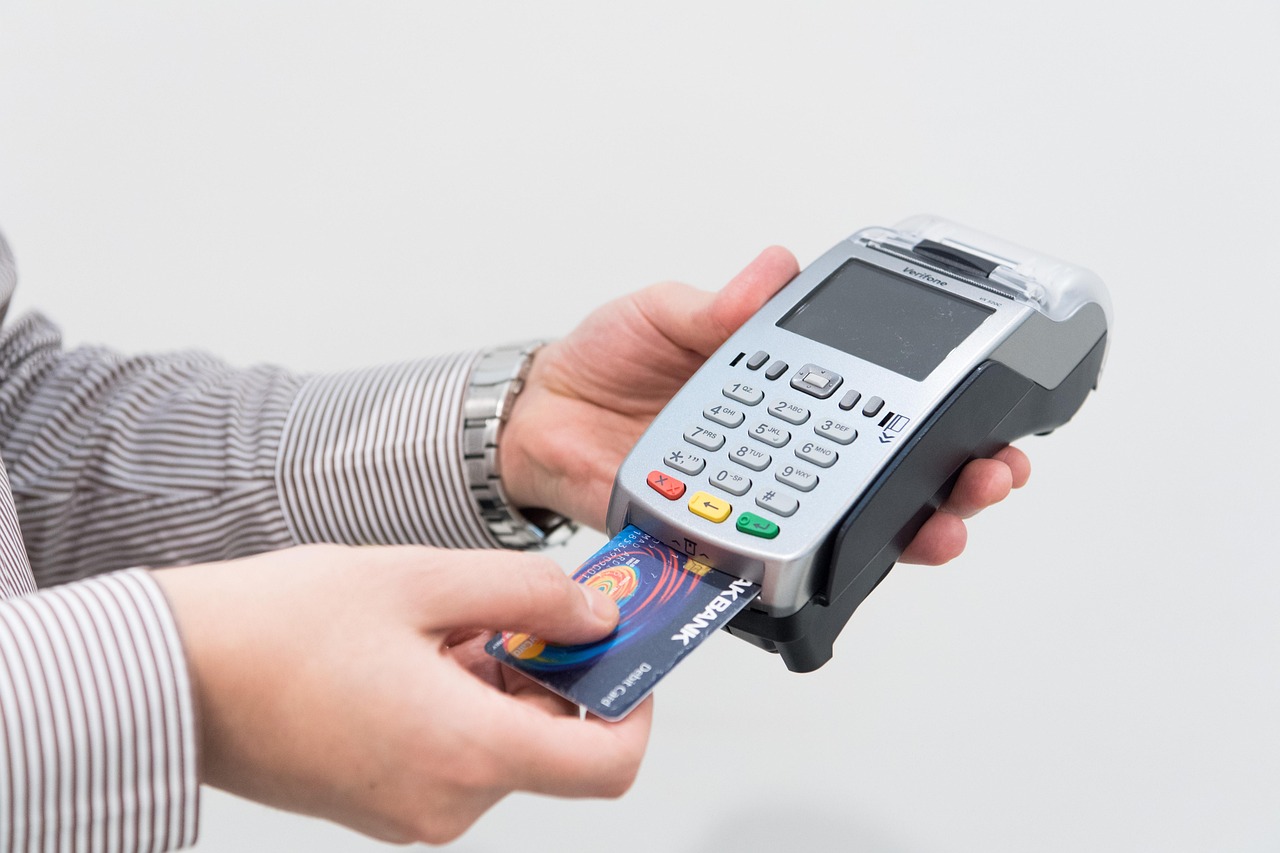
For small retailers across the UK, finding a reliable point-of-sale system that doesn't strain the budget is one of the most practical business decisions you'll make. The good news: affordable EPOS systems have improved dramatically, and today's entry-level hardware bundles and cloud-based software subscriptions can give independent shops genuinely professional capabilities — stock management, integrated card payments, sales reporting — without enterprise-level investment. This guide cuts through the noise to help you understand what to buy, what it costs, and where to find the best value in the UK market.
What Does a Small Retail EPOS System Actually Need to Do?
Before comparing prices, it's worth being honest about what your business genuinely needs. A boutique clothing shop has different requirements to a busy convenience store, and overpaying for features you'll never use is just as wasteful as buying something too limited to grow with you.
At a minimum, a retail EPOS system for a small shop should:
- Process sales quickly and accurately — including cash, card, and contactless payments in a single workflow
- Manage stock levels — automatically deducting inventory as sales are made and alerting you when items run low
- Produce end-of-day reports — so you can track takings, spot bestsellers, and prepare for VAT returns with confidence
- Print or email receipts — thermal receipt printing is standard; email receipts are increasingly expected by customers
- Handle product variants — sizes, colours, and weights if you sell variable items
- Support multiple payment types — including split payments and refunds
Nice-to-have extras — loyalty programmes, ecommerce integrations, advanced analytics — are worth paying for only if you'll use them consistently. Start with the essentials, then scale.
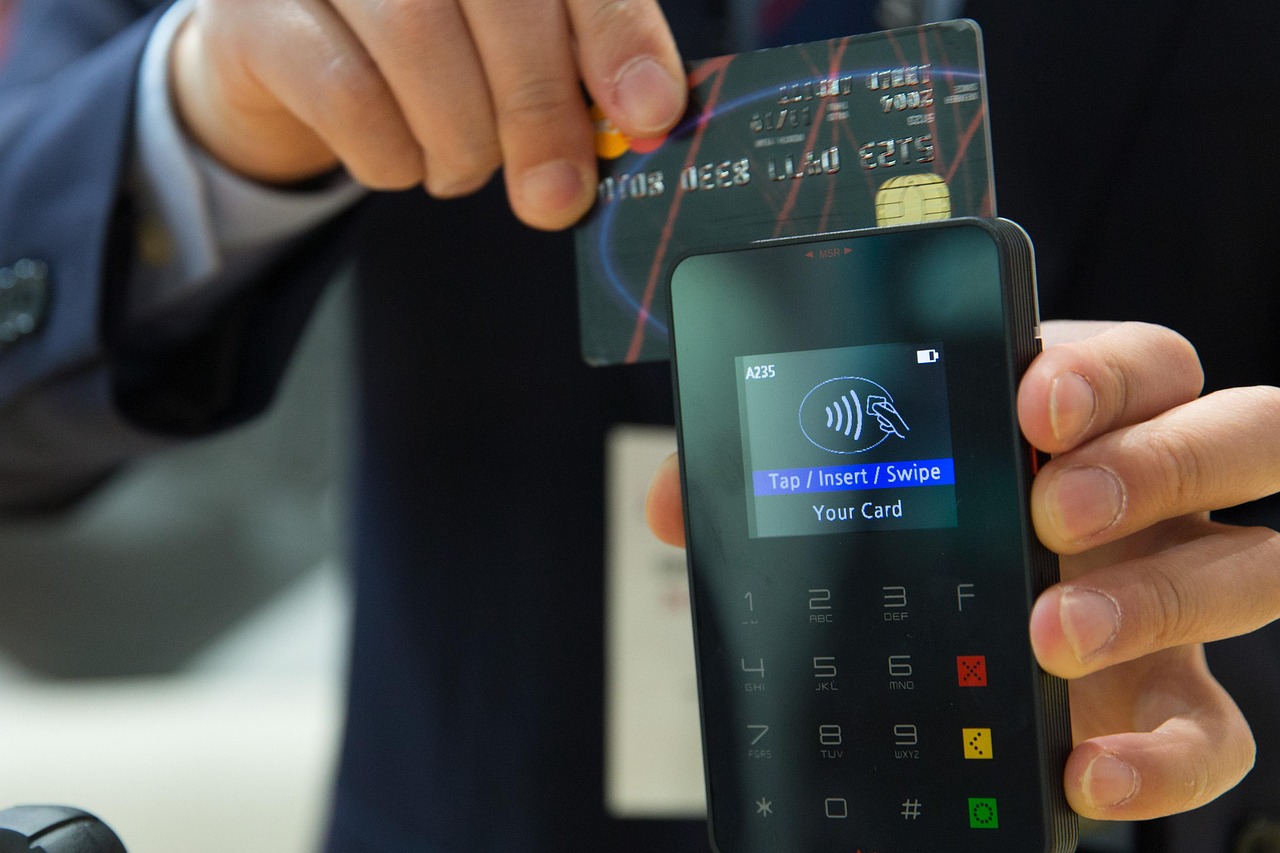
How Much Does an EPOS System Cost for a Small Shop in the UK?
This is the question every small retailer asks first, and the honest answer is: it depends significantly on whether you buy outright or subscribe monthly, and whether you're bundling hardware with software.
Indicative Cost Ranges (UK Market)
| Setup Type | Typical Upfront Cost | Typical Monthly Ongoing Cost | Best For |
|---|---|---|---|
| Tablet-based starter bundle (own device + software) | From around £0–£200 | £20–£60/month (software subscription) | Market stalls, pop-ups, sole traders |
| Entry-level all-in-one terminal (hardware + software) | From around £300–£600 | £30–£80/month | Small boutiques, gift shops, newsagents |
| Full counter bundle (till, printer, scanner, cash drawer) | From around £700–£1,500 | £40–£100/month | Established retail units, higher transaction volumes |
| Outright purchase (hardware + perpetual licence) | From around £1,000–£2,500+ | Minimal or zero (support contracts aside) | Businesses wanting no recurring fees long-term |
These are indicative market ranges, not quotes — your actual price will vary based on hardware specification, number of terminals, and software tier. Always request a detailed breakdown from your supplier. For a deeper comparison of ownership models, the guide on monthly EPOS subscriptions versus outright purchase walks through the true long-term cost difference in detail.
Cloud-Based vs Traditional EPOS: Which Is Cheaper Long-Term?
Cloud-based EPOS systems have become the dominant choice for small retailers — and for good reason. Rather than paying a large lump sum upfront and managing local software updates, you pay a predictable monthly fee for software hosted securely online. Your data is accessible from anywhere, updates happen automatically, and you're not tied to a single piece of hardware.
Traditional (or "legacy") on-premise systems carry higher upfront costs but lower ongoing fees. For a small shop expecting to stay in the same location for many years, total cost of ownership can sometimes favour outright purchase — but only when you factor in support contracts, hardware refresh cycles, and the risk of software becoming outdated.
The practical verdict for most small retailers: cloud-based systems offer the better value proposition, especially for businesses in their first few years. Lower entry costs, automatic feature updates, and the flexibility to scale quickly outweigh the slightly higher cumulative subscription cost for most independent shops.
Key Features to Look For Without Blowing Your Budget
Not every affordable system delivers the same value. Here are the features worth prioritising — and the ones you can safely skip at the entry level.
Essential Features Worth Paying For
- Integrated card payments — a unified system that handles card transactions within the EPOS software avoids reconciliation headaches and reduces the risk of discrepancies. For guidance on combining these, see our overview of card machine and till system combinations.
- Real-time stock management — live inventory tracking is a genuine time-saver and loss-prevention tool for retail
- Barcode scanner compatibility — essential for shops with a broad product range
- Cloud reporting — access sales data remotely, a vital feature for owners who aren't always on-site
- UK VAT compliance — ensure the software produces MTD-compatible (Making Tax Digital) reports; HMRC provides official guidance at gov.uk/make-tax-digital-for-vat
Features You Can Add Later
- Customer loyalty and reward schemes
- Ecommerce or click-and-collect integration
- Multi-site management
- Advanced staff scheduling and HR tools
Hidden Costs to Watch Out For When Buying a Budget EPOS System
The headline price rarely tells the full story. Before signing anything, scrutinise these areas carefully:
- Transaction fees — some providers subsidise hardware costs by taking a percentage of every card transaction. At scale, this can cost more than a premium upfront system with flat monthly fees.
- Support and training charges — "free" systems sometimes charge separately for onboarding, telephone support, or software updates after the first year.
- Contract lock-in — a low monthly price tied to a 36-month contract with steep exit fees is not genuinely cheap. Always check the minimum term and cancellation terms.
- Payment processing costs — if your EPOS provider bundles in card processing, compare their rates against standalone card machine providers. Our guide to the best wireless card machines for small businesses covers what to look for when evaluating card payment options.
- Hardware replacement and warranty — budget hardware fails faster. Understand what's covered under warranty and what a replacement will cost mid-contract.
- Data migration and setup fees — importing your existing product database and setting up users can carry one-off charges that aren't quoted initially.
A genuinely affordable EPOS solution is one where the total cost of ownership — hardware, software, support, and payment processing — is transparent from day one.
Why EPOS Direct UK Offers Some of the Best Value for Small Retailers
EPOS Direct UK has spent years helping independent retailers across the UK find hardware and software combinations that genuinely match their budgets and workflows — not just the lowest headline price, but the best long-term value. Several factors set this apart:
- Owned hardware manufacturing — by controlling hardware production, EPOS Direct can offer robust, purpose-built retail terminals at competitive price points without sacrificing build quality for cheap components.
- Flexible purchase options — whether you want to buy outright, spread costs over monthly payments, or explore subscription pricing, there are options to suit different cash-flow positions.
- UK-based support — access to real, knowledgeable support from people who understand the UK retail environment, not an overseas call centre.
- Retail-specific software — built for the way UK retailers actually operate, with VAT reporting, stock management, and staff tools configured for British business requirements.
You can explore current retail EPOS offers from EPOS Direct UK to see what's available for your business size and requirements, or visit the EPOS Direct UK home page for more offers and information across the full product range.
If you'd like to see the software before committing to anything, you can access a retail EPOS software demo to walk through the interface at your own pace — no sales pressure, no obligation.
How to Choose and Buy the Right EPOS System for Your Retail Business
With a clearer picture of costs and features, here's a practical decision framework for small retailers making this purchase:
Step 1: Audit Your Current Process
Write down every task your team currently performs at the till — sales, refunds, stock checks, end-of-day cash-up. This becomes your minimum feature checklist.
Step 2: Set a Realistic Total Budget
Include hardware, software, installation, and 12 months of support. A budget of £500–£1,200 all-in is realistic for a single-terminal small retail setup; multi-terminal or high-volume shops should budget higher.
Step 3: Compare on Total Cost, Not Just Upfront Price
Run a 3-year total cost comparison for each option you're considering — hardware depreciation, monthly fees, transaction charges, and support. The system with the cheapest upfront price rarely wins this calculation.
Step 4: Check Integration Requirements
Does your EPOS need to connect to your accounting software (Xero, Sage, QuickBooks)? Ecommerce platforms (Shopify, WooCommerce)? Confirm compatibility before buying, not after.
Step 5: Verify the Supplier's Track Record
A budget EPOS system from a supplier with poor support is a false economy. Read independent reviews, check Companies House for business longevity, and ask for references from similar retail businesses if possible. Our EPOS Direct comparison against competitor till systems offers a transparent look at how different solutions stack up for UK retailers.
Step 6: Request a Demo or Trial
Never buy an EPOS system without seeing it operate under realistic conditions. Most reputable suppliers — including EPOS Direct UK — offer demonstrations. If a supplier won't let you see the product before purchasing, treat that as a red flag.
If you're switching from an older cash register, the practical walkthrough in our guide on upgrading from a cash register to a modern EPOS system covers exactly what to expect during that transition.
The Short Answer: What's the Most Affordable Route for Small UK Retailers?
For most small retail businesses in the UK, the most cost-effective starting point is a cloud-based EPOS system with a purpose-built hardware bundle — typically costing from around £300–£700 upfront and £30–£80 per month for software and support. This delivers professional retail functionality at a manageable cost, scales as you grow, and avoids the hidden expenses that often make "cheap" systems expensive in practice.
Ready to Find the Right System for Your Shop?
EPOS Direct UK works with independent retailers across the country to match them with systems that are genuinely affordable, genuinely capable, and genuinely supported. Whether you're opening your first shop or replacing an ageing till, the right starting point is a conversation with someone who understands retail EPOS — not a generic online configurator.
Talk to an EPOS expert online for tailored advice, or request a free demo to see exactly what your business would get before spending a penny. The EPOS Direct UK team are ready to help you make a confident, informed decision.
Written by the EPOS Direct UK team, who help UK retailers find the right EPOS and point-of-sale solutions every day.
Frequently asked questions
- How much should I expect to pay for an EPOS system as a small UK retailer?
- For a small retail business in the UK, a basic EPOS setup typically costs between £300 and £800 for entry-level hardware (touchscreen till, receipt printer, barcode scanner and cash drawer). Monthly software subscriptions can range from free or £0 on open-source options up to £30–£70 per month for cloud-based platforms with full retail features. EPOS Direct UK offers competitive bundles that include hardware and software from around £399, with flexible payment options to keep upfront costs low.
- Do I need to pay a monthly fee for EPOS software, or can I buy it outright?
- Both options exist. Some EPOS providers charge a monthly subscription — typically £15 to £60 per month for retail-focused software — while others offer a one-off licence purchase. Cloud-based systems usually require ongoing fees but give you automatic updates, remote access and better support. For very tight budgets, EPOS Direct UK can advise on the most cost-effective structure based on your transaction volume and feature needs.
- Is a cheap EPOS system reliable enough for a busy retail shop?
- Yes, provided you choose a reputable supplier. Budget does not have to mean unreliable. Look for systems that work offline (in case of internet outages), come with a warranty on hardware, and are backed by UK-based customer support. EPOS Direct UK supplies commercial-grade hardware built for retail environments, so even their entry-level packages are designed to handle full trading days without failure.
