We use cookies to make your experience better.
To comply with the new e-Privacy directive, you agree to the privacy policy and our use of cookies


Can EPOS Systems Work Without an Internet Connection? A UK Retailer's Guide
Can EPOS Systems Work Offline? Everything UK Retailers & Hospitality Businesses Need to Know
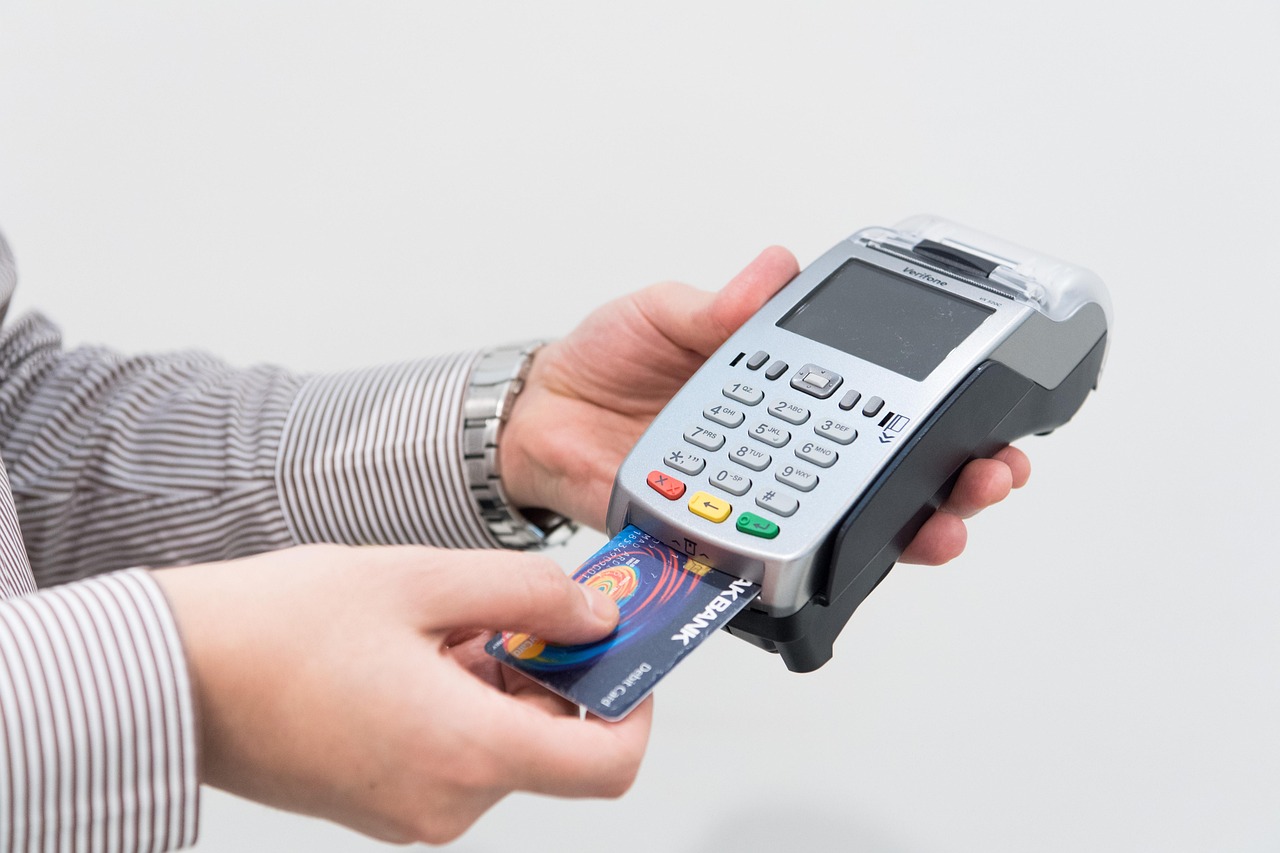
Yes — modern EPOS systems can absolutely work offline, and for most UK retailers and hospitality businesses, this is not a luxury feature but a fundamental requirement. The best systems are designed so that a lost or unstable internet connection does not halt trading: sales continue, receipts print, and stock levels update, with data synchronising automatically the moment connectivity is restored. Understanding exactly which functions remain available offline, and which do not, is the key to choosing a system that truly protects your business.
Why Offline Capability Matters for UK Retail and Hospitality Businesses
Connectivity in the United Kingdom is improving, but it remains far from perfect. Rural retailers, market traders, festival catering operations, and businesses in older buildings with unpredictable broadband all face the same vulnerability: a dropped connection at peak trading time can mean lost revenue, frustrated customers, and reputational damage. Even in urban locations, router failures, ISP outages, and maintenance windows can strike without warning.
For hospitality businesses — restaurants, cafés, bars, and hotels — the stakes are particularly high. A table of diners cannot be told to wait while the internet reconnects. For clothing boutiques, gift shops, and convenience stores, a queue that cannot be served is a queue that walks out. Offline resilience is therefore not a technical detail; it is a commercial safeguard.
If you are evaluating systems for a retail environment, our guide to the best till systems for small businesses in the UK covers the full range of hardware and software considerations alongside offline performance.
How Modern EPOS Systems Handle Offline Mode
A well-engineered EPOS system uses a hybrid architecture: the core transactional logic runs locally on the device or on a local server, while the cloud handles reporting, remote management, and multi-site synchronisation. This means the system does not depend on a live internet connection to process a sale.
When connectivity drops, a quality system switches seamlessly into offline mode — usually without any visible prompt to the operator. Sales data is queued in a local database. When the connection is restored, the system syncs automatically, pushing completed transactions to the cloud back-office. This sync is typically bidirectional, meaning any price changes or stock updates made remotely during the outage are also pulled down to the terminal.
The Role of Local Processing
Older, purely web-based EPOS platforms — where every button press calls an API over the internet — fail entirely when connectivity drops. Modern hybrid systems, by contrast, cache product data, pricing, and customer records locally, so the terminal can operate independently for extended periods. Always ask a supplier whether their system stores data locally or relies entirely on a remote server — the answer is the single most important question in any offline capability conversation.
What Features Still Work When Your Internet Goes Down
A robust EPOS system in offline mode should support the following without interruption:
- Processing sales transactions — scanning barcodes, adding items, applying discounts, and completing sales at full speed.
- Printing receipts — thermal receipt printers connected locally will continue to function.
- Stock level tracking — inventory is decremented locally as items are sold, with the master database updated on reconnection.
- Cash transactions — cash drawer operation is unaffected, as it is entirely local.
- Product lookup and pricing — all product data cached locally remains accessible.
- Loyalty card scanning — points can be awarded and stored locally, syncing on reconnection.
- Table management (hospitality) — open tabs and table assignments can continue on local terminals.
- Kitchen printer orders — where kitchen display systems are connected over a local network rather than the internet, orders continue to route correctly.
Limitations to Be Aware Of: What Offline Mode Cannot Do
Honest guidance means being clear about the boundaries. No offline mode is unlimited, and there are genuine constraints every buyer should understand before purchase.
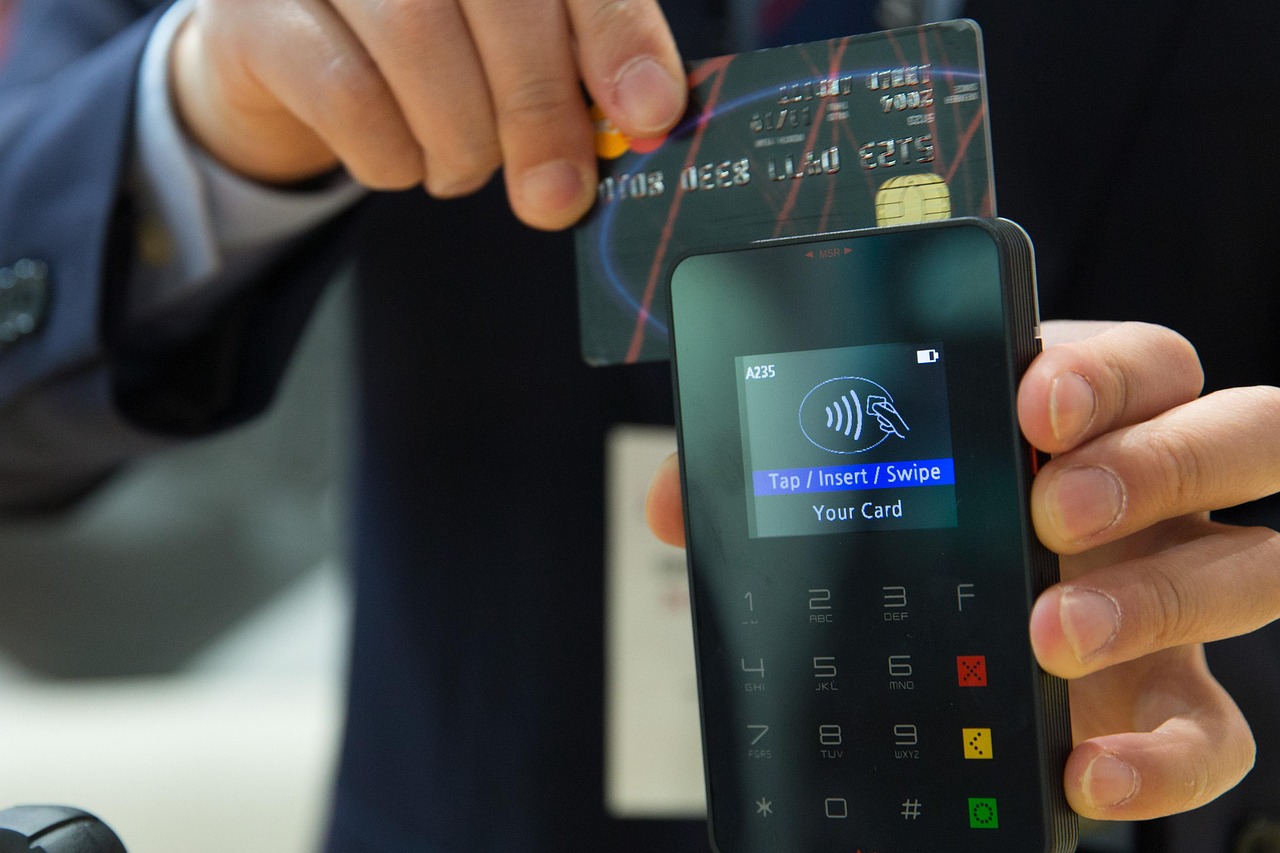
- Card payments — this is the most significant limitation. Card authorisation requires a live connection to the payment network. Contactless, chip-and-PIN, and digital wallet payments cannot be fully authorised offline. Some systems offer "store and forward" for low-value transactions, but this carries financial risk and is governed by your payment acquirer's terms — verify the position with your card processing provider before relying on it. For context on card machine options, see our guide to the best wireless card machines for small businesses in the UK.
- Real-time reporting — back-office dashboards, live sales analytics, and remote monitoring require connectivity. Data will appear once the terminal resyncs.
- Multi-site stock visibility — if you operate more than one location, the central stock view will be out of date until all terminals reconnect.
- Online order integrations — orders arriving from e-commerce platforms or delivery aggregators will not reach the EPOS terminal until connectivity is restored.
- Software updates and price changes pushed remotely — any menu or pricing updates made in the back office during an outage will queue and apply on reconnection rather than instantly.
- Customer-facing display syncing — if your customer display relies on a cloud feed, it may show incomplete information offline.
For a combined card machine and till setup, understanding how offline mode affects each component separately is essential — our complete guide to card machine and till system combinations covers this in detail.
Cloud-Based vs. Locally Installed EPOS: Which Is Better for Offline Reliability?
This is one of the most common questions from buyers researching resilience, and the answer is more nuanced than the marketing language around "cloud EPOS" might suggest.
| Approach | Offline Resilience | Remote Management | Best Suited To | Key Risk |
|---|---|---|---|---|
| Pure cloud (browser-based) | Poor — stops working without internet | Excellent | Businesses with highly reliable connectivity only | Total trading halt during outage |
| Hybrid cloud (local + cloud sync) | Excellent — continues trading offline | Excellent | Most UK retail and hospitality businesses | Complexity of sync conflicts if misconfigured |
| Locally installed (on-premise server) | Excellent — fully independent of internet | Limited — requires on-site access or VPN | Large sites with IT resource; very poor connectivity areas | Higher upfront cost; less flexibility |
| Mobile/tablet (standalone app) | Good — depends on app architecture | Good | Markets, pop-ups, small cafés | Limited feature set; card payment still needs connectivity |
For the overwhelming majority of UK businesses, a hybrid cloud EPOS system offers the best balance: you retain full offline trading capability while benefiting from cloud reporting, remote updates, and multi-site management. Pure cloud systems should be approached with caution unless your connectivity is genuinely enterprise-grade with a failover connection.
What Does a Resilient EPOS Setup Actually Cost?
Cost is a genuine concern and deserves a straight answer. Indicative pricing for UK businesses in 2025–2026 typically breaks down as follows:
- Software subscription: typically from around £30–£80 per terminal per month for a quality hybrid system, depending on features and the number of users.
- Hardware (terminal, scanner, printer, cash drawer): most complete single-till setups fall between approximately £400 and £1,200 upfront, depending on whether you choose an all-in-one touchscreen unit or a component-based configuration. Leasing options are also common.
- Multi-terminal or multi-site: pricing scales per terminal or per site; expect to negotiate volume discounts for three or more terminals.
- Offline-capable 4G/LTE failover router: a secondary mobile data connection as a backup adds typically £20–£50 per month and is strongly recommended — it removes the offline scenario almost entirely for most businesses.
For a broader view of what different system tiers cost, our guide to affordable EPOS systems for small UK businesses sets out the full range from entry-level to premium. All figures above are indicative guidance only and will vary based on your specific configuration.
How to Choose an EPOS System With Robust Offline Support
Asking the right questions before you sign any contract will save considerable frustration later. Here is a practical checklist:
- Ask directly: does your system process sales locally or does every transaction require a server call? Insist on a clear answer, not marketing language.
- Request a live demonstration of offline mode — a reputable supplier will happily disconnect the router and show you the system continuing to trade. You can watch a retail EPOS software demo or explore a restaurant EPOS software demo to see how a properly built system behaves.
- Understand the sync process. How long does a resync take? Are there any manual steps required? What happens if two terminals have conflicting stock records?
- Clarify the card payment position. Your payment acquirer's terms govern what happens to card transactions attempted without connectivity — this is not something an EPOS supplier can override.
- Consider a failover connection. A 4G router that activates automatically when your primary broadband drops is inexpensive insurance and eliminates the offline scenario for most day-to-day situations.
- Check the local data storage policy. Understand what data is held on the device, how it is encrypted, and what happens to that data if a terminal is lost or stolen — this has relevance to your obligations under UK GDPR.
If you operate a clothing boutique or fashion retail business, the best EPOS systems for clothing shops in the UK covers offline considerations specific to that sector, including size-and-colour matrix stock management during outages.
EPOS Direct UK Systems: Staying Open for Business Whatever the Connection
EPOS Direct UK supplies hybrid EPOS systems engineered to keep UK retailers and hospitality businesses trading regardless of connectivity status. Our software stores product data, pricing, and transaction queues locally on every terminal, automatically synchronising with the cloud back-office when your connection is restored — with no manual intervention required. Whether you run a single independent shop or a multi-site restaurant group, the system is designed so that an internet outage is an inconvenience, not a crisis.
Our platform covers retail, hospitality, and specialist sectors including pharmacy — you can explore the full capability range at our EPOS software hub, and sector-specific demos are available for retail, restaurants, and pharmacy.
For the full range of current hardware and software packages, visit the EPOS Direct UK home page for our latest offers and detailed product information. Whether you are equipping a new site or replacing an unreliable existing system, our team can help you identify the right configuration for your connectivity environment.
The Short Answer: Offline EPOS Capability in Three Sentences
A properly designed EPOS system stores product data and processes transactions locally, so it continues to operate without an internet connection. Cash payments and most retail functions remain fully available offline; card payments require connectivity and are the principal limitation. Data queues locally and synchronises automatically to the cloud when the connection is restored, with no intervention needed from staff.
Ready to Future-Proof Your Business Against Connectivity Disruption?
Choosing an EPOS system with genuine offline resilience is one of the most practical steps a UK retailer or hospitality operator can take to protect revenue. EPOS Direct UK's team works with businesses across the country to match the right system to the right environment — from rural farm shops to busy city-centre restaurants.
Request a free demo to see offline mode in action, browse our retail EPOS offers or explore our hospitality and restaurant EPOS packages, or talk to an expert online right now. We are here to make sure your tills keep ringing, whatever your connection does.
Written by the EPOS Direct UK team, who help UK retailers, restaurateurs, and hospitality businesses choose and configure EPOS and POS systems every day.
Frequently asked questions
- Will I still be able to take card payments if my broadband goes down?
- It depends on your payment terminal and EPOS setup. Many modern EPOS systems store transactions locally and sync when connectivity is restored, but most card payment terminals require at least a mobile data signal (4G/5G) to authorise card transactions in real time. Some providers offer store-and-forward payment processing for outages, though this carries a small risk of declined cards being processed. For true resilience, look for EPOS systems that support offline card payment modes or have a built-in 4G SIM failover. Cash transactions can almost always be processed offline without any issues.
- How much does a reliable offline-capable EPOS system cost for a small UK business?
- For a small UK retail or hospitality business, entry-level EPOS bundles with offline functionality typically start from around £300 to £600 for a basic countertop setup including software, touchscreen terminal and receipt printer. Mid-range systems with stronger offline modes, integrated card payment and inventory sync generally run from £700 to £1,500 per till point. Monthly software subscription fees are usually between £20 and £80 per month depending on features. EPOS Direct UK offers tailored packages across all budgets — it is worth requesting a quote to compare total cost of ownership rather than upfront hardware price alone.
- How long can an EPOS system keep running in offline mode before data is lost?
- Most quality EPOS systems can operate in offline mode indefinitely from a sales-processing perspective, storing all transaction data locally until the internet connection is restored and then syncing automatically. The practical risk is not data loss but rather stock levels and pricing not updating in real time from a back-office or head office system. For multi-site businesses or those with fast-moving inventory, prolonged offline periods can create stock discrepancies. Single-site retailers are generally less affected. Always confirm with your EPOS supplier exactly how long local data is retained and whether the sync process is automatic or manual.
