We use cookies to make your experience better.
To comply with the new e-Privacy directive, you agree to the privacy policy and our use of cookies


How to Choose the Right EPOS Software for Your Business: A Complete Buyer's Guide
EPOS Software Buyer's Guide: Everything UK Businesses Need to Know Before They Buy
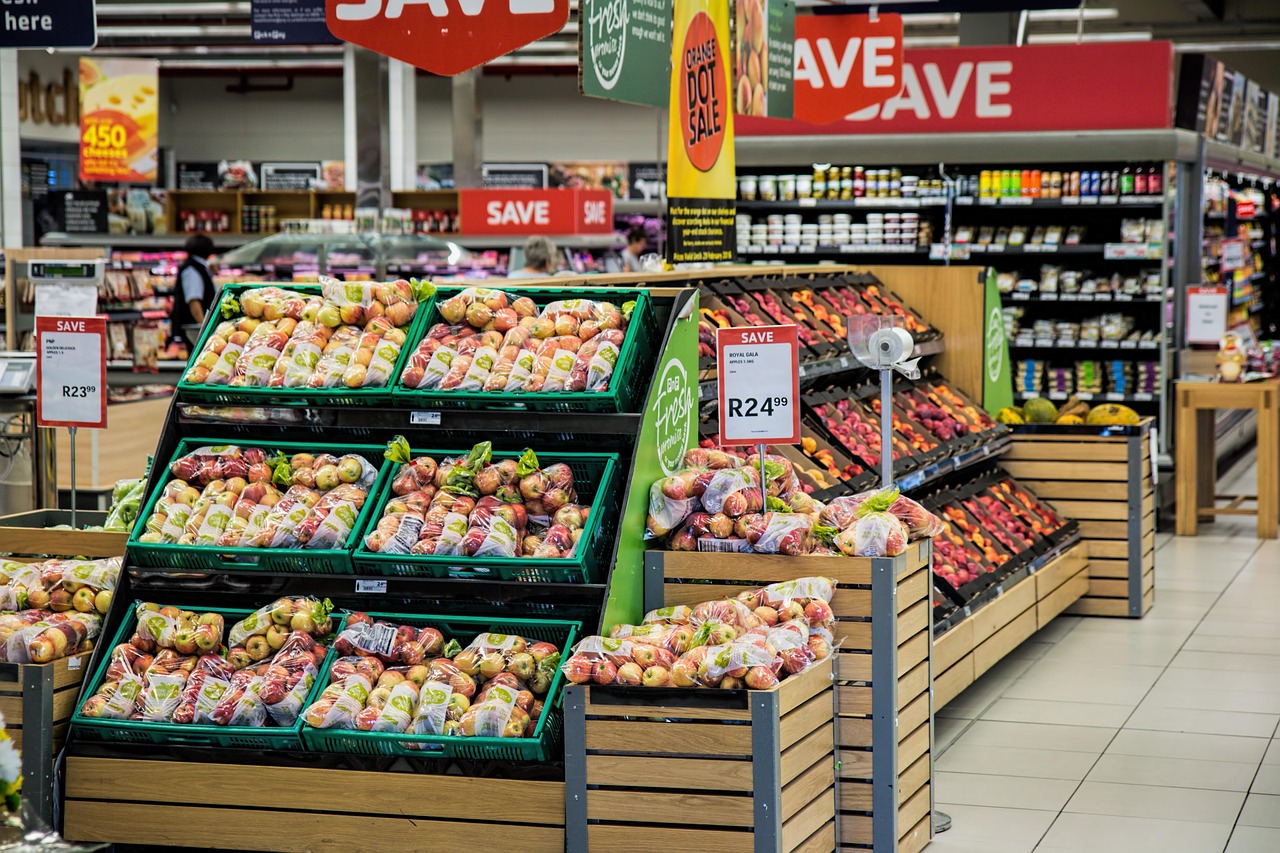
Choosing the right EPOS software is one of the most consequential technology decisions a UK business can make — it shapes how quickly staff serve customers, how accurately you track stock, and how confidently you manage your finances. The market offers dozens of platforms, each with different pricing structures, hardware dependencies, and feature sets, so knowing what to evaluate before you commit is essential. This guide cuts through the noise with practical, sector-specific guidance to help retailers, restaurateurs, and specialist operators find the right fit.
Written by the EPOS Direct UK team, who help UK retail and hospitality businesses select, configure, and deploy EPOS systems every day.
What EPOS Software Actually Does — and Why Your Choice Matters
EPOS (Electronic Point of Sale) software is the intelligence layer that sits behind your till. It processes transactions, yes — but modern platforms go far beyond that. A well-chosen system manages your entire product catalogue, tracks stock in real time, generates trading reports, integrates with your accountancy software, and gives you the data to make better buying decisions.
The wrong choice costs you in ways that aren't always visible upfront: a system that doesn't integrate with your card payment provider forces staff into double-entry; one that lacks granular stock alerts leaves you ordering by gut feel; a platform tied to ageing on-premise hardware becomes a liability during a power cut or hardware failure. Selecting deliberately — rather than defaulting to the cheapest or most familiar brand — pays compound dividends over years of operation.
For a broader overview of EPOS technology for UK businesses, the complete guide to EPOS and POS systems is an excellent starting point.
Key Features to Evaluate — Retail vs Hospitality
The feature set that matters most depends fundamentally on your sector. A fashion boutique and a busy restaurant both need reliable transaction processing, but their operational demands diverge sharply after that.
Retail EPOS Software Priorities
- Product and variant management — support for SKUs, barcodes, sizes, colours, and product bundling without workarounds.
- Real-time stock control — automated low-stock alerts, purchase order generation, and multi-location inventory if you operate more than one site.
- Loyalty and promotions engine — configurable discounts, reward points, and promotional pricing that don't require manual overrides at the till.
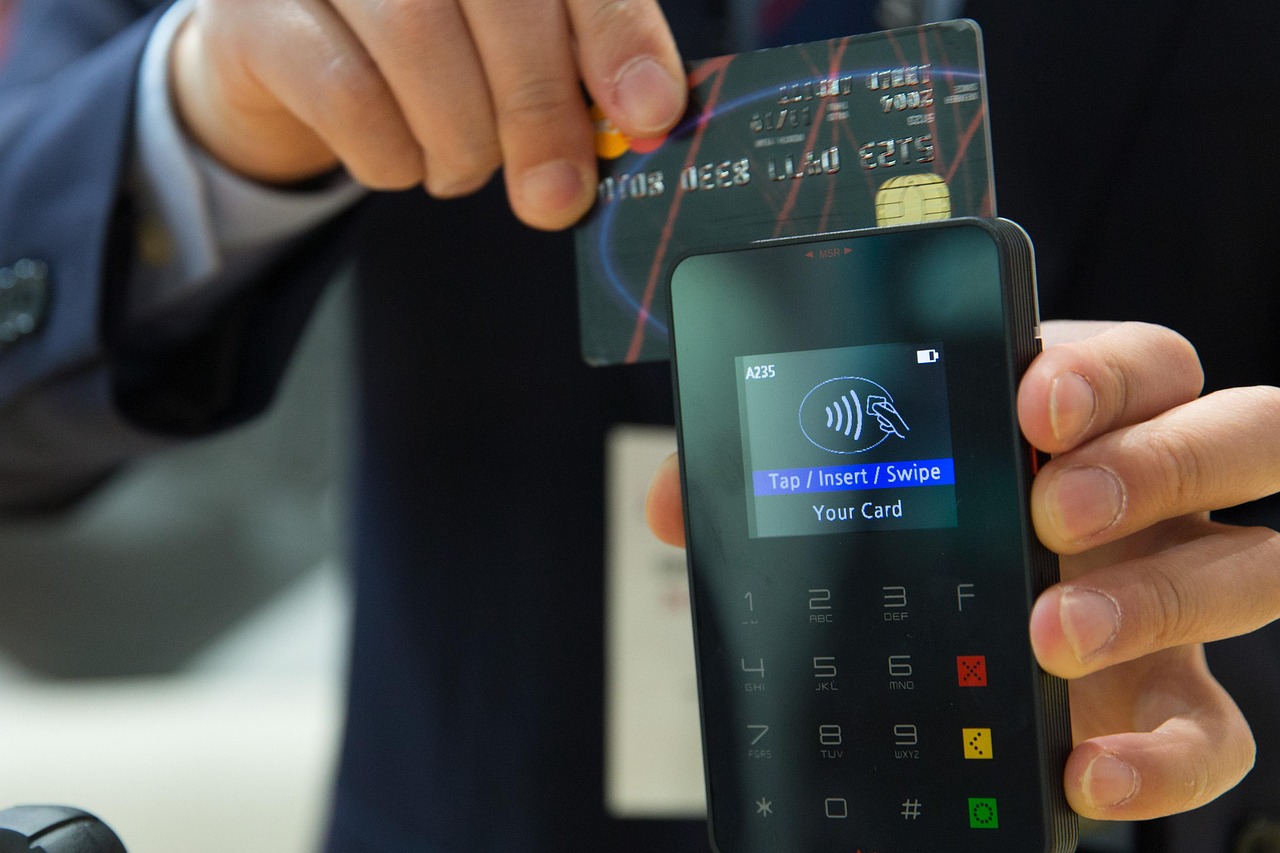
- Integrated card payments — seamless connection between the software and your card terminal eliminates end-of-day reconciliation errors. See our guide to EPOS systems with integrated card payments in the UK for a full breakdown.
- Reporting and analytics — daily, weekly, and period sales reports broken down by category, staff member, or channel.
Hospitality and Restaurant EPOS Software Priorities
- Table and cover management — visual floor plans, table status, and the ability to split, merge, or transfer bills without workflow disruption.
- Kitchen display system (KDS) integration — orders routing directly to prep stations with ticket timing to reduce errors and improve speed of service.
- Modifier and allergen handling — flexible item modifiers (cooking preferences, portion sizes) and allergen flagging that comply with Natasha's Law requirements. For authoritative allergen guidance, refer to the Food Standards Agency.
- Reservation and waitlist integration — connection to booking platforms so covers feed automatically into the floor plan.
- Tab and bar management — open tabs, quick-fire ordering, and age-verification prompts for licensed premises.
If you are unsure which feature tier suits your business size, our guide to the best till systems for small businesses in the UK gives practical tier-by-tier guidance.
Cloud-Based vs On-Premise EPOS Software: A Practical Comparison
This is the architecture question most buyers ask early in their research, and it's worth getting right because migrating later is disruptive and costly.
| Factor | Cloud-Based EPOS | On-Premise EPOS |
|---|---|---|
| Upfront cost | Lower — software is subscription-based; hardware investment is typically lighter | Higher — full hardware and perpetual licence purchase required |
| Ongoing cost | Monthly or annual subscription; support and updates included | Separate support contracts; manual updates often chargeable |
| Internet dependency | Requires connectivity; quality systems include offline mode to continue trading during outages | Operates fully offline; no broadband dependency |
| Remote access | Full dashboard access from any browser or mobile device | Usually limited to on-site terminals unless separately configured |
| Scalability | Add locations, registers, or users with minimal friction | Scaling typically requires additional hardware and licences |
| Updates & security | Automatic — provider manages patches, PCI DSS compliance support, and feature releases | Manual — your team or support contract must manage updates |
| Best suited to | Most modern retail and hospitality businesses; multi-site operators; businesses that want low IT overhead | High-volume businesses with strong IT resource and unreliable internet; specialist sectors |
For the overwhelming majority of UK retail and hospitality businesses opening or upgrading today, cloud-based software offers the better balance of cost, flexibility, and resilience — particularly where the provider offers a robust offline mode.
What Does EPOS Software Cost in the UK?
Pricing in the UK market varies considerably depending on whether you're taking a subscription or purchasing outright, the number of terminals, and the feature tier you need. The following are indicative market ranges to orient your budget — your actual quote will depend on configuration and provider.
- Entry-level cloud software subscription — typically from around £30–£60 per month per terminal for a basic retail or hospitality feature set.
- Mid-tier cloud software — most established UK businesses operate in the £60–£150 per month range, which usually includes stock management, reporting, and integrations.
- Enterprise and multi-site platforms — custom pricing; expect to budget meaningfully more for features such as centralised management, API access, and dedicated account management.
- On-premise perpetual licences — upfront costs vary widely; budget typically from several hundred to several thousand pounds per terminal, plus annual support contracts.
- Combined hardware and software bundles — suppliers often package terminals, software, and payment integration; all-in monthly arrangements typically fall between £50 and £200+ per month depending on hardware specification.
To make an informed decision between subscription and outright purchase, our dedicated article on monthly EPOS subscriptions versus outright purchase walks through the financial trade-offs in detail. You can also explore EPOS Direct's software options directly to see current packages.
Questions to Ask Any EPOS Provider Before You Sign
A provider's sales process will inevitably emphasise strengths. These questions help surface the details that matter in daily operation:
- What happens if my internet goes down? — Confirm whether the system has a genuine offline mode that continues processing sales and syncs when connectivity returns, or simply stops working.
- Who owns my data, and how do I export it? — Your trading history is a business asset. Understand the data portability policy before you sign, especially if the contract involves lock-in periods.
- What does support actually look like? — Distinguish between 24/7 telephone support and a ticketing system with 48-hour response SLAs. For a hospitality business trading on a Saturday night, this distinction is critical.
- Is card payment integration native or third-party? — Native integration means one reconciliation, one point of contact, and fewer failure points. Our guide to combined card machine and till systems explains why this matters operationally.
- What are the contract terms and exit conditions? — Understand minimum terms, notice periods, and any hardware or software costs if you leave early.
- How are software updates managed, and do they cost extra? — A cloud subscription should include updates; confirm this explicitly rather than assuming.
If you would prefer to work through these questions with a specialist, you can talk to an expert online at EPOS Direct UK at any point.
Common Mistakes Businesses Make When Buying EPOS Software
Experience working with UK operators across retail, hospitality, pharmacy, and specialist sectors reveals a set of recurring purchasing mistakes worth flagging explicitly.
Buying Hardware First, Software Second
Many businesses select hardware on aesthetics or price, then discover the software they actually need won't run on it efficiently — or at all. Always define your software requirements first; hardware is a delivery vehicle for the software, not the other way around.
Underestimating Total Cost of Ownership
The software licence is rarely the whole cost. Factor in hardware, installation, training, payment processing fees, and support contracts. A cheaper headline price with expensive card processing or costly support can easily exceed the total cost of a better-specified package.
Ignoring Sector-Specific Features
A generic retail platform deployed in a restaurant will create operational friction from day one — no table management, no kitchen printing logic, no cover tracking. Similarly, a hospitality system in a pharmacy won't handle dispensary workflows or NHS integration. Sector fit matters.
Failing to Plan for Growth
A system that handles one terminal comfortably may become a bottleneck when you add a second location or an online sales channel. Ask explicitly how the platform scales, and what the cost implications are before you need to find out under pressure.
Skipping the Demo
Reading specifications is no substitute for seeing software in realistic operation. EPOS Direct offers dedicated demos for retail EPOS, restaurant EPOS, and pharmacy EPOS — an hour of genuine product engagement will answer questions that no brochure can.
Why UK Businesses Choose EPOS Direct
EPOS Direct UK has worked with retail and hospitality businesses across the United Kingdom for many years, supplying, configuring, and supporting EPOS systems from independent shops and cafés through to multi-site retail chains and restaurant groups. The proposition rests on three pillars that buyers consistently cite as differentiators.
- Sector-specific software — purpose-built platforms for retail, hospitality, and pharmacy rather than one-size-fits-all solutions retrofitted to each vertical.
- Integrated hardware and software supply — one supplier relationship covering terminals, peripherals, software, and payment integration reduces the complexity and blame-shifting that comes with assembling solutions from multiple vendors.
- UK-based expertise and support — real people who understand UK trading conditions, VAT requirements, and the operational rhythms of British retail and F&B businesses.
For retailers, you can view current packages and pricing on the retail EPOS offers page. Hospitality operators can explore options on the hospitality and restaurant EPOS offers page. The EPOS Direct UK home page is the best starting point for a full picture of current deals, hardware bundles, and sector solutions.
Making the Right Decision: A Summary
The right EPOS software is the one that fits your sector's operational logic, scales with your ambitions, integrates cleanly with your payment setup, and comes with support you can rely on when something goes wrong at the worst possible moment. Price matters — but total cost of ownership, not headline licence cost, is the meaningful figure to compare.
Define your must-have features first. Shortlist platforms that meet them. Demand a live demo. Ask the hard questions about data ownership, offline resilience, and support response times. Then choose a supplier — not just software — that you can build a working relationship with over years rather than months.
EPOS Direct UK is ready to help you make that decision with confidence. Request a free demo today, or request a call back from a specialist who understands your sector.
Frequently asked questions
- How much does EPOS software typically cost for a small UK business?
- In the UK, EPOS software pricing varies widely depending on features and provider. Entry-level cloud-based systems can start from around £15–£30 per month per terminal, while mid-range solutions with full stock management and reporting typically range from £40–£80 per month. More advanced hospitality or multi-site retail platforms can cost £100+ per month. Many providers also charge a one-off setup or hardware fee. Always check what is included — support, updates, and payment processing fees can significantly affect your total cost.
- Do I need separate software for my till and my online shop?
- Not necessarily. Most modern EPOS software platforms offer integrations with popular ecommerce platforms such as Shopify, WooCommerce, and BigCommerce, allowing your in-store and online inventory to sync automatically. When evaluating systems, ask specifically whether omnichannel selling is included in your plan or costs extra, as this varies between providers.
- What is the difference between EPOS software and a traditional cash register system?
- A traditional cash register records sales and handles basic cash management, whereas EPOS (Electronic Point of Sale) software provides a fully integrated system that handles stock management, staff permissions, customer loyalty, sales analytics, supplier management, and payment processing in one place. For growing UK businesses, EPOS software delivers far greater visibility and control over day-to-day operations.
