We use cookies to make your experience better.
To comply with the new e-Privacy directive, you agree to the privacy policy and our use of cookies


EPOS Software Costs Explained: What UK Businesses Actually Pay
EPOS Software Pricing for UK Businesses: A Complete Cost Breakdown
EPOS software costs in the UK vary considerably depending on how it is licensed, what features your business needs, and whether hardware is bundled into the package. Most UK businesses pay somewhere between a modest monthly subscription and a larger one-off investment — and understanding exactly what drives that figure is the difference between choosing a system that serves you for years and overpaying for functionality you will never use. This guide breaks down the real cost structure, sector-by-sector, so you can walk into any conversation with a supplier fully informed.
How EPOS Software Is Priced: Licence, Subscription or One-Off Fee?
Before comparing any numbers, it helps to understand the three fundamental pricing models used across the UK market.
Subscription (SaaS) pricing
The most common model today. You pay a recurring monthly or annual fee to access cloud-hosted software. Updates, security patches and — usually — a base level of support are included. Annual billing typically reduces the effective monthly cost compared with rolling monthly contracts. This approach suits businesses that prefer predictable operational expenditure and want to avoid a large upfront outlay.
Perpetual (one-off) licence
You purchase the software outright. There are no ongoing licence fees, though you may pay separately for support, major version upgrades or cloud connectivity. This model can work well for established businesses with stable processes that want to minimise long-term running costs. For a fuller comparison of both approaches, our guide on monthly EPOS subscriptions versus outright purchase walks through the trade-offs in detail.
Bundled hardware-and-software packages
Many suppliers — including EPOS Direct UK — offer complete packages where the software licence is priced into a hardware bundle. This is often the most cost-effective route for businesses starting from scratch, since negotiating a single package removes the complexity of sourcing compatible components separately.
Typical EPOS Software Costs for UK Retail Businesses
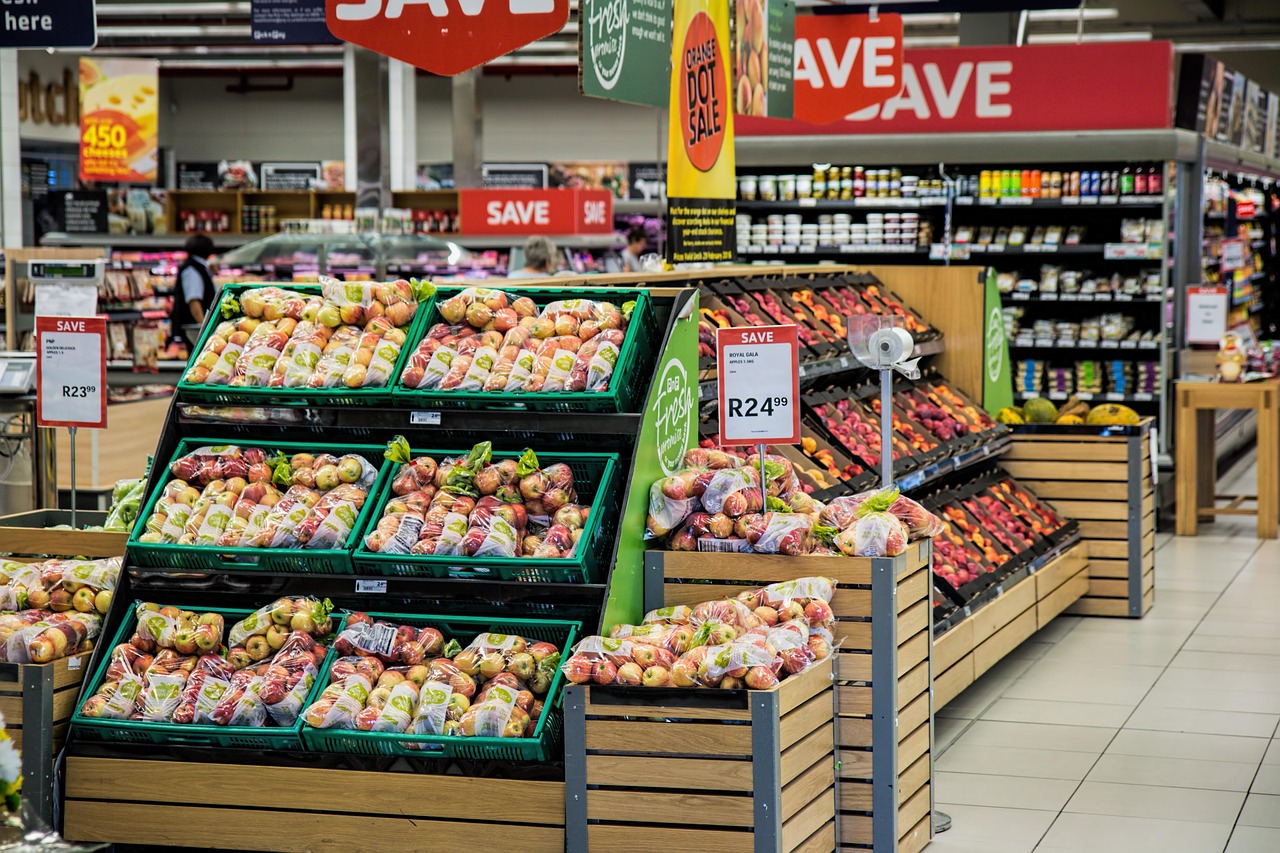
For a single-till retail setup — a boutique, pharmacy, convenience store or similar — entry-level cloud EPOS software typically starts from around £20–£30 per month per terminal on a subscription basis. Mid-tier retail software with inventory management, customer loyalty tools and reporting usually falls in the range of £40–£80 per month per terminal. Enterprise or multi-site retail licences can run considerably higher, often negotiated on a bespoke basis.
One-off licence costs for retail EPOS software in the UK generally range from a few hundred pounds for a basic system to well over a thousand for a feature-rich platform — before factoring in annual support and maintenance agreements.
It is worth noting that software price alone rarely tells the full story. A lower monthly fee that excludes loyalty, stock control or integrations with accounting tools may cost more in add-ons than a higher-tier plan that bundles them. Our practical buyer's guide to till systems for small businesses covers what to look for beyond the headline price.
If you would like to see EPOS Direct's retail software in action before committing, you can book a retail EPOS software demo at no cost or obligation.
EPOS Software Pricing for Hospitality: Restaurants, Cafés and Bars
Hospitality EPOS software is typically priced at a modest premium over basic retail, reflecting the additional complexity — table management, kitchen display integration, split bills, course-by-course ordering and covers reporting. Subscription plans for a single-site restaurant or café typically start from around £40–£60 per month per terminal, with full-featured hospitality platforms ranging from £70–£120 per month for a comprehensive setup.
Multi-terminal environments — a busy bar with four tills, for instance — are usually priced per terminal or offered at a site-based flat rate, which can significantly improve the per-terminal economics at scale. If your venue relies heavily on tableside ordering, it is also worth factoring in the software cost of handheld devices, which may be licensed separately.
Integration with card payment terminals is another consideration specific to hospitality. Systems where the EPOS and payment terminal communicate directly reduce human error and speed up table turns meaningfully. Our guide to EPOS systems with integrated card payments explains what to look for. You can also explore our hospitality and restaurant EPOS offers to see current packages.
For those operating pharmacies or healthcare retail, EPOS requirements differ again — dispensary workflows, NHS reporting and controlled-drug audit trails introduce specialist features. A pharmacy EPOS software demo is available to explore what a purpose-built solution looks like.
Hidden Costs to Watch Out for When Comparing Packages
The monthly software figure rarely represents the true total. Buyers who focus solely on the headline subscription often encounter additional charges that reshape the economics entirely.
- Onboarding and installation fees: Some suppliers charge a one-time setup fee covering configuration, data migration and initial training. This can range from a few hundred to several thousand pounds depending on complexity.
- Support tiers: Many platforms offer basic email support on entry plans but charge extra for telephone support, priority response or a named account manager.
- Software integrations: Connecting your EPOS to an accounting platform such as Xero or QuickBooks, or to an e-commerce store, may require a paid integration or a higher-tier plan.
- Additional users or terminals: Plans priced per terminal or per user can escalate quickly as your business grows. Always model the cost at the number of tills and staff logins you expect to need within 12–24 months.
- Payment processing rates: If a supplier bundles payment processing with their software, the transaction rate affects your total cost of ownership significantly. Always calculate the blended cost across realistic monthly card turnover.
- Contract lock-in and cancellation terms: Some annual contracts charge the remaining balance on early exit. Understand exit terms before signing.
For businesses evaluating card acceptance alongside their EPOS software, our guide to combining a card machine and till system is a useful starting point for understanding how payment costs interact with software costs.
What Affects Your EPOS Software Price? Key Factors Explained
No two businesses receive an identical quote, and several variables drive meaningful differences in final cost.
| Factor | Lower cost scenario | Higher cost scenario |
|---|---|---|
| Number of terminals | Single till, one location | Multiple tills across several sites |
| Feature requirements | Basic sales, receipts, simple reporting | Advanced stock control, loyalty, CRM, kitchen display |
| Sector | Simple retail (gifts, clothing) | Hospitality, pharmacy, regulated retail |
| Integration depth | Standalone EPOS, no third-party connections | Accounting, e-commerce, payroll, delivery platforms |
| Contract length | Annual commitment (lower monthly rate) | Rolling monthly (higher flexibility, higher per-month cost) |
| Support level | Self-serve knowledge base | Dedicated account manager, 24/7 phone support |
| Hardware bundling | Software-only licence (you source hardware) | Turnkey hardware-and-software bundle |
The sector your business operates in can be one of the most significant cost drivers. A florist using a basic sales terminal has fundamentally different requirements from a multi-kitchen restaurant managing allergen declarations and table-linked ordering. Always ensure you are comparing like-for-like features, not just headline prices.
What Is Included in EPOS Direct UK Packages?
EPOS Direct UK provides EPOS systems and software across retail, hospitality, pharmacy and beyond, with packages designed to be transparent rather than reliant on hidden add-on charges. Rather than publishing fixed prices that cannot account for the variables above, EPOS Direct works with businesses to build a package around actual requirements — which means the quote you receive reflects what you genuinely need, not a generic tier.
Depending on the package chosen, businesses typically benefit from:
- Purpose-built EPOS software for their specific sector
- Integrated stock and inventory management
- Sales reporting and end-of-day summaries
- Customer management and loyalty tools
- Staff management and permissions
- Integration with leading payment providers
- UK-based support and account management
- Onboarding assistance and training
You can explore the full EPOS Direct software platform to see what is available, or visit the EPOS Direct UK home page for current offers and more information across the full product range. For those ready to discuss specifics, talking to an EPOS expert online is a fast way to get guidance without committing to anything.
How to Choose the Right EPOS Software Plan for Your Budget
Before requesting a quote from any supplier, it pays to work through a short set of questions that will sharpen your brief and prevent you from being sold features you do not need — or missing ones you do.
Questions worth answering before you compare
- How many tills and staff logins will you need on day one — and in two years? Per-terminal pricing can scale quickly. Think ahead.
- Which integrations are non-negotiable? If you use Xero, Shopify or a specific delivery aggregator, confirm compatibility before signing anything.
- What level of support do you genuinely need? A solo retailer comfortable with technology may manage with self-serve support. A busy restaurant on a Friday night needs a phone number that is answered.
- Is integrated card payment important to you? Tightly integrated card and EPOS removes manual reconciliation errors and often speeds up checkout. Our guide to choosing the best till system for your small business addresses this decision.
- Do you need mobile or wireless card acceptance away from a fixed till? If so, review options alongside your EPOS choice — our guide to the best wireless card machines for small businesses covers the main options.
The direct answer: what should UK businesses expect to pay?
Most UK small businesses running a single till can expect to pay approximately £20–£80 per month for EPOS software, depending on sector and features. Multi-site or enterprise setups are typically quoted on a bespoke basis. One-off licence purchases exist but are increasingly uncommon for new deployments. These are indicative ranges intended as planning guidance — your actual cost will depend on the specific package, support level and contract terms you agree.
Ready to Find the Right Package?
Understanding how EPOS software is priced puts you in a far stronger position when comparing suppliers, whether you are opening your first shop, upgrading an ageing till system or expanding across multiple sites. The key is ensuring that the package you choose matches your actual workflow — not just the lowest number on a comparison sheet.
EPOS Direct UK works with businesses across retail, hospitality and specialist sectors every day, helping them find systems that are properly matched to budget and operational need. To take the next step, you can request a free demo and see the software in context, or request a call back from the team to discuss your specific requirements. For a broader overview of everything EPOS Direct offers, our complete guide to EPOS and POS systems is a helpful starting point.
Written by the EPOS Direct UK team, who help UK businesses across retail, hospitality and specialist sectors find the right EPOS solution every day.
Frequently asked questions
- How much does EPOS software typically cost for a small UK business?
- For a single-till setup in the UK, EPOS software costs generally range from £0 to £50 per month on a subscription model, or a one-off licence fee of £300 to £800. Cloud-based systems for small retailers or cafés often sit around £20–£40 per month. Larger multi-site or full hospitality deployments can run £80–£150 per month depending on features, support level, and number of terminals. Always check what is included — some providers charge extra for payment integration, updates, or technical support.
- Is it better to pay monthly for EPOS software or buy an outright licence?
- Monthly subscriptions keep upfront costs low and usually include automatic updates and cloud backups, making them ideal for growing businesses that want flexibility. Outright licences suit businesses that prefer a fixed asset with no ongoing fees, though you may pay separately for upgrades or support contracts. Most UK EPOS providers have moved toward SaaS models, so monthly pricing is now the most common option.
- Are there any extra fees I should ask about before signing up for an EPOS package?
- Yes — common additional costs include payment processing fees (often 0.5%–1.5% per transaction), hardware rental or purchase, onboarding and installation charges, staff training, and premium support tiers. Some providers also charge per additional user, per extra till, or for specific integrations like accounting software or online ordering. Always request a fully itemised quote so you can compare like for like.
