We use cookies to make your experience better.
To comply with the new e-Privacy directive, you agree to the privacy policy and our use of cookies


Key Benefits of an EPOS System for UK Retail & Hospitality Businesses
The Real Benefits of an EPOS System for Your UK Business

A modern electronic point-of-sale system does far more than process a transaction — it acts as the operational backbone of a retail shop, restaurant, or service business, connecting payments, stock, reporting and staff management into a single, intelligent platform. For UK business owners weighing up whether the investment is worthwhile, the evidence is consistent: businesses that switch from a basic till to a capable EPOS system typically recover their setup costs through faster service, fewer stock errors and sharper commercial insight. This guide explains exactly what those gains look like in practice, how to select the right system, and what realistic costs to expect in the UK market.
What Is an EPOS System and How Does It Work?
EPOS stands for Electronic Point of Sale. At its core, an EPOS system combines hardware — typically a touchscreen terminal, receipt printer, cash drawer and barcode scanner — with cloud-based or locally hosted software that records every transaction in real time. Unlike a standalone cash register, an EPOS platform links that transaction data to stock levels, customer accounts, loyalty programmes and financial reports automatically.
When a staff member scans an item or selects a dish, the system simultaneously updates the inventory count, applies the correct price or promotion, calculates VAT, and logs the sale against a time-stamped record. That single action generates data points that, cumulatively, give business owners a granular picture of performance — without manual bookkeeping. Modern systems also integrate with payment terminals, so card and contactless payments settle directly into the same reporting dashboard.
For a broader introduction to how these platforms are structured and what to expect from a full-service provider, the complete guide to EPOS and POS systems for UK businesses is a useful starting point.
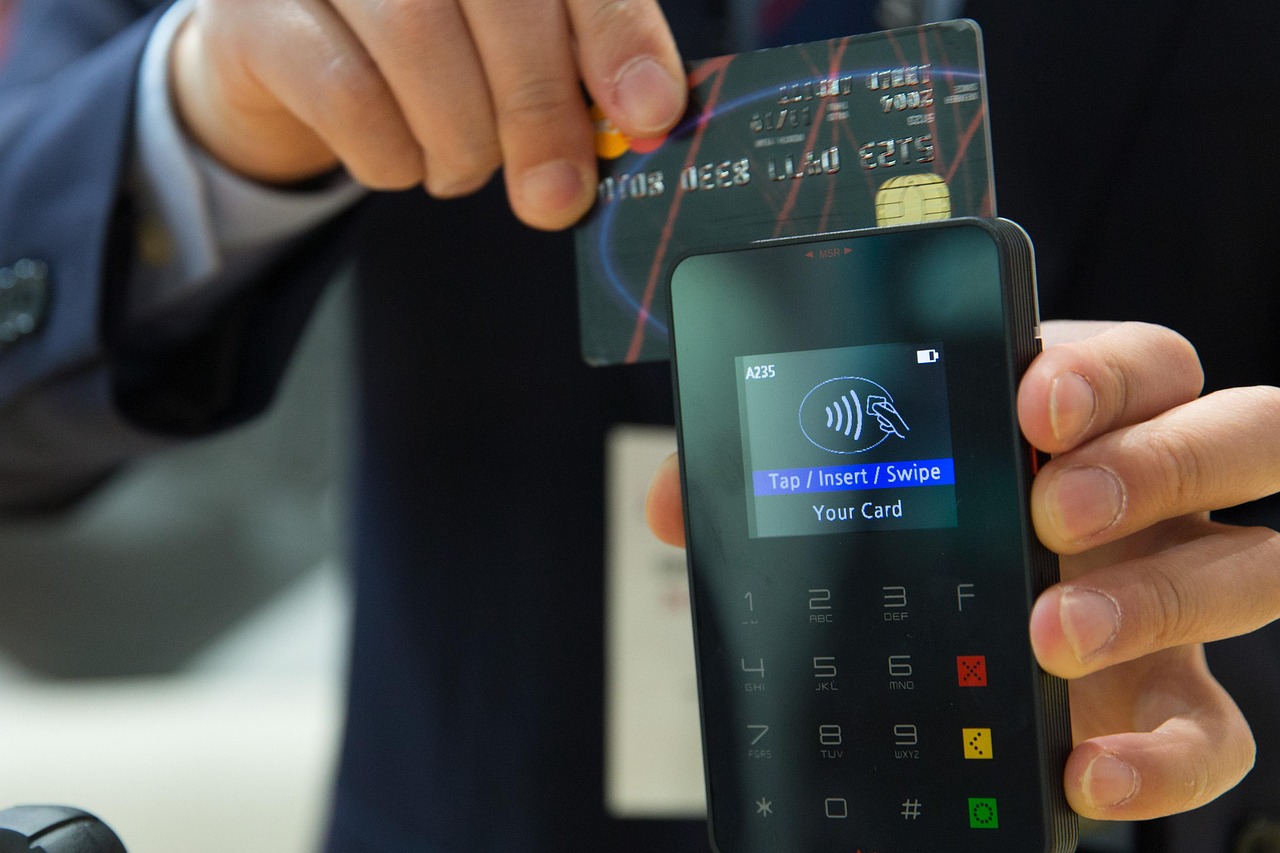
Top Benefits of an EPOS System for Retail Businesses
Retail is where the operational advantages of an EPOS platform are most immediately visible. Consider the practical gains across five key areas:
- Accurate pricing and promotions: Prices are held centrally in the software, so a markdown applied to one product updates instantly across every terminal — eliminating the risk of staff charging the wrong amount or forgetting to honour a promotion.
- Real-time stock visibility: Every sale decrements the stock count automatically. Retailers know exactly what is on the shelf without manual stock-counts, and low-stock alerts can trigger reorder reminders before items run out.
- Faster customer throughput: Barcode scanning and quick-select product grids dramatically reduce checkout time, particularly during peak periods. Shorter queues translate directly to higher customer satisfaction and more transactions per hour.
- Customer loyalty and CRM: Most retail EPOS platforms support loyalty card schemes, purchase history and customer profiles — data that drives personalised promotions and repeat visits.
- Multi-site management: For retailers with more than one location, a cloud EPOS system provides a consolidated view of stock and sales across all branches from a single login.
Clothing retailers, in particular, benefit from size and colour matrix management. If you operate a fashion or apparel store, the dedicated guide to EPOS systems for clothing shops in the UK covers sector-specific features in depth.
Ready to see how this looks in practice? You can explore a retail EPOS software demo directly, or browse current retail EPOS offers for hardware and software bundles.
How EPOS Systems Help Hospitality Venues Run More Efficiently
Restaurants, cafés, bars and hotels operate under a fundamentally different set of pressures from retail — variable covers, table management, kitchen communication and split bills all demand software built specifically for food and beverage environments. A hospitality EPOS system addresses these challenges directly.
Table and order management
Waiting staff take orders on a handheld device or terminal, and those orders route to the kitchen display system instantly. There is no paper docket to lose and no shouted instruction to mishear. When a customer requests a modification, it updates in real time — reducing the rate of incorrect dishes arriving at the table.
Course and modifier control
The kitchen receives orders broken down by course and with any dietary notes attached, so the pass runs in sequence. Modifiers (extra sauce, no nuts, medium-rare) are captured at the point of ordering rather than scrawled in shorthand.
Faster bill settlement
Split bills, partial payments and tab management are handled within the software, removing the arithmetic burden from staff and reducing queuing at the end of service. Integrating a card terminal directly into the EPOS means the bill amount passes to the payment device automatically, eliminating manual keying errors.
Staff performance and void reporting
Manager dashboards show voids, refunds and discounts by staff member — a straightforward way to identify training needs or flag anomalies that warrant investigation.
If you run a restaurant, café or bar, book a restaurant EPOS software demo to see these features in action, or view the hospitality and restaurant EPOS offers available right now.
Stock Control, Reporting and Business Insights Explained
One of the most underappreciated advantages of a well-configured EPOS system is the quality of business intelligence it generates passively — without any additional effort from the owner.
What good stock control looks like
- Automatic stock decrements on every sale, with manual adjustment capability for wastage or returns
- Supplier purchase orders generated within the system, matched against deliveries received
- Shrinkage identification — where physical counts diverge from system counts, flagging potential theft or administrative error
- Category-level reporting showing which product lines are the strongest contributors to margin, not just revenue
Reporting that informs decisions
Modern EPOS dashboards can surface hourly sales patterns, busiest product SKUs, average transaction value, staff productivity, and refund rates — all without a spreadsheet. For multi-site operators, consolidated reporting means you can compare performance across locations and identify the practices of the highest-performing branch to replicate elsewhere.
HMRC's Making Tax Digital requirements (which apply to VAT-registered businesses above the threshold — always verify current thresholds at gov.uk) make accurate, timestamped digital records not merely useful but a compliance necessity. A cloud EPOS system with integrated accounting exports meets this requirement natively.
How EPOS Systems Speed Up Payments and Reduce Human Error
Speed and accuracy at the point of payment have a direct effect on customer experience and loss prevention. Manual entry — whether on an old-fashioned till or a standalone card machine — creates two separate opportunities for error: the wrong price typed in, and the wrong amount keyed into the payment device. An integrated EPOS-and-payment setup eliminates both.
When a card machine is paired with the EPOS terminal, the transaction total passes electronically from one device to the other. Staff cannot accidentally charge a different figure, and the reconciliation at end of day is automatic — no counting till receipts against a terminal journal.
Contactless and mobile payments (Apple Pay, Google Pay) are supported natively on modern integrated terminals, which is increasingly important as consumer preference continues to shift away from cash. For businesses weighing up their payment hardware independently, the guide to wireless card machines for small businesses in the UK covers the options in detail, and the combined card machine and till system guide explains how integration works end-to-end.
What to Look for When Choosing an EPOS System in the UK
Not every EPOS system is equally suited to every business. The table below summarises the key selection criteria against the most common business types — use it as a quick reference when evaluating suppliers.
| Selection Criterion | Independent Retail | Restaurant / Café | Multi-site / Franchise | Pharmacy / Specialist |
|---|---|---|---|---|
| Barcode / SKU management | Essential | Less critical | Essential | Essential |
| Kitchen display / KDS integration | Not required | Highly recommended | Dependent on sector | Not required |
| Table and reservation management | Not required | Essential | Dependent on sector | Not required |
| Loyalty and CRM tools | Recommended | Beneficial | Highly recommended | Beneficial |
| Cloud reporting and multi-site dashboard | Useful | Useful | Essential | Useful |
| Integrated card payment terminal | Recommended | Recommended | Recommended | Recommended |
| Sector-specific compliance features | Standard | Allergen labelling support | Standard | PMR / dispensary integration |
| Offline capability | Beneficial | Important | Important | Beneficial |
Beyond features, three practical questions are worth asking any EPOS supplier before you sign a contract:
- What does onboarding and training look like? The best software is worthless if staff cannot use it confidently from day one. Insist on a structured setup session and access to ongoing support.
- Is the system scalable if my business grows? Adding a second terminal, a new site or an online store should be straightforward — confirm the pricing model for additional licences upfront.
- What happens if the internet goes down? Check whether the system can continue processing payments and recording sales in offline mode, syncing when connectivity is restored.
For pharmacies, sector-specific needs — including patient medication record integration — are covered by the pharmacy EPOS software demo.
How Much Does an EPOS System Cost in the UK?
Pricing for EPOS systems in the UK varies considerably depending on the hardware specification, the software tier, payment processing arrangements and the level of support included. The figures below are indicative market ranges, offered as guidance only — actual quotes will depend on your specific requirements and chosen supplier.
- Entry-level single-terminal setup (touchscreen terminal, receipt printer, software licence): typically from around £300–£600 upfront, or available on monthly subscription plans from approximately £30–£60 per month depending on the software tier.
- Mid-range retail or hospitality system (terminal, scanner, cash drawer, integrated card machine, full software suite): most setups fall between £600 and £1,500 for hardware, with software subscriptions from around £50–£120 per month.
- Multi-site or enterprise configurations: costs scale with the number of terminals and sites; indicative software licences for multi-location operations typically start from £80–£150 per terminal per month, with volume arrangements available.
Some providers bundle hardware and software into a single monthly plan with no large upfront cost — a useful option for businesses managing cash flow carefully. It is worth asking whether payment processing fees are included or charged separately, as this significantly affects the total cost of ownership. Businesses seeking the most cost-conscious entry point may find the guide to affordable EPOS systems for small businesses in the UK a practical reference, alongside the general guide to till systems for small businesses.
For businesses that prefer no ongoing monthly software commitment, some hardware-only or pay-as-you-go card solutions exist — though they typically offer fewer management features. The guide to card machines with no monthly fee covers those options honestly.
A Quick Answer: Do EPOS Systems Make a Meaningful Difference?
Yes — for the vast majority of UK retail and hospitality businesses, a properly configured EPOS system delivers measurable improvements in transaction speed, stock accuracy, payment reconciliation and commercial reporting from the first week of operation. The cumulative effect of eliminating manual errors, reducing shrinkage and making data-led purchasing decisions typically justifies the investment within the first trading year for most independent businesses.
Ready to Find the Right System for Your Business?
EPOS Direct UK works with independent retailers, restaurants, multi-site operators and specialist businesses across the United Kingdom every day, helping them identify and configure the right system for their specific trading environment. Whether you are starting from scratch or replacing an ageing till, the team can walk you through the options without obligation.
For a full overview of hardware bundles, software features and current pricing, visit the EPOS Direct UK home page for more offers and information. If you would prefer to speak directly with someone who understands your sector, talk to an expert online — or, if you would like to see the software before committing to anything, request a free demo at a time that suits you. For those who prefer a conversation by phone, you can also request a call back from the team.
Written by the EPOS Direct UK team, who support retail, hospitality and specialist businesses across the United Kingdom with EPOS and POS system advice, configuration and ongoing service every working day.
Frequently asked questions
- Will an EPOS system actually save my business money?
- Yes — most UK businesses report measurable savings within the first few months. EPOS systems reduce stock shrinkage by giving you real-time inventory visibility, cut down on manual pricing errors, and speed up service so you can handle more customers per hour. Over time, the built-in reporting also helps you identify your best-selling products and quietest trading periods, so you can make smarter staffing and purchasing decisions.
- How much does a good EPOS system cost for a small UK business?
- For a single-site UK retail or hospitality business, you can expect to pay roughly £300–£800 for a basic hardware bundle (touchscreen till, receipt printer and card reader). Monthly software licences typically range from £20 to £80 per month depending on features such as stock management, table management or loyalty programmes. EPOS Direct offers competitive bundles with no hidden fees — contact the team for a tailored quote based on your business type and size.
- Can I use an EPOS system if I already have a card payment provider?
- In many cases, yes. Modern EPOS systems are designed to integrate with a wide range of payment processors including popular UK providers. However, choosing a fully integrated solution — where your EPOS software and card terminal communicate directly — removes the need for manual reconciliation and significantly reduces end-of-day errors. EPOS Direct can advise on the best payment integration for your current setup.
