We use cookies to make your experience better.
To comply with the new e-Privacy directive, you agree to the privacy policy and our use of cookies


The Best EPOS Systems for Cafés in the UK: What to Look For and How to Choose
EPOS Systems for UK Cafés: A Complete Buyer's Guide

A well-chosen EPOS system is one of the highest-leverage investments a UK café owner can make — streamlining service, reducing errors, and giving you the real-time visibility you need to run a profitable operation. Modern café EPOS platforms do far more than process payments: they manage menus, track stock, integrate with card readers, and generate the kind of sales reports that turn gut instinct into informed decisions. This guide walks you through everything you need to know to choose the right system for your café, from core features and hardware to honest pricing and integration options.
Why Cafés Need a Dedicated EPOS System
A generic till handles transactions. A dedicated café EPOS system handles your entire operation. The distinction matters because cafés have a unique rhythm — high footfall during short windows, complex modifier-led orders (oat milk, extra shot, no sugar), multiple staff handling the same queue, and a constant need to track perishable stock against waste targets.
A purpose-built system addresses all of this out of the box. Staff can build orders quickly using a touchscreen interface designed for food and beverage workflows. Managers can adjust pricing or add daily specials remotely. And at close of day, you have a clear picture of your busiest periods, most popular items, and net revenue — without manually tallying a till roll.
- Speed at the counter: Intuitive touchscreen layouts reduce the time between a customer ordering and payment clearing — critical during a morning rush.
- Modifier management: Handle drink customisations, allergen flags, and combo deals without relying on handwritten notes or staff memory.
- Stock control: Automatically deduct ingredients as orders are placed, so you know exactly when to reorder milk, beans or pastries.
- Reporting and insight: Identify which items drive the most margin, not just the most sales — a distinction that directly shapes your menu strategy.
Key Features to Look For in a Café EPOS System
Not every EPOS platform is built with hospitality in mind. Before committing to any system, verify that it offers the following capabilities at a level of depth that matches how your café actually operates.
Menu Management and Modifiers
Your menu changes seasonally, daily specials rotate, and customers customise almost every order. Look for a system that lets you update menu items remotely, set time-of-day pricing (breakfast vs. brunch, for example), and build modifier groups — so "add a shot" or "swap to soy" is a single screen tap rather than a verbal negotiation.
Table and Counter Service Modes
Whether you run a pure counter-service model or offer table service, the system should support both without requiring two separate setups. Some cafés blend both — counter ordering with table delivery — and your EPOS should handle that workflow natively.
Staff Management and Permissions
Individual staff logins allow you to track sales by team member, manage clock-in and clock-out, and restrict access to sensitive functions such as refunds or end-of-day reports. This is both a productivity tool and a loss-prevention measure.
Integrated Payments
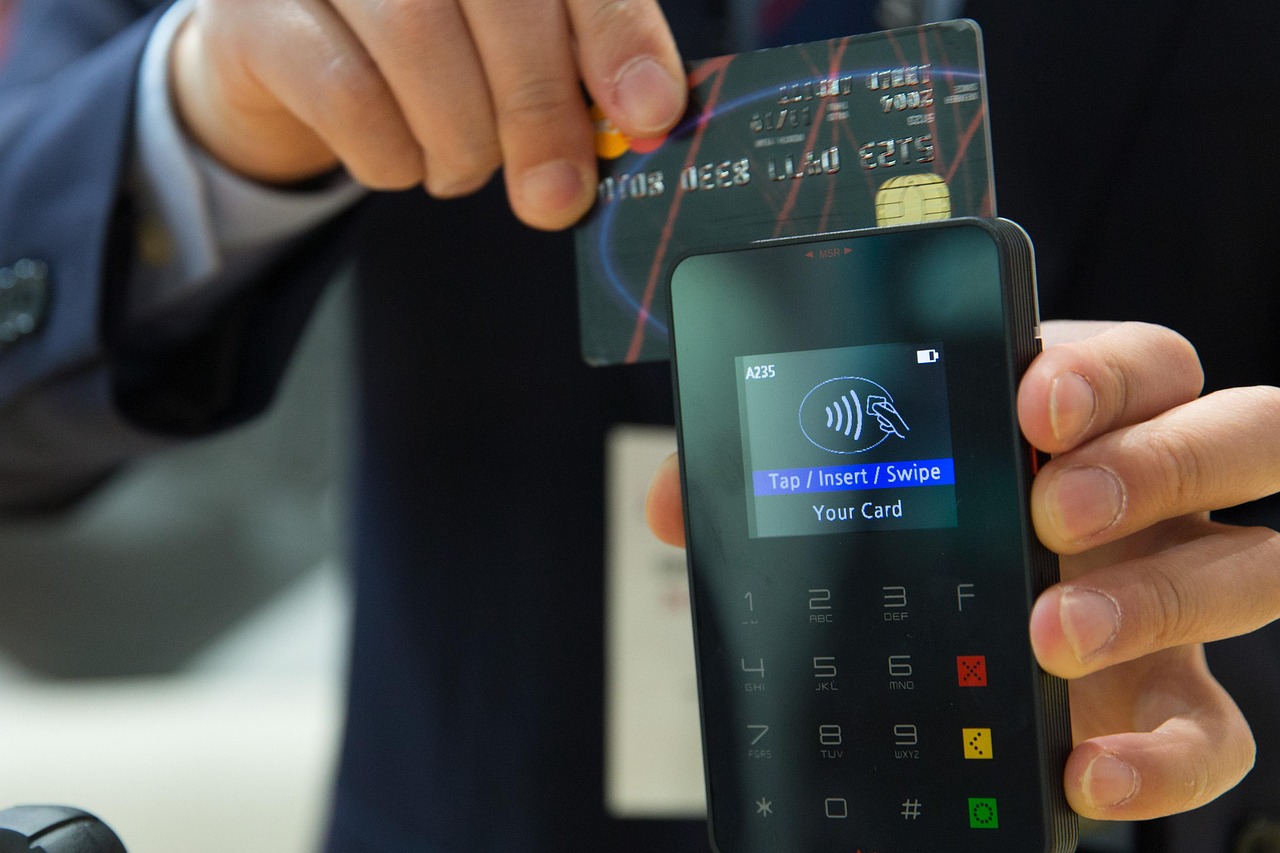
Card payments now account for the vast majority of transactions in UK hospitality venues. An EPOS system that integrates directly with your card reader eliminates the risk of split-payment errors and speeds up the checkout process. For guidance on standalone card hardware, see our practical guide to the best wireless card machines for small businesses in the UK.
Offline Functionality
Internet outages happen. A cloud-based system with offline mode continues to process payments locally and syncs data once connectivity is restored — so a router issue never brings your café to a halt.
Cloud-Based vs Traditional EPOS: Which Is Right for Your Café?
This is the question most café owners wrestle with first, and the honest answer depends on your site, your budget, and how much you value remote access versus total control.
| Consideration | Cloud-Based EPOS | Traditional (On-Premise) EPOS |
|---|---|---|
| Setup cost | Lower upfront; typically subscription-based | Higher upfront licence and installation cost |
| Remote access | Full access from any device, anywhere | Limited to on-site terminals |
| Software updates | Automatic, included in subscription | Manual updates, sometimes chargeable |
| Offline reliability | Good (with offline mode); depends on provider | Fully local — unaffected by internet |
| Scalability | Add terminals or sites instantly | Requires physical installation per site |
| Data and reporting | Real-time dashboards accessible remotely | Reports generated locally at end of day |
| Best suited to | Most modern UK cafés, especially multi-site | Venues with poor broadband or strict IT policies |
For the overwhelming majority of UK cafés today, a cloud-based system offers the better long-term proposition. Remote management, automatic updates, and real-time reporting more than compensate for the ongoing subscription cost — particularly when that cost replaces significant upfront hardware and software expenditure.
Hardware Options: Touchscreen Tills, Receipt Printers and Card Readers
Your hardware choices shape how your café feels to work in every single day, so it is worth thinking beyond the till screen itself.
Touchscreen Terminals
The primary till screen should be large enough to display your full menu without excessive scrolling — typically 15 inches or larger for a busy café. All-in-one terminals that combine screen, processor and optional customer display in a single unit keep counter space tidy and reduce cabling complexity.
Kitchen Display Systems (KDS)
A kitchen display screen replaces printed kitchen tickets with a real-time digital queue. Orders appear the moment they are placed, can be flagged by course or modifier, and are marked off as they are fulfilled. For cafés with any kind of food preparation, a KDS reduces errors and speeds up throughput meaningfully.
Receipt Printers
Thermal printers are the standard choice: fast, quiet, and inexpensive to run (no ink cartridges). Look for a model with automatic paper-cut and ethernet or USB connectivity. If you run a mobile coffee cart or market stall alongside your main premises, a compact Bluetooth printer expands your options considerably.
Integrated Card Readers
A card reader that communicates directly with your EPOS terminal — rather than operating independently — eliminates manual keying of transaction totals and reduces the chance of discrepancies. For a deeper look at combining your card reader and till into one seamless setup, our guide to card machine and till system combinations covers the options in detail.
How Much Does a Café EPOS System Cost in the UK?
Cost is one of the first questions café owners ask, and the honest answer is that it varies considerably depending on your setup. The figures below are indicative ranges based on the UK market — they are guidance, not quotes, and your actual investment will depend on hardware choice, software tier, and whether you opt to purchase or lease.
Typical Cost Ranges
- Entry-level setup (single terminal, basic software): Software subscriptions typically start from around £30–£60 per month. A bundled starter package including a touchscreen terminal and receipt printer often starts from approximately £500–£800 upfront, or from around £15–£25 per week on a lease.
- Mid-range setup (single terminal, full feature set, integrated card reader): Software in this tier typically runs £60–£120 per month. Hardware bundles generally fall between £800 and £1,500 purchased outright.
- Multi-terminal or multi-site setup: Larger cafés or small chains should budget for per-terminal software licences and additional hardware. Most multi-site setups fall between £150 and £300 per month in software costs across all terminals, with hardware scaled accordingly.
If upfront cost is a primary concern, exploring leasing or rental options can significantly reduce the initial outlay. For a broader look at cost-conscious options across the market, our guide to affordable EPOS systems for small businesses in the UK is a useful companion resource. Many café owners find that the efficiency gains — in speed, stock accuracy and reduced waste — offset the monthly cost within the first year of operation.
It is also worth noting that EPOS hardware purchased for business use may qualify for capital allowances under UK tax rules. Speak to your accountant or refer to HMRC guidance at gov.uk to confirm what applies to your specific situation.
Integrations That Matter: Payments, Accounting and Delivery Platforms
A modern café EPOS system should sit at the centre of your technology stack, not in isolation from it. The integrations you prioritise will depend on your business model, but the following are worth evaluating for almost any UK café.
Accounting Software
Direct integration with platforms such as Xero or QuickBooks means your daily sales data flows into your accounts automatically — eliminating manual reconciliation and reducing the risk of errors at tax time. This alone can save several hours of admin per week.
Payment Processors
Your EPOS provider should support multiple payment integrations so you are not locked into a single processor with unfavourable rates. Look for support for major UK acquirers and contactless payment methods including Apple Pay and Google Pay — both now widely expected by UK consumers. If you are evaluating card processing costs, our overview of card machines with no monthly fee may help you weigh up the options.
Delivery and Ordering Platforms
If your café offers click-and-collect or third-party delivery, integration between your EPOS and your online ordering channel ensures that orders flow directly into the same system your counter staff already use — avoiding the chaos of managing multiple tablets and separate menus.
Loyalty and CRM
Digital loyalty programmes integrated directly into the till — rather than managed through a separate app — allow you to reward repeat customers without adding friction to the checkout process. A good EPOS platform will capture customer data at point of sale and feed it into a simple CRM dashboard.
Why UK Café Owners Choose EPOS Direct
EPOS Direct has spent years working alongside UK hospitality businesses — from independent neighbourhood cafés to multi-site coffee concepts — and that operational experience shapes everything we build and recommend. Our systems are designed for the realities of café life: a lunchtime queue that cannot afford a slow till, a manager who needs to check yesterday's figures from home, and a team that turns over often enough to require software that genuinely anyone can learn.
We offer dedicated hospitality EPOS solutions with the features café owners actually use, backed by UK-based support and flexible hardware options to suit every counter size and budget. Whether you are opening your first café or scaling an established operation, you can explore our hospitality EPOS offers to see current packages, or book a restaurant and café EPOS software demo to see the platform in action before you commit.
For café owners who prefer to compare options across the broader market first, our guides to EPOS systems for small businesses and the best till systems for small UK businesses provide further independent context. You can also visit the EPOS Direct UK home page for our latest offers and full product information.
If you have specific questions about your setup — counter layout, integration requirements, or multi-site pricing — our team is available to help you think it through without any obligation. Talk to an expert online or request a free demo and we will tailor a recommendation to your café's exact needs.
Making Your Decision: A Quick Summary
The right EPOS system for a UK café is one that speeds up your counter, gives you accurate stock and sales data, integrates cleanly with your card reader and accounts software, and is genuinely easy for your team to use from day one. For most UK cafés, a cloud-based system on a flexible subscription offers the best balance of capability, cost and scalability.
EPOS Direct specialises in exactly this kind of deployment — practical, proven, and backed by hands-on UK support. Request a call back from our team today and take the first step towards a till system your café will rely on for years to come.
Written by the EPOS Direct UK team, who work with UK hospitality and retail businesses every day to find the right EPOS and POS solutions for their needs.
Frequently asked questions
- What should a good EPOS system do for my café?
- A quality café EPOS system should handle fast order entry, split bills, manage modifiers (e.g. milk type, shot count), track stock in real time, and process all major payment types including contactless and mobile pay. Reporting tools that show your bestsellers and peak hours are also essential for running a profitable café.
- How much does a café till system typically cost in the UK?
- Costs vary depending on your setup. A basic single-terminal EPOS package for a small UK café typically starts from around £300–£600 for hardware, with software subscriptions ranging from £20–£60 per month. Larger cafés needing multiple terminals, kitchen display screens or integrated card terminals may invest £1,000–£2,500 upfront. EPOS Direct offers flexible packages with no hidden fees — contact us for a tailored quote.
- Can I use my café EPOS system to manage table service and takeaway orders at the same time?
- Yes — modern EPOS systems designed for hospitality can handle both sit-in table management and takeaway orders simultaneously. Look for systems that support table mapping, order routing to a kitchen printer or KDS, and integration with platforms like Deliveroo or Uber Eats if you offer delivery.
