We use cookies to make your experience better.
To comply with the new e-Privacy directive, you agree to the privacy policy and our use of cookies


The Best EPOS Systems for Fish and Chip Shops: What to Look For and Why It Matters
EPOS Systems for Fish and Chip Shops: The Complete Buyer's Guide for UK Owners
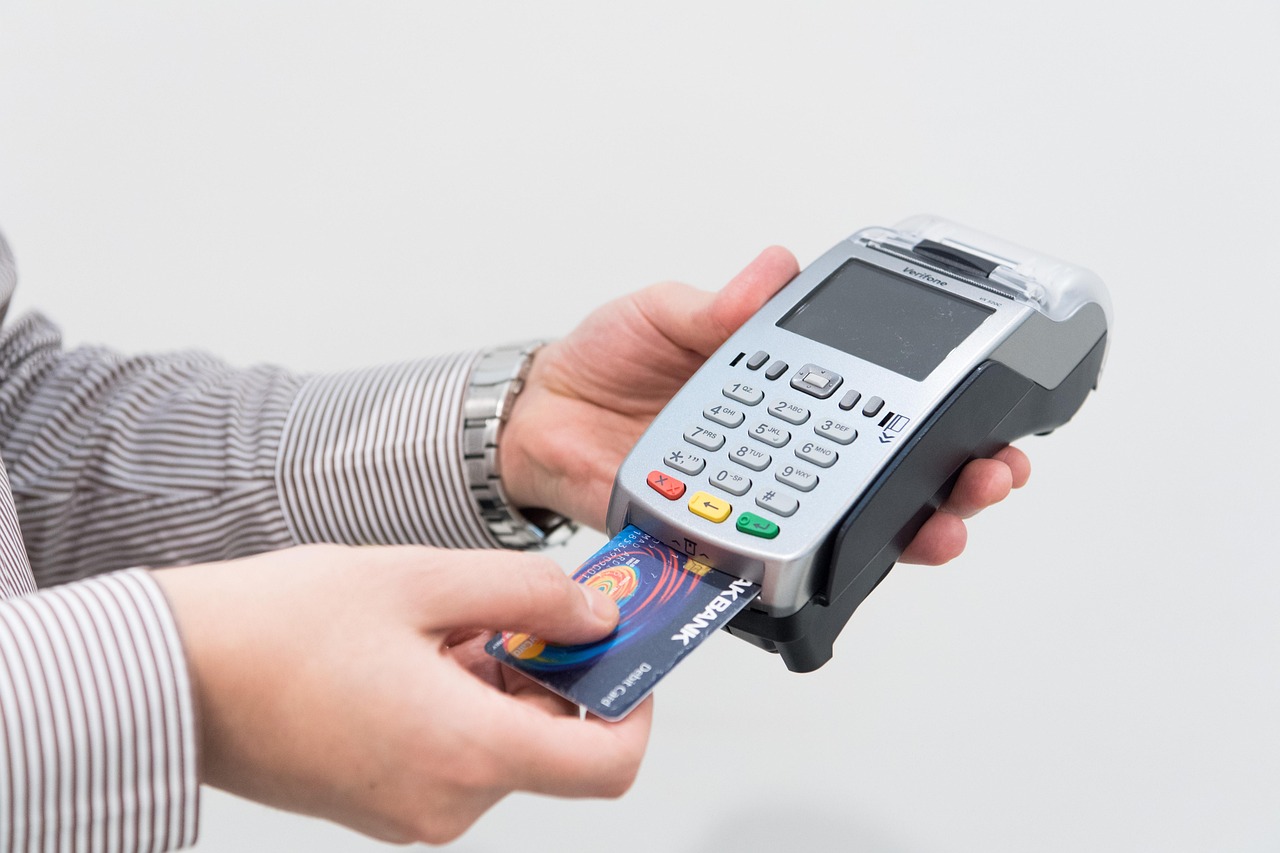
A well-chosen EPOS system can transform a fish and chip shop's operation — cutting queue times during the Friday evening rush, keeping ingredient costs under control, and enabling online orders without the chaos of a second screen. For UK chippy owners, the right till is not simply a payment terminal: it is the operational backbone of a fast, high-volume takeaway where speed, simplicity, and stock accuracy matter equally. This guide covers everything you need to evaluate, choose, and implement a system that genuinely fits the way a fish and chip shop works.
Why Fish and Chip Shops Have Unique EPOS Requirements
Not every hospitality EPOS system is built with a takeaway in mind, and a chippy has very specific operational demands that set it apart from a café, restaurant, or retail store.
- Speed over complexity. Fish and chip shops serve a high volume of customers in a compressed evening window. The interface must allow staff to build an order in seconds — not navigate nested menus.
- Portion-based selling. Items are typically sold as individual portions or meal deals. The system needs to handle modifiers (e.g. large cod with chips, curry sauce, no salt) cleanly and quickly.
- Cash-heavy, but increasingly cashless. Many chippies still handle significant cash volumes alongside card payments. An EPOS system needs to manage both accurately, with integrated cash drawer functionality and a reliable card payment solution.
- Ingredient-level stock. Unlike a retail shop selling discrete products, a chippy deploys raw ingredients — fish, batter, potatoes, oils — across multiple menu items. Tracking usage at ingredient level, not just product level, is essential to control wastage and cost.
- Peak-hour pressure. The system must be robust enough to operate without hesitation during a busy Friday or Saturday evening. Cloud-based backups and offline mode capability are non-negotiable for resilience.
These factors combine to make fish and chip shop EPOS a specialist requirement within the broader takeaway and hospitality category. A generic retail till, or even a standard restaurant POS, will often fall short.
Key Features to Look for in a Chippy EPOS System
When evaluating systems, focus on features that directly support the daily reality of running a busy takeaway rather than impressive-sounding capabilities you will never use.
Quick-Entry Touchscreen Interface
A well-designed touchscreen layout with large, clearly labelled product tiles allows staff to ring through orders at speed. Look for systems that allow you to customise the till layout by category (fish, sides, drinks, sauces) so the most popular items are always one tap away.
Meal Deal and Combo Pricing
The ability to configure meal deals — for example, a fish supper with a drink at a bundled price — without manual calculation is a fundamental requirement. The system should apply the correct price automatically and adjust stock deductions accordingly.
Kitchen Display System (KDS) or Printer Integration
Orders placed at the front till need to reach the kitchen immediately. A kitchen display screen or integrated kitchen printer eliminates the risk of handwritten tickets being misread or lost during a busy service.
Integrated Payments
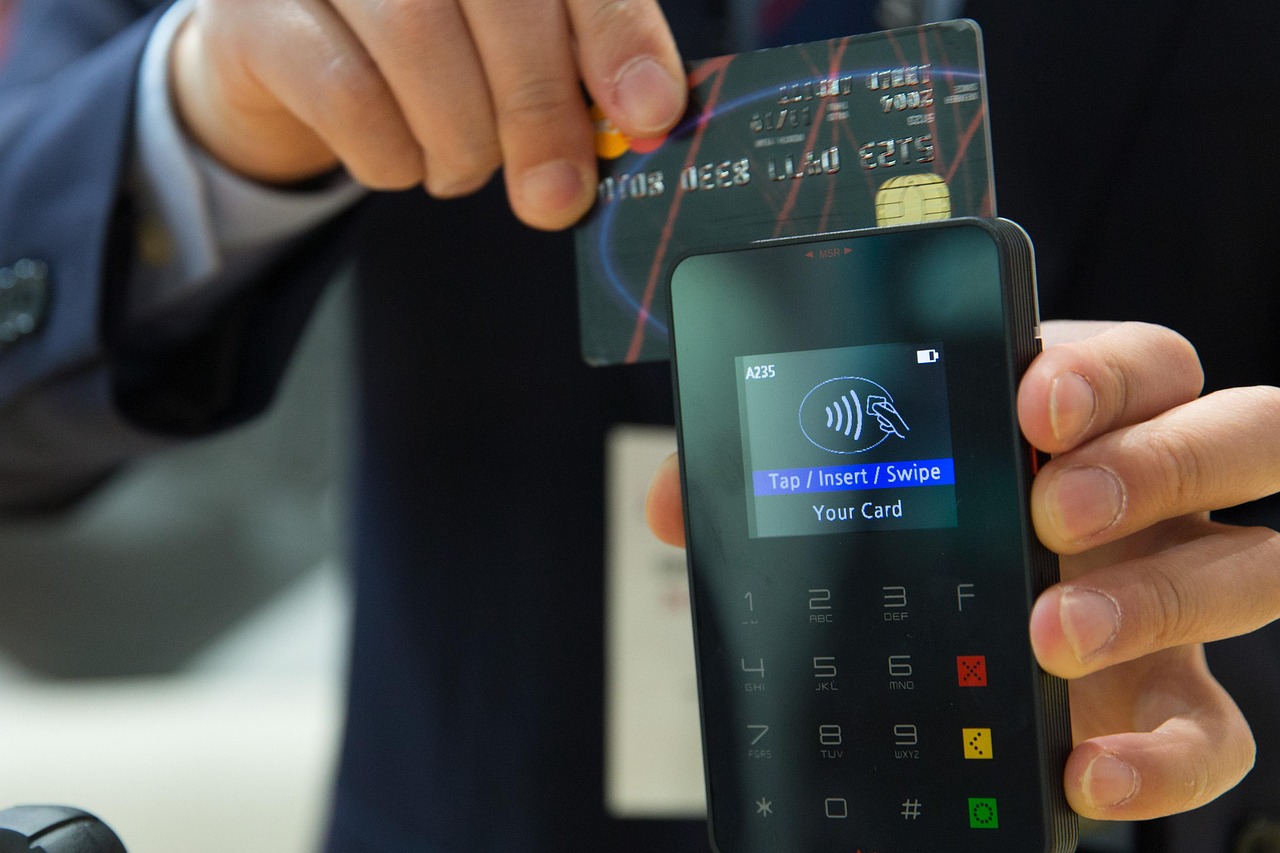
An EPOS system that communicates directly with your card machine removes the chance of keying errors and speeds up the payment step considerably. If you are researching this, our guide to combining a card machine and till system explains how integrated payment setups work and what to look for.
Reporting and End-of-Day Summaries
Daily Z-reports, product mix reports, and hourly sales breakdowns tell you which items are your top sellers, which are dragging down margin, and when your busiest periods fall — intelligence that is invaluable for staffing and purchasing decisions.
Offline Resilience
Cloud-connected systems are excellent, but any EPOS used in a busy takeaway must continue to process orders and payments if the internet connection drops. Confirm offline mode functionality before committing to any system.
How an EPOS System Speeds Up Service During the Evening Rush
The Friday and Saturday evening peak is where an EPOS system earns its place. A well-configured system can reduce average transaction time significantly — which, across a queue of twenty customers, translates directly into revenue and customer satisfaction.
Practical speed gains come from several areas working together:
- Pre-built product buttons mean staff do not search or type — every item is one or two taps from the home screen.
- Automatic price calculation for modifiers and extras eliminates mental arithmetic at the till.
- Integrated card payments remove the need to re-enter totals on a separate terminal — the till sends the amount directly to the card reader.
- Caller ID and customer recall (available on more advanced systems) allows telephone orders to be pulled up by number, avoiding repeat data entry.
- Order queuing and timing displays let customers know when their order will be ready, reducing counter crowding.
These efficiencies compound. A till that saves four seconds per transaction across 150 covers in an evening saves ten minutes of collective transaction time — and reduces the pressure on staff, which in itself reduces errors.
Stock Control and Ingredient Tracking for Fish and Chip Shops
One of the most commercially valuable capabilities of a modern EPOS system is the ability to track stock at ingredient level. For a chippy, this means the system knows that selling a large cod and chips depletes a defined weight of fish fillet, a defined portion of batter mix, and a defined portion of potatoes — not simply that one "large cod and chips" has been sold.
This level of granularity enables:
- Accurate wastage tracking. Compare theoretical stock usage (based on sales) against actual stock counts to identify where product is being lost to over-portioning, spoilage, or theft.
- Automated low-stock alerts. Set minimum thresholds for key ingredients so the system flags when fish stock is running low before you run out mid-service.
- Supplier ordering support. Some systems can generate suggested purchase orders based on sales history and current stock levels, saving time on manual ordering.
- Cost-per-dish visibility. With purchase prices entered against ingredients, the system can calculate the gross margin on each menu item — helping you price confidently and protect profitability as raw material costs fluctuate.
Owners who have never used ingredient-level tracking are often surprised by how quickly it identifies margin leakage that was previously invisible. Given that oil, fish, and potato prices can shift materially with supply conditions, this insight is commercially significant.
Integrating Online Ordering and Delivery Platforms with Your Till
Online ordering has become a meaningful revenue stream for many chippies, whether through their own branded ordering page or through third-party aggregator platforms. The critical question for any owner is: does the EPOS system integrate with these channels, or do online orders arrive on a separate tablet and have to be entered manually?
Manual re-entry is slow, error-prone, and adds workload during already pressured service periods. A properly integrated system pulls online orders directly into the till queue, fires them to the kitchen display, and deducts stock automatically — exactly as a walk-in order would.
Key integration considerations include:
- Compatibility with popular UK delivery and ordering platforms
- The ability to set different pricing or menu availability for online versus in-store orders
- Centralised reporting that consolidates in-store and online revenue in a single dashboard
- Menu update synchronisation — change a price on the till and it reflects immediately online
If online ordering is already part of your revenue mix or you are planning to launch it, this integration capability should be a hard requirement during your evaluation, not an optional extra.
How Much Does an EPOS System Cost for a Fish and Chip Shop in the UK?
Cost is almost always the first question, and it deserves a direct, honest answer. For a single-site fish and chip shop in the UK, an EPOS setup typically falls into one of three tiers:
| Tier | What is typically included | Indicative monthly cost | Best suited to |
|---|---|---|---|
| Entry-level | Tablet-based till, basic sales reporting, cash drawer, receipt printer | Typically from £20–£40/month (software only; hardware purchased separately) | Very small operations, low volume |
| Mid-range | Dedicated touchscreen terminal, integrated payments, stock management, kitchen printer, online order integration | Typically £50–£120/month all-inclusive or on a managed contract | Most single-site chippies |
| Full-featured | All of the above plus KDS, loyalty, multi-site management, advanced analytics, CRM | Typically £120–£250+/month depending on configuration | Larger operations or small chains |
Hardware costs — terminal, printer, cash drawer, card reader — are either purchased outright (typically from £500–£1,500 for a complete single-till setup) or included in a managed monthly bundle. Always clarify what is and is not included in a quoted monthly fee, and check whether software updates, support, and payment processing fees are bundled or billed separately.
For owners weighing up their broader options, our guide to the most affordable EPOS systems for small businesses provides a wider market overview, and our practical guide to till systems for small businesses covers the core evaluation framework in detail.
Payment processing rates in the UK typically sit between 1.5% and 2.5% per card transaction for small businesses, though negotiated rates through an integrated EPOS provider can sometimes be more favourable. These rates are governed by the Financial Conduct Authority (FCA) regulatory framework; for current merchant services information, the UK Finance trade body provides impartial guidance.
What Should You Ask Before Signing a Contract?
Beyond feature lists and price, the questions that protect you as a buyer relate to support, flexibility, and total cost of ownership.
- What happens if the system goes down during service? Ask specifically about offline mode and the support response time available in the evening — when a chippy actually needs it.
- How long is the contract, and what are the exit terms? Some providers lock businesses into multi-year agreements with punitive early exit clauses. Understand your obligations before signing.
- Is training included, and how is it delivered? Staff turnover in hospitality is high. Ask whether training materials are available on demand, not just at the point of installation.
- Will the system scale? If you open a second site, add a delivery operation, or launch online ordering, can the system accommodate that without a complete replacement?
These are the questions that separate a good purchasing decision from an expensive lesson. If you are exploring card machine options alongside your till evaluation, our guide to wireless card machines for small businesses covers what to look for in a payment device that works in tandem with a modern EPOS.
Why EPOS Direct UK Is Trusted by UK Takeaway and Hospitality Businesses
EPOS Direct UK has supported independent takeaways, restaurants, and hospitality businesses across the United Kingdom for many years, providing both the hardware and software that busy operators need — along with the human support that matters when service is underway and something needs resolving quickly.
Key reasons UK takeaway owners choose EPOS Direct UK include:
- Purpose-built hospitality software designed for the speed and volume demands of a takeaway environment
- Fully integrated payment solutions that remove the friction of separate card terminals
- Flexible pricing structures suited to single-site independents as well as growing small chains
- Dedicated UK-based support teams who understand the operational context of food service businesses
- A comprehensive software platform you can explore before committing — view the restaurant EPOS software demo to see how the system handles takeaway workflows in practice
For a broader view of what EPOS Direct UK offers across hospitality and retail, visit the EPOS Direct UK home page for current offers and full product information. If you want to discuss your specific chippy setup with someone who understands the sector, talk to an expert online — no obligation, and no sales script.
You can also explore our complete guide to EPOS systems for small businesses if you want to understand the wider landscape before narrowing your shortlist.
Ready to Find the Right System for Your Shop?
The best EPOS system for a fish and chip shop is one that is fast enough for a Friday night rush, smart enough to track ingredient costs, and simple enough that any member of staff can operate it confidently from day one. EPOS Direct UK builds systems around exactly these priorities — and we are ready to show you how they work in practice.
Browse our hospitality and restaurant EPOS offers to see current packages, or request a free demo and let the EPOS Direct UK team walk you through a configuration built around your operation. We are here to help you choose with confidence — not to oversell.
Written by the EPOS Direct UK team, who support UK takeaway, hospitality, and retail businesses with EPOS and POS solutions every day.
Frequently asked questions
- What is the typical cost of a till system for a fish and chip shop in the UK?
- For a single-terminal EPOS setup suited to a fish and chip shop, UK owners can typically expect to pay between £300 and £800 upfront for hardware, with software subscriptions ranging from around £20 to £60 per month depending on features such as kitchen display integration, stock control, and online ordering connectivity. Full turnkey packages including hardware, software, installation, and support can range from £500 to £1,500. EPOS Direct UK offers flexible pricing and finance options — request a free quote to get an accurate figure for your setup.
- Can an EPOS system handle the fast pace of a busy chippy on a Friday night?
- Yes — a purpose-configured EPOS system is specifically designed to speed up high-volume, fast-turnaround service. Features such as one-touch item buttons for popular products like fish, chips, and battered sausages, kitchen display screens that instantly relay orders to frying staff, and quick cash or contactless payment processing all help reduce queue times and order errors during your busiest periods.
- Will an EPOS system for my chip shop integrate with Just Eat or Uber Eats?
- Many modern EPOS systems do support integration with third-party delivery platforms such as Just Eat, Uber Eats, and Deliveroo, allowing online orders to flow automatically into your till and kitchen without manual entry. This reduces errors and saves time during busy shifts. EPOS Direct UK can advise which integrations are available for your specific setup — speak to the team to confirm compatibility before purchasing.
