We use cookies to make your experience better.
To comply with the new e-Privacy directive, you agree to the privacy policy and our use of cookies


The Best EPOS Systems for Small Cafés in the UK: A Complete Buyer's Guide
EPOS Systems for Small Cafés in the UK: Everything You Need to Know Before You Buy
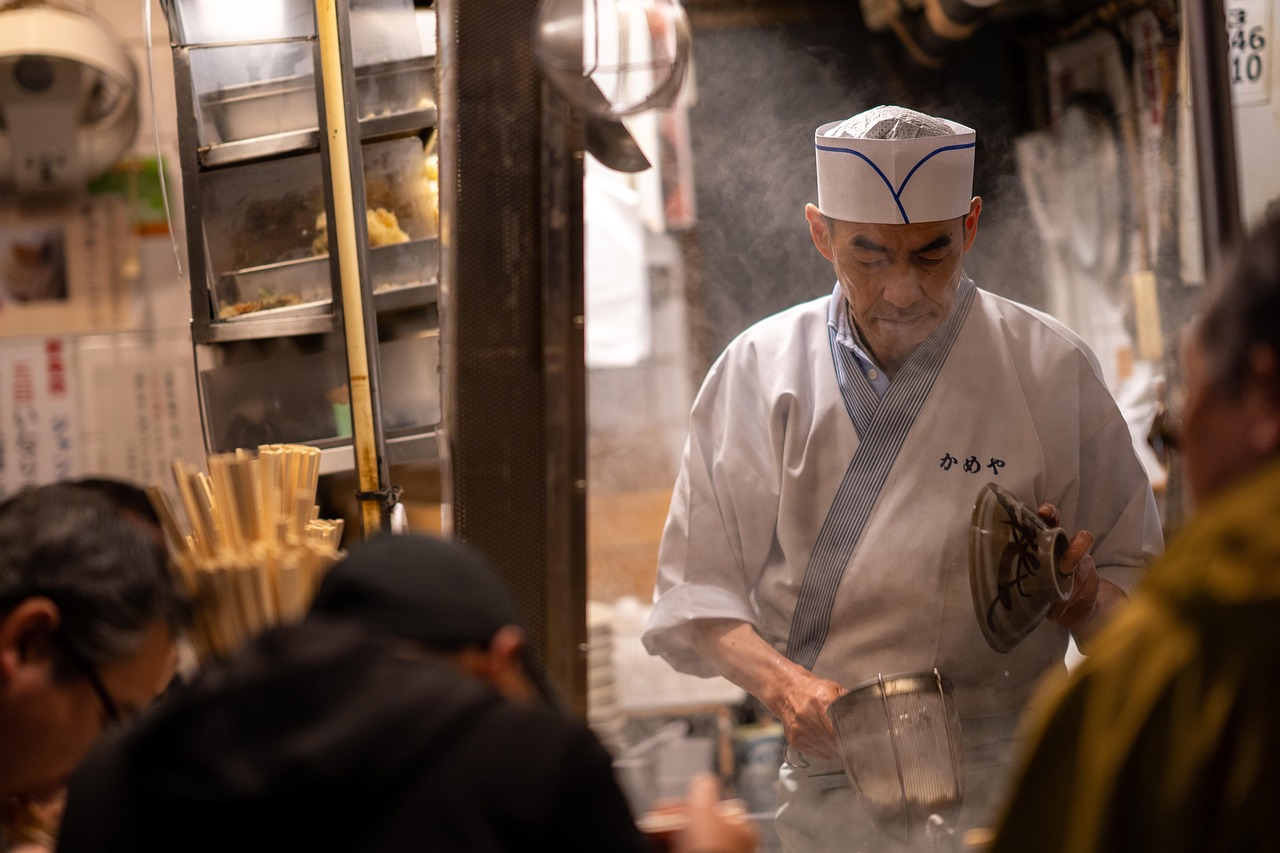
A reliable, well-configured EPOS system is one of the smartest investments a small café owner can make — streamlining orders, accelerating card payments, and giving you the real-time sales data you need to run a leaner, more profitable operation. The right setup does not need to be expensive or complicated: modern cloud-based solutions are designed precisely for independent cafés, with intuitive touchscreen tills, integrated card readers, and kitchen printer support available from manageable monthly costs. This guide walks you through every decision you face, from choosing the right features to understanding what a complete setup will realistically cost in the UK.
Written by the EPOS Direct UK team, who help café, restaurant and retail businesses across the United Kingdom choose, configure and get the most from their EPOS systems every day.
Why a Small Café Needs More Than a Basic Cash Register
A traditional cash drawer and a card reader bolted together is a workaround, not a system. Independent cafés face a particular set of operational pressures — fast-moving queues, varied menu items, takeaway and eat-in orders running simultaneously, and the daily reconciliation headache of split tenders and staff discounts. A dedicated EPOS solution addresses all of these in one integrated platform.
- Speed at the counter: Touchscreen menus with clearly labelled categories (hot drinks, cold drinks, food, specials) mean staff ring up orders in seconds, reducing queue times during the morning rush.
- Accurate stock management: Every espresso shot, sandwich and slice of cake can be tracked automatically, alerting you when ingredients or retail items need reordering.
- End-of-day reporting: Instead of counting tills by hand, you close the day with a full breakdown of revenue by category, payment method and member of staff — data that is genuinely useful for menu planning and scheduling.
- Compliance: Digital receipts, VAT-correct pricing, and accurate Z-readings make it far easier to keep your accounts tidy and satisfy HMRC's record-keeping expectations. For current guidance on VAT for catering, the official source is GOV.UK's VAT on food and drink guidance.
If you are weighing up options across different business types, our broader guide to EPOS systems for small businesses provides useful context on how café requirements compare with retail and service-based setups.
Key Features Every Café EPOS System Should Have
Not every feature matters equally for a small café. The following are the capabilities that experienced café operators consistently rely on — and the ones worth prioritising over headline software features you may never use.
Must-have features
- Customisable product buttons: Drag-and-drop menu layout with modifiers (e.g., oat milk, extra shot, gluten-free) so staff never have to navigate multiple screens for a simple order.
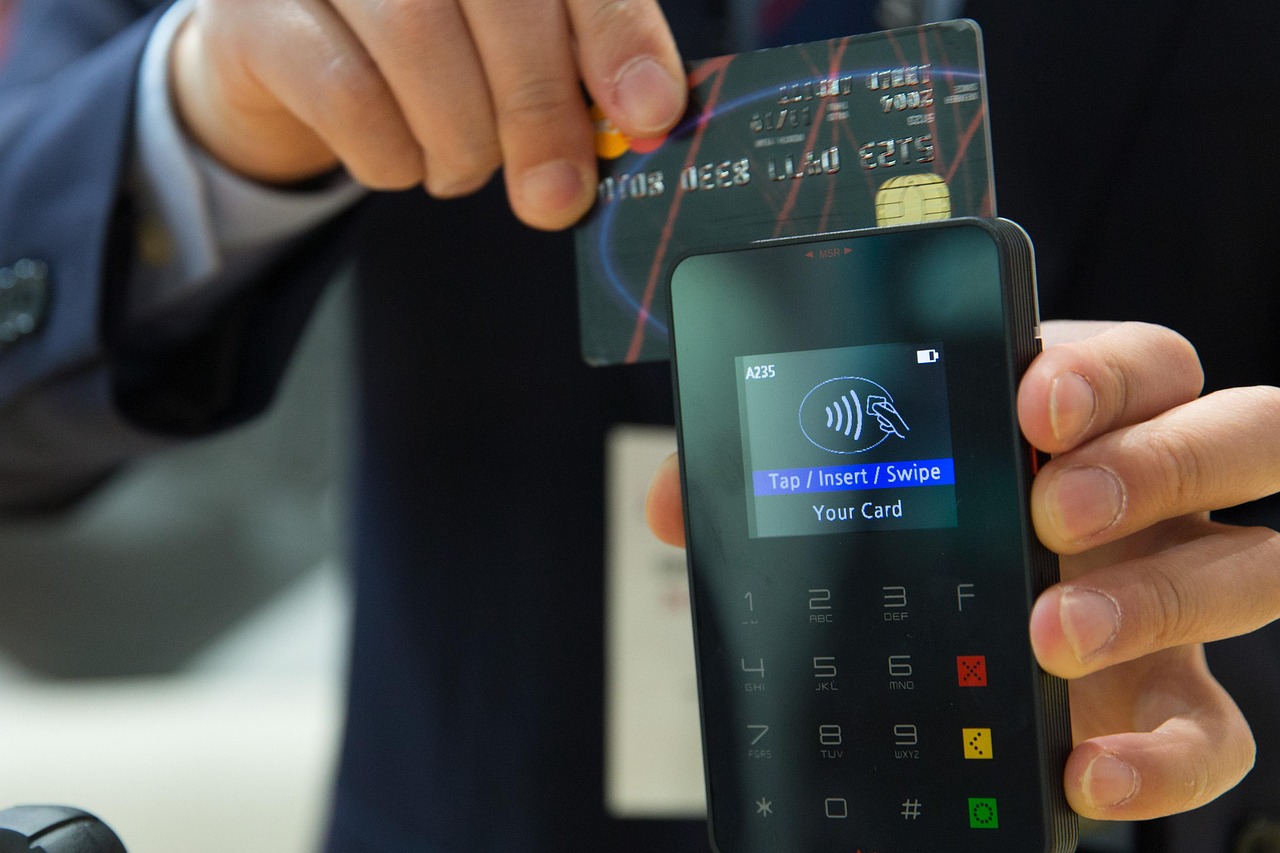
- Integrated card payments: A till and card reader that share a single transaction means no manual amount entry on a separate terminal and far fewer keying errors. See our detailed guide on combined card machine and till systems for a full breakdown of how this works in practice.
- Kitchen or barista printer support: Order dockets printed automatically at the point of sale keep the counter and the coffee station in sync, even during peak periods.
- Split payments and open tabs: Cafés that serve table service or run loyalty schemes need flexible tendering — card, cash, voucher or a combination.
- Real-time cloud reporting: Access your sales dashboard from any device, anywhere. This is particularly valuable for owner-operators who are not always on site.
- Staff management: Individual logins, clock-in/clock-out, and per-staff sales reports help you manage part-time teams and seasonal staff accurately.
Useful but situational
- Loyalty and rewards programme integration
- Online ordering or click-and-collect capability
- Allergen and nutritional information display
- Integrated accounting export (Xero, Sage, QuickBooks)
Cloud-Based vs Traditional EPOS: Which Suits a Café Best?
This is one of the most common questions independent café owners ask, and the honest answer is that for most small cafés opening today, a cloud-based system is the natural default — but the decision depends on your specific situation.
| Consideration | Cloud-Based EPOS | Traditional (On-Premise) EPOS |
|---|---|---|
| Upfront cost | Lower — hardware only; software on subscription | Higher — licence fees often paid upfront |
| Software updates | Automatic, included in subscription | Manual; may incur additional cost |
| Remote access to reports | Yes — any browser or mobile app | Limited or requires additional setup |
| Works without internet | Most systems offer offline mode | Yes — fully local |
| Ongoing monthly cost | Yes — typically a per-terminal subscription | Lower after initial purchase |
| Scalability | Easy — add terminals or locations instantly | Requires additional licences and IT work |
| Best for | New cafés, growing independents, multi-site plans | Established cafés with no internet concerns |
For the vast majority of small UK cafés, cloud-based wins on flexibility and total cost of ownership over a two-to-three year horizon. Our guide comparing monthly EPOS subscriptions versus outright purchase works through the numbers in detail if you want to model the decision for your own café.
What a Complete EPOS Setup Realistically Costs for a Small UK Café
Cost is, understandably, a primary concern — and one that varies considerably depending on whether you buy hardware outright, lease it, or opt for a bundled subscription. The figures below are honest indicative ranges based on typical UK market conditions at the time of writing; your actual quote will depend on hardware specification, software tier, and payment processing arrangements.
Indicative cost ranges (UK market)
- Entry-level single-terminal setup (tablet-based touchscreen, integrated card reader, receipt printer, cash drawer): typically from around £300–£600 upfront for hardware, plus a software subscription of approximately £30–£60 per month.
- Mid-range café setup (dedicated 15" touchscreen till, integrated card reader, kitchen/barista printer, cash drawer, cloud software): hardware typically in the region of £800–£1,500, with software subscriptions broadly ranging from £50–£100 per month depending on features.
- Multi-terminal or counter + floor service setup: budget upwards of £1,500–£3,000+ for hardware across two terminals, plus software costs scaled to the number of terminals.
Card processing fees are separate and charged by your payment processor — these are typically a small percentage per transaction and are worth comparing across providers. Payment processing regulation in the UK is overseen by the Financial Conduct Authority (FCA); you can verify your processor's authorisation on the FCA register.
To explore current packages and bundled pricing, visit our hospitality and café EPOS offers page or request a free personalised demo to get a quote matched to your exact setup.
The Hardware You Will Actually Need
It is easy to over-specify hardware for a small café — and equally easy to under-specify and create bottlenecks. Here is a practical breakdown of what a single-site café genuinely needs versus what is optional.
Core hardware
- Touchscreen till terminal: Either a dedicated all-in-one EPOS terminal (more durable, purpose-built) or a tablet with a stand and till software. Purpose-built terminals are generally preferable for a busy counter environment.
- Cash drawer: Still essential — even card-dominant cafés receive cash, and a proper drawer connected to the till opens automatically on cash transactions.
- Receipt printer: A thermal receipt printer is fast, quiet, and low-maintenance. USB or Ethernet connection is more reliable than Bluetooth for a fixed counter.
- Integrated card reader: A card terminal that communicates directly with the till removes manual entry and speeds up the transaction. For wireless options, our guide to the best wireless card machines for small businesses covers the leading choices in detail.
Situational hardware
- Kitchen or barista printer: If your café has a separate food preparation area, a second thermal printer connected to the till means orders print automatically without staff shouting across the counter.
- Customer-facing display: A secondary screen showing the order total to the customer builds trust and reduces disputes.
- Barcode scanner: Only relevant if you sell packaged retail products (bags of coffee, branded merchandise) alongside your menu.
How to Choose the Right EPOS Provider for Your Café
The software and hardware are only part of the decision. The provider behind the system matters just as much — particularly for a small café owner who cannot afford days of downtime or weeks waiting for a support callback.
Questions worth asking any EPOS provider
- What does UK-based support look like? Can you speak to a human during trading hours? Is support included in the subscription or charged per call?
- How is the system updated? Understand whether feature updates are automatic, and whether major upgrades carry additional costs.
- What happens if my internet goes down? A reputable cloud provider should offer a confirmed offline mode that queues transactions and syncs when connectivity returns.
- Is the hardware proprietary? Some providers lock you into replacing hardware through them at premium prices. Open hardware compatibility gives you more flexibility.
- What is the contract length? Rolling monthly contracts offer more flexibility; longer terms may offer lower monthly costs but reduce your options if your needs change.
For a structured overview of how to evaluate till systems across different business sizes, our practical buyer's guide to till systems for small businesses is a good companion resource. You can also request a call back from the EPOS Direct team to talk through your specific requirements before committing to anything.
Getting Started with EPOS Direct: Setup, Support and Next Steps
EPOS Direct is a UK-based EPOS provider with direct experience across hospitality, retail and service businesses. For small cafés specifically, the onboarding process is designed to be straightforward: hardware arrives pre-configured where possible, software is set up with your menu structure in advance, and the support team is available to walk you through your first trading days.
The typical setup journey for a small café looks like this:
- Consultation: Discuss your menu, layout, payment preferences and reporting needs with an EPOS specialist.
- System design: Hardware and software are specified to your exact requirements — single terminal, dual terminal, with or without kitchen printer.
- Configuration: Your menu, modifiers, pricing and tax rates are loaded before the system ships.
- Installation and training: Hardware is installed and staff are trained — typically in a single session for a small café.
- Ongoing support: UK-based support is available to help with menu changes, software questions and any technical issues after go-live.
If you would like to see the software in action before committing, you can explore the hospitality EPOS software demo online, or talk to an expert online to ask questions specific to your café. For a broader look at what EPOS Direct offers across business types, the EPOS Direct home page has the latest packages, promotions and system information.
The Short Answer: What to Look for in a Café EPOS System
For a small UK café, the ideal EPOS system combines an intuitive touchscreen till, fully integrated card payments, a thermal receipt printer, and cloud-based software that gives you real-time sales data from any device. Cloud-based systems on a monthly subscription are the most practical and cost-effective starting point for most independent cafés, with a realistic total cost of ownership — hardware plus software — typically ranging from around £50 to £100 per month once spread across a standard contract period.
Ready to Find the Right System for Your Café?
EPOS Direct has helped hundreds of independent cafés across the UK move from patchwork payment setups to fully integrated, cloud-based EPOS systems that save time, reduce errors and generate the trading insights needed to grow. Whether you are opening your first site or upgrading an existing system, the right starting point is a conversation with someone who understands the specific demands of café operations.
Request a free demo from EPOS Direct to see the system in action, or talk to an EPOS expert online today and get a personalised recommendation for your café — with no obligation and no sales pressure.
Frequently asked questions
- How much does a café EPOS system typically cost in the UK?
- For a small café in the UK, you can expect to pay roughly £300–£800 for a basic hardware bundle (touchscreen till, card reader and receipt printer) with software subscriptions typically ranging from £20–£60 per month depending on features. Some providers offer 0% finance or rental options from around £15–£30 per month all-in, which can suit new or budget-conscious café owners. EPOS Direct offers flexible pricing — contact us for a no-obligation quote tailored to your café size and requirements.
- Can I take card and contactless payments through the same EPOS system?
- Yes. Most modern café EPOS systems integrate directly with a card payment terminal so you can accept chip and PIN, contactless and mobile wallet payments like Apple Pay and Google Pay from one unified system. This means your sales and payment data stay in sync, making end-of-day reconciliation much simpler.
- Do I need an internet connection for my café EPOS to work?
- Cloud-based EPOS systems do require an internet connection for full functionality, but many — including systems from EPOS Direct — offer an offline mode so your till keeps processing sales even if your broadband drops temporarily, syncing data once connectivity is restored. For a small café this provides important peace of mind during busy service periods.
