We use cookies to make your experience better.
To comply with the new e-Privacy directive, you agree to the privacy policy and our use of cookies


The Best EPOS Systems for Takeaway Shops: A Complete UK Buyer's Guide
EPOS Systems for Takeaway Shops: Everything UK Owners Need to Know

A well-chosen EPOS system can be the difference between a takeaway that runs smoothly at peak hours and one that loses orders, delays customers and leaks margin. For UK takeaway operators — whether you run a fish and chip shop, a kebab house, a Chinese restaurant or a pizza delivery business — a purpose-built till system handles the speed, complexity and online channel integration that a generic cash register simply cannot. This guide covers every decision point, from the features that matter most to realistic UK costs, so you can invest with confidence.
Why Takeaway Shops Need a Specialist EPOS System
A takeaway operates differently from a sit-down restaurant or a retail shop. Orders arrive simultaneously from walk-in customers, phone calls, and multiple online delivery platforms. Staff need to manage collection queues, time orders to the minute, and route tickets to the kitchen — all without errors. A specialist hospitality EPOS system is designed around exactly this workflow, rather than retrofitted from a retail or generic POS template.
Key operational pressures that demand a purpose-built solution include:
- High transaction volume in short windows: Friday and Saturday evenings can represent a disproportionate share of weekly revenue. Slow software or clunky hardware is costly.
- Order routing to the kitchen: Each item — or modifier — needs to reach the right preparation station at the right time.
- Modifier and variation management: Customers customise: extra sauce, no onion, spice level. The system must capture and relay these accurately.
- Multi-channel order aggregation: Online platforms, your own website, the phone — all orders should land in one place, not on separate devices.
- Caller ID and customer history: Repeat customers expect you to know their address and usual order. Good EPOS software supports this without manual look-up.
If you are also weighing up a simpler solution, our guide to the best till systems for small businesses in the UK explains when a leaner setup is sufficient — and when you need something more robust.
Key Features to Look for in a Takeaway EPOS System
Not every feature listed in a brochure matters equally. The following capabilities are non-negotiable for a busy UK takeaway:
Speed and intuitive order entry
The front-of-house screen must allow staff to build and fire an order in seconds. Look for large, colour-coded menu buttons, rapid modifier selection, and the ability to split or merge orders without navigating multiple menus.
Kitchen display or kitchen printer integration
Orders should reach the kitchen the moment they are placed. Kitchen printers (thermal, no ink required) are reliable and inexpensive to run. Kitchen display screens (KDS) are increasingly popular because staff can mark items as ready, giving the front of house real-time visibility of preparation status.
Online ordering and delivery platform integration
Third-party platforms such as Just Eat, Deliveroo and Uber Eats generate a significant share of most takeaways' revenue. Without integration, staff manually re-enter orders from a tablet — a common source of errors and delays. An integrated system pulls these orders directly into the EPOS queue.
Customer database and loyalty tools
Capturing customer names, addresses, order history and contact details allows faster repeat orders and targeted promotions. This is especially valuable for phone orders and self-operated delivery.
Reporting and end-of-day reconciliation
Granular sales reports — by item, category, hour and staff member — let you identify your bestsellers, flag wastage, and plan staffing around actual demand patterns. VAT reporting is also critical for Making Tax Digital (MTD) compliance; HMRC's guidance on MTD for VAT is published on the GOV.UK website.
Payment flexibility
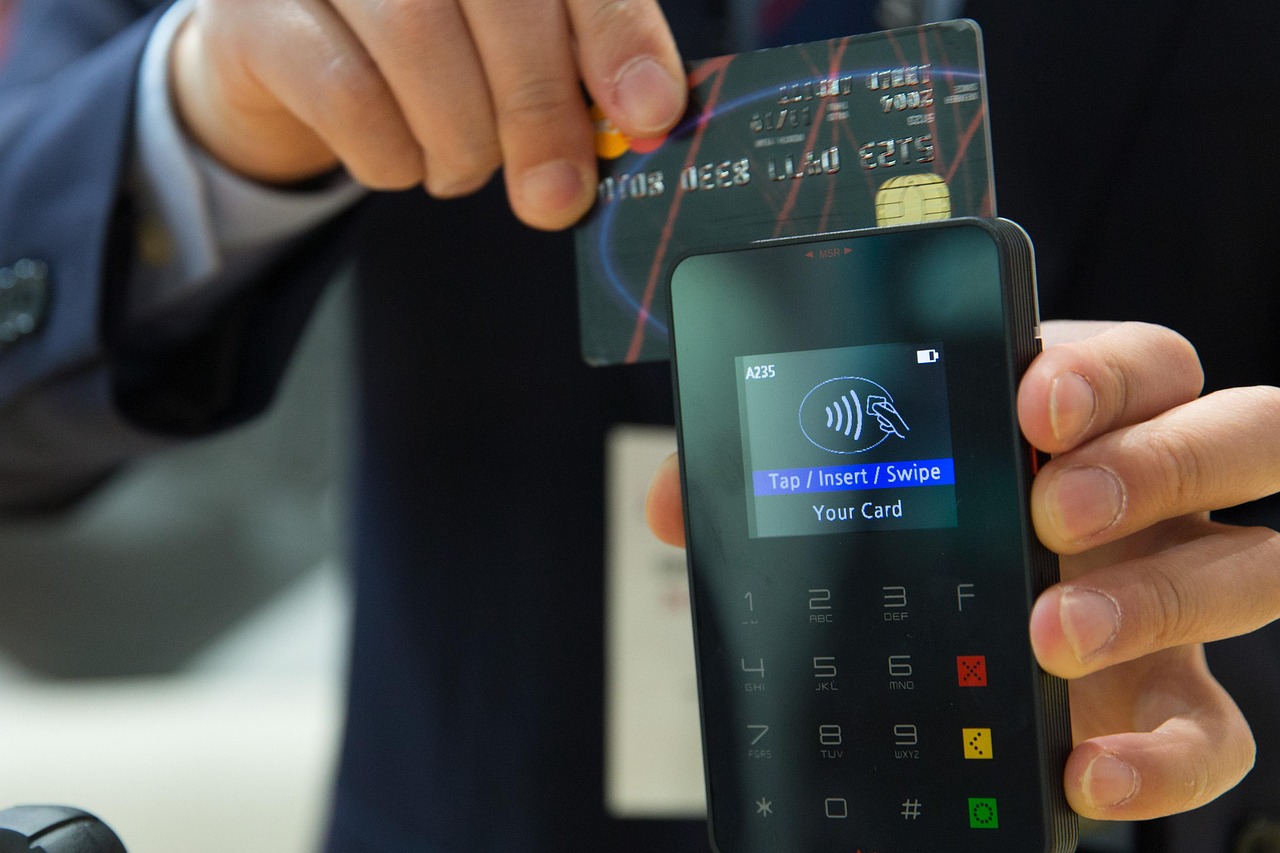
Customers increasingly expect to pay by contactless card, mobile wallet or online. A fully integrated card payment solution avoids reconciliation headaches. For a broader look at payment options, our guide to card machines and till systems combined explains the options available to UK food businesses.
Hardware Options: Touchscreen Tills, Kitchen Printers and More
The right hardware configuration depends on your kitchen layout, counter space and order volume. A typical takeaway setup includes some or all of the following components:
| Hardware Component | Purpose | Best For |
|---|---|---|
| Touchscreen EPOS terminal | Front-of-house order entry and payment processing | All takeaway types; essential starting point |
| Customer-facing display | Shows the order back to the customer for verification | Busy counters; reduces disputes and errors |
| Kitchen thermal printer | Prints order tickets at the preparation station | Kitchens without display screens; budget-conscious setups |
| Kitchen display screen (KDS) | Digital order queue with status tracking | High-volume operations; multi-station kitchens |
| Receipt printer | Customer receipts at the counter | All takeaways; also required for VAT receipts |
| Cash drawer | Secure till integration | Any business still accepting cash payments |
| Integrated card reader | Contactless, chip and PIN, and mobile payments | All UK takeaways (card payments dominate) |
| Self-service kiosk | Allows customers to order and pay independently | Larger takeaways seeking to reduce queue times |
Most independent takeaways start with a single touchscreen terminal, one kitchen printer and an integrated card reader — a compact, reliable setup that can be expanded as the business grows. Chains and busier sites often add a second front-of-house terminal, a KDS and, increasingly, a self-service kiosk to reduce counter pressure.
How Online Ordering and Delivery Integration Works
One of the most common questions from takeaway owners is: "Can my EPOS system handle Just Eat, Deliveroo and our own website without separate tablets for each?" The answer, with the right system, is yes.
Modern hospitality EPOS platforms use middleware aggregators — software layers that connect to each delivery platform's API and feed orders directly into the EPOS queue. The workflow looks like this:
- A customer places an order on a third-party platform or your own branded ordering page.
- The order is transmitted instantly to your EPOS system via the integration layer.
- The EPOS screen shows it alongside walk-in and phone orders, with the channel clearly labelled.
- A kitchen ticket or KDS entry is automatically created; no manual re-entry required.
- Estimated preparation times can be pushed back to the platform to update the customer automatically.
This integration also consolidates reporting: you see exactly how much revenue each channel generates, which allows informed decisions about platform commission costs versus direct order volume. If you operate your own delivery, driver management tools — assigning orders to drivers, tracking dispatch times — are available within some EPOS platforms.
For businesses that want to explore the broader EPOS landscape, our complete guide to EPOS systems for small businesses provides a useful overview of what different tiers of software offer.
EPOS System Costs for UK Takeaways: What to Budget For
Cost is naturally one of the first questions any owner asks, so here is an honest, indicative breakdown based on what UK takeaway businesses typically spend. These are approximate market ranges — your actual quote will depend on hardware specification, software tier, number of terminals and support level.
| Setup Type | Indicative Hardware Cost | Indicative Monthly Software/Support Fee | Typical For |
|---|---|---|---|
| Entry-level (single terminal) | Typically from £500–£900 | Typically from £30–£60/month | Small independent takeaway, lower volume |
| Mid-range (terminal + kitchen printer + card reader) | Typically from £900–£1,800 | Typically from £60–£120/month | Established single-site takeaway |
| Full setup (multi-terminal, KDS, online integration) | Typically from £2,000–£4,000+ | Typically from £120–£250/month | Busy site or small chain with delivery |
Some providers offer EPOS as a monthly subscription with little or no upfront hardware cost, while others sell hardware outright with lower ongoing fees. Consider the total cost of ownership over two to three years rather than headline monthly figures alone. Card processing rates (charged per transaction by your payment provider) are a separate cost and vary by agreement.
If budget is a primary concern, our guide to the most affordable EPOS systems for small businesses in the UK covers value-focused options without compromising on the features that genuinely matter. You can also explore card machines with no monthly fee if you want to reduce fixed payment processing costs.
How to Choose the Right EPOS Provider for Your Takeaway
With dozens of providers in the UK market, the decision can feel overwhelming. These are the criteria that actually differentiate a reliable long-term partner from a vendor who looks good in a brochure:
Hospitality-specific software, not an adapted retail system
Ask whether the software was built for food service from the ground up, or whether hospitality is a module bolted on to a retail core. The difference shows up in kitchen routing, modifier handling and order timing — exactly where takeaways need precision.
UK-based support with realistic response times
A system failure on a Friday evening is a serious commercial event. Verify support hours, response time commitments and whether telephone support is included in your contract or charged additionally.
Integration ecosystem
Confirm that the system integrates with your existing or planned online ordering channels, your preferred accounting software (Xero, QuickBooks, Sage) and your card payment provider. Poor integration creates manual workarounds that erode the efficiency gains.
Scalability
If you plan to open a second site or add a self-service kiosk in future, choose a platform that supports multi-site management and additional hardware without requiring a complete system replacement.
Demo and trial availability
A reputable provider will let you see the software in action before you commit. You can book a restaurant EPOS software demo with EPOS Direct to see exactly how the system handles a busy takeaway environment — menus, modifiers, kitchen routing and all.
Contract terms and exit clauses
Read the minimum term, auto-renewal provisions and termination conditions carefully. Many owners have been caught by rolling contracts that are difficult to exit. Clarify who owns the data if you switch providers.
Why UK Takeaway Owners Choose EPOS Direct
EPOS Direct has supplied EPOS and POS systems to thousands of UK businesses across hospitality, retail and specialist sectors. For takeaway operators specifically, the offering is built around the practical realities of the environment: speed, reliability and the ability to handle peak-hour volume without drama.
Relevant capabilities for takeaway businesses include:
- Purpose-built hospitality EPOS software with kitchen display and kitchen printer support
- Online ordering and delivery platform integration (including major UK aggregators)
- Caller ID integration for faster phone order processing
- Customer account management and order history
- Flexible hardware packages — from compact single-terminal setups to multi-station configurations
- UK-based sales and support teams who understand the operational pressures of food service
- Transparent pricing with no hidden charges for core functionality
You can find the full range of available systems and current offers on the EPOS Direct UK home page, or go straight to the hospitality and restaurant EPOS offers page to see current packages suited to takeaway businesses.
Written by the EPOS Direct UK team, who work with UK takeaway, restaurant and hospitality businesses every day to help them find and implement the right EPOS solution for their operation.
Ready to Find the Right System for Your Takeaway?
A good EPOS system pays for itself quickly — through fewer order errors, faster service, better stock control and consolidated reporting across every channel. The key is matching the specification to your actual operation, not paying for features you will never use or under-specifying a system that buckles under Friday-night pressure.
EPOS Direct makes it straightforward to get the right answer. You can talk to an EPOS expert online to discuss your specific requirements, or request a free demo and see the system running before you make any commitment. If you prefer to speak with someone directly, request a call back and a member of the team will be in touch at a time that suits you.
Frequently asked questions
- How much does a takeaway EPOS system cost in the UK?
- Costs vary depending on hardware and software requirements. A basic single-terminal takeaway EPOS setup typically starts from around £300–£500 for hardware, with software subscriptions ranging from £20 to £80 per month. A more complete setup with a touchscreen till, kitchen printer, and integrated online ordering can cost £700–£1,500 upfront, or be available on a monthly payment plan. EPOS Direct offers tailored quotes so you only pay for what your takeaway actually needs.
- Can a takeaway EPOS system integrate with Just Eat, Uber Eats or Deliveroo?
- Yes, many modern takeaway EPOS systems support direct integration with major delivery platforms like Just Eat, Uber Eats, and Deliveroo. This means orders placed online flow automatically into your till and kitchen printer, reducing manual entry errors and speeding up service. Always confirm which integrations are included before committing to a provider.
- Do I need separate hardware for the kitchen and the till area?
- For most takeaways, yes — a kitchen display screen or a dedicated kitchen receipt printer is strongly recommended. This allows front-of-house staff to take orders on the main touchscreen till while kitchen staff receive them instantly without relying on handwritten tickets. EPOS Direct supplies complete hardware bundles designed specifically for takeaway environments.
