We use cookies to make your experience better.
To comply with the new e-Privacy directive, you agree to the privacy policy and our use of cookies


The Best EPOS Systems for Clothing Stores in the UK: What Retailers Need to Know
EPOS Systems for Clothing Stores in the UK: Features, Costs and How to Choose
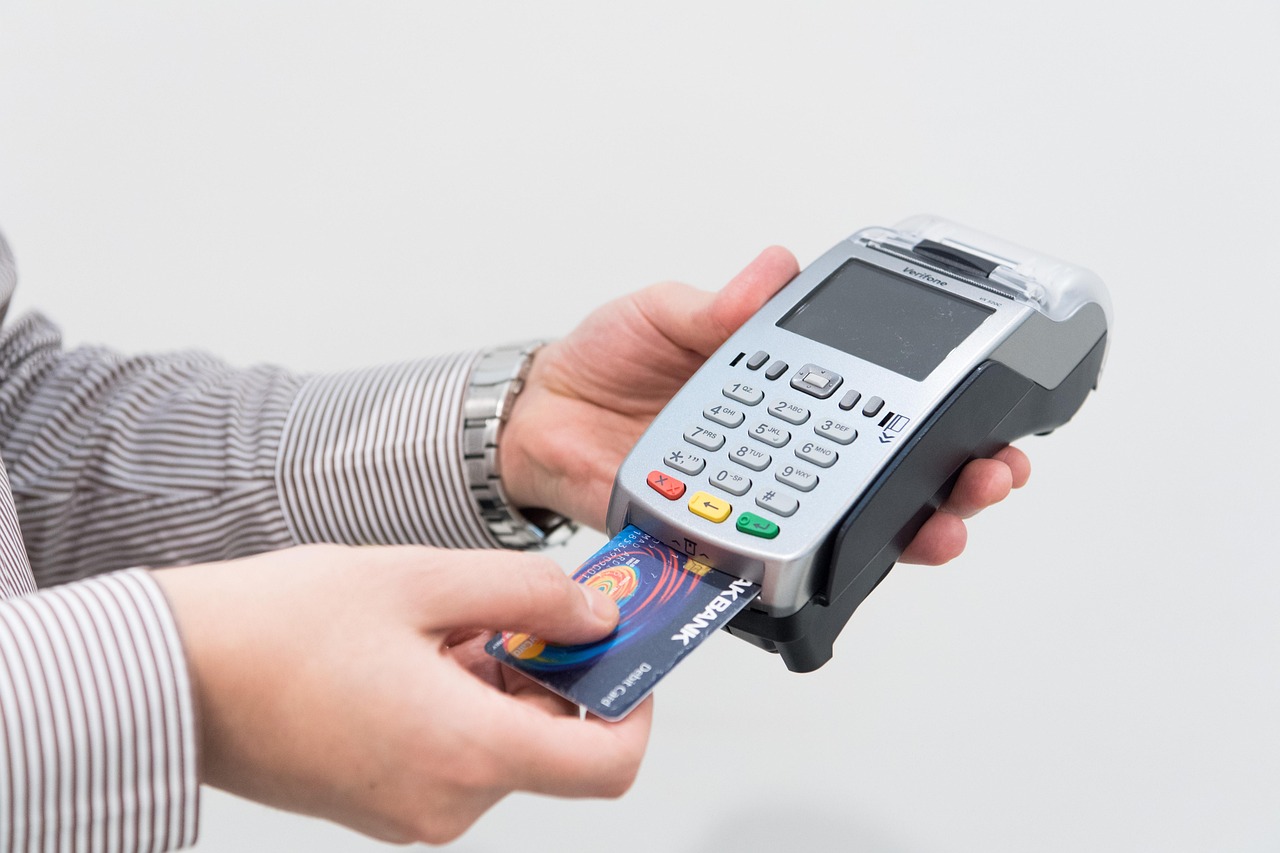
A specialist EPOS system gives clothing retailers the tools that generic till systems simply cannot provide: granular stock management across sizes, colours and variants; seamless integration with online channels; and the customer insight needed to make sharper buying decisions. Whether you operate a single boutique or a growing multi-site fashion brand, choosing the right system is one of the most consequential technology decisions you will make. This guide covers every key consideration — from must-have features and realistic costs to how EPOS Direct's retail solutions compare with the wider UK market.
Why Clothing Retailers Have Unique EPOS Requirements
Fashion retail is not simply "retail with clothes." A single garment can exist in a dozen size-and-colour combinations, each demanding its own barcode, stock level and reorder point. Seasonal range changes, sale events, and the constant pressure of returns make the operational complexity far greater than, say, a coffee shop or a convenience store.
A generic till might process a sale perfectly well, but it will not alert you when your bestselling dress is down to two units in size 10, or tell you which colourways consistently underperform. Clothing retailers also face specific compliance considerations: Gift Aid on donated garments (for charity shops), Consumer Rights Act obligations on returns, and — for those selling online — distance-selling regulations. Your EPOS should support rather than complicate these processes.
For an authoritative overview of what the UK fashion retail sector demands of modern POS technology, the best EPOS systems for clothing shops in the UK guide provides a detailed reference point alongside this article.

Key Features to Prioritise in a Clothing Store EPOS System
Not all features carry equal weight. Based on the real-world needs of fashion retailers, the following capabilities should be considered non-negotiable when evaluating any system.
Matrix Stock Management
The ability to create a single product record — a T-shirt, for example — and then map it across every size (XS through to 3XL) and colour (twelve options) without creating hundreds of separate items. This is often called a product matrix or variant grid, and it is foundational to accurate inventory management in clothing.
Barcode and Label Printing
Integrated label printing, ideally with the ability to print barcodes that encode variant information (size, colour, SKU), saves staff enormous time at goods-in and removes the human error that leads to stock discrepancies.
Returns and Exchanges
A frictionless exchange workflow — where a customer swaps a size-12 blouse for a size-14 and the system adjusts both stock levels and, if relevant, processes a part-refund — is essential for high-street fashion retailers.
Customer Accounts and Loyalty
Capturing purchase history by customer enables personalised promotions, targeted sale previews and loyalty rewards — all of which are increasingly expected by fashion shoppers.
Promotions and Discount Engines
End-of-season sales, multi-buy promotions ("3 for 2 on accessories") and staff discounts should all be configurable without requiring a call to your software vendor. Look for a system where your team can set these rules independently.
Reporting and Buying Intelligence
Sell-through rate by variant, average transaction value, and peak trading period analysis are the reports that inform better buying. If your EPOS cannot produce these without a manual spreadsheet export, it is holding your business back.
Managing Stock by Size, Colour and Variant
Variant stock management deserves its own focus because it is the single area where clothing retailers most frequently outgrow a system. The practical question is not just "can it track variants?" but "how does it handle them across multiple locations, channels and suppliers?"
- Centralised stock visibility: Every size and colour should be visible in real time from the till screen, so staff can advise customers accurately without checking a stockroom manually.
- Low-stock alerts by variant: A reorder point set at product level — rather than variant level — is almost useless for fashion. Your system should alert you when a specific size drops below a threshold, not just when the aggregate product count falls.
- Supplier purchase orders: Raising a PO that lists exact quantities by size and colour, then reconciling deliveries against that order, should be a native function — not a workaround.
- Stocktake tools: Handheld barcode scanning during a stocktake, with discrepancy reporting by variant, can reduce a full inventory count from a full day's work to a couple of hours.
If you are also managing a small business across multiple departments or product categories, the best till systems for small businesses in the UK offers a useful comparison of how different system tiers handle operational complexity.
Integrating Your Till System with Online Sales and Marketplaces
An omnichannel presence is no longer optional for most clothing retailers. Customers browse online and buy in-store, or buy online and return in-store. The risk, if your EPOS and your e-commerce platform are disconnected, is overselling: a customer orders a product online that is already sold out in-store, or a stocktake creates a reconciliation nightmare at month-end.
Integrations to look for include:
- Shopify, WooCommerce and Wix: Bidirectional stock sync — a sale online reduces your EPOS stock level; a sale in-store reduces your online inventory.
- Amazon and eBay: For retailers using marketplaces as additional channels, automated stock updates prevent the reputational damage of unfulfillable orders.
- Click-and-collect workflows: The ability to flag an online order as ready for collection, notify the customer, and process the handover on the till without a separate system.
- Unified reporting: Total sales, returns and margin should be reportable across in-store and online channels in a single dashboard.
For retailers whose payment infrastructure needs reviewing alongside their till, the guide to card machine and till system combined solutions explains how integrated payments reduce reconciliation time and human error.
How Much Does an EPOS System Cost for a UK Clothing Retailer?
Pricing varies considerably depending on hardware, software tier and the number of tills. The figures below are honest indicative ranges based on the UK market — they are guidance, not quotes, and your actual investment will depend on your specific configuration.
| Configuration | Indicative Hardware Cost | Indicative Software (Monthly) | Best For |
|---|---|---|---|
| Single till, tablet-based | Typically from £300–£600 | Typically £30–£70/month | Independent boutiques, market traders, pop-ups |
| Single till, countertop all-in-one | Typically from £600–£1,200 | Typically £50–£100/month | Established independent stores needing robust hardware |
| Two-till setup with back-office | Typically from £1,200–£2,500 | Typically £80–£150/month | Growing fashion retailers with higher footfall |
| Multi-site or multi-till retail | Varies by scale | Typically £150–£300+/month | Fashion chains, franchises, department-within-store concessions |
Bear in mind that ongoing costs typically include software licences, payment processing fees, support contracts and any hardware maintenance. Some providers bundle these; others price them separately. Always request a total cost of ownership breakdown, not just a headline monthly figure.
For retailers who are highly cost-conscious at this stage, the most affordable EPOS systems for small businesses in the UK explores how to get robust functionality without overcommitting your budget.
Payment processing is a related cost worth scrutinising separately. If you are evaluating standalone card acceptance, the guide to wireless card machines for small businesses and the comparison of card machines with no monthly fee will help you benchmark what you should be paying.
Comparing Approaches: What to Look for in a UK Fashion Retail EPOS Provider
The UK market includes a range of EPOS providers, from large cloud-first platforms to specialist retail-focused suppliers. Rather than comparing invented competitor pricing, the more useful exercise is to assess providers against the criteria that actually determine long-term satisfaction.
| Evaluation Criterion | Why It Matters for Clothing Retail | Questions to Ask |
|---|---|---|
| Variant/matrix stock management | Core to managing a fashion range accurately | Can I create a size-colour grid natively? How does it handle 50+ variants per product? |
| UK-based support | Downtime on a busy Saturday costs real money | What are your support hours? Is there a UK phone number? |
| Onboarding and data migration | Migrating hundreds of product variants is high-risk | Do you provide a migration service? How long does setup typically take? |
| Omnichannel integration | In-store and online inventory must stay synchronised | Which e-commerce platforms do you integrate with natively? |
| Reporting depth | Fashion buying decisions depend on sell-through data | Can I report on sales by size, colour and season? Can I export to Excel? |
| Contract flexibility | Business needs change; avoid being locked in | Is there a minimum term? What are the exit conditions? |
EPOS Direct focuses specifically on the UK market and provides dedicated retail EPOS hardware and software built around the needs of independent and growing fashion retailers. You can view the retail EPOS software demo to see variant stock management, promotions and reporting in action before committing to a purchase.
How to Get Started with an EPOS System for Your Clothing Business
The most common mistake retailers make is buying hardware before evaluating software. The software determines what your business can do; the hardware is simply the delivery mechanism. Start here:
- Audit your current pain points. Are you losing sales because you cannot locate stock? Spending hours on stocktakes? Missing out on online sales? Your top three frustrations should drive your feature shortlist.
- Map your product complexity. Count your approximate number of products, variants per product and the number of locations or channels you operate. Share this with any provider you speak to — it is the single most important piece of information they need to recommend the right tier.
- Request a live demo, not just a brochure. Ask the provider to show you specifically how they handle size-colour variants, an exchange transaction, and a seasonal sale configuration. If they cannot demonstrate these in the demo, they cannot deliver them in practice.
- Ask about data migration. Moving your existing product catalogue — especially if it includes complex variants — requires careful planning. A good provider will walk you through this process in detail.
- Understand your total monthly cost. Add software, hardware (if on finance), support, and payment processing together before comparing providers. The lowest headline price rarely remains lowest once all components are included.
You can explore the full range of retail hardware and software options on the EPOS Direct UK home page, where current offers and detailed product information are available. For small business owners evaluating their options more broadly, the complete guide to EPOS systems for small businesses provides a practical foundation before you begin speaking to suppliers.
Quick Answer: Which EPOS System Is Right for a UK Clothing Store?
The right EPOS system for a UK clothing retailer is one that manages stock natively at variant level (by size and colour), integrates with your online sales channels without manual reconciliation, and provides sell-through reporting granular enough to inform your buying decisions. For most independent and growing fashion retailers, a purpose-built retail EPOS — rather than a generic small-business till — is the appropriate choice, and the investment typically pays for itself through reduced stock losses and better purchasing alone.
Start Your EPOS Journey with EPOS Direct
EPOS Direct has been helping UK retailers find the right EPOS solution for their specific business needs, combining purpose-built retail software with UK-based support and transparent pricing. Whether you are opening your first boutique or upgrading a multi-site fashion operation, the right starting point is a conversation with someone who understands both the technology and the realities of running a clothing business in the UK.
Explore our retail EPOS offers to see current packages and pricing, or talk to an EPOS expert online to discuss your specific requirements without any obligation. If you prefer to see the software in action first, you can request a free demo at a time that suits you.
Written by the EPOS Direct UK team, who work with UK EPOS and POS system businesses every day — from independent boutiques to established fashion retailers across England, Scotland, Wales and Northern Ireland.
Frequently asked questions
- Can an EPOS system handle multiple sizes and colours for clothing items?
- Yes. A good retail EPOS system lets you set up product variants so each item is tracked by size, colour, and style under a single product listing. This means your stock levels update automatically at the point of sale, reducing the risk of overselling and saving time on manual stock checks — essential for any clothing retailer managing a wide range of SKUs.
- How much should I expect to pay for an EPOS system as a UK clothing store owner?
- Costs vary depending on the size of your store and the features you need. For a single-till setup in a small boutique, you can typically expect to pay anywhere from £300 to £800 upfront for hardware, with software subscriptions ranging from around £30 to £100 per month. Larger or multi-site clothing retailers may invest £1,000 or more in hardware per terminal, with bespoke software packages priced accordingly. EPOS Direct offers flexible pricing and finance options tailored to UK retailers, so it is worth requesting a quote based on your specific requirements.
- Will an EPOS system work with my clothing store's online shop?
- Most modern EPOS systems, including those offered by EPOS Direct, support integration with popular ecommerce platforms such as Shopify, WooCommerce, and Magento. This means your in-store and online inventory stay in sync automatically, so you always have an accurate picture of stock levels across every sales channel without double-entry or manual updates.
