We use cookies to make your experience better.
To comply with the new e-Privacy directive, you agree to the privacy policy and our use of cookies


The Best EPOS Systems for Coffee Shops in the UK: What to Look For and Why It Matters
EPOS Systems for Coffee Shops in the UK: Speed Up Service and Grow Your Business

A well-chosen EPOS system is one of the most impactful investments a coffee shop owner can make — not just for taking payments, but for managing queues, tracking stock, running loyalty schemes and getting the financial visibility needed to grow. The right till system turns a busy counter into a slick, profitable operation; the wrong one creates friction at exactly the moment a customer's patience is thinnest. This guide walks you through everything you need to know to choose the best setup for your café or coffee shop in the UK.
Why Coffee Shops Need a Specialist EPOS System
A generic till from a supermarket shelf simply cannot keep pace with the demands of a busy café environment. Coffee shops face a distinctive combination of operational pressures: high transaction volumes in short peak windows, complex modifier options (oat milk, extra shot, no sugar), the need to fire orders to a barista screen or printer, and the expectation of fast, frictionless payment. A specialist hospitality EPOS system is engineered around these realities in a way that a basic cash register or generic retail till is not.
Beyond the counter, coffee shop owners are running what is, in effect, a small food and beverage business with the margins and stock complexity that entails. Ingredient-level stock tracking, waste monitoring, recipe costing, end-of-day cash reconciliation and VAT reporting all become significantly easier — and more accurate — with a system built for the job. For independent operators and small chains alike, the reporting data alone can justify the investment within months.
Key Features to Look for in a Coffee Shop Till System
Not every EPOS feature set is created equal. When evaluating systems, prioritise the capabilities that will actually move the needle in a café setting.
Speed and usability at the point of sale
- Customisable quick-keys: One-tap buttons for your top-selling drinks, with modifier prompts (size, milk type, temperature) that guide staff without slowing them down.
- Split-bill and split-tender: Allows a table to pay partly by card and partly by cash, or to split a bill between multiple customers — essential for a sit-in café.
- Barista display or kitchen printer integration: Orders sent directly from the till to the preparation area, eliminating the need for written tickets and reducing errors.
Stock and ingredient management
- Track stock at ingredient level, so that each espresso sold automatically deducts the correct quantity of beans, milk and syrup from your inventory.
- Low-stock alerts that trigger before you run out of a key item during the morning rush.
- Waste logging, so spoilage is captured and accounted for in your cost-of-goods calculations.
Reporting and analytics
- Hourly sales breakdowns to identify peak periods and staff accordingly.
- Product mix reports showing your best and worst performers by revenue and margin.
- End-of-day Z-reports and cash drawer reconciliation for clean accounting.
Payment flexibility
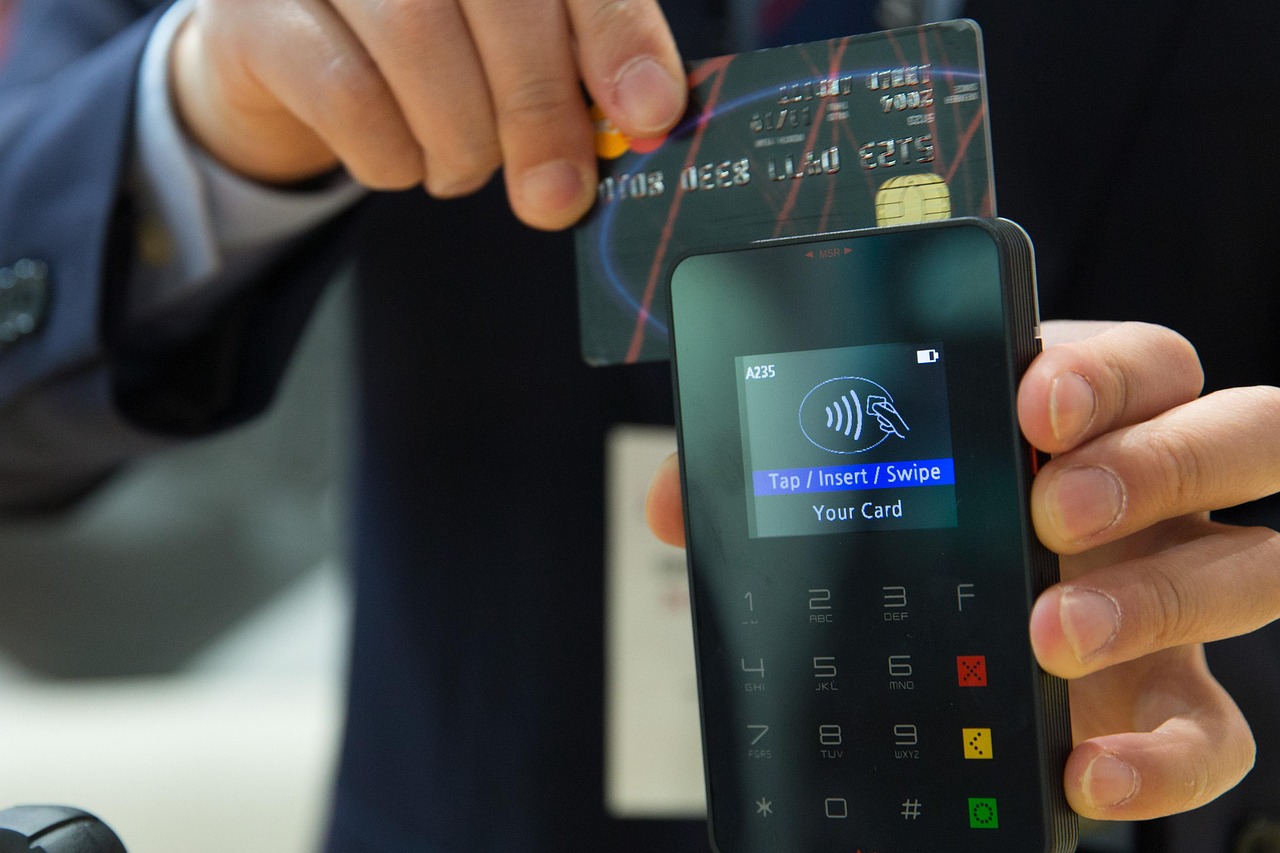
UK consumers increasingly expect to pay by contactless card, mobile wallet or even QR code. Your EPOS should integrate seamlessly with a card payment terminal — ideally without the complexity of managing two separate systems. If you want to explore combined solutions, our guide to card machine and till system combined explains exactly how that works and what to look for.
How EPOS Systems Help You Manage Queues and Increase Covers
Queue management is arguably the most commercially sensitive operational challenge in a coffee shop. Every person who walks past a long queue is lost revenue. Modern EPOS systems address this in several concrete ways.
Tableside and counter ordering: Handheld tablets allow staff to take orders away from the fixed counter, processing payment on the spot and sending the order directly to the barista. This can meaningfully shorten queue times during morning peaks.
Click-and-collect integration: A growing number of UK coffee shops — from independents to small chains — now accept pre-orders via a branded app or third-party platform. When your EPOS integrates with these channels, pre-orders flow into the same queue as walk-in orders, and your team manages one unified workflow rather than juggling multiple tablets.
Table management for sit-in service: If your café offers table service, a visual floor plan within the EPOS lets staff assign orders to specific seats, track how long tables have been occupied and turn covers faster. Even a modest improvement in table turn time can have a material impact on weekly revenue.
Integrations That Matter: Loyalty, Delivery and Accounting Software
The value of an EPOS system extends well beyond the till. The integrations you connect to it determine how efficiently the rest of your business runs.
Customer loyalty programmes
Coffee shops are ideally positioned to benefit from loyalty schemes — repeat custom is the lifeblood of the category. A well-integrated loyalty module lets customers earn and redeem points or stamps automatically at the point of sale, without staff having to manage paper cards or separate apps. Digital loyalty data also gives you a customer database you can use for targeted email offers during quieter periods.
Third-party delivery platforms
If you sell through platforms such as Deliveroo, Uber Eats or Just Eat, having your EPOS integrate directly with those channels means orders come through to your barista screen automatically, stock is updated in real time and you have consolidated sales reporting across all your channels in one place.
Accounting software
Integration with accountancy platforms (such as Xero or QuickBooks) eliminates the need for manual data entry at the end of each trading day. Sales totals, VAT figures and cost-of-goods data flow directly into your accounts, saving time and reducing the risk of errors — a particular advantage for sole traders and small operators who manage their own books.
Cloud-Based vs Traditional EPOS: Which Is Right for Your Café?
This is one of the most common questions independent coffee shop owners ask, and the answer depends on your priorities around flexibility, connectivity and budget.
| Consideration | Cloud-Based EPOS | Traditional (On-Premise) EPOS |
|---|---|---|
| Data access | Accessible anywhere via browser or app — ideal for owners who aren't always on-site | Data stored locally; typically requires on-site access or VPN for remote reporting |
| Internet dependency | Requires a reliable broadband connection; most systems include offline mode for resilience | Operates fully offline; unaffected by internet outages |
| Updates and maintenance | Software updates delivered automatically — no manual patches, no engineer visits | Updates often require on-site installation or a support call |
| Scalability | Straightforward to add locations, users or integrations as you grow | Expanding to additional sites often requires significant additional outlay |
| Upfront cost | Typically lower upfront; monthly subscription model common | Higher upfront cost; lower or no ongoing software fee in some cases |
| Best suited to | Independent cafés, small chains, owners managing multiple sites remotely | Operators in areas with unreliable broadband, or those wanting full data ownership |
For most UK coffee shop operators, a cloud-based system offers the better balance of flexibility, low maintenance overhead and real-time reporting. However, if your premises have poor broadband infrastructure, confirming that your chosen system has a robust offline mode is non-negotiable. You can explore the EPOS Direct software platform to see how cloud functionality is implemented in practice, or book a restaurant EPOS software demo tailored to hospitality environments.
How Much Does a Coffee Shop EPOS System Cost in the UK?
Pricing varies considerably depending on the hardware specification, the number of terminals, the software tier and whether you opt for a purchase or rental model. The following ranges are indicative guidance for the UK market and should not be treated as formal quotes.
Entry-level single-terminal setup
A single touchscreen till, integrated card terminal, receipt printer and basic EPOS software typically starts from around £300–£600 upfront for owned hardware, with software subscriptions often running from approximately £20–£50 per month depending on the feature tier. This suits a small kiosk-style or sole-operator café.
Mid-range café setup
A more capable system — featuring two terminals, a barista/kitchen display, stock management, loyalty integration and cloud reporting — generally falls in the range of £600–£1,500 upfront for hardware, with software costs of roughly £40–£100 per month. This is the most common configuration for independent coffee shops with 3–10 members of staff.
Multi-site or premium configuration
Operators running two or more sites, or requiring advanced analytics, bespoke integrations and dedicated account management, should budget more broadly — hardware costs across a site can rise accordingly, and enterprise software tiers are typically priced on application. Monthly all-inclusive packages (hardware, software and support) are available from some providers, which can suit operators who prefer a predictable monthly cost over a larger capital outlay.
For a transparent view of what is currently available, visit the EPOS Direct hospitality and restaurant EPOS offers page, or if you are also considering requirements for a retail element (merchandise, packaged goods), our practical guide to till systems for small businesses covers the wider landscape. Owners focused on keeping costs down will also find useful context in our overview of the most affordable EPOS systems for small businesses in the UK.
It is worth noting that card processing fees are separate from EPOS system costs and are set by your payment provider. Rates vary; the Financial Conduct Authority (FCA) publishes guidance on payment services regulation that is worth reviewing if you are comparing payment processing options.
Why UK Coffee Shop Owners Choose EPOS Direct
EPOS Direct has been supplying EPOS and POS systems to UK businesses across retail and hospitality for many years, and the coffee shop sector represents a significant part of that experience. The combination of purpose-built hospitality software, UK-based support and a hardware range that spans everything from compact countertop terminals to multi-screen café setups means operators can find a configuration that genuinely fits their space and workflow — rather than adapting their operation to fit a system.
Owners who want a wireless card payment solution alongside their EPOS will also find that EPOS Direct's integrated approach removes the friction of managing separate hardware contracts — something explored in more depth in our guide to the best wireless card machines for small businesses in the UK. For those considering EPOS across different types of business, the complete 2026 guide to EPOS systems for small businesses provides a broader framework for decision-making.
Whether you are opening your first café or upgrading an existing setup that is no longer keeping pace, the EPOS Direct team works with you to identify the right configuration, demonstrate it live and provide ongoing support once you are trading. You can find out about current promotions and packages on the EPOS Direct UK home page, which is updated regularly with the latest offers and information.
Ready to Find the Right System for Your Coffee Shop?
Choosing the right EPOS system is a decision that will shape how efficiently your coffee shop runs — and how clearly you can see the numbers that determine whether it grows. The best starting point is always a live demonstration with someone who understands the specific demands of café and hospitality environments.
Request a free demo from EPOS Direct to see the system in action, or talk to an EPOS Direct expert online if you have questions about configuration, pricing or integrations. If you would prefer to speak by phone, you can also request a call back at a time that suits you. The EPOS Direct UK team helps coffee shop owners find the right system every day — and the right conversation is the fastest route to the right answer.
Written by the EPOS Direct UK team, who help UK hospitality and retail businesses choose, configure and get the most from their EPOS and POS systems every day.
Frequently asked questions
- What should I look for in a till system for a busy café?
- Look for a system that handles quick-fire transactions without lag, supports modifier options (e.g. oat milk, extra shot), integrates with your card payment terminal, and gives you real-time sales reports. Barista-facing display screens and split-bill functionality are also valuable in a café environment.
- How much does a coffee shop EPOS system typically cost in the UK?
- In the UK, a single-terminal coffee shop EPOS setup typically ranges from £300 to £800 for the hardware (touchscreen till, receipt printer, card reader), with software licences running from around £30 to £80 per month depending on features. Full bundles from providers like EPOS Direct can be more cost-effective and include installation, training, and ongoing support. Always ask for an itemised quote so you can compare on a like-for-like basis.
- Can I take contactless and mobile payments with a coffee shop till system?
- Yes. Modern EPOS systems designed for hospitality fully support contactless card payments, Apple Pay, and Google Pay through integrated card terminals. EPOS Direct partners with leading payment processors so your till and payment hardware work seamlessly together, reducing transaction errors and speeding up service during peak hours.
