We use cookies to make your experience better.
To comply with the new e-Privacy directive, you agree to the privacy policy and our use of cookies


The Best EPOS Systems for Hair Salons in the UK: What to Look For and Why It Matters
The Best EPOS Systems for Hair Salons in the UK: What to Look For and Why It Matters
A well-chosen till system is one of the most impactful operational decisions a hair salon owner can make. The right solution handles bookings, tracks retail stock, processes card payments and gives you real-time business insight — all from a single screen. This guide, written by the EPOS Direct UK team who work with independent salons and multi-chair businesses every day, walks you through exactly what to look for, what it costs, and how to switch without disrupting your clients or your team.
Why Hair Salons Need a Specialist EPOS Solution
A generic till designed for retail or hospitality only solves part of the puzzle. Hair salons operate a hybrid model: you sell services and retail products (shampoos, treatments, styling tools), manage timed appointments, handle variable pricing by stylist level, and need to track commission accurately. A specialist EPOS system built with these requirements in mind removes the daily friction that comes from forcing a square peg into a round hole.
Without the right system, common pain points include double-booked chairs, manual stock counts, slow end-of-day reconciliation and card readers that don't talk to the till. Each of these costs time and money — and, ultimately, client trust.
Key Features to Look For in a Salon Till System
Not every feature listed in a brochure will be relevant to your business. Focus on the capabilities that drive day-to-day efficiency in a salon environment specifically.
Appointment and Diary Management
- Chair-level scheduling — book specific stylists rather than just a generic slot, reducing confusion at busy periods.
- Online booking integration — allow clients to book 24/7 through your website or a booking widget, with appointments flowing directly into the EPOS diary.
- Automated reminders — SMS or email reminders cut no-shows, which remain one of the biggest revenue leaks in the salon industry.
- Waitlist management — fill last-minute cancellations automatically from a waitlist rather than leaving chairs empty.
Retail and Product Stock Control
- Track backbar product usage (what's consumed during treatments) separately from retail stock (what's sold to clients).
- Set low-stock alerts so you never run out of bestsellers during a Saturday rush.
- Run product performance reports to identify which retail lines earn their shelf space.
Payments and Commission
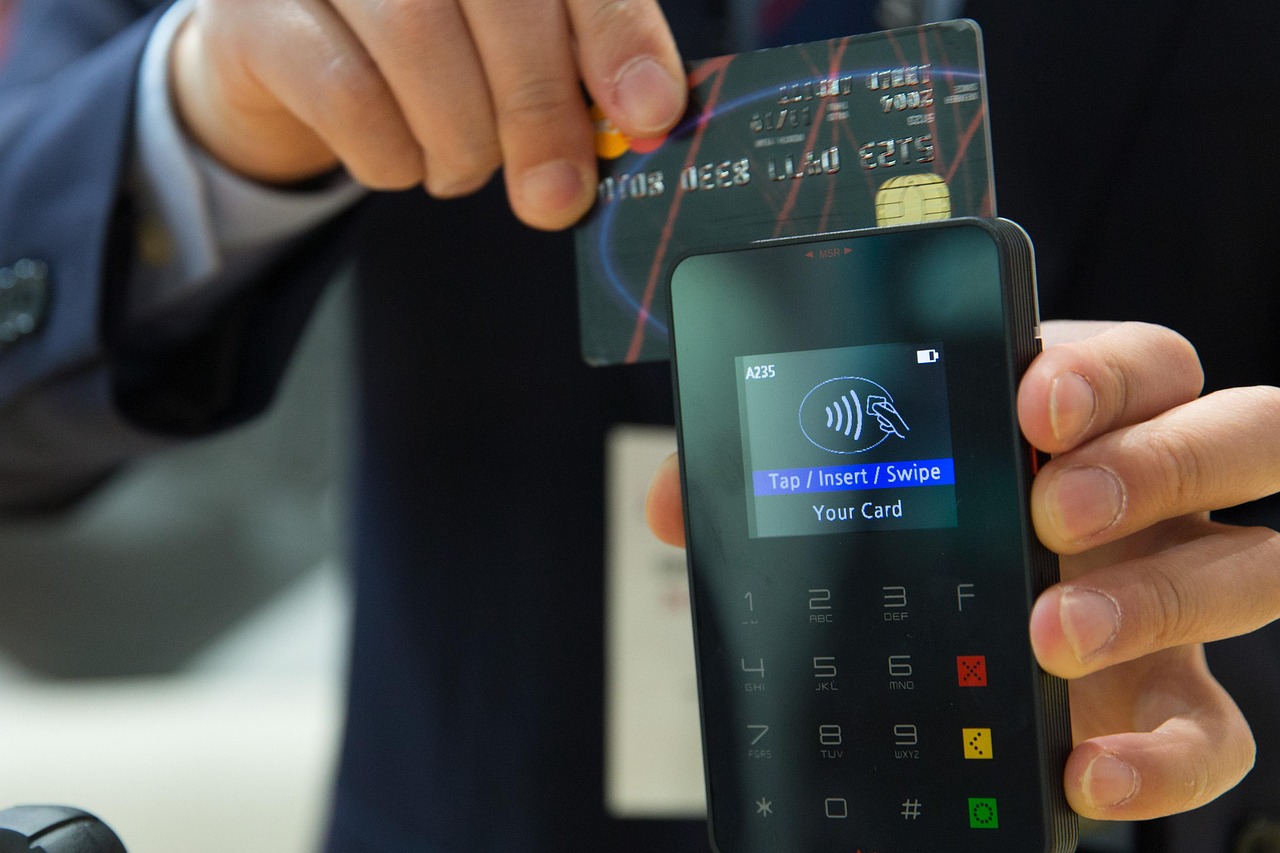
- Accept card, contactless and mobile payments through an integrated card machine — no manual reconciliation between separate devices.
- Split bills across services and products in a single transaction.
- Automatically calculate stylist commission by service, product sale or a blended rate.
- Gift voucher and loyalty programme management built in, not bolted on.
Reporting and Client Records
- Client history: notes on colour formulas, preferred services, allergies and personal preferences help staff deliver a consistently personalised experience.
- Revenue by stylist, service category and retail line — essential data for staff appraisals and buying decisions.
- GDPR-compliant data handling. The UK's data protection framework (governed by the UK GDPR and the Data Protection Act 2018) requires you to store client data lawfully and securely; your EPOS provider should be able to explain how their system supports this. Verify requirements directly at ico.org.uk.
How an Integrated EPOS System Ties Appointments, Stock and Payments Together
The real value of a modern salon EPOS system is integration. Consider the typical client journey: they book online, arrive, receive a colour service, purchase a take-home treatment, pay by card and earn loyalty points — all in one visit. In a fragmented setup, that journey touches four or five separate tools. With an integrated system, it flows through one.
When a service is completed and the appointment is closed, stock used during that appointment can be automatically deducted from backbar inventory. The payment screen shows the service total plus any retail items added at the chair, and the card machine settles in seconds. The client's record is updated, loyalty points are applied, and end-of-day reports reflect the full picture — no manual entry required.
For salon owners serious about streamlining operations, our complete guide to combined card machines and till systems explains how integrated payment hardware works and why it matters for reconciliation.
Cloud-Based vs Traditional EPOS: Which Is Right for Your Salon?
This is one of the first questions salon owners ask, and the honest answer depends on your priorities.
| Factor | Cloud-Based EPOS | Traditional (On-Premise) EPOS |
|---|---|---|
| Remote access to reports | Yes — from any device, anywhere | Limited — typically on-site only |
| Software updates | Automatic, included in subscription | Manual, often a paid upgrade |
| Upfront cost | Lower — hardware plus monthly SaaS fee | Higher — larger upfront licence cost |
| Works without internet | Offline mode available on quality systems | Yes — fully independent |
| Multi-site management | Excellent — one dashboard, multiple locations | More complex to configure |
| Data backup | Automatic cloud backup | Manual or scheduled local backup |
| Best for | Growth-focused salons, multi-chair, absentee owners | Salons in areas with unreliable broadband |
For most UK hair salons today, cloud-based EPOS is the more practical choice — particularly if you manage more than one location or want to check your figures without being physically present. That said, if your salon is in a rural area with unreliable broadband, ensure any cloud system you consider includes a robust offline mode before committing.
If you're newer to the world of EPOS technology, our complete 2026 guide to EPOS systems for small businesses covers the fundamentals in plain language.
What Does a Hair Salon EPOS System Cost in the UK?
Pricing varies depending on the number of terminals, the software tier and whether you opt for a cloud subscription or a traditional licence. The figures below are indicative ranges based on typical UK market conditions — always request a tailored quote before making a decision.
| Setup Type | Approximate Monthly Cost | Typical Hardware Outlay | Best For |
|---|---|---|---|
| Single-chair / sole trader | Typically from £30–£60/month (software) | From around £300–£600 (tablet + stand + printer) | Independent stylists, home salons |
| Small salon (2–5 chairs) | Typically £50–£120/month | From around £600–£1,500 | Independent high-street salons |
| Established salon (6+ chairs) | Typically £100–£250+/month | From around £1,500–£4,000+ | Larger salons, multi-location groups |
These ranges are approximate guidance only and will vary by provider, hardware specification and contract length. Card processing fees are separate and depend on your payment provider arrangement. For salons where transaction costs matter, our guide to card machines with no monthly fee explores lower-cost payment options worth considering alongside your EPOS investment.
Budget-conscious owners should also read our guide to affordable EPOS systems for small businesses, which outlines where to prioritise spend and where it's safe to save.
How EPOS Direct Supports UK Hair Salons from Setup to After-Sales
Buying an EPOS system is not a one-off transaction — it is the beginning of an ongoing operational relationship. EPOS Direct works with independent salons and growing salon groups across the UK, providing hardware, software and the support infrastructure to keep your business running smoothly.
Our approach covers four stages:
- Consultation — understanding your salon's workflow, chair count, retail range and payment preferences before recommending a solution.
- Configuration — setting up your services menu, pricing tiers, stylist profiles and stock catalogue before your system arrives, so it's ready to use from day one.
- Training — onboarding your team so that even less tech-confident staff feel confident at the till within hours, not days.
- After-sales support — UK-based support when you need it, so a technical issue never means a lost booking day.
You can talk to an expert online to discuss your salon's specific requirements, or request a free demo to see the software in action before committing to anything.
How to Switch to a New Salon Till System Without Disrupting Clients or Staff
Switching systems mid-trade feels daunting, but with the right planning it is far less disruptive than most owners expect. Here is a practical framework:
Before You Switch
- Export all client records, appointment history and product data from your current system in a compatible format (CSV is universally useful).
- Map out your full service menu, pricing and stylist commission structures so these can be configured in advance.
- Identify a lower-footfall period — a Tuesday or Wednesday rather than a Friday — to go live.
During the Transition
- Run both systems in parallel for one to two weeks if possible, using the new system as your primary and the old one as a safety net.
- Brief your team thoroughly before launch day — a short, focused training session is more effective than a lengthy manual.
- Keep your EPOS provider's support contact to hand on go-live day.
After You Switch
- Review your first month's reports carefully — this is the period when configuration tweaks (pricing, commission rules, stock categories) are easiest to make.
- Gather honest feedback from your team and act on it quickly. Staff buy-in is the single biggest factor in a successful switch.
For broader context on what a smooth EPOS transition involves for small businesses, the practical buyer's guide to till systems for small businesses covers selection and switching in detail. And if you're curious how decisions in adjacent retail sectors compare, our article on the best EPOS systems for clothing shops offers useful parallels for businesses that also manage a retail product range.
Conclusion: Choosing the Right EPOS System for Your Salon
The best salon till system is the one that fits your workflow today and grows with your ambitions tomorrow. Prioritise appointment integration, accurate stock control, commission tracking and seamless card payments — and choose a provider who will still be answering the phone six months after installation.
EPOS Direct has been helping UK businesses find, install and get the most from their EPOS systems for years. Visit the EPOS Direct UK home page to explore current offers and product information, or take the next step today: request a free demo and see how the right system can transform your salon's efficiency from the very first day.
Frequently asked questions
- Can a salon EPOS system handle appointments as well as payments?
- Yes. Modern salon EPOS systems can integrate appointment scheduling, client records and payment processing in one place. This means you can book a client, track their service history and take payment — all from the same screen — reducing admin time and improving the customer experience.
- How much should I expect to pay for an EPOS system for my UK hair salon?
- Costs vary depending on what your salon needs. A basic single-terminal setup in the UK typically starts from around £300 to £600 for hardware, with software subscriptions ranging from £20 to £80 per month. More feature-rich systems with appointment management, loyalty schemes and multi-stylist reporting may cost more. EPOS Direct offers tailored quotes so you only pay for what your salon actually uses.
- Is it difficult to migrate my client data and product inventory to a new salon till system?
- Switching systems is much easier than most salon owners expect. Reputable suppliers like EPOS Direct provide guided onboarding, data migration support and staff training so your team can be up and running quickly — often within a day — with minimal disruption to your bookings and trading.
