We use cookies to make your experience better.
To comply with the new e-Privacy directive, you agree to the privacy policy and our use of cookies

The Best EPOS Systems for UK Market Traders: A Complete Buying Guide
The Best EPOS Systems for UK Market Traders: A Complete Buying Guide
For UK market traders, having the right point-of-sale setup is no longer a luxury — it is a genuine competitive advantage. A well-chosen EPOS system lets you accept card payments reliably in any outdoor environment, manage stock across multiple market pitches, and produce the sales reports your accountant actually needs, all without being tethered to a fixed broadband connection. This guide walks you through everything you need to know to make the right buying decision, from hardware to connectivity to honest pricing.
Why Market Traders Need a Dedicated EPOS System
Running a market stall brings challenges that a standard retail till setup simply was not designed to handle: unpredictable weather, no fixed power supply, patchy mobile signal, and the need to pack down in minutes. A general-purpose cash register meets none of these demands. A purpose-built mobile EPOS system does.
Beyond survival, a proper system gives you a genuine edge:
- Card acceptance is now expected. The shift away from cash has accelerated significantly since 2020. Traders who cannot accept cards lose sales to stalls that can.
- Stock control becomes portable. Instead of guessing how much of each line sold last Saturday, you have a live record per item — useful for ordering, pricing, and spotting seasonal trends.
- End-of-day reconciliation takes minutes. Automated totals replace manual counting, reducing errors and speeding up your close-down routine.
- HMRC compliance is simpler. Making Tax Digital requires accurate digital records. An EPOS system that exports transaction data to your accounting software removes a significant administrative burden.
If you are currently relying solely on a cash tin and a card reader app, our guide on switching from a cash register to a modern EPOS system explains what the upgrade actually involves and why many traders find the transition far smoother than expected.
Key Features to Look for in a Market Trader EPOS System
Not all EPOS solutions are equal, and the feature set that matters to a high-street retailer differs markedly from what a market trader needs. Prioritise the following:
Offline Mode
Mobile signal on market sites can be inconsistent. Your EPOS system must be able to process sales and accept cards even when the connection drops, then sync data automatically once signal is restored. This is non-negotiable.
Battery Life and Power Independence
A tablet or terminal that dies at midday is useless. Look for hardware rated at eight hours or more on a single charge, and consider a portable battery bank as a backup. Some traders use compact power stations that can run a full setup for an entire trading day.
Integrated Card Payments
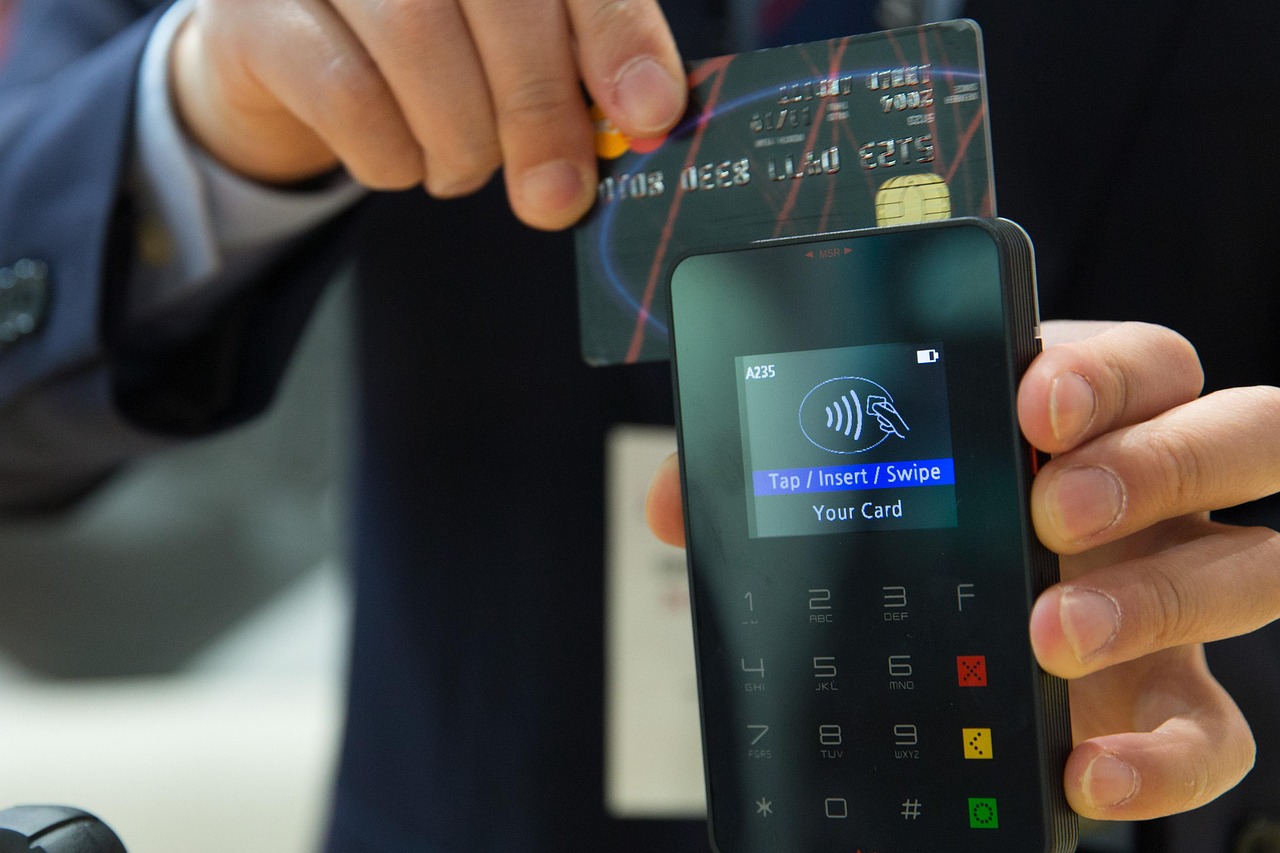
A separate card machine and till that do not communicate with each other create reconciliation headaches. Integrated card payments mean every transaction is recorded once, automatically, in the same system. Our detailed breakdown of the best EPOS systems with integrated card payments covers what to look for and what questions to ask providers.
Durable, Weather-Resistant Hardware
Screens that struggle in direct sunlight, tablets that cannot survive light rain, and card readers that lock up in cold temperatures are real risks for outdoor traders. Prioritise hardware with a high-visibility display and an IP-rated dust and moisture resistance where possible.
Quick, Intuitive Interface
At a busy Saturday market, you cannot afford a system that requires multiple taps to complete a sale. Look for large product buttons, a clean checkout flow, and the ability to process a transaction in under ten seconds for common items.
Inventory Management
Even a basic stock count per SKU, updated in real time as you sell, transforms your ordering decisions. More sophisticated systems allow you to manage multiple locations — useful if you trade at several markets each week.
Best Hardware Options for Outdoor and Mobile Trading
The physical kit you choose will define your day-to-day experience. There are three main configurations most market traders settle on:
| Setup | Best For | Typical Components | Key Advantage | Main Trade-Off |
|---|---|---|---|---|
| All-in-one mobile tablet system | Solo traders, small pitches | Android or iPad tablet, card reader, Bluetooth receipt printer | Compact, battery-powered, highly portable | Smaller screen may slow busy queues |
| Compact touchscreen terminal | Established traders with regular pitches | Dedicated EPOS terminal, integrated card reader, mini printer | Rugged, purpose-built, faster processing | Slightly heavier; may need portable power |
| Handheld mobile terminal | Traders moving through crowds (food, drink, flowers) | Android handheld with built-in card reader and printer | Maximum mobility, one-device simplicity | Limited screen space for large product catalogues |
For guidance on pairing any of these setups with the right card acceptance hardware, the practical guide to the best wireless card machines for small businesses is worth reading before you buy.
How to Accept Card Payments Without a Fixed Internet Connection
This is one of the most common concerns we hear from traders considering their first EPOS setup, and it has a straightforward answer: use 4G or 5G mobile data, combined with a system designed to work offline as a fallback.
4G/5G SIM-Based Connectivity
Most modern EPOS terminals support a SIM card slot or connect via a dedicated 4G router. A data-only SIM from a major UK network typically costs very little per month and provides a stable, dedicated connection that is not shared with other devices — far more reliable than relying on a personal mobile hotspot for business-critical transactions.
Offline Fallback Mode
Choose a system where offline card acceptance is supported. In offline mode, low-value transactions (typically below the contactless limit) can continue to process, with data queued and synced once connectivity is re-established. Confirm the specifics with your payment processor, as limits and conditions vary.
Dual Connectivity
Some traders use a combination of Wi-Fi (if the market site provides it) and 4G as an automatic failover. This belt-and-braces approach virtually eliminates downtime risk.
Typical Costs and Pricing: What UK Market Traders Should Expect to Pay
Pricing varies depending on whether you purchase hardware outright, take a monthly subscription, or combine the two. The following are honest indicative ranges based on the UK market — not quotes, and actual pricing should be confirmed with your chosen provider.
Hardware
- Entry-level tablet-based setup (tablet, card reader, Bluetooth printer): typically from around £300–£600 purchased outright
- Dedicated EPOS terminal with integrated card reader: typically from around £500–£900
- Handheld all-in-one mobile terminal: typically from around £400–£700
Software
- Entry-level retail EPOS software: typically from around £15–£40 per month per device
- Mid-tier with inventory management and reporting: typically from around £40–£80 per month
- Multi-location or advanced analytics plans: typically from around £80–£150 per month
Payment Processing
Card transaction fees vary by provider and your monthly volume, but UK market traders should anticipate fees broadly in the region of 0.5%–2% per transaction depending on the card type and your agreement. Always compare the blended rate across your expected card mix, not just the headline figure.
If you are weighing up whether to subscribe or buy outright, our in-depth article on monthly EPOS subscriptions versus outright purchase sets out exactly which approach suits which type of business — including seasonal traders who only operate for part of the year.
For a broader view of what a complete till setup involves, our guide to the best till systems for small businesses in the UK provides useful context across different business types.
How to Set Up and Get Started with Your Market Stall EPOS
The prospect of setting up a new technology system can feel daunting, but for most traders the process is more straightforward than expected — particularly when you have the right support from your provider.
- Define your product catalogue. Before you configure anything, list every product you sell with its price and (ideally) a barcode or SKU. Many EPOS systems allow you to import this via a spreadsheet, saving hours of manual entry.
- Choose your connectivity method. Decide whether you will use a 4G SIM in the terminal, a dedicated mobile router, or a combination. Test signal at your market pitch before your first trading day.
- Configure your payment processing. If integrated payments are included, your provider will typically walk you through the application. If using a separate payment processor, ensure the two systems communicate correctly before going live.
- Set up your receipt preferences. Many market customers prefer a digital receipt sent by SMS or email. This removes the need for a paper printer entirely and reduces your kit weight.
- Run a test day. Before relying on the system at a busy market, run it at a quieter event or in a practice environment. Identify any pinch points in the checkout flow while the stakes are low.
- Book staff training if needed. If you have a Saturday assistant or family member helping at the stall, ensure they are comfortable with the basics before the day.
If you want to explore the software before committing, you can book a retail EPOS software demo to see how the system handles a live market trader scenario — product lookups, fast checkout, and end-of-day reporting included.
Why EPOS Direct UK Is Trusted by Market Traders Across the Country
EPOS Direct UK has been helping independent retailers and mobile traders across the United Kingdom with purpose-built point-of-sale solutions for many years. Our approach is straightforward: understand the specific demands of your trading environment, recommend hardware that can handle it, and back everything with UK-based expert support.
For market traders specifically, we offer:
- Mobile-first hardware selected for battery performance, outdoor readability, and portability
- Integrated card payments that work on 4G and include offline fallback capability
- Flexible purchasing options — whether you want to own your system outright or spread costs monthly
- Dedicated UK-based support available when you need it, not just during office hours
- Scalable software that grows with your business, from a single pitch to multiple market locations
You can explore the full range of solutions and current deals on the EPOS Direct UK home page, where you will find offers tailored to retail and mobile trading businesses. If you trade in food and drink at markets or festivals, our hospitality EPOS offers are worth reviewing alongside the retail options.
Curious how our system compares to the alternatives? Our honest, detailed comparison against competing till systems sets out the differences clearly so you can make an informed choice.
Ready to Find the Right EPOS System for Your Market Stall?
Whether you trade every weekend at your local farmers' market or run a busy pitch at a regional indoor market, the right EPOS setup will save you time, reduce errors, and help you capture every sale — card or cash. The key is choosing a system built for mobility, not adapted from a fixed-retail mould.
The EPOS Direct UK team helps traders at every stage of this decision, from initial questions through to installation and ongoing support. Talk to an expert online for straightforward, no-pressure guidance, or request a free demo to see exactly how our retail EPOS solutions perform in a mobile trading environment. If you are ready to see current pricing and packages, visit our retail EPOS offers page to find the right fit for your stall.
Written by the EPOS Direct UK team, who support independent retailers and market traders across the United Kingdom with EPOS and POS system advice every day. For specific regulatory guidance — including Making Tax Digital requirements — visit HMRC's official Making Tax Digital pages.
Frequently asked questions
- Do EPOS systems for market stalls work without Wi-Fi or a fixed broadband connection?
- Yes. The best EPOS systems for outdoor traders are designed to work offline or via a 4G SIM card, so you can process sales and take card payments even when there is no reliable Wi-Fi on site. Look for a system that syncs data automatically once a connection is restored.
- How much does a portable EPOS system cost for a UK market trader?
- Costs vary depending on the hardware and software package you choose. As a rough guide, a basic portable setup including a tablet, card reader and EPOS software typically starts from around £300 to £500 as a one-off purchase, while some providers offer monthly plans from approximately £20 to £50 per month. EPOS Direct UK offers tailored quotes so you only pay for what your stall actually needs.
- Can I track my stock and sales reports from a market stall EPOS system?
- Absolutely. Modern EPOS systems designed for mobile and market trading include real-time stock management, daily sales summaries and end-of-day reports accessible from your phone or a back-office dashboard. This helps you identify your best-selling products and manage reordering efficiently, even across multiple market pitches.
