We use cookies to make your experience better.
To comply with the new e-Privacy directive, you agree to the privacy policy and our use of cookies

Best EPOS Systems for UK Pharmacies: What to Look For and How to Choose
EPOS Systems for UK Pharmacies: The Complete Buyer's Guide

A pharmacy is not simply a retail shop — it is a regulated healthcare environment where dispensing accuracy, stock integrity and patient safety sit alongside everyday over-the-counter sales. The right EPOS solution must therefore do far more than process transactions; it must support GPhC compliance, integrate with dispensing workflows, manage controlled-drug audit trails and give owners real-time visibility of a complex, mixed inventory. This guide covers everything a UK pharmacy owner or superintendent pharmacist needs to evaluate, compare and select an EPOS system with confidence.
Why Pharmacies Need a Specialist EPOS Solution
General-purpose retail tills handle straightforward product catalogues and card payments competently. But a community pharmacy typically manages thousands of SKUs across wildly different categories — prescription items, Pharmacy (P) medicines, General Sales List (GSL) products, medical devices and retail sundries — each governed by distinct regulations on who can sell them, under what supervision, and with what record-keeping. A generic system simply cannot enforce those constraints at the point of sale.
Specialist pharmacy EPOS software embeds those rules into the selling process itself. It can flag restricted products that require pharmacist supervision, prevent unattended sales of P-class medicines, and maintain the detailed transaction logs that support both GPhC inspections and NHS contractor compliance checks. Beyond compliance, pharmacies benefit from the same operational advantages any busy retailer needs: faster checkout, accurate stock counts, integrated payment processing and staff management — but tailored to a healthcare context.
For pharmacy owners already evaluating broader EPOS options, our complete 2026 guide to EPOS systems for small businesses provides a useful grounding in the core technology before diving into pharmacy-specific requirements.
Key Features to Look for in a Pharmacy EPOS System
Not every feature marketed to pharmacies is genuinely essential — and not every essential feature is prominently advertised. Focus your evaluation on the following areas:
- Dispensing system integration: Your EPOS should communicate seamlessly with your PMR (Patient Medication Record) software — systems such as Cegedim, Positive Solutions or EMIS — so that dispensed items flow directly into stock deductions without manual re-entry.
- Product classification and sale restrictions: The system must distinguish GSL, P and POM categories, applying appropriate point-of-sale prompts or blocks. Selling a P medicine without a pharmacist present is a regulatory breach; your EPOS should make that impossible.
- Controlled drug audit trails: Full transaction-level logging for Schedule 2 and 3 controlled drugs, with timestamped staff records, supports the running balance requirement under the Misuse of Drugs Regulations.
- Barcode and NHS code scanning: Rapid scanning of Data Matrix barcodes (as required under the Falsified Medicines Directive) and NHS prescription barcodes accelerates dispensing and reduces keying errors.
- Age-verification prompts: Automated Challenge 25 prompts for products such as emergency hormonal contraception or certain over-the-counter codeine products.
- Multi-location stock management: For pharmacy groups or those with a dispensary separate from the retail floor, centralised stock visibility is essential.
- NHS and EPS (Electronic Prescription Service) compatibility: The system should support NHS prescription processing workflows, including FP10 management and end-of-month NHS reconciliation reporting.
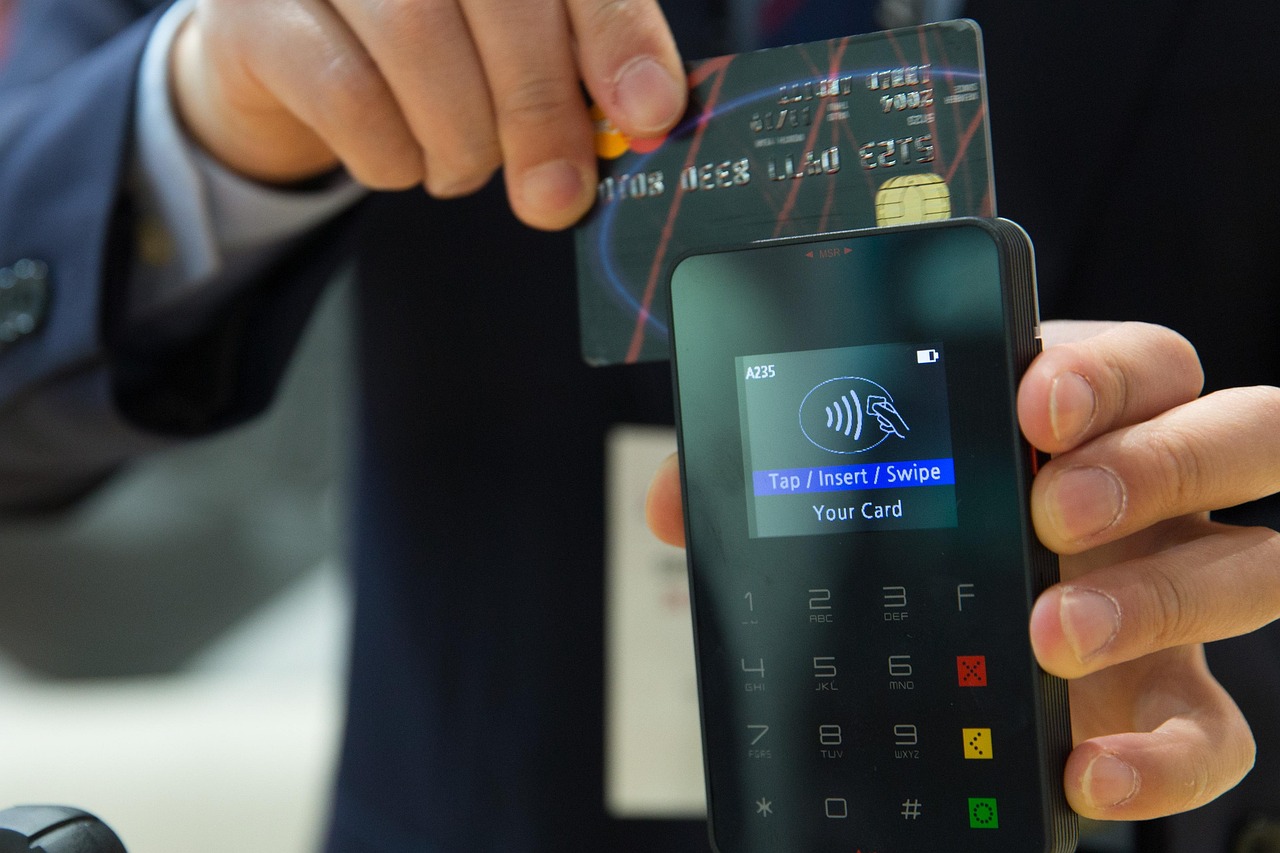
- Integrated card payments: Contactless, chip-and-PIN and mobile pay options built into the EPOS remove reconciliation headaches. For a broader look at payment integration, see our guide to combining a card machine and till system.
GPhC Compliance and EPOS: What UK Pharmacists Need to Know
The General Pharmaceutical Council (GPhC) sets the standards against which all registered pharmacy premises in Great Britain are inspected. While the GPhC does not prescribe a particular EPOS product, inspectors do assess whether systems and processes reliably support safe and effective pharmacy practice — including record-keeping, stock security and supervision controls.
Practically, this means your EPOS must be able to:
- Produce transaction records that can be retrieved quickly during an inspection or NHS audit.
- Enforce supervision rules at the point of sale without relying on staff memory.
- Support accurate stock reconciliation, reducing the risk of dispensing errors caused by phantom stock figures.
- Maintain an audit trail that identifies which staff member processed each transaction.
Pharmacists should always verify current GPhC standards directly on the GPhC website (www.pharmacyregulation.org), as guidance is updated periodically. An EPOS provider that understands this regulatory context — and can demonstrate how their software addresses it — is a meaningful differentiator from a generic retail till supplier.
How Pharmacy EPOS Software Handles Dispensing, OTC Sales and Stock Control
The dispensary and the retail floor are operationally distinct but financially inseparable. A well-designed pharmacy EPOS bridges both:
Dispensing Workflow
When a prescription is received — paper FP10 or electronic via EPS — the PMR system logs the item. A pharmacy EPOS integrated with the PMR can automatically decrement dispensary stock when the item is labelled and bagged, so physical stock counts remain accurate without a separate end-of-day reconciliation exercise.
OTC and Retail Sales
The retail counter handles GSL and P products, cosmetics, health foods and seasonal ranges. A good pharmacy EPOS applies margin analysis by category, flags low-stock thresholds for fast-moving lines (cold-and-flu season paracetamol, for example), and supports promotional pricing without compromising the regulatory rules layered beneath.
Stock Control
Pharmacy stock is expensive, often short-dated and subject to returns through the DRUM (Disposal and Return of Unwanted Medicines) scheme. EPOS software that tracks expiry dates by batch, generates near-expiry alerts and records waste disposals keeps both margins and compliance records in order. Automated reorder points linked to your wholesaler (AAH, Phoenix, Alliance Healthcare) reduce the risk of running out of critical items.
If you would like to see these workflows in action before committing to anything, you can request a pharmacy EPOS software demo from the EPOS Direct team at no cost or obligation.
Cloud-Based vs On-Premise EPOS: Which Is Right for Your Pharmacy?
This is one of the first structural decisions a pharmacy buyer must make, and it has long-term implications for cost, resilience and flexibility.
| Consideration | Cloud-Based EPOS | On-Premise EPOS |
|---|---|---|
| Internet dependency | Requires reliable broadband; good systems offer offline mode for card payments | Operates fully independently of internet connectivity |
| Data access | Real-time access from any device, ideal for multi-site pharmacy groups | Local access only unless additional remote tools are configured |
| Updates & maintenance | Automatic software updates; no on-site IT overhead | Manual updates; typically requires IT support contracts |
| Upfront cost | Lower hardware investment; monthly subscription model | Higher upfront hardware and licence costs |
| Data security | Encrypted cloud storage; provider responsible for backups | Data held on-site; pharmacy responsible for backup discipline |
| Scalability | Easily scaled across additional branches | Each site requires separate hardware investment |
| Best suited for | Independent pharmacies and growing groups seeking flexibility | Pharmacies in areas with poor broadband or strict data-locality requirements |
For most UK community pharmacies, a cloud-based system now represents the more pragmatic choice — particularly given the NHS's broader push toward digital integration. That said, connectivity resilience matters: always confirm that your chosen system supports offline transaction capture, ensuring continuity if your broadband drops during a busy dispensing period.
How Much Does a Pharmacy EPOS System Cost in the UK?
Cost is invariably a central question, and the honest answer is that it depends on the scale of your operation, the hardware configuration you require and whether you opt for a subscription or outright-purchase model. The figures below are indicative ranges typical for the UK market — they are not quotes and will vary by supplier and specification.
- Entry-level single-terminal setup (touchscreen terminal, receipt printer, barcode scanner, cash drawer, basic pharmacy software): typically from around £500–£1,200 upfront for hardware, with software subscriptions starting from approximately £30–£60 per month for cloud-based solutions.
- Mid-range pharmacy configuration (dual screen for customer-facing display, integrated card reader, label printer, PMR integration, staff management): hardware typically in the range of £1,200–£2,500, with software from approximately £60–£120 per month.
- Multi-terminal or multi-site pharmacy group: hardware and implementation costs vary considerably; monthly software licences for multi-branch deployments typically fall in the range of £150–£400+ per month depending on the number of terminals and sites.
Beyond the core system, factor in ongoing costs such as payment processing fees, extended warranty or hardware support contracts, and staff training. For pharmacies sensitive to ongoing payment costs, our guide to card machines with no monthly fee explores payment options that can reduce fixed overheads.
For independent pharmacies keeping a close eye on budgets, it is also worth reviewing our most affordable EPOS options for small businesses in the UK — many of the value-tier considerations apply equally to smaller pharmacy operations.
The best way to get an accurate, itemised figure for your specific pharmacy is to talk to an expert online — you will receive a recommendation built around your actual workflow rather than a generic price list.
Why EPOS Direct Is Trusted by UK Pharmacies
EPOS Direct has been supplying and supporting point-of-sale technology to UK businesses for many years, and the pharmacy sector sits at the heart of the company's retail expertise. The approach is straightforward: hardware and software that are configured specifically for each pharmacy's workflow, backed by UK-based support that understands the regulatory environment in which pharmacists operate.
Key reasons pharmacy owners choose EPOS Direct include:
- Pharmacy-specific software: Purpose-built modules covering dispensing integration, medicine classification, controlled drug logging and NHS reporting — not a generic retail system with a pharmacy label applied.
- Reliable UK hardware: Robust touchscreen terminals, thermal receipt and label printers, handheld scanners and customer-facing displays, all configured and tested before dispatch.
- Genuine integration capability: Compatibility with leading PMR systems and NHS EPS workflows, reducing the data-entry duplication that costs dispensary staff time every day.
- Transparent pricing: No hidden costs — hardware, software, payment integration and support are clearly itemised so pharmacy owners can budget with confidence.
- Responsive after-sales support: A UK-based support team available when a dispensary is under pressure, not just during standard office hours.
You can explore the full software capability before making any commitment via our EPOS software portal, or go straight to the pharmacy EPOS software demo to see the dispensing and OTC workflows in action.
For the full range of EPOS Direct products and current offers, visit the EPOS Direct UK home page where you will find hardware bundles, software plans and seasonal promotions for pharmacies and other retailers.
Conclusion
Choosing the right EPOS solution for a UK pharmacy means finding a system that goes beyond fast checkouts — one that actively supports regulatory compliance, reduces dispensing errors, delivers real-time stock intelligence and integrates with the NHS and PMR infrastructure your team already relies on. The stakes are higher than in most retail environments, and the right technology partner should understand that from the first conversation.
EPOS Direct UK specialises in exactly this: pharmacy-grade EPOS solutions built for the demands of regulated healthcare retail. Whether you are opening a new pharmacy, replacing an ageing till system or expanding to a second branch, the team is ready to help you find the right configuration at the right price. Request a free demo today or request a call back and speak directly with a pharmacy EPOS specialist.
Written by the EPOS Direct UK team, who work with UK pharmacy owners, independent retailers and healthcare businesses every day to find EPOS and POS solutions that fit their specific operational and regulatory needs.
Frequently asked questions
- What should I look for in an EPOS system for my pharmacy?
- Look for a system that handles both OTC retail sales and dispensary-side transactions, supports integrated barcode scanning for medicines, offers real-time stock control, and generates reports for NHS reconciliation or audit purposes. Ideally, it should also support chip-and-pin card payments, loyalty schemes, and age-restricted product prompts at the point of sale.
- How much does a pharmacy EPOS system typically cost in the UK?
- Entry-level pharmacy EPOS setups in the UK typically start from around £500 to £900 for a basic single-terminal hardware bundle. A fully specified system with a touchscreen till, integrated card reader, receipt printer, barcode scanner and pharmacy-focused software can range from £1,200 to £2,500 or more. Monthly software licences or support contracts may add £30 to £100 per month depending on features and number of terminals. EPOS Direct offers tailored quotes so you only pay for what your pharmacy genuinely needs.
- Can a pharmacy EPOS system help with stock management for prescription and OTC products?
- Yes. A good pharmacy EPOS system tracks stock levels in real time across both prescription-related products and over-the-counter lines. It can flag low stock, generate automated reorder alerts, and help you reduce wastage from expired medicines. Some systems also integrate with wholesale supplier catalogues so you can raise purchase orders directly from your till software.
