We use cookies to make your experience better.
To comply with the new e-Privacy directive, you agree to the privacy policy and our use of cookies


Best EPOS System for Restaurants in the UK (2026 Buyer's Guide)
Best EPOS System for Restaurants in the UK (2026 Buyer's Guide)

A modern restaurant EPOS system does far more than process payments — it coordinates your kitchen, tracks every cover, manages staff shifts and gives you the real-time data you need to run a profitable venue. For UK restaurateurs weighing their options in 2026, the right system can meaningfully reduce table-turn times, cut order errors and simplify end-of-day reconciliation. This guide covers everything from must-have features and realistic costs to the hardware choices and selection criteria that actually matter on a busy service.
What a Restaurant EPOS System Actually Does — and Why It Matters
At its core, a hospitality EPOS (Electronic Point of Sale) system connects your front-of-house ordering to your kitchen, your payment terminal and your management reporting in a single, joined-up workflow. Orders placed tableside or at the counter are sent directly to kitchen display screens or receipt printers, eliminating the paper-ticket bottleneck that slows service and causes disputes.
Beyond the basics, a well-configured restaurant system handles table management (seating plans, covers, split bills), allergen prompts on every menu item (a legal requirement in the UK under the Natasha's Law framework — verify current obligations at food.gov.uk), modifier and upsell prompts, real-time stock depletion for dishes, and integrated payroll-ready staff clock-in. The result is fewer voids, fewer complaints and a clearer picture of what your busiest lines actually are.
For a broader look at how these principles apply to small independent venues, see our complete guide to EPOS systems for small businesses.
Key Features to Look for in a Restaurant EPOS System
Not every feature matters equally to every venue. Use this framework to prioritise what your operation genuinely needs before you speak to any supplier.
Front-of-House Essentials
- Table and floor-plan management — drag-and-drop layouts that reflect your actual seating, with real-time status showing occupied, reserved and awaiting-bill covers.
- Tableside ordering — handheld tablets or mobile POS devices allow servers to send orders directly to the kitchen without returning to a fixed terminal, cutting service time on every round.
- Course and modifier management — structured menus with starters/mains/desserts firing in sequence, plus unlimited modifiers (cooking preferences, dietary swaps) that print clearly on kitchen tickets.
- Allergen and dietary prompts — built-in alerts at the point of order reduce compliance risk and demonstrate due diligence.
- Split bills and flexible payment — by seat, by item or any custom split; multiple tender types in a single transaction.
Back-of-House and Management
- Kitchen Display System (KDS) integration — digital screens replace paper tickets, reducing waste and giving kitchen teams colour-coded timing alerts.
- Real-time inventory and recipe costing — ingredient-level stock depletion so you know when a dish is 86'd before a guest orders it.
- Staff management and time-and-attendance — PIN or card clock-in, role-based permissions, and shift reports that feed directly into payroll.
- Detailed sales and margin reporting — by item, category, time of day and server; the data foundation for menu engineering decisions.
- Cloud access — review yesterday's Z-report from your phone before the morning briefing, and push menu updates to every terminal simultaneously.
Integration Ecosystem
Look for native or well-documented API connections to your reservation platform, online ordering aggregators (Deliveroo, Uber Eats, Just Eat), accounting software (Xero, Sage, QuickBooks) and loyalty or gift-card schemes. Every manual re-keying touchpoint is a potential error and a time cost.
Types of UK Restaurant That Benefit Most From a Dedicated EPOS Setup
The features you weight most heavily should reflect your service model. Here is a practical breakdown by venue type.
| Venue Type | Priority Features | Typical Hardware Setup |
|---|---|---|
| Café / Coffee Shop | Fast item lookup, loyalty integration, digital receipts, queue-busting handheld | Compact touchscreen terminal, integrated card reader, receipt printer |
| Takeaway / Quick Service | Customer-facing display, online order aggregator sync, caller ID integration, order numbering | Counter terminal, KDS or bump bar, label printer, card machine |
| Casual Dining | Table management, tableside ordering, course-firing, split bills | Host terminal, server handhelds, KDS, integrated payments |
| Fine Dining | Detailed allergen management, wine pairing prompts, cover reporting, multi-site reporting | Elegant slim terminal, silent printing, cloud management dashboard |
| Pub / Bar | Fast bar tab management, drinks modifiers, cellar stock, age-verification prompts | Bar-mount touchscreen, spill-resistant design, tab-running workflow |
| Food Hall / Ghost Kitchen | Multi-concept menu switching, aggregator integration, prep-time routing | Multiple KDS screens, cloud-only management, aggregator tablet dock |
How Much Does a Restaurant EPOS System Cost in the UK?
Costs vary widely depending on the number of terminals, the depth of software features and whether you own or lease your hardware. The following ranges are honest indicative guidance for the UK market — they are not exact quotes and will vary by supplier and configuration. Always request a written proposal based on your specific setup.
Indicative Cost Tiers (2026)
- Entry-level single-terminal setup — typically from around £300–£600 upfront for owned hardware, with software subscriptions often ranging from approximately £30–£70 per month. Suitable for small cafés or single-operator takeaways.
- Mid-range multi-terminal (2–4 tills) — hardware investment typically from £800–£2,500 depending on specification, with monthly software and support fees commonly in the £60–£150 range. This tier covers most casual-dining or busy pub setups.
- Full-featured multi-site or fine-dining configuration — full installations with KDS, handhelds, integrated payments and advanced reporting can range from £3,000 upward as a one-off, or be structured as a managed monthly package. Bespoke pricing is standard at this level.
If monthly subscription costs are a concern, our guide on EPOS systems with no monthly fee explores ownership models that reduce your ongoing commitment. You may also find our most affordable EPOS systems for small businesses guide useful for benchmarking entry-level options.
Remember to factor in installation, staff training, ongoing support and any payment processing costs. Integrated card payments typically carry a per-transaction fee — compare this against your current terminal contract carefully. For a consolidated view of till and payment hardware together, our guide to combined card machine and till systems is a useful starting point.
EPOS Hardware Options for UK Restaurants in 2026
Hardware should match your physical environment and service style, not just look good in a brochure.
Fixed Touchscreen Terminals
The workhorse of most UK restaurant setups — a 10-inch to 15-inch capacitive touchscreen with a robust enclosure. Ideally rated for splash resistance in bar and kitchen-adjacent positions. Look for a fanless design if the unit will be near cooking areas.
Handheld and Tablet POS
Rugged Android or iOS handhelds let servers take orders and card payments tableside without returning to a fixed terminal. On a 40-cover evening, this can meaningfully increase the number of rounds served per hour. Ensure the devices connect reliably over your venue's Wi-Fi — a professional site survey is worth the investment before you go live.
Kitchen Display Systems (KDS)
Replacing paper dupe tickets with a colour-coded screen dramatically reduces miscommunication between front and back of house. Modern KDS units allow the kitchen to acknowledge each order with a single tap and alert servers when a course is ready to run.
Customer-Facing Displays and Self-Order Kiosks
In quick-service or takeaway environments, a customer-facing pole display or self-order kiosk reduces queuing pressure and increases average spend through upsell prompts. Self-order hardware has seen significant take-up across UK quick-service operators since 2022.
Integrated Card Machines
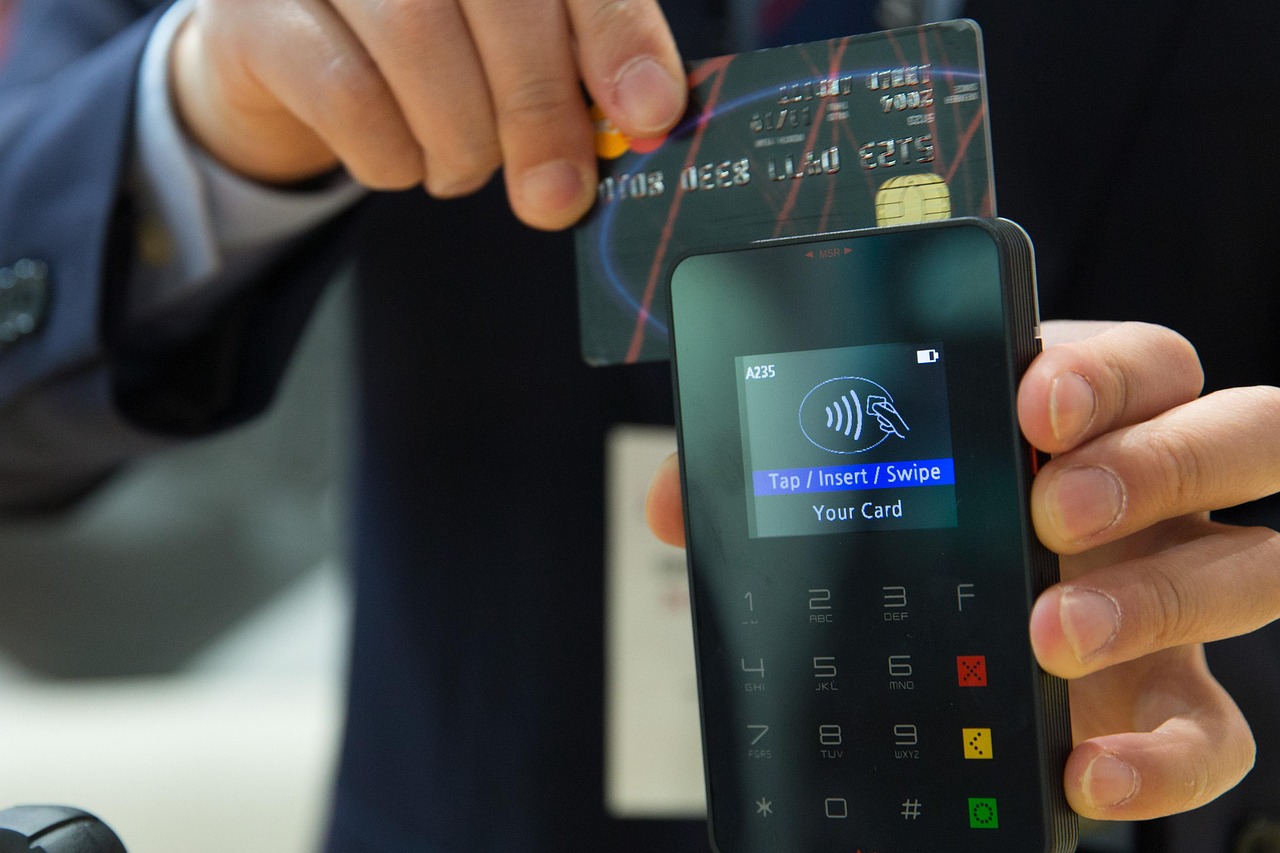
Cabled or wireless card machines that communicate directly with the EPOS terminal eliminate keying errors and speed up end-of-day reconciliation. For venues considering standalone options, our comparison of the best wireless card machines for small businesses covers the key decision points.
How to Choose the Right EPOS Provider for Your Restaurant
The software demo is essential, but the quality of ongoing support is what determines whether the system becomes an asset or a source of daily frustration.
Questions Worth Asking Any Supplier
- What happens if the system goes offline mid-service? A robust offline mode that queues transactions locally and syncs when connectivity returns is non-negotiable for a busy Friday evening.
- What does your support contract actually cover, and what are the response times? Same-day or next-business-day engineer response is the benchmark for a primary trading system. Ask whether support is UK-based.
- Can I see a live demo of the kitchen display workflow? The interface your kitchen team uses at 19:30 on a Saturday needs to be clear and fast — not just impressive in a quiet office environment. You can explore our own workflow by booking a restaurant EPOS software demo at any time.
- How are software updates handled, and is there a roadmap? Cloud-based systems update automatically; on-premise systems require manual deployments. Neither is inherently superior, but you need clarity on the process and the frequency.
- What does the onboarding and menu-build process look like? A large menu with complex modifiers takes time to configure correctly. Ask who does the menu build — you or the supplier — and what quality-checking is included before go-live.
Red Flags to Watch For
- Proprietary hardware that locks you to one supplier for replacements at inflated prices.
- Contracts with automatic renewal clauses and long notice periods buried in the small print.
- Support that routes through a call centre with no escalation path to a technical engineer.
- Software that hasn't received a meaningful update in over 12 months — a sign of limited development investment.
If you are currently using an older till setup and considering the transition, our guide to till system alternatives provides a candid comparison of the options.
Why UK Restaurants Choose EPOS Direct
EPOS Direct has been supplying and supporting point-of-sale systems to UK businesses across retail, hospitality and specialist sectors for many years. Our restaurant clients range from independent neighbourhood bistros to multi-site casual-dining groups, and we build every installation around the specific operational demands of your venue — not a generic template.
Our hospitality platform covers the full service workflow: tableside ordering on robust handhelds, kitchen display systems with course-firing intelligence, allergen management, integrated card payments and cloud-based management reporting you can access from anywhere. Everything is supported by a UK-based team who understand what a failing terminal at 19:00 on a Saturday actually means for your business.
For broader context on what we offer across all venue and retail types, visit the EPOS Direct UK home page to explore current offers and system information. We publish clear, honest pricing for every tier and offer a no-obligation demonstration so you can evaluate the software in your own time.
- Transparent pricing — no hidden setup fees or surprise mid-contract rate changes.
- UK-based support — real engineers, not scripted first-line agents, available when your service depends on it.
- Scalable hardware — from a single café terminal to a full multi-site enterprise deployment.
- Genuine onboarding — menu build, staff training and a supervised go-live, not just a box delivered to reception.
Ready to see the platform in action? Book a restaurant EPOS software demo or talk to one of our experts online — no sales pressure, just a straightforward conversation about what your venue needs.
Making Your Decision: A Summary
The best EPOS setup for a UK restaurant is the one that maps precisely to your service model, integrates with the tools you already rely on and is backed by support you can actually reach. Prioritise workflow fit and support quality over headline price — a system that saves your team 90 seconds per table turn pays for itself quickly, while a cheap system with poor support costs far more in stress and lost covers than the saving ever justified.
EPOS Direct UK works with restaurants of every size and type across the country. To explore current hospitality packages, view our hospitality and restaurant EPOS offers, or request a call back and a member of our team will get in touch at a time that suits you.
Written by the EPOS Direct UK team, who support UK restaurants and hospitality businesses with EPOS and POS systems every day.
Frequently asked questions
- What is the best EPOS system for a small restaurant in the UK?
- For small UK restaurants, the best EPOS system is one that combines an easy-to-use touchscreen till, table management, and integrated card payments. EPOS Direct offers scalable packages suited to independent restaurants with no large upfront costs and full UK-based support.
- How much does a restaurant EPOS system cost in the UK?
- Restaurant EPOS systems in the UK typically range from £300 to £1,500+ for hardware, with software subscriptions starting from around £30–£80 per month. EPOS Direct provides transparent pricing with options for outright purchase or flexible monthly plans tailored to your venue size.
- Can a restaurant EPOS system integrate with Deliveroo, Uber Eats, or Just Eat?
- Yes, many modern restaurant EPOS systems in the UK support third-party delivery platform integrations. EPOS Direct's restaurant software can connect with popular delivery apps to centralise orders, reduce manual entry errors, and speed up kitchen fulfilment.
