We use cookies to make your experience better.
To comply with the new e-Privacy directive, you agree to the privacy policy and our use of cookies

The Best EPOS Systems for UK Retail Shops: A Complete Buyer's Guide
The Best EPOS Systems for UK Retail Shops: A Complete Buyer's Guide
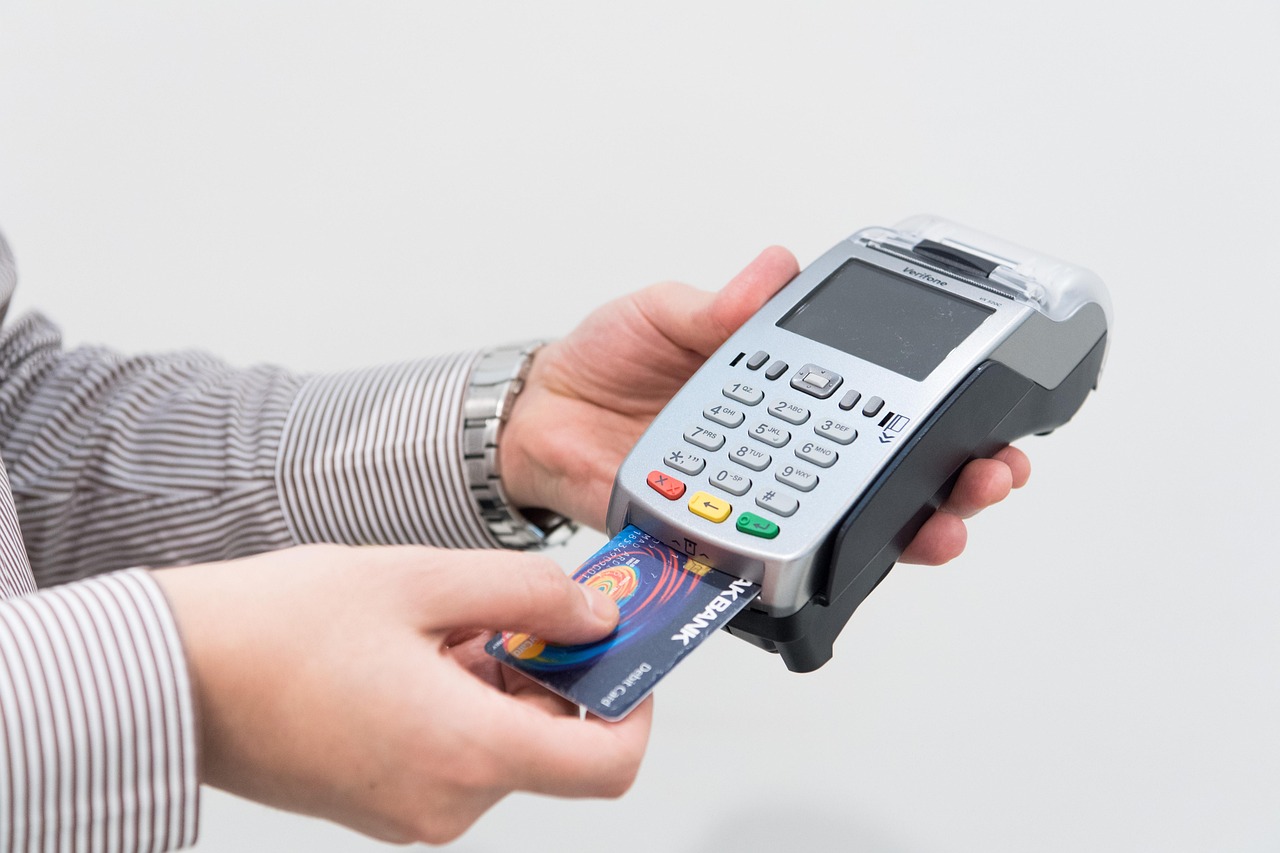
Choosing the right EPOS system is one of the most consequential technology decisions a UK retailer can make — it shapes how quickly you serve customers, how clearly you understand your stock, and how confidently you manage your business day to day. The good news is that modern retail EPOS solutions have become far more capable and far more accessible, whether you run a single boutique or a small chain of shops. This guide covers everything you need to know: the features that matter, the hardware involved, realistic costs, and how to match the right system to your specific retail environment.
What Is an EPOS System and Why Does Every UK Retail Shop Need One?
EPOS stands for Electronic Point of Sale. At its core, an EPOS system replaces the traditional cash register with an intelligent platform that processes sales, manages stock, tracks customer behaviour, and generates the reports you need to run a profitable shop. Where an old-fashioned till simply records a transaction, a modern EPOS system connects that transaction to your entire operation.
For UK retailers specifically, the case is compelling on several fronts. HMRC's Making Tax Digital initiative means accurate, structured financial records are increasingly important — and a well-configured EPOS system produces exactly that kind of audit-ready data automatically. Beyond compliance, the real-time visibility you gain over stock levels, bestselling lines, and peak trading periods is something no manual process can replicate at scale.
- Faster service: Barcode scanning and integrated card payments reduce transaction times and queue lengths.
- Accurate stock control: Every sale automatically updates your inventory, reducing over-ordering and stockouts.
- Richer reporting: Sales by SKU, by staff member, by time of day — data that drives smarter buying decisions.
- Customer loyalty: Many systems support loyalty programmes, gift cards, and customer accounts.
- Integrated payments: Accepting contactless, chip-and-PIN, and mobile wallets is seamless when your card reader talks directly to your till.
If you are currently running a shop on a basic cash register or a spreadsheet-based stock system, the operational uplift from switching to a proper EPOS platform is typically immediate and significant. You can explore the full range of solutions available at the EPOS Direct UK home page, where current offers and product information are kept up to date.
Key Features to Look for in a Retail EPOS System
Not every EPOS platform is built with retail in mind. Some are designed primarily for hospitality, others for service businesses. When evaluating options for a shop environment, prioritise the following capabilities.
Stock and Inventory Management
This is non-negotiable for retail. You need the ability to set up product variants (size, colour, style), manage multiple suppliers, receive stock digitally, and receive low-stock alerts. The best systems let you run a stocktake directly from a handheld scanner without closing the shop.
Barcode and Product Catalogue Management
A strong product database — with the ability to import large catalogues via spreadsheet, print your own barcode labels, and handle composite or bundled products — saves an enormous amount of setup time and ongoing admin.
Integrated Card Payments
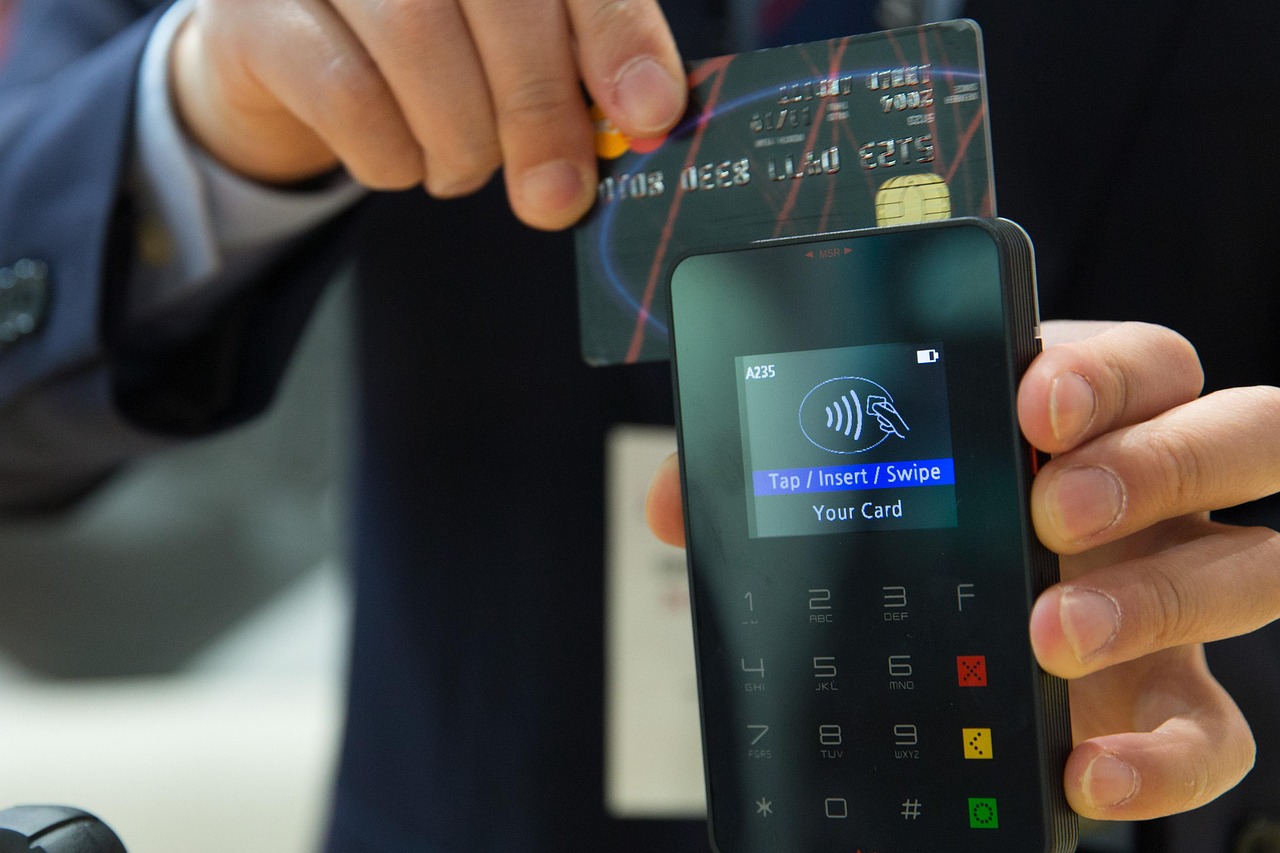
A fully integrated payment terminal means the sale amount is passed automatically to the card machine — no manual keying, no mismatches at end of day. If you are comparing options in this area, our guide to the best EPOS systems with integrated card payments in the UK walks through the key considerations in detail.
Reporting and Analytics
Look for reports that show gross profit by product, sales trends over custom date ranges, refunds and voids, and staff performance. The ability to access these reports remotely — on a phone or tablet — is particularly valuable for owners who are not always on the shop floor.
Multi-Site Capability
If there is any chance you will open a second location, choose a platform that supports multi-site operation from day one. Migrating systems later is costly and disruptive.
Promotions and Discounting
Retail lives and dies by promotions. Your EPOS should handle percentage discounts, buy-one-get-one offers, time-limited deals, and category-based pricing rules without requiring manual workarounds at the till.
EPOS Hardware Explained: Tills, Barcode Scanners, Card Readers and More
A complete retail EPOS setup typically comprises several hardware components working together. Understanding what each does helps you spec a system that fits your counter space, your workflow, and your budget.
- Touchscreen till terminal: The central unit — usually a 15" or 15.6" all-in-one touchscreen running the EPOS software. Can be a dedicated terminal or a tablet-based system.
- Barcode scanner: Either a handheld wired scanner or a fixed flatbed scanner (ideal for high-volume checkout environments). Wireless Bluetooth scanners offer flexibility for click-and-collect or stocktaking.
- Receipt printer: Thermal printers are the retail standard — fast, reliable, and low-maintenance. Look for models with auto-cutter and near-print-end sensors.
- Cash drawer: Still essential even in increasingly cashless environments — opened automatically by the EPOS on cash transactions.
- Card payment terminal: Integrated with the EPOS software to pass transaction totals automatically. Countertop or wireless models are both common in retail.
- Customer-facing display: Shows the itemised basket and total to the customer during the transaction — useful for transparency and reducing disputes.
- Label printer: For printing barcode and price labels directly from the EPOS product database — a significant time-saver when receiving new stock.
For a deeper look at combining your payment hardware intelligently, the guide to card machines and till systems combined explains exactly how integrated setups work and why they reduce end-of-day reconciliation errors.
How Much Does a Retail EPOS System Cost in the UK?
This is one of the first questions any retailer rightly asks, and the honest answer is that costs vary considerably depending on the hardware spec, the software model, and the level of support included. The table below gives a realistic picture of what different tiers of retail EPOS investment look like in the UK market.
| Solution Tier | Typical Use Case | Indicative Hardware Cost | Indicative Software Cost | Support & Setup |
|---|---|---|---|---|
| Entry-level tablet-based | Market stall, pop-up, very small shop | From around £300–£600 | Typically £20–£50/month | Self-setup; online support |
| Mid-range single-terminal | Independent retail shop, boutique, convenience store | From around £700–£1,500 | Typically £40–£80/month | Remote setup; phone & email support |
| Full retail EPOS suite | Established retailer, multi-till, stock-intensive | From around £1,500–£3,500+ | Typically £60–£150/month | On-site installation; dedicated account management |
| Multi-site / chain | Multiple branches, centralised stock management | Quoted per site | Volume pricing available | Project-managed rollout; SLA-backed support |
These figures are indicative guidance for the UK market and should not be taken as exact quotes — actual pricing depends on your specific hardware configuration, software tier, payment processing arrangement, and contract length. If you are weighing the trade-offs between paying monthly and buying outright, the article on monthly EPOS subscriptions versus outright purchase lays out the financial logic clearly for different business sizes.
Cloud-Based vs On-Premise EPOS: Which Is Right for Your Shop?
The architecture of your EPOS system — where the software runs and where your data lives — has practical consequences for reliability, flexibility, and ongoing cost. Neither approach is universally superior; the right choice depends on your circumstances.
Cloud-Based EPOS
Cloud systems store your data on remote servers accessed via the internet. This means you can view sales reports, update product prices, and manage stock from anywhere with a connection. Software updates happen automatically, and adding a new till or a second location is straightforward. The main consideration is internet dependency — though most modern cloud EPOS systems include an offline mode that allows trading to continue and syncs when connectivity is restored.
On-Premise EPOS
On-premise systems store data locally on hardware you own. They do not rely on an internet connection for core operation, which suits retailers in areas with unreliable broadband or those with specific data-sovereignty requirements. The trade-off is that remote access and automatic updates are more limited, and IT maintenance sits with you rather than the software provider.
For most UK independent retailers today, a cloud-based system is the more practical choice — it lowers the upfront IT burden, scales naturally, and gives you the remote visibility that running a modern business requires.
How to Choose the Best EPOS System for Your Type of Retail Business
The right system for a clothing boutique is not necessarily the right system for a health food store or a toy shop. Different retail categories have distinct operational requirements, and it is worth thinking through yours carefully before committing.
Fashion and Apparel
Variant management (size, colour, fit) is essential. Look for a system with a matrix product grid that makes it easy to receive and sell items across multiple variants without creating duplicate product records.
Convenience and General Retail
High SKU counts and fast throughput demand a system with robust barcode scanning, supplier import tools, and reliable age-verification prompts for restricted goods. If you sell tobacco, alcohol, or lottery products, check the system handles the relevant compliance prompts.
Health, Beauty and Pharmacy
Pharmacies have specific requirements around prescription management, controlled drugs recording, and patient records. EPOS Direct offers a dedicated pharmacy software solution — you can see how it works with a pharmacy EPOS software demo.
Specialist and Independent Retail
Smaller specialist shops — bookshops, gift shops, garden centres — often benefit most from a system with strong customer account features, layaway or deposit functionality, and the ability to handle special orders.
If you are running a smaller operation and want a focused comparison of entry-level options, the practical guide to till systems for small businesses in the UK covers the landscape clearly.
Why UK Retailers Choose EPOS Direct: Support, Setup and After-Sales Care
Software features and hardware specs matter — but the support you receive after the system is installed matters just as much. A till that goes down during a busy Saturday afternoon, or a stock import that fails before a major restock, has a real cost. The quality of your EPOS provider's after-sales support is not a secondary consideration; it is a primary one.
EPOS Direct is a UK-based provider that supplies, installs, and supports EPOS systems for retailers across the country. The team works with independent shops, regional chains, and specialist retailers — bringing a practical understanding of the real-world pressures UK retail businesses face. Key differentiators include:
- UK-based support team: Phone, email, and remote support from staff who understand UK retail operations, UK payment regulations, and UK tax requirements.
- Hardware and software from a single supplier: Reduces the risk of finger-pointing between separate vendors when something goes wrong.
- Training included: Staff training is built into the setup process — not sold as an expensive add-on.
- Scalable solutions: Systems that grow with your business, from a single-till independent to a multi-site operation.
- Flexible procurement: Options to buy outright, subscribe monthly, or take a bundled hardware-and-software package.
You can request a retail EPOS software demo to see exactly how the platform works before making any commitment, or talk to an expert online if you have specific questions about your shop's requirements.
Ready to Find the Right System for Your Shop?
A well-chosen EPOS system pays for itself — in staff time saved, stock losses avoided, and the sharper commercial decisions that good data makes possible. The key is matching the system to the real needs of your business rather than buying on features alone.
EPOS Direct UK helps retailers make exactly that match every day. Whether you are setting up your first proper till system or replacing an outdated setup that is holding you back, the team can guide you through the options, demonstrate the software, and put together a package that fits your budget and your shop. Browse our current retail EPOS offers to see what is available, or request a free demo and let us show you what modern retail EPOS looks like in practice.
Written by the EPOS Direct UK team, who work with independent retailers and growing chains across the United Kingdom every day — helping them select, install, and get the most from their EPOS systems.
Frequently asked questions
- How much should I budget for an EPOS system for my retail shop in the UK?
- Costs vary depending on your setup. A basic single-till retail EPOS package from a reputable UK supplier typically starts from around £300–£600 for entry-level hardware (touchscreen till, receipt printer, barcode scanner and card reader). Mid-range bundles with stock management software and cloud reporting usually fall between £700–£1,500. Larger or multi-till setups can cost £2,000 or more. Many suppliers including EPOS Direct offer monthly payment plans, so you can spread the cost rather than paying upfront.
- Can I use an EPOS system to manage stock across multiple retail locations?
- Yes — most modern cloud-based EPOS systems allow you to manage inventory, sales data and staff performance across multiple shop locations from a single dashboard. You can set low-stock alerts, transfer stock between sites and view consolidated reports in real time. This is particularly valuable for small retail chains or businesses with a physical shop and an online store running simultaneously.
- Do I need a broadband connection for my retail EPOS system to work?
- Most cloud-based EPOS systems require an internet connection for full functionality such as live reporting and remote access. However, many modern systems — including those supplied by EPOS Direct — include an offline mode, meaning your till can still process sales if the internet drops temporarily, with data syncing automatically once the connection is restored. It is recommended to use a reliable broadband or 4G backup connection in your retail environment.
