We use cookies to make your experience better.
To comply with the new e-Privacy directive, you agree to the privacy policy and our use of cookies


The Best EPOS Systems for Small Restaurants in the UK: A Complete Buyer's Guide
EPOS Systems for Small Restaurants in the UK: Everything You Need to Know Before You Buy

A well-chosen EPOS system is one of the most consequential decisions a small restaurant owner will make — it shapes how quickly tables turn, how accurately orders reach the kitchen, and how clearly you can see your business performing day to day. The right system brings together order management, card payments, stock control and reporting into a single, reliable workflow; the wrong one creates friction at exactly the moments you can least afford it. This guide covers everything you need to evaluate, compare and confidently purchase a restaurant EPOS system in the UK, whether you are opening your first site or replacing an ageing till.
Written by the EPOS Direct UK team, who support independent and growing restaurant businesses across the United Kingdom with EPOS and POS systems every day.
Why Small Restaurants Need a Dedicated EPOS System
A generic retail till and a restaurant EPOS system are fundamentally different tools. Restaurants operate in real time — covers change, modifiers stack up, split bills happen mid-service, and a single miscommunicated order can cascade into refunds and bad reviews. A hospitality-specific EPOS system is engineered around these realities.
- Table management: Visualise your floor plan, assign covers, track table status and manage reservations without leaving the till screen.
- Kitchen display systems (KDS) and kitchen printers: Orders sent directly from the till — or from a tableside device — reach the kitchen instantly, reducing errors from handwritten dockets.
- Course and modifier management: Starters, mains and desserts fire in sequence; dietary requests and substitutions attach cleanly to each dish.
- Split billing and multiple payment types: A modern restaurant EPOS handles cash, card, contactless and split payments without the workarounds that tie up your team at closing time.
- Real-time stock depletion: When a dish sells, ingredients reduce automatically — giving you visibility into what needs ordering before service, not after.
If your current setup forces staff to relay orders verbally or manually reconcile end-of-day takings in a spreadsheet, you are absorbing hidden labour costs every single shift. For a deeper look at how EPOS technology supports small businesses beyond hospitality, the complete 2026 guide to EPOS systems for small businesses is a useful companion read.
Key Features to Look For in a Restaurant EPOS System
Not every feature matters equally at every scale. Below are the capabilities that genuinely move the needle for a small restaurant — and the questions worth asking any supplier before you sign.
Must-Have Features
- Intuitive touchscreen interface: Staff onboarding time is a real cost. Look for a system your team can navigate confidently after a single shift, not a week of training.
- Integrated card payments: Taking card payments through a separate terminal and reconciling them against EPOS sales is time-consuming and error-prone. Integration eliminates this. See our guide to EPOS systems with integrated card payments in the UK for a detailed breakdown.
- Offline mode: Service cannot stop because your broadband drops. Confirm that the system caches transactions locally and syncs when connectivity returns.
- Reporting and analytics: At minimum you need daily sales totals, product mix reports and end-of-period summaries that feed directly into your accountancy or bookkeeping workflow.
- Menu management: You should be able to update prices, add specials or 86 a dish from a browser or tablet — not wait for a technician.
Features Worth Evaluating for Your Specific Setup
- Loyalty and CRM functionality
- Online ordering and delivery platform integrations (Deliveroo, Just Eat, Uber Eats)
- Allergen and nutritional information display (UK food businesses have legal obligations under Natasha's Law and Regulation EU 1169/2011, retained in UK law — consult the Food Standards Agency at food.gov.uk for current requirements)
- Staff clock-in and rota management
- Multi-site management if expansion is on your horizon
Cloud-Based vs. Traditional EPOS: Which Is Right for Your Restaurant?
| Criteria | Cloud-Based EPOS | Traditional (On-Premise) EPOS |
|---|---|---|
| Data access | Anywhere, any device, real-time | On-site terminal only |
| Software updates | Automatic, included in subscription | Manual, often chargeable |
| Upfront cost | Lower — hardware plus monthly licence | Higher — one-off software licence typical |
| Offline resilience | Requires good offline-mode design | Fully local; internet outage has no impact |
| Scalability | Add terminals or sites easily | Can require significant re-implementation |
| Reporting | Live dashboards accessible remotely | Reports generated on-site |
| Best suited to | Most small to mid-size restaurants today | Sites with unreliable connectivity or specific legacy needs |
For the vast majority of small restaurants opening today, a cloud-based system offers the better balance of flexibility, lower upfront commitment and ongoing feature development. The ability to check last night's covers from your phone at 8am — before you have even left home — has real operational value.
How Much Does a Restaurant EPOS System Cost in the UK?
This is one of the first questions any sensible buyer asks, and the honest answer is: it depends on hardware scope, software tier and payment processing arrangement. The ranges below are indicative guidance for the UK market based on typical configurations — not quotes — and your actual costs will depend on your specific requirements.
Software Subscription
Cloud-based restaurant EPOS software typically runs from around £30 to £100 per month for a single terminal, depending on the feature set included. More comprehensive packages with table management, KDS integration and advanced reporting sit toward the upper end of that range.
Hardware
- Touchscreen terminal: Typically from £300 to £600 for a quality commercial-grade unit.
- Kitchen printer or KDS screen: Receipt-style kitchen printers from around £150; dedicated KDS screens from approximately £250 upwards.
- Customer receipt printer: Typically from £100 to £200.
- Cash drawer: Usually £50 to £120.
- Integrated card reader: Often included in a bundle or available from the payment provider.
Indicative Total for a Typical Small Restaurant Setup
A single-terminal setup covering one service area with a kitchen printer and integrated card payments most commonly falls between roughly £500 and £1,200 all-in for hardware, plus the monthly software and payment processing costs. Multi-terminal setups scale accordingly. Always request an itemised quote so you can compare like for like.
If upfront hardware investment is a concern, explore our guidance on affordable EPOS options for small businesses in the UK — it covers budget-conscious approaches without sacrificing core capability. You can also browse EPOS Direct UK's current offers and information to see what packages are available right now.
Hardware You Will Need: Terminals, Printers and Card Readers Explained
Understanding what each component does helps you avoid over-specifying (and overspending) as much as it helps you avoid buying too little.
The Main Terminal
This is the centrepiece — a commercial touchscreen running your EPOS software. For a restaurant, a 15-inch screen is the practical minimum; anything smaller creates unnecessary friction during a busy service. Consider a stand with a swivel mount if you want to present the receipt screen or loyalty prompt to customers.
Receipt and Kitchen Printers
Thermal printers are standard — they are fast, quiet and low-maintenance. Kitchen printers should be impact (dot matrix) rather than thermal if they will be near heat or steam, as thermal paper can blank in hot environments. If you prefer a paperless kitchen, a KDS screen is a cleaner and increasingly affordable alternative.
Card Readers
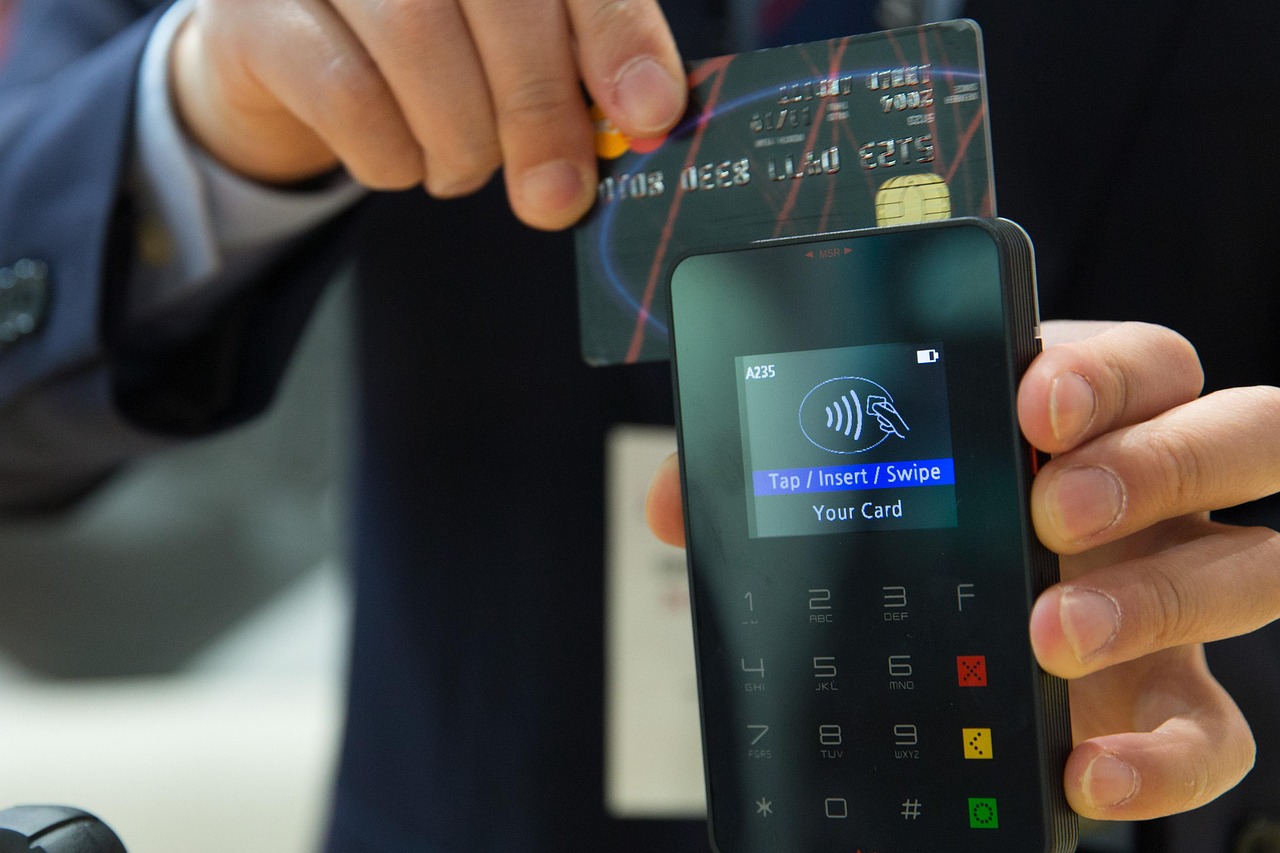
Integrated card readers — where payment confirmation flows directly back to the EPOS — are strongly preferable to standalone terminals for accuracy and speed. Wireless card machines also give your floor staff the ability to take payment at the table, which improves the guest experience and speeds up table turns. Our guide to the best wireless card machines for small businesses in the UK covers what to look for in a portable reader.
For businesses evaluating how card machines and till systems work together, the complete guide to combined card machine and till systems is worth reading before you finalise your hardware list.
Does My Restaurant Need a Separate Card Machine?
Not necessarily — and for most small restaurants, having a separate card machine creates unnecessary reconciliation work. When your card terminal is integrated with your EPOS, the transaction is recorded in one place, voids and refunds are handled from a single screen, and your end-of-day reporting is clean. Standalone card machines require you to manually cross-reference two sets of figures every day — a small but persistent drain on time and accuracy. If you are weighing up standalone vs. integrated payments, our practical buyer's guide to till systems for small businesses addresses this question directly.
How EPOS Direct UK Supports Small Restaurant Owners
EPOS Direct UK works specifically with independent and growing restaurant businesses — not only selling hardware and software, but providing the implementation support and ongoing service that makes the difference between a system that gets abandoned and one that becomes indispensable to your daily operation.
- UK-based support: When something goes wrong during service, you need to speak to someone who knows your setup — not navigate a global ticketing system.
- Restaurant-specific software: The platform is built for hospitality workflows, not adapted from a retail base. You can see exactly what it looks like in practice by booking a restaurant EPOS software demo — no commitment required.
- Tailored hardware bundles: Rather than buying components piecemeal, EPOS Direct UK configures bundles matched to your floor plan, kitchen setup and payment preferences.
- Flexible upgrade paths: As your business grows, your system can grow with it — adding terminals, integrations or additional sites without replacing everything you have already invested in.
Browse our hospitality and restaurant EPOS offers to see current configurations and pricing.
From Demo to Going Live: What the Setup Process Looks Like
Many restaurant owners delay buying an EPOS system because they are uncertain how disruptive the installation will be. In practice, a well-managed implementation for a single-site small restaurant typically follows a clear, low-disruption path.
- Discovery and demo: You discuss your setup — covers, service style, kitchen layout, current payment arrangements — and see the software in action. Talk to an expert online to start this conversation, or request a free demo at a time that suits you.
- Menu build: Your full menu, modifiers, allergen flags and pricing are configured before the hardware arrives. This is typically handled collaboratively — you supply the data, the team structures it correctly.
- Hardware delivery and installation: Equipment is pre-configured where possible, minimising on-site setup time. Network requirements are confirmed in advance.
- Staff training: A good implementation includes hands-on training so your team is confident before the first live service — not learning on paying customers.
- Go-live support: The first days of live operation are the most critical. Knowing support is available if questions arise makes an enormous difference to how the transition feels.
Making the Right Choice for Your Restaurant
A restaurant EPOS system is not a commodity purchase — it is the operational backbone of your business, and the right choice will save you time, reduce errors and give you the visibility to make better decisions every day. The wrong choice, or a system bought purely on price, tends to reveal its limitations exactly when you are busiest.
The most important first step is seeing the software working in a realistic restaurant scenario. EPOS Direct UK offers a no-obligation free demo tailored to your type of operation — or, if you would prefer to discuss your specific requirements before committing to anything, you can request a call back from a member of the team. There is no hard sell, and no obligation — just a straightforward conversation about what will actually work for your restaurant.
Frequently asked questions
- What should I realistically budget for an EPOS system for my small restaurant in the UK?
- For a small UK restaurant, a complete EPOS setup typically costs between £500 and £1,500 upfront for entry-level hardware such as a touchscreen terminal, receipt printer and card reader. Software subscriptions usually run from £30 to £80 per month depending on features. Some providers, including EPOS Direct UK, offer flexible finance or leasing options so you can spread the cost. Always check what is included — some quotes exclude installation, training or ongoing support.
- Can I take card payments and manage table orders from the same system?
- Yes. Modern restaurant EPOS systems integrate card payment processing directly with table management, so your staff can split bills, transfer covers and take payment at the table — all from one device. Look for systems that support integrated PDQ terminals and handheld ordering tablets if you want to reduce trips to a fixed till.
- Do I need an internet connection for my restaurant EPOS to keep working?
- Most cloud-based EPOS systems are designed to work offline and sync automatically when your connection is restored, so a brief internet outage will not stop you taking orders or payments. However, some features — such as real-time reporting or online order integration — do require an active connection. Ask any supplier exactly how their system behaves offline before you commit.
