We use cookies to make your experience better.
To comply with the new e-Privacy directive, you agree to the privacy policy and our use of cookies


The Best EPOS Systems for Small Retail Businesses in the UK: A Complete Buyer's Guide
The Best EPOS Systems for Small Retail Businesses in the UK: A Complete Buyer's Guide
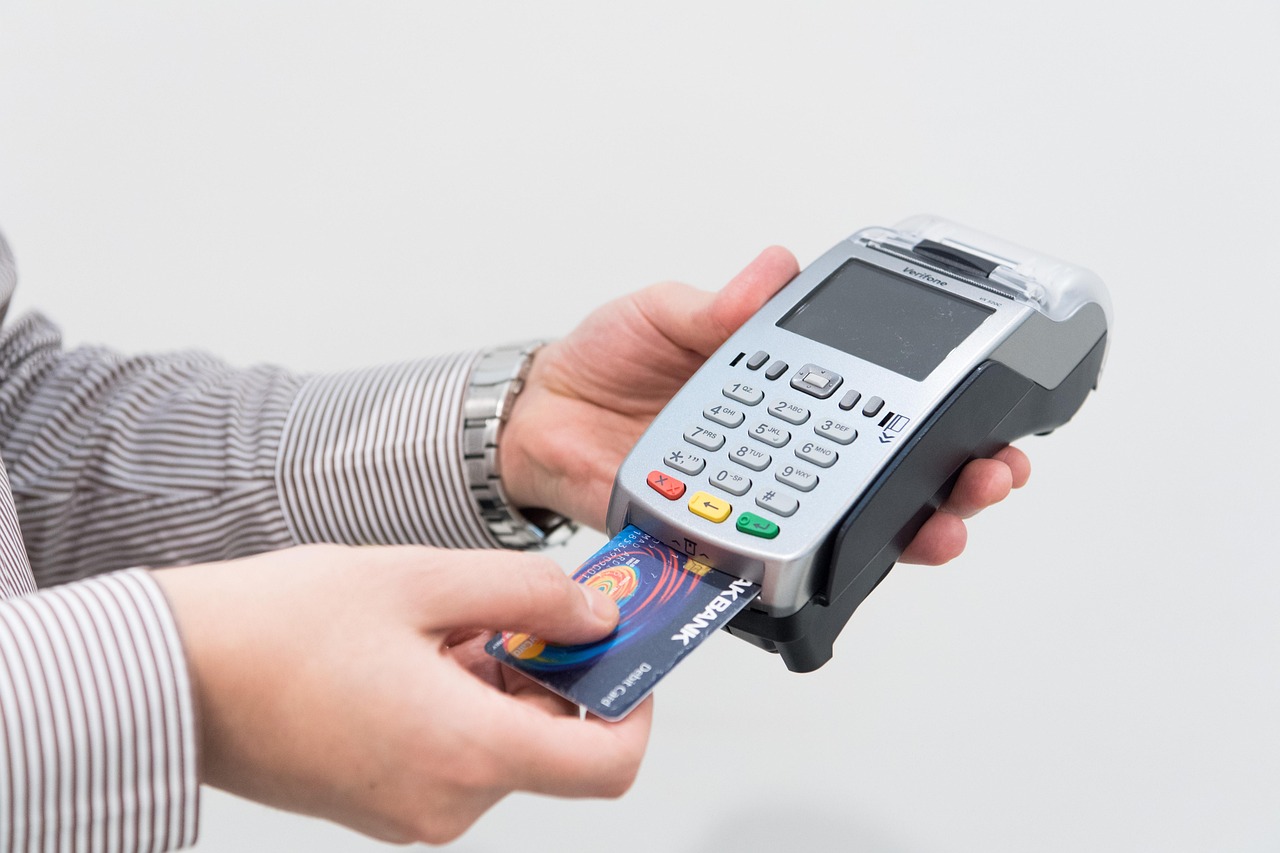
For independent retailers across the United Kingdom, choosing the right EPOS system is one of the most consequential operational decisions you will make. A well-matched system streamlines your checkout process, keeps stock accurate, and gives you the sales data you need to grow — all from a single platform. This guide walks you through everything you need to know, from core features and realistic costs to hardware choices and how to evaluate providers with confidence.
What Is an EPOS System and Why Do Small Retailers Need One?
An EPOS (Electronic Point of Sale) system is the combination of hardware and software that handles transactions, manages stock, and records customer and sales data in real time. Unlike a basic cash register, a modern retail EPOS system connects your till to your inventory, your card payments, and often your online store — giving you a live picture of your business at any moment.
For a small UK retailer operating on tight margins, that visibility is not a luxury. It tells you which products are moving, which are gathering dust, when to reorder, and which hours of the day drive the most revenue. Without it, you are making buying, staffing, and pricing decisions largely on instinct.
- Reduced shrinkage: Automated stock tracking makes discrepancies visible immediately, reducing both theft and admin error.
- Faster checkout: Barcode scanning and integrated card payments cut queue times, improving the customer experience during busy periods.
- Compliance: Accurate transaction records support VAT reporting and Making Tax Digital (MTD) requirements enforced by HMRC.
- Growth readiness: When you are ready to open a second location or launch an online store, a scalable EPOS platform grows with you rather than holding you back.
If you are weighing up a broader range of retail and business EPOS options, the complete 2026 EPOS guide for small businesses covers the full landscape in detail.
Key Features to Look for in a Retail EPOS System
Not every EPOS platform is built with independent retail in mind. Here are the capabilities that genuinely matter for a small shop environment:
Inventory Management
Real-time stock tracking with low-stock alerts is the single most valuable feature for product-based retailers. Look for the ability to set reorder points, manage multiple variants (size, colour, style), and run stocktakes directly from the system. Clothing retailers in particular benefit from variant management — our dedicated article on EPOS systems for clothing shops explains what to look for in that niche.
Integrated Payments
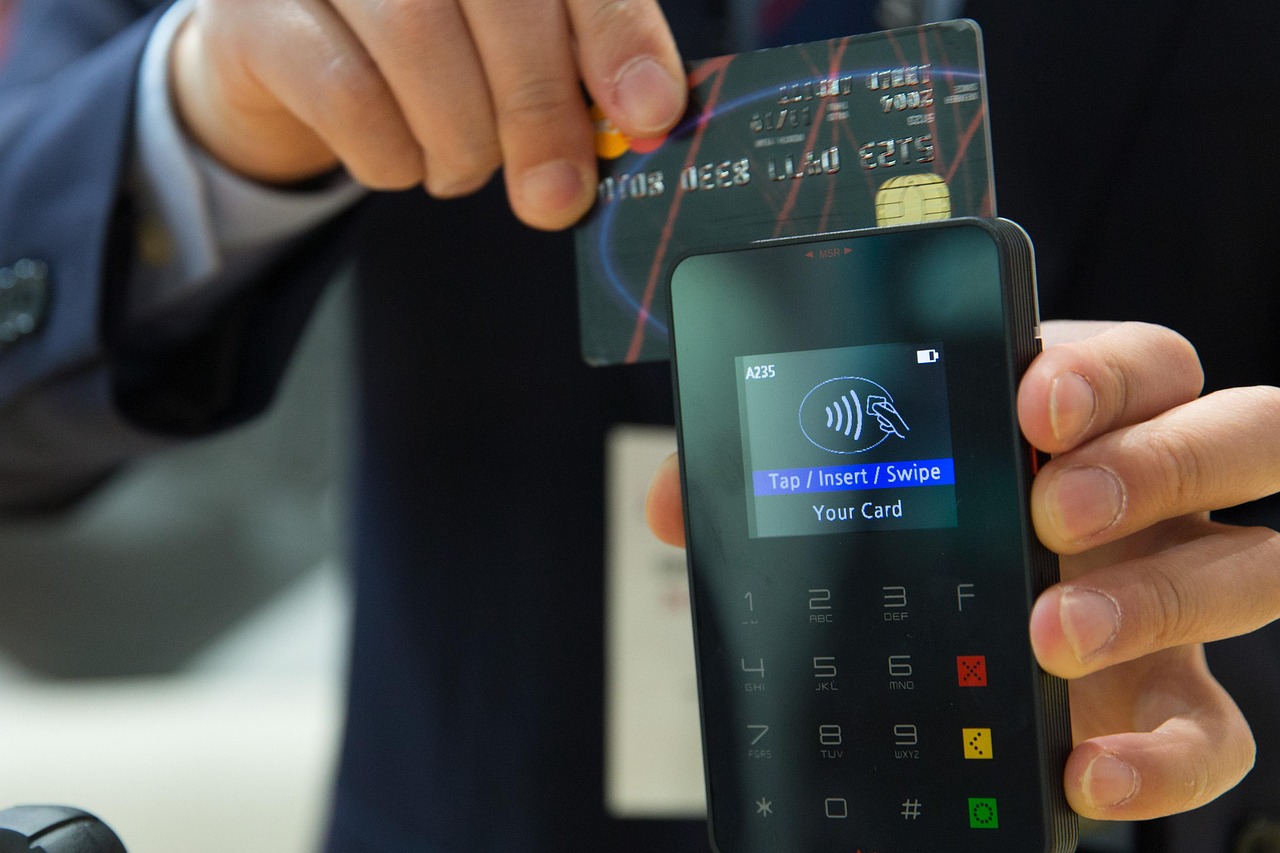
Your EPOS should talk directly to your card terminal. Separate systems that require manual reconciliation create errors and slow your end-of-day process. Look for support for chip and PIN, contactless, Apple Pay, and Google Pay as standard.
Reporting and Analytics
Sales-by-product, sales-by-hour, and margin reports help you make smarter buying decisions. Cloud-based systems typically surface these as visual dashboards accessible from any device.
Customer Management and Loyalty
Even basic customer profiles — purchase history, contact details, loyalty points — can meaningfully increase repeat spend in a small retail environment.
Ease of Use
Your staff will use this system every day. A cluttered or slow interface increases training time and checkout errors. Always request a hands-on demonstration before committing.
How Much Does an EPOS System Cost for a Small UK Retail Shop?
Cost is understandably one of the first questions retailers ask, and the honest answer is that pricing varies considerably depending on whether you buy or lease hardware, how many tills you need, and which software subscription tier you choose. The following ranges are indicative of the UK market and should be used as a starting framework when budgeting — not as fixed quotes.
| Setup Type | Indicative Hardware Cost | Indicative Monthly Software Cost | Best Suited To |
|---|---|---|---|
| Entry-level (tablet-based, single till) | Typically from £300–£600 upfront, or low monthly lease | From approx. £20–£50/month | Market stalls, pop-ups, very small shops |
| Mid-range (countertop terminal, single till) | Typically from £700–£1,200 upfront | From approx. £40–£80/month | Independent retailers, boutiques, gift shops |
| Full retail bundle (till, scanner, printer, card reader) | Typically from £1,200–£2,500 upfront | From approx. £60–£120/month | Established shops, multi-department stores |
| Multi-till / multi-location | Hardware scales per terminal | From approx. £100+/month (per location or enterprise pricing) | Growing retailers with 2+ sites |
Many providers — including EPOS Direct — offer leasing and finance options that spread the hardware cost, making a professional setup accessible without a large upfront investment. For a detailed breakdown of budget-conscious options, see our guide to the most affordable EPOS systems for small businesses.
If reducing ongoing fees is a priority, it is also worth exploring card machines with no monthly fee, which can suit very low-volume outlets or seasonal traders.
Cloud-Based vs. Traditional EPOS: Which Is Right for Your Store?
This is the question most small retailers wrestle with. The distinction matters because it affects cost structure, data access, resilience, and how easily you can update the system over time.
| Factor | Cloud-Based EPOS | Traditional (On-Premise) EPOS |
|---|---|---|
| Data access | Anywhere, any device, real time | On-site only (unless VPN configured) |
| Software updates | Automatic, included in subscription | Manual; may require paid upgrades |
| Internet dependency | Requires reliable broadband; offline mode varies by provider | Fully functional without internet |
| Upfront cost | Lower (subscription model) | Higher (licence fee + hardware) |
| Scalability | Add tills/locations easily | Scaling requires more infrastructure work |
| Best for | Most modern small retailers | Locations with poor connectivity |
For the vast majority of small UK retailers with a reliable broadband connection, a cloud-based system offers greater flexibility and lower total cost of ownership over time. If your shop is in a rural area with unreliable connectivity, check carefully whether your chosen system offers a full offline mode — not just read-only access.
Hardware You Will Need: Tills, Barcode Scanners, Receipt Printers and Card Readers
A complete retail point-of-sale setup typically comprises several components working together. Understanding what each does — and whether you need it — prevents over-spending on unnecessary peripherals.
- Touchscreen terminal or tablet stand: The central interface for staff. Purpose-built EPOS terminals tend to be more robust and faster than consumer tablets, though tablet-based setups work well in lower-traffic environments.
- Barcode scanner: Essential for any shop selling barcoded products. Handheld USB or Bluetooth scanners are the standard; 2D scanners also read QR codes if needed.
- Receipt printer: Thermal printers are the industry standard — fast, quiet, and low-maintenance with no ink to replace. Check whether your software supports email receipts as an alternative.
- Cash drawer: Still relevant for many retailers, even as card payments dominate. A drawer that connects through the receipt printer is the neatest setup.
- Card reader / payment terminal: Ideally integrated with your EPOS software to eliminate manual key-in. Wireless terminals give flexibility at the counter or on the shop floor. Our guide to wireless card machines for small businesses covers the options in depth.
- Customer-facing display: Optional but increasingly popular — lets shoppers verify their basket and total in real time.
Buying hardware as a matched bundle from your EPOS provider is usually the simplest approach, as compatibility is guaranteed and support covers everything under one roof. For a fuller overview of till hardware, our till systems guide for small businesses is a practical companion read. If you would like to combine your card machine and till into a single unit, our guide to combined card machine and till systems explains the integrated options available.
How to Choose the Right EPOS Provider for Your UK Retail Business
The technology is only as good as the company behind it. When evaluating providers, ask these practical questions rather than relying on marketing materials alone.
What level of support is included?
If your till goes down at 11am on a Saturday, how quickly can you get help? Look for UK-based telephone support during trading hours as a minimum, and check whether after-hours support is available. Response time commitments should be in writing.
Is the software built for retail, or adapted from a generic platform?
Generic platforms often bolt on retail features as an afterthought. Purpose-built retail EPOS software handles product variants, stocktakes, promotions, and seasonal pricing as native functionality — not workarounds.
Can you see the software before you buy?
Any reputable provider will offer a demonstration or trial. If they are reluctant to show you the system in action before you commit, that is a significant red flag. You can book a retail EPOS software demo with EPOS Direct to see exactly how the platform works in a realistic retail scenario.
What is the contract structure?
Understand your minimum term, what happens if you need to cancel early, and whether price increases are capped. Month-to-month arrangements offer flexibility but sometimes carry a higher monthly rate; longer contracts often come with better pricing in exchange for commitment.
Does the system integrate with your other tools?
If you sell online, use accounting software such as Xero or QuickBooks, or run an email marketing platform, check whether native integrations exist or whether you will need a third-party connector.
More detailed guidance across all business types is available in the complete guide to EPOS and POS systems for UK businesses.
Why UK Small Retailers Choose EPOS Direct
EPOS Direct has been supplying and supporting EPOS systems to independent UK retailers for many years, and the team works with shop owners every day across sectors including fashion, gifts, health and beauty, books, hardware, and more. That day-to-day experience shapes every aspect of the product — from the software features prioritised in development to the training and aftercare provided at installation.
Key reasons retailers choose EPOS Direct include:
- Purpose-built retail software with real-time inventory, multi-variant product management, and flexible promotion tools designed around how UK retailers actually operate.
- Matched hardware bundles — tills, scanners, receipt printers, and card readers sourced, configured, and warranted as a complete system.
- UK-based support from a team that understands the operating realities of small retail businesses.
- Flexible purchasing options including outright purchase, lease, and finance arrangements to suit different cash-flow situations.
- Transparent pricing with no hidden fees — exactly what you are getting, clearly explained before you commit.
You can explore current packages and pricing on the EPOS Direct retail EPOS offers page, or browse the full range of products and information on the EPOS Direct UK home page.
Ready to Find the Right System for Your Shop?
Selecting an EPOS system is a significant decision, but it does not need to be a complicated one. Clarify your must-have features, set a realistic budget using the ranges above as a guide, and always see the software in action before signing anything. The right system will pay for itself through better stock control, faster service, and cleaner financial records within the first trading year.
The EPOS Direct UK team is available to help you find the best fit for your specific retail environment. Talk to an expert online for tailored advice, or request a free demo to see the system working in a realistic retail scenario — with no obligation and no sales pressure.
Written by the EPOS Direct UK team, who work with independent retailers across the United Kingdom every day, helping them find, install, and get the most from their EPOS and POS systems.
Frequently asked questions
- How much should I budget for an EPOS system for my small shop in the UK?
- For a single-till setup, UK small retailers typically pay between £300 and £800 for entry-level hardware (touchscreen till, receipt printer, barcode scanner and card reader). Software licences generally run from £20 to £60 per month on a cloud subscription, or a one-off fee of £300 to £600 for on-premise software. A complete starter bundle from a provider like EPOS Direct can often be sourced for under £1,000 all-in, with finance options available to spread the cost.
- Will an EPOS system work if my internet connection goes down?
- Most modern cloud-based EPOS systems include an offline mode that lets you continue processing sales even without an active internet connection. Transactions are stored locally and automatically synced to the cloud once connectivity is restored. It is worth confirming offline capability with any provider before you buy, especially if your shop is in an area with patchy broadband.
- Can I integrate my EPOS system with my online shop or accounting software?
- Yes. The majority of retail EPOS systems sold in the UK now offer integrations with popular e-commerce platforms such as Shopify and WooCommerce, as well as accounting tools like Xero and QuickBooks. This means stock levels, sales data and customer records stay synchronised across your physical and online stores, saving you significant manual work.
