We use cookies to make your experience better.
To comply with the new e-Privacy directive, you agree to the privacy policy and our use of cookies

Best EPOS System for Takeaways in the UK (2026 Buyer's Guide)
Best EPOS System for Takeaways in the UK (2026 Buyer's Guide)

A reliable, fast and feature-rich EPOS system is one of the most important investments a takeaway business can make. The right setup reduces order errors, integrates with delivery platforms, handles peak-hour rushes without faltering, and gives owners the real-time reporting they need to stay profitable. This guide cuts through the noise to help UK takeaway operators find a system that genuinely fits their kitchen, counter and budget in 2026.
Why Takeaways Need a Specialist EPOS System
Generic till systems are built for retail environments where transactions are straightforward and queues move steadily. A busy takeaway operates under entirely different pressures: simultaneous in-store, phone and online orders, tight preparation windows, modifier-heavy menus (extra chilli, no onions, double portion), and the need to communicate clearly between front-of-house and the kitchen. A system that cannot handle these demands becomes a liability rather than an asset.
Specialist hospitality EPOS platforms are architected around these realities. They route orders directly to kitchen printers or display screens, manage order queues in priority sequence, and allow staff to upsell or edit items on the fly. Owners also benefit from end-of-day reporting that breaks down performance by menu item, payment type and time slot — intelligence that helps reduce waste and improve margins.
If you are currently running a basic cash register or legacy till, our guide on switching from a cash register to a modern EPOS system explains exactly what the transition involves and why more UK operators are making the move.
Key Features to Look for in a Takeaway EPOS System
Not all EPOS platforms are equally suited to takeaway environments. When evaluating options, prioritise the following capabilities.
Kitchen Communication
- Kitchen Display System (KDS) or kitchen printer: Orders should appear instantly at the point of preparation, not after a member of staff has walked a handwritten slip across the counter.
- Order bump functionality: Kitchen staff can mark items complete, triggering customer-facing updates or collection prompts.
- Course and modifier clarity: Each ticket must display extras, removals and portion changes clearly to eliminate "made-to-order" errors.
Menu Management
- Fast item lookup with category-based menus or large-format touch buttons for high-volume lines.
- Easy modifier and combo configuration — set once, applied consistently across every order channel.
- Time-based menus so lunch specials or late-night deals activate and deactivate automatically.
Payment Flexibility
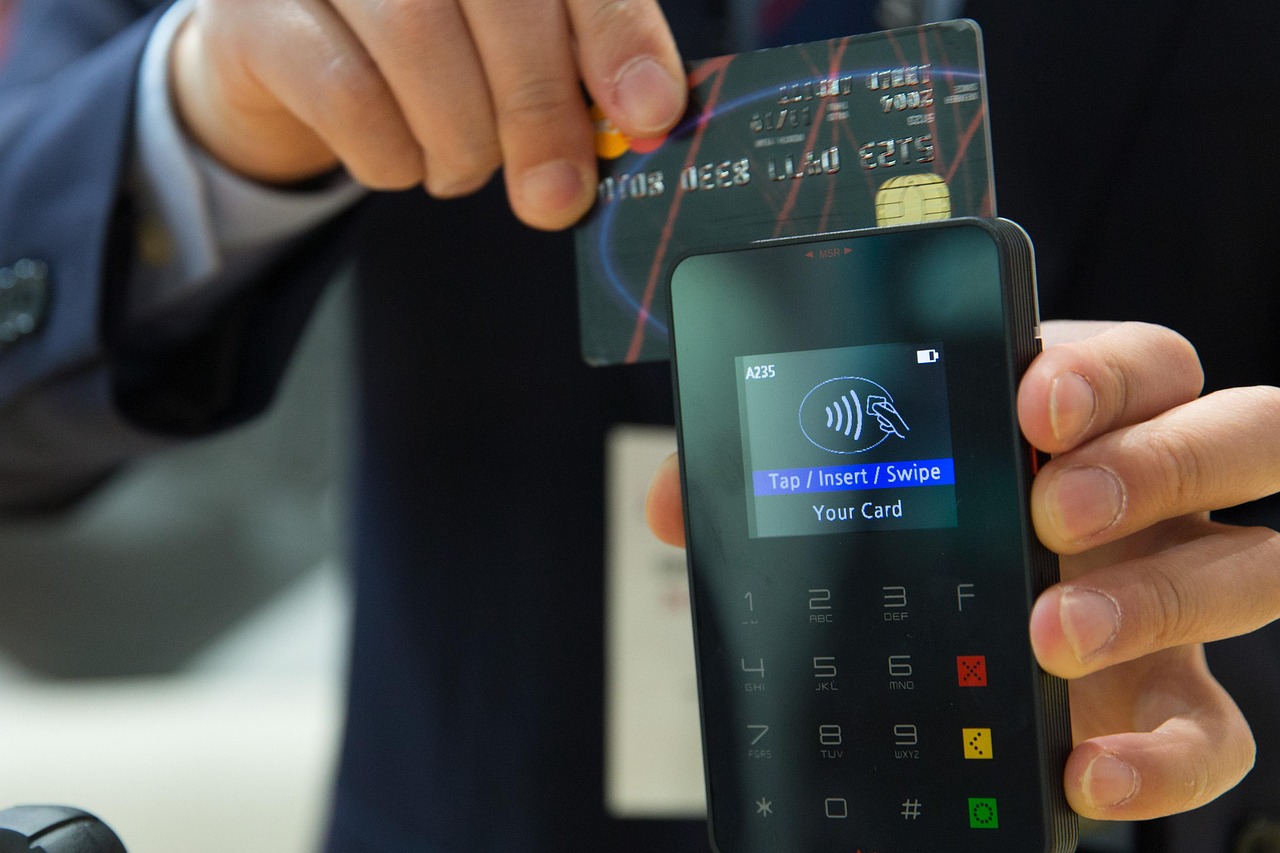
UK consumers increasingly expect to pay by card or digital wallet. A combined card machine and till system removes reconciliation friction and eliminates the risk of payments being processed on a separate device without being logged against the order. Look for a setup that accepts contactless, chip-and-pin, Apple Pay and Google Pay as standard.
Caller ID and Telephone Order Management
Many independent takeaways still take a significant proportion of orders by phone. An EPOS platform that integrates caller ID pulls up repeat customers' details and previous orders the moment they call, cutting average call time considerably.
Reporting and Stock Control
- Real-time sales dashboards accessible from a mobile device or back-office screen.
- Menu item performance reports to identify bestsellers, slow movers and waste.
- Integration with stock management so ingredient depletion is tracked against sales.
How EPOS Systems Speed Up Orders and Reduce Errors
Order accuracy and throughput speed are directly linked to profitability during peak hours. Every minute saved per transaction at the counter means more customers served; every error corrected means a reprint, a delay, an unhappy customer and wasted ingredients.
Modern EPOS platforms tackle this in several ways. Large, high-contrast touchscreen interfaces reduce mis-taps. Preset modifier buttons prevent free-text entry (and the spelling inconsistencies that confuse kitchen staff). Direct-to-kitchen printing means the front-of-house team never needs to relay an order verbally. If a customer queries their order at collection, staff can pull up the exact ticket in seconds.
For takeaways that use a kitchen display screen rather than printed tickets, order management becomes even more controlled: elapsed time per order is visible, alerts flag anything approaching a target preparation window, and completed orders are marked off rather than left to pile up on a counter.
Online Ordering and Delivery App Integration Explained
One of the most practical questions any takeaway owner should ask before committing to an EPOS platform is: "Will this system work with the delivery apps I already use?"
Third-party platforms such as Deliveroo, Uber Eats and Just Eat now account for a substantial share of takeaway revenue across the UK. Without direct EPOS integration, orders from these platforms must be manually entered at the till — doubling the work, creating error risk, and slowing kitchen throughput during busy periods.
A fully integrated EPOS solution receives online orders directly into the same queue as in-store orders, with no manual re-entry required. Menus are managed in one place and pushed to all channels simultaneously. Pricing changes, temporary item removals and promotional offers update everywhere at once. This single-source-of-truth approach is especially valuable for operators running more than one delivery platform.
Beyond aggregator integration, many EPOS providers now offer a branded online ordering website — allowing the business to accept direct orders without paying commission to a third-party platform. For high-volume takeaways, the saving on commission fees can offset the cost of the EPOS system itself within a matter of months.
EPOS System Costs for UK Takeaways: What to Expect in 2026
Cost is understandably a top concern, and the honest answer is that pricing varies widely depending on hardware configuration, software tier and payment processing arrangement. The table below gives indicative ranges for the most common setup approaches available to UK takeaway operators.
| Setup Tier | Typical Hardware | Approximate Monthly Cost | Best For |
|---|---|---|---|
| Entry-level | Single touchscreen terminal, receipt printer, cash drawer | From ~£30–£60/month (software only, hardware purchased outright) | Small single-location takeaways with modest order volumes |
| Mid-tier | Touchscreen terminal, kitchen printer or KDS, card reader, cash drawer | Typically £60–£120/month (all-in subscription) | Growing independents needing kitchen integration and card payments |
| Full-featured | Multiple terminals, KDS, integrated card payments, online ordering module | Typically £120–£250+/month | Busy multi-terminal takeaways or those running their own online ordering |
| Outright purchase | As above — hardware bought upfront, software licensed annually or monthly | Higher upfront (typically £800–£2,500+ for hardware) with lower ongoing fees | Operators who prefer to own their equipment and avoid long-term monthly commitments |
These figures are indicative market guidance only. Actual pricing depends on your specific configuration, chosen payment processor and any support or installation services required. For a detailed breakdown of the subscription versus outright purchase decision, see our guide on monthly EPOS subscriptions versus outright purchase. Payment processing costs are charged separately by your acquiring bank or integrated processor and are typically a percentage of each card transaction.
What Should You Ask a Provider Before Signing Up?
Choosing an EPOS provider is not simply a matter of comparing headline prices. The following questions will reveal whether a supplier can genuinely support a takeaway operation long-term.
What happens if the system goes offline?
A reliable EPOS platform should offer offline mode — the ability to continue taking orders and payments even if the internet connection drops. Confirm how data is synced when connectivity is restored, and whether any order types (such as integrated online orders) are affected during an outage.
How is the system updated and supported?
Software updates should be automatic and unobtrusive — not requiring the business to manage installations manually. Equally important is the quality and availability of support: UK-based telephone support during trading hours is a minimum expectation for any food business running an evening service. Verify support hours before committing.
Can the system grow with the business?
If you open a second location, introduce a loyalty scheme or bring online ordering in-house, will the platform accommodate those changes without a complete system replacement? Scalability should be part of the initial conversation, not an afterthought.
Businesses comparing providers will also find it useful to review our detailed EPOS Direct vs competitors comparison guide, which sets out how different platforms approach hospitality-specific requirements.
How to Choose the Right EPOS Provider for Your Takeaway
With dozens of suppliers in the UK market, narrowing down the right choice requires a structured approach. Consider these practical decision criteria.
- Hospitality specialisation: Prioritise providers whose core product is built for food businesses, not retrofitted from a retail platform. Hospitality-native software handles modifiers, kitchen routing and multi-channel orders far more elegantly.
- Delivery platform integrations: Confirm that the specific aggregators you use are supported natively — not through a manual tablet workaround.
- Contract length and exit terms: Understand the minimum commitment period and what happens to your data if you leave. Month-to-month flexibility is increasingly available and worth seeking out.
- Hardware reliability and warranty: Commercial-grade hardware is more durable than consumer alternatives and should carry a meaningful warranty period.
- Training and onboarding: A provider that offers structured setup support, staff training and an accessible demo environment reduces the risk of a disruptive go-live.
If you are also evaluating options for a broader small business context, our roundup of the best till systems for small businesses in the UK offers useful parallel reading, particularly if the business spans multiple revenue types. You can also explore the full range of solutions and current offers on the EPOS Direct UK home page.
Why EPOS Direct Is Trusted by UK Takeaway Businesses
EPOS Direct UK has been supplying point-of-sale technology to independent and chain food businesses across the United Kingdom for many years. The hospitality EPOS platform is purpose-built to handle the demands of takeaway and fast-food environments — from integrated kitchen display systems and caller ID to direct delivery app integration and branded online ordering portals.
All hardware is commercial-grade, tested for continuous trading environments, and backed by UK-based support. The software is updated regularly, with improvements informed by direct feedback from takeaway operators. There are no hidden configuration fees, and the onboarding process is structured to get new customers trading confidently from day one.
To see the platform in action before making any commitment, you can explore an interactive restaurant EPOS software demo or view the current hospitality and takeaway EPOS offers. If you would prefer to speak with someone directly, talk to an EPOS expert online for tailored guidance based on your specific setup and volume.
The Bottom Line
For UK takeaway operators, the right EPOS setup is not an overhead — it is a direct contributor to speed, accuracy, customer satisfaction and profitability. The best system is one that handles your order volume today, integrates with the channels your customers already use, and is backed by a provider who understands the realities of running a food business.
EPOS Direct UK combines hospitality-grade software, reliable commercial hardware and honest, expert guidance. Request a free demo to see exactly how the platform works in a takeaway context, or request a call back from the team and get a configuration recommendation tailored to your business.
Written by the EPOS Direct UK team, who work with UK takeaway and hospitality businesses every day to help them find the right point-of-sale solution for their operation.
Frequently asked questions
- What is the best EPOS system for a takeaway in the UK?
- The best EPOS system for a UK takeaway combines fast order processing, kitchen display integration, online ordering support, and delivery platform connectivity. EPOS Direct offers purpose-built takeaway POS solutions with all these features plus local UK support.
- How much does an EPOS system for a takeaway cost in the UK?
- Takeaway EPOS systems in the UK typically range from £300 to £1,500+ for hardware, with monthly software plans starting from around £20–£60 per month depending on features. EPOS Direct provides transparent pricing and flexible packages to suit independent takeaways and multi-site operators.
- Can a takeaway EPOS system integrate with Just Eat, Uber Eats, or Deliveroo?
- Yes. Many modern EPOS systems, including those from EPOS Direct, support integration with major UK delivery platforms such as Just Eat, Uber Eats, and Deliveroo, automatically pushing orders to your kitchen and reducing manual entry errors.
