We use cookies to make your experience better.
To comply with the new e-Privacy directive, you agree to the privacy policy and our use of cookies

How Much Does an EPOS System Cost? A Plain-English Pricing Guide for UK Businesses
EPOS System Pricing: What UK Businesses Actually Pay in 2025
For most UK businesses, the total outlay on an EPOS system sits somewhere between a few hundred pounds for a compact single-till setup and several thousand for a fully integrated multi-station solution — and the gap between those figures is explained almost entirely by the choices you make before you sign anything. Understanding exactly what drives cost, where value hides, and where fees can creep up unexpectedly gives you far more negotiating power and ensures the system you buy genuinely fits your operation, not just your immediate budget.
What Factors Determine the Cost of an EPOS System?
No two businesses have identical requirements, so pricing is never truly one-size-fits-all. The main cost levers are:
- Number of terminals: Each additional till point adds hardware and, often, incremental software licence costs.
- Business type and complexity: A single-site clothing boutique has simpler needs than a multi-site restaurant chain. Sector-specific features — table management, loyalty programmes, age-verification prompts — all affect price.
- Software model: Cloud-based SaaS subscriptions spread cost over time; perpetual licence software requires a larger upfront payment.
- Integration requirements: Connecting to accounting platforms, e-commerce channels, stock systems or payment processors can add both setup and ongoing fees.
- Support tier: Basic email support costs far less than 24/7 telephone cover with guaranteed response times.
- Contract length: Longer commitments often reduce monthly fees but lock you in; shorter or rolling contracts offer flexibility at a premium.
A clear-eyed assessment of these variables before you approach any supplier will protect you from over-specifying a system you don't need — or under-buying one that quickly becomes a bottleneck.
Hardware Costs: Tills, Scanners, Printers and Card Readers
Hardware is typically the most visible line on any EPOS quote. Below are honest indicative ranges based on what UK businesses typically pay in 2025. These are approximate guidance figures — actual prices vary by supplier, specification and any bundle deals available.
- Touchscreen till terminal: typically from £300 to £900 per unit, depending on screen size, processor and whether the unit is all-in-one or modular.
- Barcode scanner: typically from £50 to £200 for a standard 1D/2D handheld unit; wireless or presentation scanners sit at the higher end.
- Receipt printer: typically from £80 to £250 for a reliable thermal printer; kitchen impact printers for hospitality can cost more.
- Cash drawer: typically from £40 to £120.
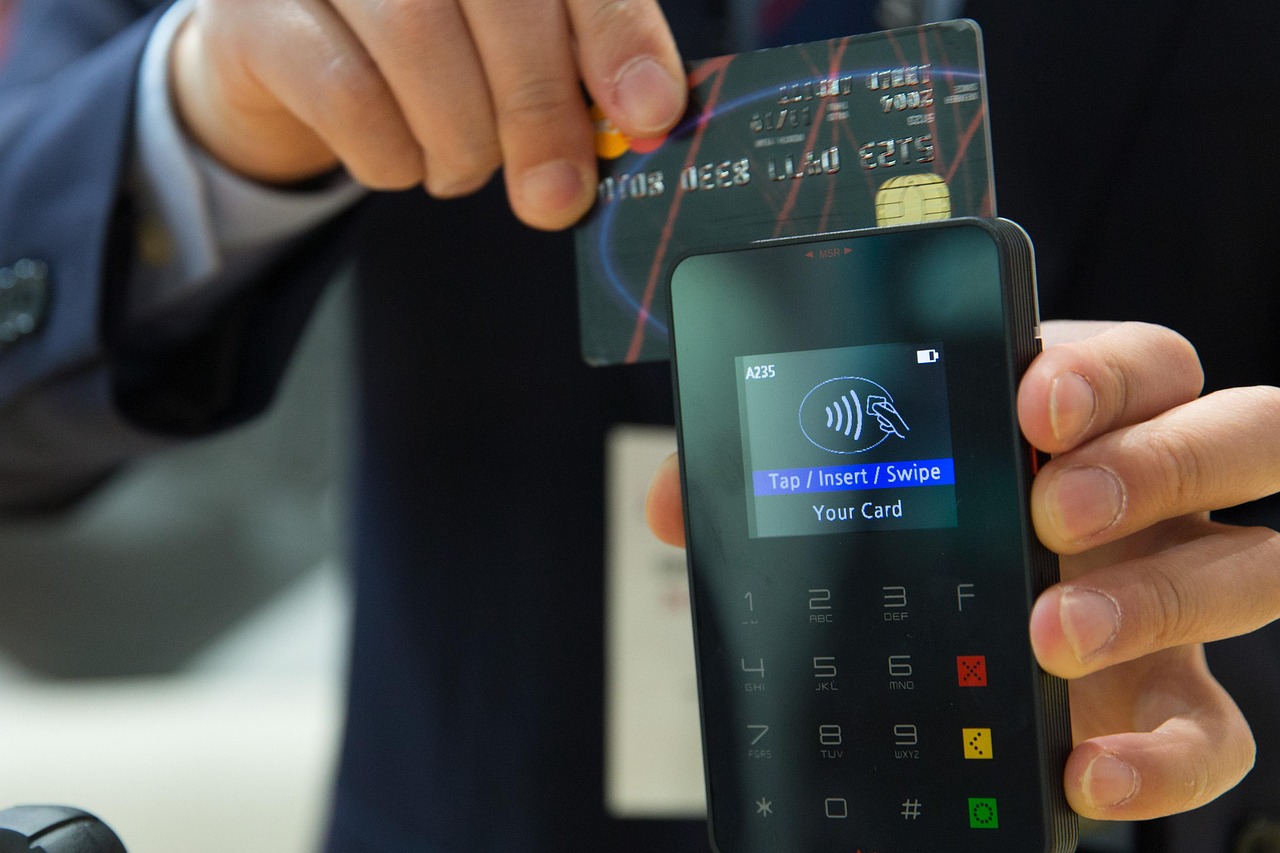
- Card reader / integrated payment terminal: varies considerably depending on whether you own or rent the device and which payment processor you use. For guidance on choosing the right payment hardware, our guide to the best wireless card machines for small businesses covers the key considerations in detail.
- Customer display: typically from £60 to £180.
A realistic entry-level single-till bundle — terminal, scanner, printer, cash drawer and card reader — typically falls between £500 and £1,500 when purchased outright. A professional multi-terminal retail or hospitality setup with peripherals can reach £3,000–£8,000 or more before software is factored in.
Refurbished and Certified Hardware
Certified refurbished hardware from reputable EPOS suppliers can reduce hardware spend by 20–40% without compromising reliability. Always confirm what warranty is included and whether components are supported by your chosen software.
Software and Licence Fees: Monthly vs One-Off Pricing Models
Software is where the real divergence in pricing philosophies shows up. The two dominant models each have genuine advantages:
Monthly SaaS Subscription
Cloud-based EPOS software typically costs from around £20 to £100+ per terminal per month, depending on the feature tier and whether hospitality or retail modules are included. The benefits are automatic updates, lower upfront cost, and the ability to access sales data remotely. If you want to understand the software before committing, you can book a retail EPOS software demo or a restaurant EPOS software demo with the EPOS Direct UK team at no cost.
One-Off Perpetual Licence
A perpetual licence involves a larger upfront payment — often ranging from £500 to £2,000 or more per terminal — but eliminates recurring software fees. Updates and support are usually sold separately as an annual maintenance contract, typically 15–20% of the licence value. For businesses confident in their long-term setup, this model can offer better total cost of ownership over five or more years.
| Factor | SaaS / Monthly Subscription | Perpetual / One-Off Licence |
|---|---|---|
| Upfront cost | Low (hardware only) | High (hardware + licence fee) |
| Ongoing cost | Monthly fee per terminal | Annual support/maintenance contract |
| Software updates | Automatic, included | May require paid upgrades |
| Remote data access | Standard feature | Depends on system architecture |
| Flexibility to switch | Higher (shorter contracts) | Lower (sunk licence cost) |
| Best suited to | Growing businesses, start-ups, multi-site operators | Established single-site businesses with stable processes |
EPOS Pricing by Business Type: Retail, Hospitality and More
Sector matters enormously — not just because of feature requirements but because suppliers often package systems differently for each vertical.
Retail
A straightforward retail setup — think a single-site independent shop — can be operational for as little as £600–£1,200 all-in on a lean system. More feature-rich retail EPOS with stock management, loyalty, and e-commerce integration typically ranges from £1,500 to £4,000 upfront plus software fees. If you operate a fashion or apparel business, our dedicated article on the best EPOS systems for clothing shops in the UK explores the specific features that matter most for that sector. You can also browse our current retail EPOS offers for transparent, up-to-date package pricing.
Hospitality and Restaurants
Hospitality systems typically cost more because of the additional complexity: kitchen display screens, table-plan management, split billing, modifier options and integration with reservation platforms all add to the specification. A single-site café or restaurant setup generally falls in the £1,500–£4,500 range for hardware; larger venues with multiple till points, bar stations and kitchen printers can expect to invest considerably more. Our hospitality and restaurant EPOS offers set out current package options in plain language.
Pharmacy and Specialist Sectors
Pharmacy EPOS requires compliance-aware features including PMR integration, dispensing workflow support and audit-trail reporting. Pricing for compliant pharmacy systems typically starts higher than generic retail equivalents. If you operate in this sector, a pharmacy EPOS software demo is the most efficient way to assess suitability before any financial commitment.
Small Businesses
Budget is often the primary driver for micro-businesses and sole traders. Our practical buyer's guide to affordable EPOS systems for small businesses cuts through the noise on where you can save without compromising on essential functionality.
Hidden Costs to Watch Out For
The headline price on an EPOS quote rarely tells the full story. Experienced buyers know to probe the following before signing:
- Installation and configuration: Some suppliers include on-site setup; others charge separately, sometimes £150–£500 or more per day depending on complexity. Clarify this upfront.
- Data migration: Moving product libraries, customer records and historical sales data from a legacy system can attract a one-off fee. Ask whether this is included and who carries the risk if data is lost.
- Training: Initial training is often bundled into installation, but refresher training for new staff or after system updates may be billed separately.
- Payment processing rates: If your EPOS supplier also handles payment processing, compare the transaction rates against standalone acquirers. A low monthly software fee paired with high transaction costs can be expensive at volume.
- PCI DSS compliance fees: UK businesses accepting card payments are required to maintain compliance with the Payment Card Industry Data Security Standard. Some payment providers charge an annual compliance or non-compliance fee — check your agreement carefully. The UK Finance website offers plain-English guidance on PCI DSS obligations.
- Software update fees: On perpetual licences, major version upgrades are sometimes sold separately. Confirm what is included in any support contract.
- Hardware replacement and warranty: Standard warranties on EPOS hardware are typically one year; extended cover is usually available for an additional premium. For mission-critical retail environments, extended hardware warranty is rarely a luxury.
Buying vs Leasing an EPOS System: Which Works Out Cheaper?
This is one of the most common questions businesses ask before committing to a system, and the honest answer is: it depends on your cash flow position and how long you plan to use the system.
Buying Outright
Purchasing hardware and a perpetual software licence outright eliminates ongoing capital payments and means you own the asset. Over a five-to-seven-year lifespan — which is realistic for quality EPOS hardware — the total cost of ownership is usually lower than leasing. The trade-off is a higher immediate cash outlay and the responsibility of managing your own hardware replacement cycle.
Leasing
Leasing spreads the cost of hardware over a fixed term — typically 24 to 60 months — with monthly payments that can be easier to budget for. Some lease agreements include hardware refresh options, meaning you can upgrade to newer equipment partway through or at the end of the term. However, the total amount paid over a lease is almost always higher than the equivalent purchase price. Lease payments may also be classified differently for tax purposes than outright capital expenditure — your accountant is best placed to advise on this for your specific situation.
For small businesses weighing up the options on a tighter budget, our guide to the best till systems for small businesses provides a structured framework for evaluating total cost across different scenarios.
How to Get the Best Value EPOS System for Your Budget
Getting genuine value from your EPOS investment is less about finding the cheapest system and more about matching specification to need, then negotiating intelligently. A few principles that consistently produce good outcomes:
- Audit your actual requirements first. List the processes you need the system to handle today and the ones you anticipate needing in the next two to three years. Avoid paying for features you won't use; equally, avoid a system you'll outgrow within twelve months.
- Compare total cost of ownership, not just headline price. Use a simple spreadsheet to model hardware + software + support + payment processing across 36 and 60 months. The cheapest upfront option is rarely the cheapest in the long run.
- Ask about bundle pricing. Suppliers, including EPOS Direct UK, regularly package hardware, software and support together at prices that undercut buying each component separately. Exploring these bundles on the EPOS Direct UK home page is a practical first step — the current offers and packages are updated regularly.
- Request a live demonstration before committing. A demo reveals usability issues that no spec sheet ever will. You can request a free demo of the EPOS Direct UK range without obligation.
- Clarify support response times in writing. A system that fails during a Saturday peak period and isn't fixed until Monday afternoon is not a bargain at any price point. Confirm support hours, guaranteed response times and escalation procedures before signing.
- Consider whether card machine integration reduces your total outlay. An integrated card machine and till system can eliminate duplicate fees and reduce reconciliation time. Our guide to combined card machine and till systems explores this in detail. It's also worth reviewing whether a card machine with no monthly fee could better suit your transaction profile.
A Quick Summary: What Does an EPOS System Cost in the UK?
For a genuinely useful single answer: most UK businesses pay between £500 and £2,000 for a single-terminal entry-level system purchased outright, with ongoing software and support costs typically ranging from £20 to £100 per month. Multi-site and hospitality operations should budget from £3,000 upward for hardware alone, with total five-year costs often exceeding £10,000 once software, support and payment processing are included. These figures are indicative — actual costs depend on your specific configuration, sector and supplier. Always request an itemised quote before committing.
Ready to Find the Right System for Your Business?
The EPOS Direct UK team works with independent retailers, restaurants, pharmacies and multi-site operators across the UK every day, helping businesses find systems that perform in practice — not just on paper. Whether you're buying your first till or replacing an ageing legacy system, the right starting point is a conversation with someone who understands both the technology and your sector.
Talk to an expert online for immediate guidance, or request a call back and a member of the team will be in touch at a time that suits you. For further reading on finding the right solution for a growing business, our complete guide to EPOS systems for small businesses and the complete guide to EPOS and POS systems for UK businesses are both worth bookmarking.
Written by the EPOS Direct UK team, who help UK businesses select, install and get the most from EPOS and POS systems every day.
Frequently asked questions
- How much does a complete EPOS system cost for a small UK shop?
- For a small UK retail shop, a complete EPOS setup typically costs between £300 and £1,200 upfront for hardware (touchscreen till, barcode scanner, receipt printer and cash drawer), plus software fees ranging from £0 to £80 per month depending on the provider and features required. Entry-level cloud-based packages can start from around £20 per month on a subscription basis, while a fully owned, on-premise system may cost £800 to £2,500 all-in. EPOS Direct UK offers tailored quotes so you only pay for what your business actually needs.
- Is it better to pay monthly for an EPOS system or buy it outright?
- It depends on your cash flow and how long you plan to use the system. Monthly subscriptions (typically £20–£100/month) spread the cost and include automatic software updates and support, making them ideal for newer or seasonal businesses. Buying outright costs more upfront but can be more economical over three to five years. Many UK businesses opt for a hybrid approach — purchasing the hardware and subscribing to the software — to balance upfront spend with ongoing flexibility.
- Are there any extra charges I should know about before buying an EPOS system?
- Yes. Beyond the headline price, watch out for installation and configuration fees (£50–£300), staff training costs, payment processing transaction fees (usually 0.5%–1.75% per card transaction depending on your provider), ongoing support or helpdesk contracts, and charges for adding extra terminals or users. Always ask for a fully itemised quote and check what is included in any warranty or support agreement before you commit.
