We use cookies to make your experience better.
To comply with the new e-Privacy directive, you agree to the privacy policy and our use of cookies


Offline EPOS Systems: How to Keep Taking Payments When the Internet Goes Down
EPOS Systems That Work Without Internet: Keep Selling No Matter What
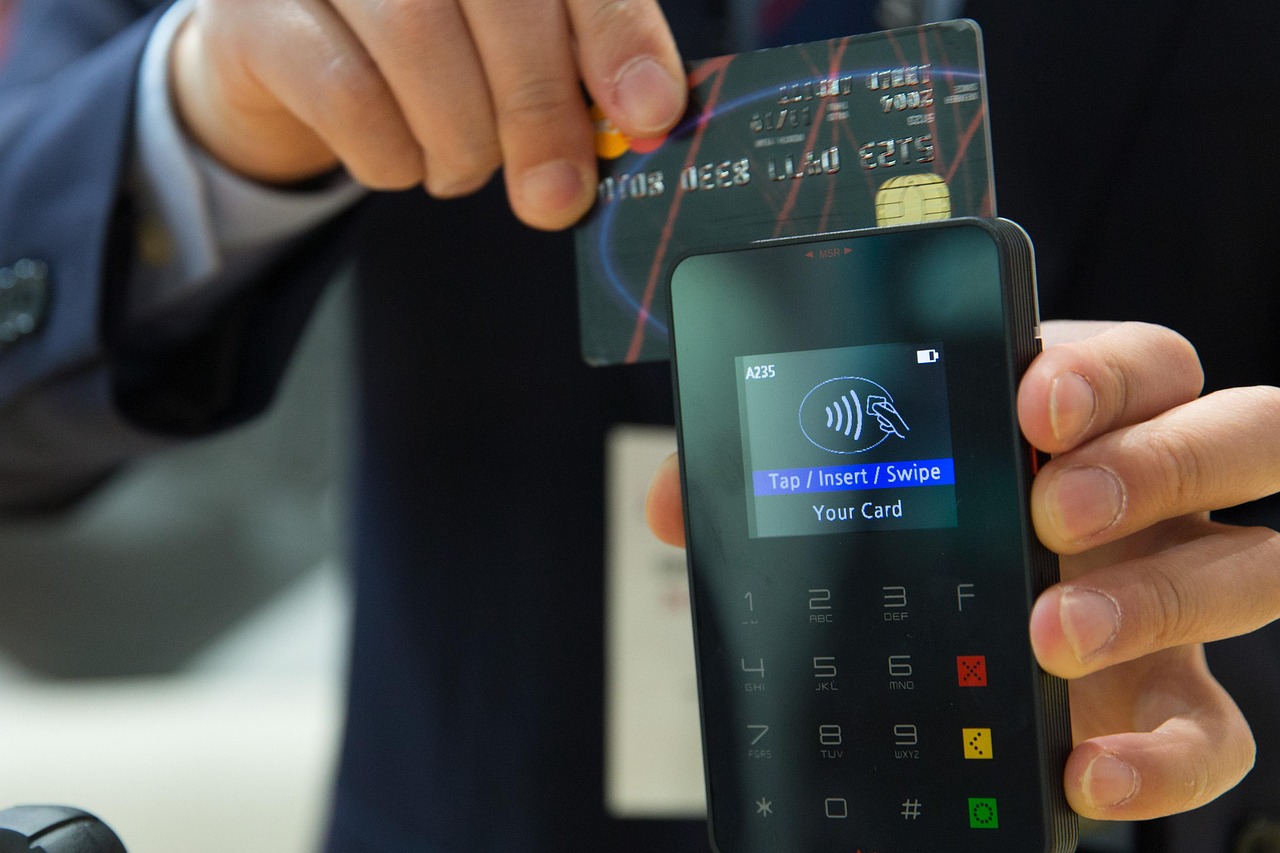
Modern EPOS systems can absolutely keep trading through an internet outage — and for any UK business that relies on continuous sales, choosing a till with robust offline capability is one of the most important decisions you will make. The best systems store transactions locally, continue processing card payments through offline-mode terminals, and sync automatically the moment connectivity is restored. This guide explains exactly how that works, what to look for, and which approach suits your business type.
Why Internet Outages Are a Real Risk for UK Businesses
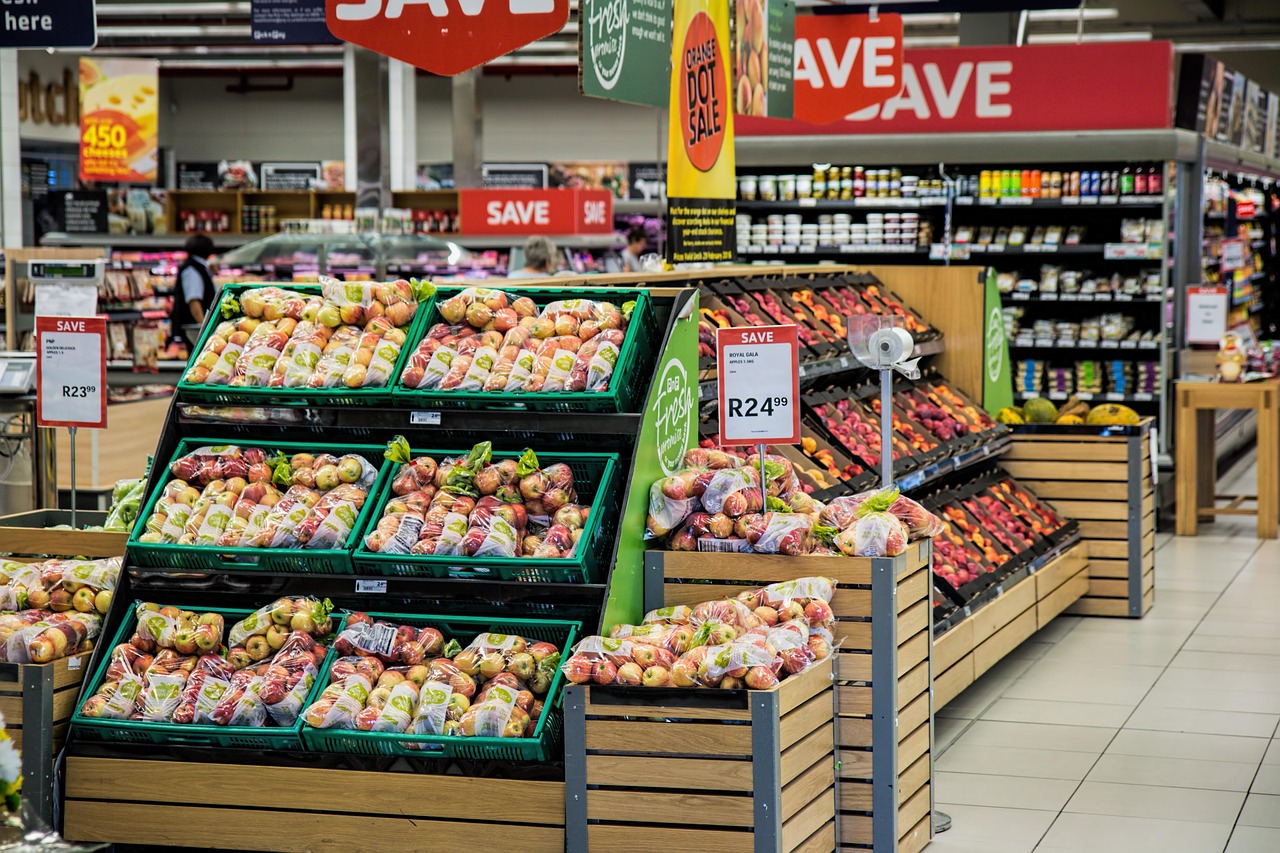
Broadband and 4G coverage across the UK has improved significantly, but outages remain a routine operational hazard — particularly in rural areas, older high-street premises, and venues hosting large events where network congestion is common. A dropped connection during a busy lunchtime service or a Saturday retail rush is not a hypothetical; it is an experience most business owners will encounter within their first year of trading.
The consequences go further than embarrassment. If your till system is entirely cloud-dependent and loses connectivity, you may be unable to process sales at all — meaning lost revenue, frustrated customers, and potential reputational damage. Payment processors, card terminals, and stock systems that halt in tandem compound the problem. Understanding how your EPOS handles downtime before you sign a contract is essential due diligence, not an optional extra.
For further context on selecting a resilient system from the outset, the complete 2026 guide to EPOS systems for small businesses covers the full landscape of features worth comparing.
How Offline Mode Works on a Modern EPOS System
A well-designed EPOS system uses a local data store — either on the till hardware itself or on a local server — so that the core software continues to function independently of any internet connection. When the network drops, the system switches to offline mode automatically, often without the operator noticing at the point of sale.
What happens during an offline session
- Transactions are queued locally. Each sale, refund, or discount is written to the device's storage rather than a remote database.
- Receipts continue to print. Receipt printers connected over a local network (LAN) are unaffected, since they do not require an internet connection.
- Stock levels are tracked in memory. Inventory deductions are recorded locally and reconciled against the central database once connectivity returns.
- Loyalty and customer data may be limited. Features that query a remote customer database in real time — such as points balances — will typically be suspended until the system is back online.
Automatic sync on reconnection
When your broadband or 4G signal returns, a quality EPOS will push the queued transactions to the cloud in the correct chronological order, reconcile stock levels, and update any sales reports — all without manual intervention. The key phrase to look for in any specification is bidirectional sync, which confirms that data flows correctly in both directions upon reconnection.
What Features You Should Expect from an Offline-Capable Till
Not all offline modes are equal. Some systems offer only basic cash-sale recording; others replicate almost the full feature set. When evaluating options, hold any provider to the following standard:
- Full product catalogue access offline — the entire menu or stock library should be available, not a truncated subset.
- Barcode scanning — retail environments depend on this; confirm the scanner continues to pull product data from local storage.
- Discounts and promotions — pre-loaded promotional rules should apply even without cloud validation.
- Multi-terminal consistency — if you run several tills on the same local network, they should communicate with each other via LAN so that stock is not double-allocated during downtime.
- Transparent offline duration limits — some card acquirers cap the length of time a terminal can process contactless payments offline (see the card payments section below). Your EPOS provider should disclose this clearly.
- Audit trail — every offline transaction should be individually logged and reportable, so your end-of-day reconciliation remains accurate.
Clothing retailers in particular should review how offline mode handles size-and-colour variant management — a nuance explored in detail in our guide to the best EPOS systems for clothing shops in the UK.
Cloud-Based vs. Locally Installed EPOS: Which Handles Downtime Better?
This is one of the most common questions buyers ask, and the answer has become more nuanced as cloud systems have improved. The table below summarises the realistic trade-offs:
| Criteria | Cloud-Based EPOS with Offline Mode | Locally Installed (On-Premise) EPOS |
|---|---|---|
| Core trading during outage | Yes — if offline mode is properly implemented | Yes — inherent; software runs locally at all times |
| Real-time reporting access | Suspended until reconnection | Available locally; remote access suspended |
| Software updates | Automatic, remote | Manual or scheduled on-site |
| Multi-site management | Excellent — centralised cloud dashboard | Complex; requires VPN or separate installs |
| Data security during outage | Data held locally until sync; encryption standard | Data always on-site; no cloud exposure during outage |
| Typical ongoing cost (indicative) | Typically from £30–£80 per month per site (software subscription) | Higher upfront; lower monthly fees; varies by vendor |
| Best suited to | Most retail and hospitality SMEs | Businesses with strict data governance or very poor connectivity |
For most UK small and medium businesses, a modern cloud EPOS with a well-engineered offline mode offers the best overall balance — continuous trading capability combined with the convenience of automatic updates and remote management. Locally installed systems retain an advantage only where connectivity is consistently unreliable or where data must never leave the premises.
Taking Card Payments Offline: What UK Business Owners Need to Know
Card payment processing during an outage is the area that generates the most confusion — and the most risk if misunderstood. Here is an accurate picture of how it works in the UK market.
How offline card acceptance works
Most modern card terminals support a feature called offline authorisation or store and forward. The terminal approves the transaction locally, stores the authorisation data, and submits it to the acquirer when connectivity is restored. Contactless payments using Mastercard and Visa have defined offline cumulative limits, after which the terminal will require an online authorisation before accepting further contactless transactions — this is a card-scheme rule, not a hardware limitation, and the thresholds can change. Your acquirer or payment provider is the correct source for the current applicable limits.
The risk of chargebacks
Offline card transactions carry a higher chargeback risk than online-authorised ones, because the issuer has not approved the transaction in real time. This is manageable for most businesses at typical transaction values, but it is worth discussing your specific average basket size with your acquirer before relying heavily on store-and-forward.
Paired solutions
If your EPOS and card machine are integrated (rather than operating as separate devices), offline mode tends to be more seamless — transaction records stay consistent across both systems. Our guide to card machine and till systems combined explains the integration options in detail, and you can also explore wireless card machines for small businesses if you need portable payment capability across your premises.
What Does an Offline-Ready EPOS System Cost?
Pricing for a UK EPOS setup varies considerably depending on hardware, software tier, and whether card processing is bundled. The following ranges are indicative guidance based on typical market positioning — always request a tailored quote for your specific configuration.
- Entry-level single-till setups: typically from around £20–£40 per month on a software subscription, plus a one-off or financed hardware cost starting from approximately £300–£600 for a touchscreen terminal and receipt printer.
- Mid-range setups with integrated card processing: software licences commonly fall between £40 and £100 per month per terminal at this tier, often inclusive of support and automatic updates.
- Multi-terminal or multi-site deployments: per-site costs reduce with scale; bespoke pricing is standard at this level.
- Hospitality-specific configurations (including kitchen display systems and table management): expect additional module costs; most setups in this category fall in the £60–£150 per month range for software alone.
For a thorough cost comparison across the market, the guide to the most affordable EPOS systems for small businesses in the UK is a useful reference. If eliminating monthly card machine fees is a priority, card machines with no monthly fee are also worth evaluating alongside your EPOS choice.
EPOS Direct Systems: Offline Functionality You Can Rely On
EPOS Direct UK builds offline resilience into its systems as a core engineering principle rather than an add-on. The software is architected so that the local till continues to operate independently of the internet connection, with automatic reconciliation on reconnection — whether that takes minutes or hours. This applies across retail, hospitality, and pharmacy deployments.
Retail
The retail platform supports full product catalogue access, barcode scanning, promotions, and cash or card acceptance offline. Stock adjustments are queued and synced automatically. You can explore the retail software in depth via the retail EPOS software demo, or view current hardware and software bundles on the retail EPOS offers page.
Hospitality and restaurants
Table management, course tracking, and kitchen ticket printing over a local network all continue during an outage. Servers can take orders and close tabs without interruption. The restaurant EPOS software demo illustrates the offline workflow in a live environment, and current packages are listed on the hospitality and restaurant EPOS offers page.
Pharmacy
Dispensary workflows require uninterrupted operation; the pharmacy platform is designed accordingly, with local data persistence and controlled sync. A pharmacy EPOS software demo is available to walk through the specifics.
How to Choose the Right Offline EPOS for Your Business
Before committing to any system, work through these practical decision points:
- Audit your connectivity risk. If your premises experience outages more than once or twice a year, offline capability should be a hard requirement, not a nice-to-have. If you operate from multiple sites, assess each location independently.
- Test offline mode yourself. A reputable provider will let you see offline mode in action during a demo — if they cannot demonstrate it, treat that as a red flag. Request a free demo and specifically ask to see the system with the internet connection disabled.
- Clarify card payment offline limits with your acquirer. Your EPOS provider can tell you how the terminal handles store-and-forward; your payment acquirer confirms the risk thresholds applicable to your account.
- Understand the sync behaviour. Ask how conflicts are resolved if the same stock item is sold on two terminals simultaneously during an outage. There is no universally correct answer, but the provider should have a clear, consistent policy.
- Check support SLAs. If an outage occurs during peak trading hours, response time from your EPOS provider matters. Confirm whether support is UK-based and what hours it operates.
For a broader framework on selecting the right system for a smaller operation, the practical buyer's guide to till systems for small businesses covers the full range of questions worth asking at the procurement stage. You can also browse the full range of systems and information available on the EPOS Direct UK home page.
The Direct Answer: Can an EPOS System Work Without Internet?
Yes — a quality EPOS system can continue to process sales, accept card payments (subject to acquirer offline limits), manage stock, and print receipts with no internet connection whatsoever. The critical requirement is that the system uses local data storage and has been engineered with offline mode as a genuine feature, not an afterthought. When connectivity is restored, all data syncs automatically and reporting remains fully accurate.
Next Steps with EPOS Direct
Uninterrupted trading is not a luxury — for most UK businesses, it is a baseline expectation that your till system should meet without question. EPOS Direct UK has been helping businesses across retail, hospitality, and specialist sectors trade confidently through connectivity challenges, and our team can advise on the right configuration for your premises, transaction volume, and card processing requirements.
To see the software performing offline in a real demonstration environment, request a free demo at a time that suits you. If you have specific questions about offline card acceptance, multi-terminal sync, or hardware options, talk to an expert online — our team is available to give you straightforward, no-pressure guidance based on your actual situation.
Written by the EPOS Direct UK team, who support businesses across the United Kingdom with EPOS and POS systems every day.
Frequently asked questions
- Will my card payments still go through if my broadband drops out?
- It depends on the system. Some EPOS solutions store card transaction data locally and queue payments to process automatically once the connection is restored. Others require a live internet link for every card transaction. When choosing a system, confirm with the supplier whether the integrated payment terminal supports offline authorisation and what the per-transaction risk limit is during downtime — most UK processors set this between £50 and £100.
- How much does a good offline EPOS system cost for a small UK business?
- For a single-terminal setup in the UK, expect to pay roughly £300–£800 upfront for hardware (touchscreen till, receipt printer, card reader) with software subscriptions typically ranging from £25 to £75 per month depending on features. Some providers, including EPOS Direct, offer bundled packages with no large upfront cost through monthly payment plans. Always check whether offline mode is included in the base plan or requires a higher-tier subscription.
- Can a cloud EPOS system really work without an internet connection?
- Yes, many modern cloud EPOS platforms cache essential data — products, prices, staff logins and open orders — directly on the local device. This means the till continues operating normally during an outage. Once connectivity returns, all transactions sync automatically to the cloud back office. The key is to confirm the specific offline duration the system supports, as this varies by provider from a few hours to several days.
