We use cookies to make your experience better.
To comply with the new e-Privacy directive, you agree to the privacy policy and our use of cookies

EPOS System vs Traditional Cash Register: Which Is Right for Your Business?
EPOS System vs Traditional Cash Register: Which Is Right for Your Business?
For most UK businesses, the choice between a traditional cash register and a modern EPOS system is one of the most consequential decisions they will make about how they trade. A cash register handles one job — recording sales and storing cash. An EPOS system does that and a great deal more: managing stock, tracking customer behaviour, processing card payments, and generating the kind of business intelligence that was once the preserve of large retailers. The right choice depends on your business model, your ambitions, and how much operational complexity you are ready to manage.
What Is a Traditional Cash Register — and Who Still Uses One?
A traditional cash register is an electromechanical or electronic device designed to calculate transaction totals, print basic receipts, and secure cash in a lockable drawer. Most models connect to a barcode scanner and can be programmed with a limited product list. That is broadly where their capability ends.
They remain genuinely useful for a narrow range of businesses: market traders who deal predominantly in cash, small sole-trader operations with fewer than 50 product lines, and seasonal or occasional pop-up vendors where simplicity and portability matter more than reporting depth. They require no internet connection, no ongoing subscription, and very little staff training.
The honest assessment, though, is that the businesses for which a traditional cash register is the best option are becoming increasingly rare. Card payments now account for the majority of UK consumer transactions, and a cash register alone cannot process them.
What Is an EPOS System — and What Can It Actually Do?
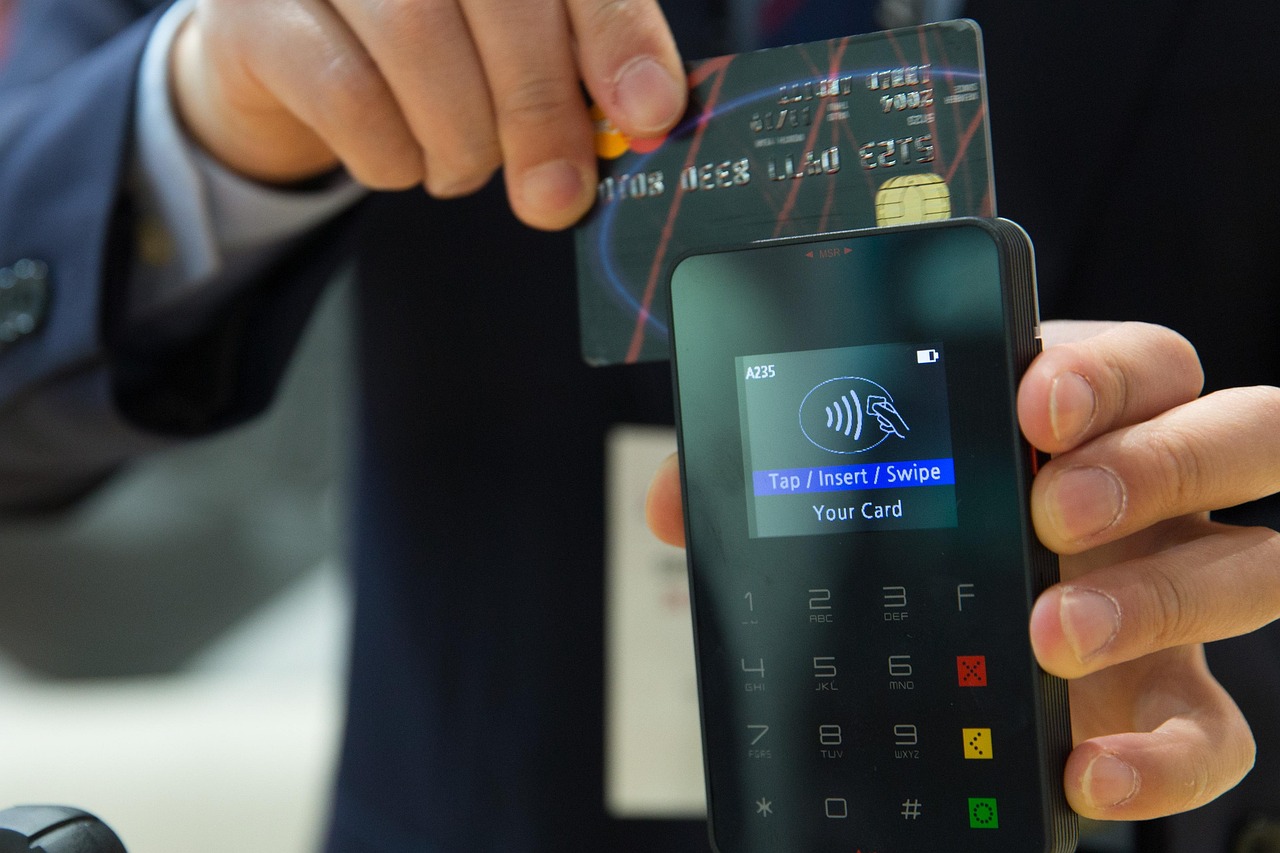
An Electronic Point of Sale (EPOS) system is a software-driven platform running on purpose-built or commercial hardware. At the counter, it looks similar to a cash register. Under the surface, it is an entirely different proposition.
A well-specified EPOS system will typically handle:
- Sales processing — across cash, card, and contactless in a single workflow
- Live stock management — automatically decrementing inventory with every sale
- Customer records and loyalty programmes — capturing purchase history and enabling targeted promotions
- Staff management — time-clocking, role-based permissions, and individual sales tracking
- Detailed sales reporting — hourly, daily, and category-level breakdowns accessible from anywhere
- Integrations — connecting to accounting software (Xero, Sage, QuickBooks), e-commerce platforms, and delivery aggregators
- Multi-site management — controlling pricing, promotions, and stock across multiple locations from one dashboard
For retail and hospitality businesses, modern EPOS software also supports table management, kitchen display systems, age-verification prompts, and supplier purchase orders. You can explore the EPOS Direct UK software platform to see the full scope of what is available across retail and food service environments.
Key Differences: Features, Functionality and Day-to-Day Use
The table below sets out the practical differences that matter most to a buyer making this decision.
| Capability | Traditional Cash Register | EPOS System |
|---|---|---|
| Card & contactless payments | No (separate terminal needed) | Yes — integrated or paired terminal |
| Real-time stock tracking | No | Yes — automatic with every sale |
| Sales reports & analytics | Basic daily totals only | Detailed, filterable, cloud-accessible |
| Customer loyalty & CRM | No | Yes — built-in or integrated |
| Multi-site management | No | Yes — centralised dashboard |
| Accounting software integration | No | Yes (Xero, Sage, QuickBooks etc.) |
| Staff management tools | No | Yes — clocking, permissions, targets |
| Internet dependency | None | Cloud features need connectivity; offline mode available on most systems |
| Upfront hardware cost | Low (typically £100–£400) | Moderate to higher (see cost section below) |
| Ongoing subscription | None | Usually monthly (see below) |
| Scalability | Limited — buy additional units separately | Scales from one terminal to dozens |
The day-to-day operational difference is significant. A business owner using a cash register must count stock manually, reconcile sales by hand, and has no easy way to know which products are performing. An EPOS user can check last night's revenue from their phone before they reach the shop.
Cost Comparison: Upfront Investment vs Long-Term Value
Price is often the first objection raised in favour of a cash register, but the comparison is more nuanced than headline hardware cost suggests.
Traditional cash register costs
- Entry-level electronic models: typically from around £100
- Mid-range programmable registers: typically £200–£400
- No software subscription, but no software capability either
- A separate card terminal will add transaction fees and a monthly rental — often £15–£30 per month — negating some of the apparent saving
EPOS system costs
- Hardware (touchscreen terminal, receipt printer, cash drawer, scanner): typically from around £500–£800 for a single-station starter setup — though this varies considerably by specification
- Software: monthly subscriptions typically fall between £20 and £70 per month for a single terminal, depending on features and provider; enterprise tiers are higher
- Card processing: where payments are integrated, transaction fees apply — rates vary by provider and volume
- Some providers offer outright purchase options; others offer hardware bundles on finance or lease agreements
The real question is not "which costs less to buy?" but "which generates more value per pound spent?" A business processing 50 transactions a day that can reduce stock shrinkage by even a small percentage, save two hours of weekly admin, and identify its five best-selling lines in seconds is almost certainly recovering the EPOS subscription cost many times over. Our detailed guide to monthly EPOS subscriptions versus outright purchase explores this trade-off in depth.
For businesses weighing up hardware choices, our guide to the best till systems for small businesses in the UK covers what to expect at each price point.
Which Is Better for Retail Businesses?
For almost any retail business selling from a fixed premises — whether that is a fashion boutique, a convenience store, a gift shop, or a pharmacy — an EPOS system is the stronger choice. Stock management alone justifies it: knowing precisely what is selling, what is sitting, and when to reorder is foundational to healthy retail margins.
A common question from retail buyers is: do I need an integrated card machine, or can I keep using a separate terminal? Integration matters more than many buyers initially expect. When a card payment is processed separately from the till, you lose the automatic reconciliation that makes end-of-day reporting accurate and fast. Our guide to combined card machine and till systems explains how integration works in practice and what to look for.
Retailers with three or more product categories, seasonal ranges, or any ambition to grow should also consider how the system will scale. Explore our retail EPOS offers or book a retail EPOS software demo to see the platform in action.
Which Is Better for Hospitality and Food Service?
In hospitality — cafés, restaurants, bars, takeaways, and hotels — a traditional cash register is almost never fit for purpose. The operational demands of a busy service environment require table management, course splitting, kitchen printer or KDS integration, allergen flagging, and cover-based reporting. None of these are available on a standard register.
Hospitality operators frequently ask: what happens if the internet goes down during service? It is a fair concern. Reputable EPOS providers build offline mode into their systems, so terminals continue processing sales locally and sync to the cloud when connectivity is restored. This is worth verifying before you commit to any system.
The other question we hear regularly is: can one system handle both table service and a takeaway operation? Yes — modern hospitality EPOS platforms are designed for exactly this kind of hybrid workflow. If your operation involves food and drink service of any kind, our hospitality and restaurant EPOS offers are worth reviewing, or you can book a restaurant EPOS software demo to see how it fits your specific setup.
How to Decide: A Simple Checklist for UK Business Owners
Work through the points below honestly. If you answer "yes" to three or more, an EPOS system is almost certainly the right choice.
- Do you take, or want to take, card and contactless payments?
- Do you stock more than 50 product lines or menu items?
- Do you want to know which products are selling and which are not — without counting by hand?
- Do you employ more than one member of staff at the till?
- Do you run, or plan to run, promotions, discounts, or a loyalty scheme?
- Do you operate from more than one location, or sell online as well as in-store?
- Do you want your sales data to flow automatically into your accounting software?
- Are you planning to grow the business in the next two to three years?
If your honest answer is "no" to all eight — you are a sole trader, cash-only, with a tiny static product range and no growth ambitions — a cash register may still serve you adequately. For everyone else, the case for EPOS is compelling.
If you are already using a cash register and are considering making the switch, our step-by-step guide to switching from a cash register to a modern EPOS system walks through the migration process in practical detail.
You can also browse the full range of solutions and current offers on the EPOS Direct UK home page, where you will find options for retail, hospitality, pharmacy, and more.
The Bottom Line
A traditional cash register is a simple, low-cost tool that does one thing reliably. An EPOS system is a business management platform that happens to include a till. For the overwhelming majority of UK businesses — anyone taking card payments, managing stock, employing staff, or planning to grow — the EPOS system delivers substantially more value, and the ongoing cost is typically recovered quickly through operational gains alone.
At EPOS Direct UK, our team works with businesses across retail, hospitality, pharmacy, and beyond every day, helping owners find the right system for their specific operation — not the most expensive one, but the right one. If you would like a genuine expert view on what would work for your business, talk to an expert online, or request a free demo and see the difference for yourself.
Written by the EPOS Direct UK team, specialists in point-of-sale solutions for UK businesses across retail, hospitality, and specialist sectors.
Frequently asked questions
- How much does an EPOS system cost compared to a basic cash register in the UK?
- A traditional cash register typically costs between £50 and £300 as a one-off purchase with no ongoing fees. A full EPOS system from a UK supplier like EPOS Direct usually ranges from £300 to £1,200 for hardware, with software licences from around £20 to £60 per month depending on features. While the upfront cost is higher, most businesses recoup the difference quickly through time savings, reduced errors and better stock control.
- Can I still take card payments with a traditional cash register?
- A traditional cash register handles cash only. To accept cards you would need a completely separate card terminal with no integration, meaning you reconcile two sets of records manually. An EPOS system integrates card payments directly, so every transaction is recorded in one place, reducing end-of-day reconciliation time significantly.
- Is an EPOS system too complicated for a small shop or market stall?
- Modern EPOS systems are designed to be intuitive and most staff can be trained in under an hour. Cloud-based systems also mean you can manage your products, pricing and reports from a phone or laptop anywhere. Entry-level setups are scalable, so you only pay for the features you need, making them practical even for sole traders and small independent retailers.
