We use cookies to make your experience better.
To comply with the new e-Privacy directive, you agree to the privacy policy and our use of cookies


EPOS Systems with Built-In Loyalty Schemes for UK Retail Shops
EPOS Systems with Loyalty Schemes for UK Retail Shops
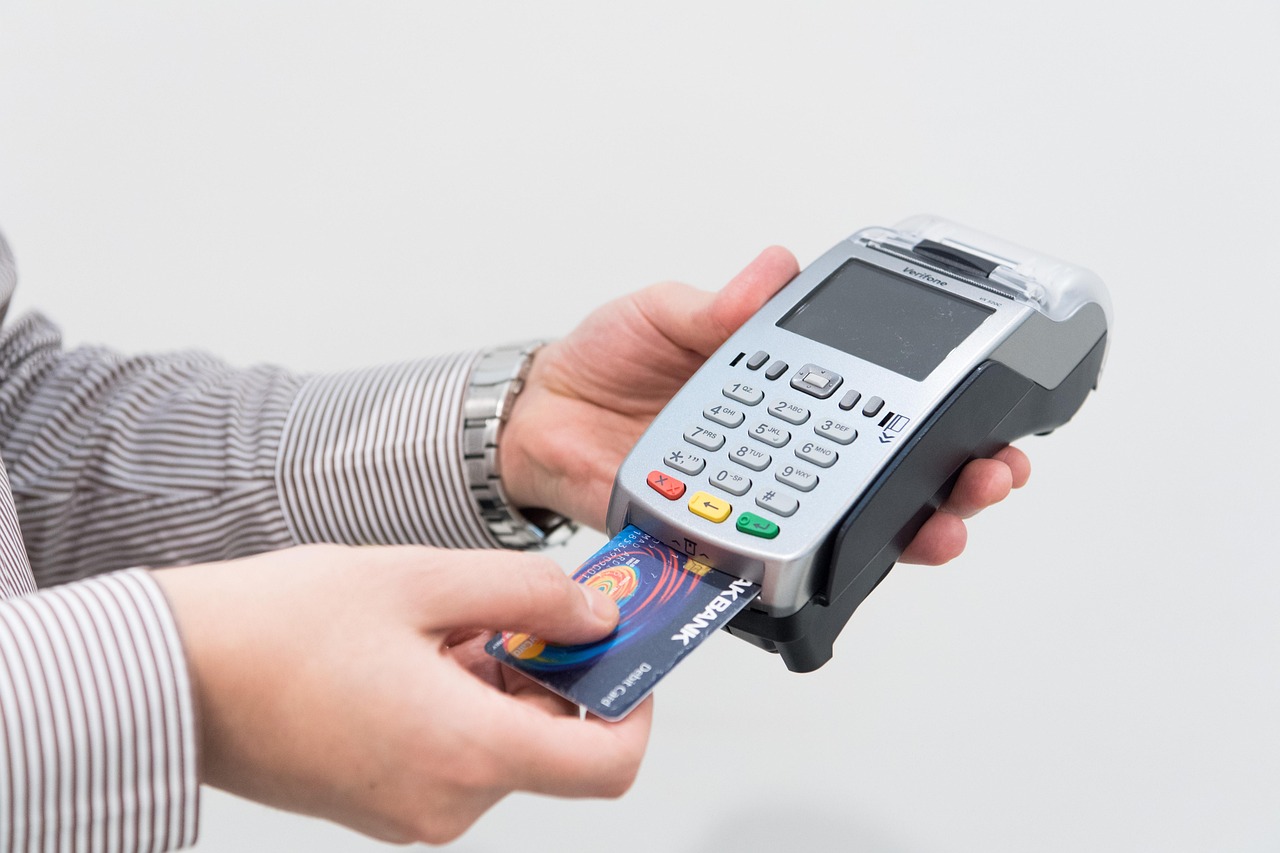
Loyalty programmes have moved from nice-to-have to genuine competitive necessity for UK retail shops, and the most effective way to run one is directly through your point-of-sale system. When loyalty is built into your EPOS rather than bolted on as a separate app, every transaction automatically earns, redeems and records rewards — with zero manual effort from your staff and a seamless experience for customers. This guide explains exactly how it works, what to look for, and how to make the business case to your management team or accountant.
Why UK Retail Shops Are Adding Loyalty to Their Till Systems
The economics of customer retention are compelling. Acquiring a new shopper costs significantly more than keeping an existing one engaged, yet many independent retailers still rely on paper stamp cards that offer no data, no personalisation and no measurable return. A modern EPOS-integrated loyalty scheme changes that equation entirely.
Several specific pressures are driving uptake among UK shops right now:
- Rising acquisition costs. Paid social and Google ads have become more expensive, pushing shops to extract more value from their existing customer base.
- Supermarket loyalty competition. Large chains have raised the bar for what shoppers expect — independent retailers need credible alternatives that feel equally polished.
- GDPR-compliant first-party data. A loyalty programme built into your EPOS gives you a lawful basis to collect customer data and marketing preferences directly, without relying on third-party platforms. (Verify your specific obligations at ico.org.uk.)
- Basket-size growth. Customers aware they are accumulating points typically spend more per visit to reach a reward threshold — a well-documented behavioural effect in retail psychology literature.
If you are evaluating your broader hardware and software options alongside loyalty, our guide to the best till systems for small businesses in the UK covers the full landscape in practical detail.
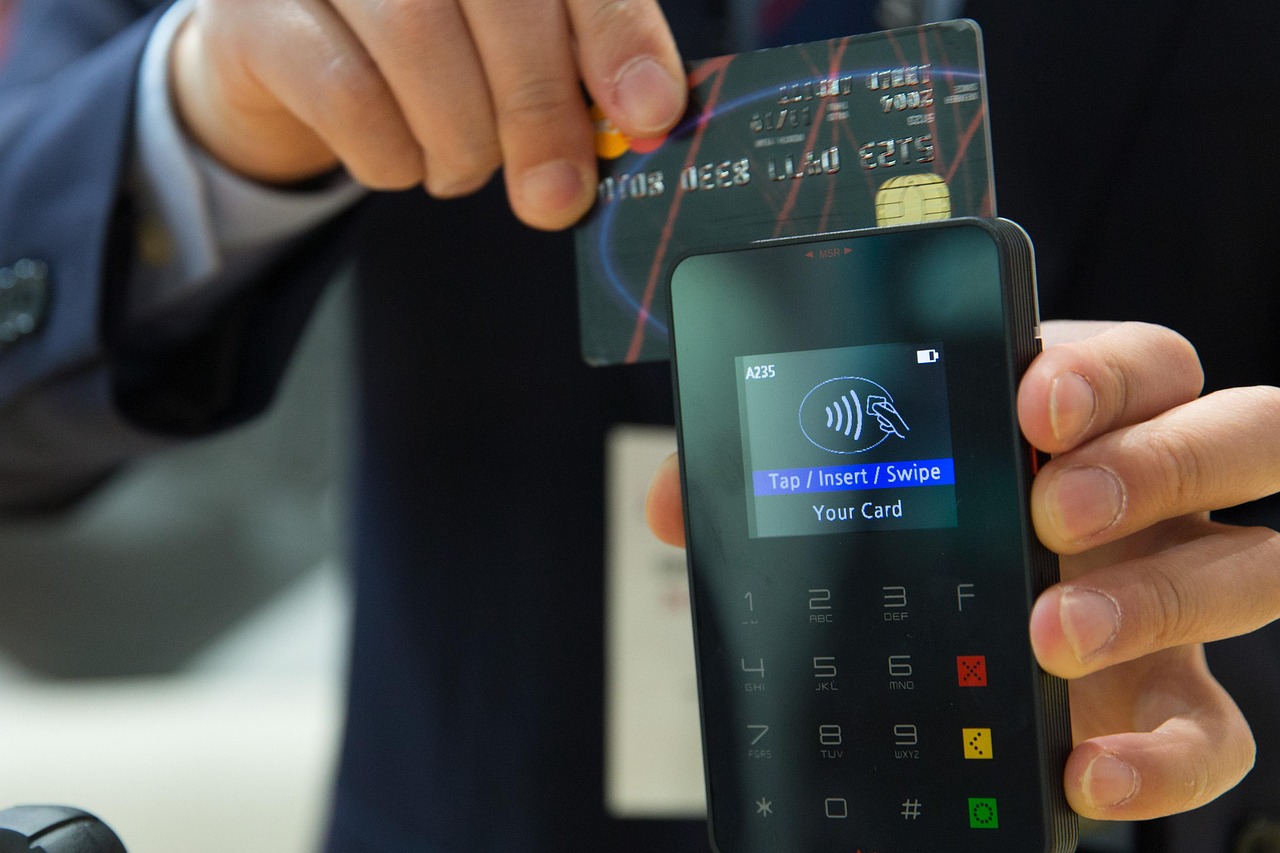
How a Built-In Loyalty Programme Works at the Point of Sale
The core principle is simple: your EPOS software treats loyalty as a native payment and customer-management layer, not a disconnected add-on. Here is the typical transaction flow in a well-integrated setup:
- The customer is identified at the till — by a loyalty card, a mobile number, a QR code, or an app scan.
- The system retrieves their profile, current points balance and any active rewards or birthday offers.
- The sale is processed as normal (cash, card or contactless).
- Points are calculated automatically based on spend, product category or promotional rules set by the retailer.
- If a redemption threshold has been reached, the cashier is prompted and the discount is applied in real time.
- The transaction, reward activity and updated balance are recorded in the back office — instantly available for reporting.
Because everything happens inside a single platform, there is no double-keying, no syncing delays and no margin for error. For shops processing hundreds of transactions a day, this reliability is critical.
Key Features to Look for in a Retail Loyalty EPOS System
Not all loyalty modules are created equal. A real buyer should interrogate the following before committing to any system:
Flexible Points and Reward Rules
You need to be able to set points per pound spent, assign bonus multipliers to specific products or categories, and create time-limited promotions (double points weekends, for instance) without calling a developer. The configuration should live in your back-office dashboard.
Customer Profile Management
Each customer record should store purchase history, average basket value, preferred product categories and marketing consent — not just a name and email. This data underpins personalised offers and is what separates a genuine CRM from a basic stamp-card replacement.
Multi-Site and Multi-Till Synchronisation
If you run more than one shop, points balances must sync in real time across all locations. A customer who earns points in your Harrogate branch should be able to redeem them in Leeds without any friction.
Integrated Marketing Tools
The system should let you trigger automated emails or SMS messages — welcome offers, reward reminders, lapsed-customer win-backs — based on real transaction data rather than manual exports.
Detailed Loyalty Reporting
Look for dashboards showing active members, points issued versus redeemed, reward redemption rates and revenue attributable to loyalty customers versus non-members. Without this, you cannot calculate ROI.
Card Payment Integration
Loyalty works best when payment is equally seamless. Our guide to EPOS systems with integrated card payments explores why payment and loyalty sitting on the same platform removes a critical point of friction at checkout.
Types of Loyalty Schemes You Can Run Through Your Till
A well-configured retail EPOS can support several distinct programme structures. Choosing the right one depends on your margin profile, average transaction value and customer visit frequency.
| Scheme Type | How It Works | Best Suited For | Key Consideration |
|---|---|---|---|
| Points per £ spent | Customer earns X points for every £1 spent; redeems points for discounts or free products | General retail, gift shops, health & beauty | Set reward thresholds carefully to protect margin |
| Tiered membership | Customers progress through Bronze / Silver / Gold tiers unlocking better rewards | Higher-spend retail, fashion, homewares | Requires clear tier communication at point of sign-up |
| Cashback | A percentage of spend is returned as account credit, usable on future visits | Convenience stores, off-licences, pharmacies | Simple to explain; must account for VAT implications |
| Stamp / visit-based | Digital version of the classic stamp card — every Nth visit earns a free item | Bakeries, coffee-adjacent retail, food-to-go | High perceived value; works best for habitual purchases |
| Product-specific promotions | Bonus points or discounts tied to specific SKUs or categories | Any retailer wanting to shift slow-moving stock | Requires granular product-level configuration in the EPOS |
| Referral rewards | Existing members earn bonus points when they refer new customers who make a purchase | Boutiques, specialist retailers with engaged communities | Needs tracking mechanism — usually a unique referral code |
How EPOS Direct UK Integrates Loyalty Into Your Retail Setup
EPOS Direct UK builds loyalty functionality directly into its retail EPOS software rather than requiring third-party integrations. This means the loyalty module shares the same product database, customer records and reporting engine as the rest of your system — a meaningful practical advantage over retrofitting a standalone loyalty app onto a basic till.
Setup typically involves:
- Configuring your reward rules and membership tiers in the back-office portal
- Importing any existing customer data (the team will advise on GDPR-compliant migration)
- Training staff — usually straightforward because loyalty prompts appear natively on the till screen
- Connecting your customer-facing display or receipt printer to show points balances at transaction end
You can explore the software in detail — including how loyalty sits within the broader feature set — by booking a retail EPOS software demo at a time that suits you. Alternatively, if you prefer a conversation first, talk to an expert online who can walk you through your specific shop type and customer base.
For a broader view of everything included in an EPOS Direct retail setup, visit the EPOS Direct UK home page for current offers and full system information.
Costs and ROI: What UK Shop Owners Can Realistically Expect
One of the most common questions from shop owners is straightforward: will a loyalty-enabled EPOS system pay for itself? The honest answer is yes — but only if the programme is actively managed and the data is used.
Indicative Investment Ranges
The following are approximate, market-typical figures for UK retail EPOS setups inclusive of loyalty functionality. They are not quotes; contact EPOS Direct UK for a personalised proposal.
- Software subscription: typically from around £30–£80 per month per site for retail EPOS software that includes a loyalty module, depending on features and support level
- Hardware (touchscreen till, receipt printer, barcode scanner): most single-till retail setups fall between £500 and £1,200 depending on specification
- Card payment processing: transaction rates vary by provider and volume — see our guide to combined card machine and till systems for a realistic breakdown of what UK businesses pay
- Setup and training: many providers, including EPOS Direct UK, include installation support and initial training within the package
Where the Return Comes From
Realistic ROI for retail loyalty programmes typically comes from three sources:
- Increased visit frequency — members tend to return more often once they are accumulating a reward they value.
- Higher average transaction value — customers approaching a redemption threshold often add items to their basket to cross it.
- Reduced reliance on blanket discounting — targeted reward-based promotions protect margin better than shop-wide sales.
If you are cost-sensitive, our guide to the most affordable EPOS systems for small UK businesses helps you understand where to prioritise spend and where you can economise without compromising on the features that actually drive growth.
Getting Started: Moving from a Basic Till to a Loyalty-Enabled EPOS
The transition is less disruptive than most shop owners expect, provided you plan the three phases properly.
Phase 1 — Audit and Plan
Before choosing a system, map your existing customer touchpoints: How do customers pay? Do you have any existing customer data? What is your average transaction value and visit frequency? Answering these questions shapes which loyalty scheme type will work best for your shop.
Phase 2 — System Selection and Setup
Choose hardware and software together — a loyalty module running on hardware that cannot cope with your transaction volume will frustrate both staff and customers. Request a demo, test the loyalty workflow end-to-end, and confirm that the back-office reporting gives you the data you actually need. You can view current retail EPOS offers from EPOS Direct UK to understand what is included at different investment levels.
Phase 3 — Launch and Optimise
Sign-up rates at launch are the most important early metric. Train every staff member to invite customers to join at the point of sale — a verbal prompt at checkout dramatically outperforms a poster by the door. Review your loyalty reports monthly for the first quarter and adjust reward thresholds if redemption rates are lower than expected.
For shops that are also reconsidering their payment setup as part of a wider upgrade, our guide to EPOS systems for small businesses covers the full decision process in one place.
The Direct Answer: Does an EPOS-Integrated Loyalty Scheme Make Sense for UK Retail?
For the vast majority of UK retail shops processing more than around 30 transactions per day, an EPOS system with a built-in loyalty programme is a sound investment. It delivers measurable increases in customer retention and average basket value, provides GDPR-compliant first-party customer data, and removes the operational friction of running a loyalty scheme manually. The key is choosing a system where loyalty is native to the software rather than a disconnected add-on.
Ready to Build Loyalty Into Your Retail EPOS?
EPOS Direct UK helps independent retailers and multi-site shop owners across the United Kingdom configure loyalty programmes that work from day one — backed by hardware, software and support from a single provider. To see the system in action, request a free demo or request a call back from our retail team at a time convenient for you. We will help you design a loyalty programme that fits your shop, your customers and your margin — without any pressure or obligation.
Written by the EPOS Direct UK team, who work with retail shop owners across the United Kingdom every day to help them choose and configure EPOS and loyalty solutions suited to their business.
Frequently asked questions
- Can I add a loyalty scheme to my existing till system without replacing it?
- It depends on your current setup. Some modern EPOS systems support loyalty add-ons or third-party integrations, but older or proprietary till systems often cannot be extended in this way. If your current till is more than three to five years old, it is usually more cost-effective to upgrade to a fully integrated EPOS platform that includes loyalty as a native feature, rather than paying for a separate loyalty app that may not sync reliably with your sales data.
- How much does an EPOS system with a built-in loyalty programme typically cost for a UK shop?
- For a single-site UK retail shop, you can expect to pay roughly £300 to £800 for EPOS hardware such as a touchscreen till, receipt printer and barcode scanner. Software licences with loyalty features are commonly priced on a subscription basis, typically £30 to £80 per month depending on the provider and the number of tills. Some providers, including EPOS Direct UK, offer bundled packages that include hardware, software and loyalty functionality, which can reduce the upfront cost significantly. Always confirm whether loyalty features are included in the base plan or charged as an add-on.
- What types of loyalty rewards work best for small independent shops?
- Points-per-pound schemes are the most popular choice for independent UK retailers because they are straightforward for both staff and customers to understand. Stamp-card style digital rewards work well for food and beverage retailers, while tiered loyalty tiers suit shops with a broad product range and higher average basket values. The most effective approach is one that integrates directly with your EPOS so points are awarded and redeemed automatically at the till, removing the need for paper cards or manual tracking.
