We use cookies to make your experience better.
To comply with the new e-Privacy directive, you agree to the privacy policy and our use of cookies


The Best EPOS Systems with Online Ordering for Takeaways and Delivery Businesses
EPOS Systems with Online Ordering for Takeaways: Everything You Need to Know

A modern takeaway business lives or dies on speed, accuracy and the ability to meet customers wherever they choose to order — your website, a third-party app, or a phone call. An integrated EPOS and online ordering system brings every channel into a single workflow, so orders flow straight to the kitchen without manual re-entry, and your team can focus on food rather than admin. This guide covers everything a UK takeaway operator needs to evaluate, compare and choose the right setup — including honest pricing guidance, must-have features, and how EPOS Direct's hospitality solution measures up.
Why Takeaways Need More Than a Basic Till
A standalone cash register or generic point-of-sale terminal was designed for face-to-face retail. The economics and logistics of a takeaway are fundamentally different: orders arrive simultaneously from multiple channels, preparation windows are tight, and a mistake on a busy Friday evening can mean bad reviews and lost regulars. The operational gap between a basic till and a purpose-built takeaway EPOS is significant.
- Multiple order sources, one display. Web orders, phone orders, walk-ins and third-party aggregator feeds all need to land in the same queue, visible to kitchen staff in real time.
- Collection and delivery scheduling. Customers need accurate time estimates; the kitchen needs to see slot demand at a glance to avoid bunching.
- Menu control across channels. Changing a price or marking an item as sold out should update every sales channel instantly — not require separate logins to four different platforms.
- End-of-day reporting that actually makes sense. Gross sales by channel, average order value, busiest slots, driver performance — data that helps you run a better business, not just count the cash.
If you are also evaluating your broader hardware and payment setup, the guide to card machine and till system combined explains how integrated payment processing removes a further layer of complexity.
Key Features to Look for in a Takeaway EPOS with Online Ordering
Not every hospitality EPOS is built with takeaways in mind. Restaurant systems are often optimised for table turns and covers; retail systems lack kitchen printer routing entirely. Here is the checklist that separates a genuinely fit-for-purpose solution from a compromise.
Direct Online Ordering (Commission-Free)
Aggregator platforms typically charge commission on every order — a cost that compounds quickly at volume. A takeaway EPOS that includes its own branded online ordering page lets you capture direct orders from your regulars and your Google Business profile without giving away a percentage of revenue each time.
Automatic Kitchen Routing
Orders should print or display at the relevant prep station the moment they are placed — whether the customer is standing at your counter or ordering from their sofa. Kitchen Display System (KDS) integration and configurable printer routing are non-negotiable in a high-volume environment.
Real-Time Menu Synchronisation
A single menu master that pushes changes to every channel simultaneously — your online ordering page, your in-store till screens, and any connected aggregator — eliminates the class of errors that come from out-of-date menus on individual platforms.
Flexible Payment Acceptance
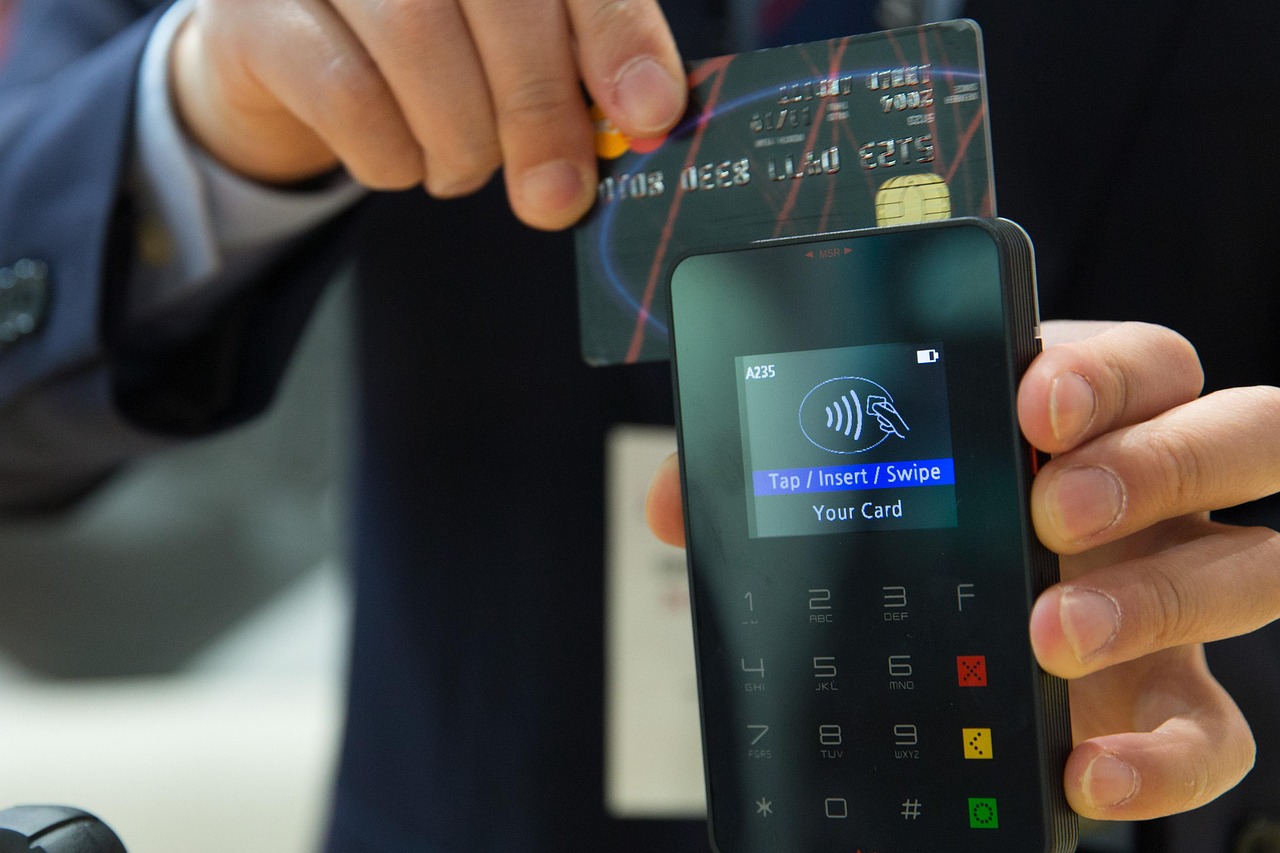
Customers expect to pay by card, contactless, Apple Pay and Google Pay. For delivery drivers collecting payment at the door, a wireless card reader is essential. See our practical overview of the best wireless card machines for small businesses for a comparison of options that work alongside a takeaway EPOS.
Driver Dispatch and Delivery Tracking
Even a modest delivery operation benefits from basic dispatch management: assigning orders to drivers, logging despatch and expected return times, and giving customers a realistic delivery window without a separate app subscription.
Loyalty and Promotions
Repeat customers are the financial backbone of any takeaway. Built-in loyalty point schemes, discount codes for online orders, and time-limited promotions (happy hour pricing, lunchtime specials) all drive frequency without requiring third-party marketing software.
How Online Ordering Integrates with Your Till
The integration question is the one most operators get wrong when buying on price alone. There are broadly three approaches, with meaningfully different operational consequences.
| Integration Approach | How It Works | Typical Pros | Typical Cons |
|---|---|---|---|
| Native integration | Online ordering is built into the same EPOS platform — one provider, one database | Real-time menu sync; single reporting view; no middleware fees | You are tied to that provider's online ordering feature set |
| Certified third-party integration | EPOS connects to a specialist online ordering platform via a supported API | More flexibility; best-of-breed options for ordering UX | Monthly fee for each platform; sync delays possible; two support desks |
| Manual aggregator tablets | Separate device per aggregator; staff manually re-key or print orders | No EPOS change required | High error risk; no consolidated reporting; staff friction at peak times |
For most UK takeaways processing more than 30 online orders a day, native integration is the clear operational winner. The efficiency gain from eliminating manual re-entry alone typically justifies the difference in subscription cost within the first few weeks of trading.
Managing Deliveries, Collections and Kitchen Workflow from One Screen
The best takeaway EPOS systems present a unified order board — sometimes called an Order Management Screen — that shows every live order, its channel, its status, and its promised time. Staff do not need to look at multiple devices or tabs. A well-configured system will:
- Display collection and delivery orders in separate, colour-coded queues
- Alert the kitchen when a collection customer has arrived (via a front-of-house check-in prompt)
- Automatically advance order status from "received" to "in preparation" to "ready" with a single tap, triggering customer-facing notifications where enabled
- Log actual vs. promised times so you can review fulfilment performance in your end-of-day reports
This single-screen discipline is what separates busy but controlled kitchens from chaotic ones during peak service. If you are running a compact operation with one or two staff, the principles in our guide to the best till systems for small businesses are equally relevant when assessing what level of complexity your team can realistically manage.
Costs and Pricing: What UK Takeaways Can Expect to Pay
Pricing varies considerably depending on the number of terminals, the depth of online ordering functionality, and whether hardware is purchased outright or leased. The figures below are honest indicative ranges for the UK market, provided as guidance rather than quotes — always request a specific proposal based on your volume and configuration.
- Entry-level setup (single terminal, basic online ordering): typically from around £30–£60 per month on a software subscription, plus a one-off or financed hardware cost.
- Mid-tier setup (one or two terminals, branded ordering page, KDS, driver dispatch): most setups fall between £60 and £120 per month in software fees, with hardware costs ranging from a few hundred to over a thousand pounds depending on the specification.
- Full multi-terminal operation (multiple tills, kitchen screens, online ordering, loyalty, aggregator integration): monthly software costs can range from £120 upward; hardware investment scales accordingly.
- Payment processing: card transaction fees in the UK are typically quoted as a percentage of turnover (commonly in the range of 1–2% for card-present transactions), separate from your EPOS subscription. Comparing this cost is important — see our overview of card machines with no monthly fee for an alternative payment model that may suit lower-volume operators.
The key question to ask any provider is not just the monthly subscription headline — it is the total cost of ownership over 24 months, including hardware, installation, training and transaction fees. Operators who compare on subscription alone frequently discover the true cost is materially different. For a broader cost comparison framework, our guide to the most affordable EPOS systems for small businesses lays out what to watch for in contracts.
How EPOS Direct's Takeaway Solution Compares
EPOS Direct is a UK-based provider with a dedicated hospitality EPOS platform designed for exactly this environment. Rather than adapting a retail system to fit food service, the software is architected around kitchen workflow, order management and multi-channel trading. Key differentiators include a commission-free branded online ordering page, direct kitchen printer and KDS routing, integrated loyalty, and a single menu management interface that updates every sales channel simultaneously.
Support is provided by a UK-based team — an important practical consideration when something goes wrong at 6 pm on a Saturday. The platform is also scalable: whether you are a single-site chippy or a growing chain of takeaways, the system grows with you without requiring a platform migration.
You can explore the full capabilities via a restaurant EPOS software demo tailored to food service, or view current hospitality and restaurant EPOS offers to understand package pricing. If you prefer to talk through your specific setup before committing to anything, you can talk to an expert online without any obligation.
For context on how EPOS Direct positions across the broader UK market, our editorial overview of EPOS Direct and its range of POS systems for UK businesses covers the full product portfolio.
Getting Started: Setup, Training and Going Live
A common concern among takeaway operators is disruption during the switchover — particularly the risk of a new system failing during a busy service. A well-run EPOS implementation follows a structured process that eliminates most of that risk.
What a Good Implementation Looks Like
- Menu build and configuration: Your menu, modifiers, allergen flags and pricing are loaded before the hardware arrives. Online ordering settings, delivery zones and collection slots are configured in advance.
- Staff training: For a typical takeaway setup, most teams are confident within a half-day session. The interface is designed for speed, not for people with technical backgrounds.
- Parallel running: Running the new and old systems briefly in parallel, even just for one or two services, gives the team confidence before fully cutting over.
- Go-live support: Reputable providers offer on-call support for the first live service — the moment when any configuration issues tend to surface.
If your business is still at the research stage and you are weighing up whether an EPOS investment is justified at your current scale, the complete guide to EPOS systems for small businesses provides a clear framework for that decision. You can also visit the EPOS Direct UK home page for current offers and further information across the full product range.
Quick Answer: What Is the Best EPOS Setup for a UK Takeaway?
The most effective setup for a UK takeaway combines a purpose-built hospitality EPOS till with a natively integrated, commission-free online ordering page, kitchen printer or display routing, and a wireless card reader for payments. This eliminates manual re-entry, keeps every channel in sync, and gives operators a single reporting view across walk-in, collection and delivery sales — all from one system.
Conclusion
Choosing the right EPOS and online ordering solution is one of the most consequential operational decisions a takeaway makes — it shapes how efficiently your kitchen runs, how well you serve customers, and how clearly you can see your own business performance. The right system pays for itself in time saved, errors avoided and direct orders captured. EPOS Direct's hospitality platform is built specifically for this environment, backed by UK-based support and a transparent approach to pricing.
Ready to see it in action? Request a free demo from EPOS Direct and a member of the team will walk you through a configuration tailored to your takeaway — or request a call back at a time that suits you.
Written by the EPOS Direct UK team, who support takeaways, restaurants and hospitality businesses across the United Kingdom with EPOS and POS systems every day.
Frequently asked questions
- Can I take online orders directly through my EPOS system without paying third-party commission?
- Yes. A fully integrated takeaway EPOS solution like those from EPOS Direct allows you to accept orders through your own branded online ordering page or app, pushing them directly to your kitchen printer or KDS screen — no Uber Eats or Just Eat commission involved. You own the customer relationship and keep 100% of every order value.
- How much does a takeaway EPOS system with online ordering typically cost in the UK?
- Pricing varies by provider and setup size. In the UK, a standalone touchscreen till with integrated online ordering software typically starts from around £300–£600 upfront for hardware, with monthly software fees ranging from £30 to £80 per month depending on features such as delivery management, loyalty schemes and multi-location support. EPOS Direct offers tailored quotes, so it is worth requesting a free demo to get an accurate price for your specific requirements.
- Will online orders automatically print in my kitchen, or do I need to accept them manually?
- With a properly integrated system, online orders flow automatically from your ordering page straight through to your kitchen printer or Kitchen Display System (KDS) in real time — no manual intervention required. This removes the risk of missed orders during busy periods and keeps your front-of-house and kitchen perfectly in sync.
