We use cookies to make your experience better.
To comply with the new e-Privacy directive, you agree to the privacy policy and our use of cookies

EPOS Systems with Stock Management for Retail: The Complete Buyer's Guide
EPOS Systems with Stock Management for Retail: The Complete Buyer's Guide
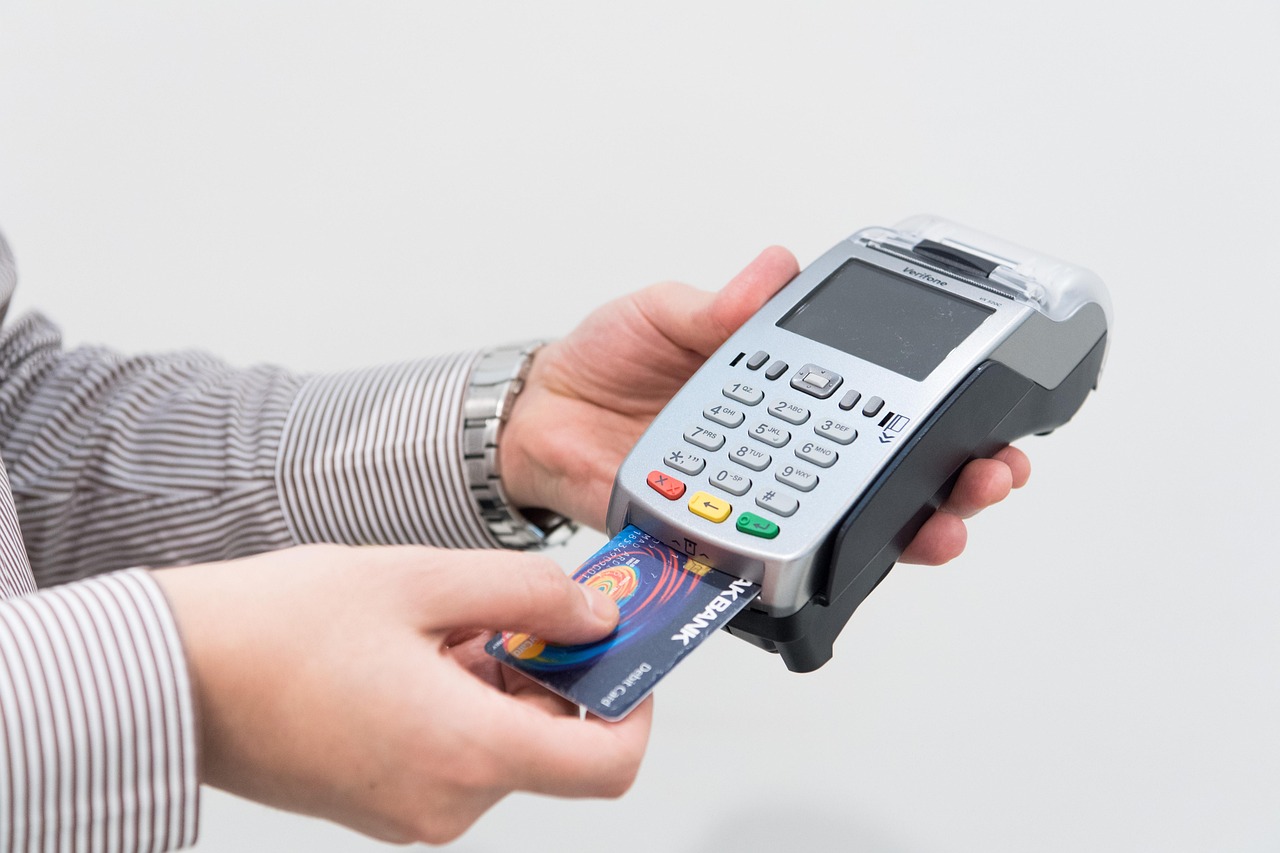
A retail EPOS system with integrated stock management does more than process sales — it gives you a live, accurate picture of every unit across every product line, so you can buy smarter, serve customers faster and protect your margins. For UK retailers managing anything from a single boutique to a growing multi-site operation, choosing a system where the till and the inventory engine are built as one is the single most impactful technology decision you will make. This guide walks you through every consideration, from core features and real-world cost expectations to onboarding and long-term return on investment.
Why Stock Management Built Into Your EPOS System Matters for Retail
Standalone stock spreadsheets and disconnected inventory apps create a dangerous gap between what your system thinks you have and what is actually on your shelves. Every time a sale is missed because a stockout went unnoticed, or cash is tied up in slow-moving lines that a report flagged three months too late, that gap has a direct cost.
When stock management is native to your EPOS — not bolted on via a third-party integration — every transaction automatically updates your inventory in real time. Returns, exchanges, waste entries and supplier deliveries all feed the same ledger. You get one version of the truth, accessible from the till, the back office and, with cloud-based systems, from your phone.
For UK retailers specifically, this integration matters for compliance as well as operations. Accurate stock records support VAT reporting and, in regulated sectors such as pharmacy or licensed premises, are often a legal expectation. The tighter the link between your point of sale and your inventory data, the lower the administrative burden at period end.

Key Features to Look for in a Retail Stock Management System
Not all systems deliver the same depth of inventory control. Before you evaluate any platform, establish which of the following capabilities are essential for your business model.
Core inventory essentials
- Automatic stock decrement on sale — every sale, including split transactions and refunds, should update the count instantly.
- Barcode and SKU scanning — fast, accurate receiving and picking, with support for your suppliers' own barcodes.
- Low-stock alerts and reorder triggers — configurable thresholds per product, so your buyers act before a stockout happens.
- Supplier purchase order management — raise, send and reconcile POs from inside the same system.
- Batch and serial number tracking — essential for fashion, electronics and any product with warranty or recall obligations.
- Product variants — size, colour, material and other attributes managed under a single parent SKU, with individual stock levels per variant.
Reporting and analytics
- Sell-through rates and days-of-stock-remaining per line
- Dead stock identification — lines with no movement in a configurable period
- Margin reporting by category, supplier and individual SKU
- Stocktake and cycle-count tools with variance reporting
If you operate a fashion or apparel business, sector-specific features — such as size-run management and seasonal range planning — become particularly important. Our dedicated guide to the best EPOS systems for clothing shops in the UK covers those requirements in detail.
How Real-Time Inventory Tracking Reduces Shrinkage and Overstock
Two of the most persistent profit drains in retail are shrinkage (unplanned stock loss through theft, damage or administrative error) and overstock (capital locked in goods that are not selling). A well-configured EPOS with live inventory tracking addresses both directly.
Reducing shrinkage: When every item is scanned in at delivery and every sale is matched to a barcode, unexplained variances surface quickly. Regular cycle counts — where you count a rolling subset of your range rather than doing one painful annual stocktake — become straightforward when the system generates a count sheet and flags discrepancies automatically. Audit trails also make it significantly easier to identify whether losses are occurring at the till, in the stockroom or at delivery.
Avoiding overstock: Automatic reorder points are only as good as the data behind them. The best retail EPOS platforms let you set reorder quantities based on historical sales velocity and supplier lead times, so you are ordering the right amount at the right time rather than guessing. Some systems support supplier scorecards that track delivery accuracy, helping you build better forecasting models over time.
The net result is healthier cash flow. Fewer pounds tied up in excess stock means more flexibility to invest in lines that are actually moving.
Multi-Location and Multi-Channel Stock Control: What UK Retailers Need to Know
If you sell across more than one shop, an e-commerce platform, or a combination of both, unified stock visibility is non-negotiable. Overselling online because your website did not know a line had sold out in-store is a fast way to damage customer trust — and in a market where next-day delivery is expected, a fulfilment failure is often a lost customer.
What to look for in a multi-site setup
- Centralised inventory with location-level visibility — see the total on hand and the breakdown by site simultaneously.
- Inter-store stock transfers — raise and confirm transfer requests within the system, with a full audit trail.
- Click-and-collect fulfilment — reserve stock at the collecting branch at the moment of online purchase.
- Omnichannel channel sync — real-time or near-real-time updates pushed to Shopify, WooCommerce, Amazon or your own website.
- Head-office reporting — consolidated performance dashboards across all locations with the ability to drill into individual sites.
UK retailers expanding from one location to several frequently underestimate the complexity of stock allocation. A system built for multi-site from the outset will cost you less in configuration and workarounds than retrofitting a single-site platform.
Matching the Right System to Your Store Size and Sector
The right level of sophistication depends on the scale and complexity of your operation. A sole trader running a market stall needs something fundamentally different from a regional chain managing 500 SKUs across six sites.
| Business profile | Stock management priority | System tier to consider | Typical monthly software cost (indicative) |
|---|---|---|---|
| Single-site, under 200 SKUs | Basic decrement, low-stock alerts, simple reporting | Entry-level cloud EPOS | Typically from £30–£60/month |
| Single-site, 200–2,000 SKUs | Variants, PO management, cycle counts, margin reporting | Mid-tier retail EPOS | Typically £60–£120/month |
| Multi-site or omnichannel | Centralised stock, inter-site transfers, channel sync | Full retail management platform | Typically £120–£300+/month |
| Specialist sector (pharmacy, jewellery, licensed trade) | Regulatory compliance, serial/batch tracking, age verification | Sector-specific EPOS | Varies — request a tailored quote |
For smaller independent retailers exploring their options, our practical guide to the best till systems for small businesses in the UK is a useful starting point, and our broader complete guide to EPOS systems for small businesses covers the wider landscape in depth.
If you would like to see how a system would work for your specific retail category, you can explore a retail EPOS software demo directly — no commitment required.
Total Cost of Ownership: Hardware, Software and Support
One of the most common buyer questions is straightforward: what will this actually cost me, over time? The honest answer requires separating the components.
Hardware
A standard retail counter setup — touchscreen terminal, receipt printer, barcode scanner and cash drawer — typically falls between £500 and £1,200 per till point, depending on build quality and specification. Adding a customer-facing display, label printer or handheld stock-take scanner will add to that figure. Hardware can often be purchased outright or bundled into a monthly payment plan.
Software
Cloud-based EPOS software is almost universally sold on a subscription basis in the UK market. As the indicative figures in the table above illustrate, most retail setups fall somewhere between £30 and £300 per month depending on the number of till licences, locations and feature depth. Some providers charge per transaction volume rather than a flat fee — worth scrutinising if your sales volumes are high.
Payment processing
Integrated card payment is a key part of the total picture. Whether you use a built-in card reader or a separate wireless terminal, processing fees in the UK typically range from around 0.3% to 1.75% per transaction depending on card type and your agreement. Our guides on the best wireless card machines for small businesses and combined card machine and till systems cover the payment side in full, including options with no monthly fee.
Support and maintenance
Factor in the ongoing support model. UK-based telephone support during trading hours is the minimum expectation for a retail business; look for providers offering extended hours or 24/7 cover if you trade evenings and weekends. Software updates, data backup and security patching should be included in a cloud subscription — confirm this explicitly before signing.
A realistic total cost of ownership for a single-site independent retailer over three years, including hardware, software and payment processing, commonly falls between £3,000 and £8,000 depending on transaction volumes and the level of functionality required. These are indicative ranges for planning purposes; your actual quote will depend on your specific configuration.
What to Expect During Setup, Training and Onboarding
A system is only as good as its implementation. Poor data migration, rushed staff training and an under-configured product catalogue are the three most common reasons retailers fail to get full value from a new EPOS platform.
Data migration
Importing your existing product catalogue — with all variants, costs, prices and current stock levels — is the most time-intensive step. A reputable provider will supply a template and a data-mapping service, or handle the migration directly. Expect this process to take between a few days and several weeks depending on catalogue size and data quality.
Staff training
Most modern retail EPOS interfaces are designed to be learned quickly at the till. Back-office functions — purchase ordering, stocktake, reporting — take longer to embed and typically require a dedicated training session for buyers and managers. Ask whether training is included in your onboarding package or charged separately.
Going live
Plan your go-live for a quieter trading period if possible. Run parallel systems briefly if your data migration leaves any ambiguity. A staged rollout across departments or locations is significantly lower risk than a full overnight switch for larger operations.
If you are ready to understand exactly what onboarding would look like for your business, talk to an expert online — the EPOS Direct team work with UK retailers across every sector and size.
A Direct Answer for Buyers Researching Retail EPOS Stock Management
If you need a single clear answer to guide your search: an integrated retail EPOS system gives you real-time stock control, purchase order management, low-stock alerts and multi-location visibility inside one platform — eliminating the errors and delays that come from stitching together separate systems. For most UK independent retailers, a capable cloud-based solution with full inventory management is available from around £60 to £120 per month in software costs, with hardware purchased separately or bundled. The investment pays back fastest through reduced shrinkage, smarter purchasing decisions and the time saved on manual stock administration.
For the most affordable options on the market, our guide to the most affordable EPOS systems for small businesses in the UK provides a cost-focused comparison to help you benchmark your options.
Next Steps with EPOS Direct UK
EPOS Direct UK works with independent retailers, regional chains and specialist operators across the United Kingdom every day, helping them select and implement EPOS and stock management solutions matched to their specific sector, size and budget. Our team brings direct, practical experience from thousands of retail deployments.
The best way to assess whether a system is right for you is to see it working with your own product types and workflows. You can view our current retail EPOS offers, request a free demonstration, or visit the EPOS Direct UK home page for more offers and information. If you would prefer to talk through your requirements first, request a call back and one of our retail specialists will be in touch.
Written by the EPOS Direct UK team, who help United Kingdom retailers find, configure and get the most from their EPOS and point-of-sale systems every day. For regulatory requirements specific to your sector — such as pharmacy dispensing records or alcohol licensing obligations — always verify current rules with the relevant authority (for example, the General Pharmaceutical Council or your local licensing authority).
Frequently asked questions
- How much does a retail EPOS system with stock control typically cost in the UK?
- Costs vary by business size and requirements. For a single retail till with integrated stock management, UK businesses typically pay between £300 and £800 upfront for hardware (touchscreen till, receipt printer, barcode scanner), plus a monthly software subscription ranging from £25 to £80 per month depending on the provider and feature set. Multi-site or enterprise setups cost more. EPOS Direct UK offers transparent pricing with no hidden fees — contact us for a tailored quote based on your store type and number of tills.
- Can I manage stock across multiple retail locations from one system?
- Yes. Modern cloud-based EPOS platforms allow you to view and control stock levels across all your retail locations from a single dashboard. You can set low-stock alerts per location, transfer stock between branches, and run consolidated reports — making it much easier to prevent stockouts or overordering at any one site.
- Will an EPOS system with stock management integrate with my existing suppliers or accounting software?
- Most reputable EPOS systems support integrations with popular UK accounting packages such as Xero, Sage and QuickBooks, and many allow you to import supplier catalogues or generate purchase orders directly from the system when stock falls below a set threshold. Always confirm specific integrations with your provider before purchasing, as compatibility can vary between plans.
