We use cookies to make your experience better.
To comply with the new e-Privacy directive, you agree to the privacy policy and our use of cookies


The Best EPOS Systems with Stock Management for UK Retailers
EPOS Systems with Built-In Stock Management for UK Retail Businesses
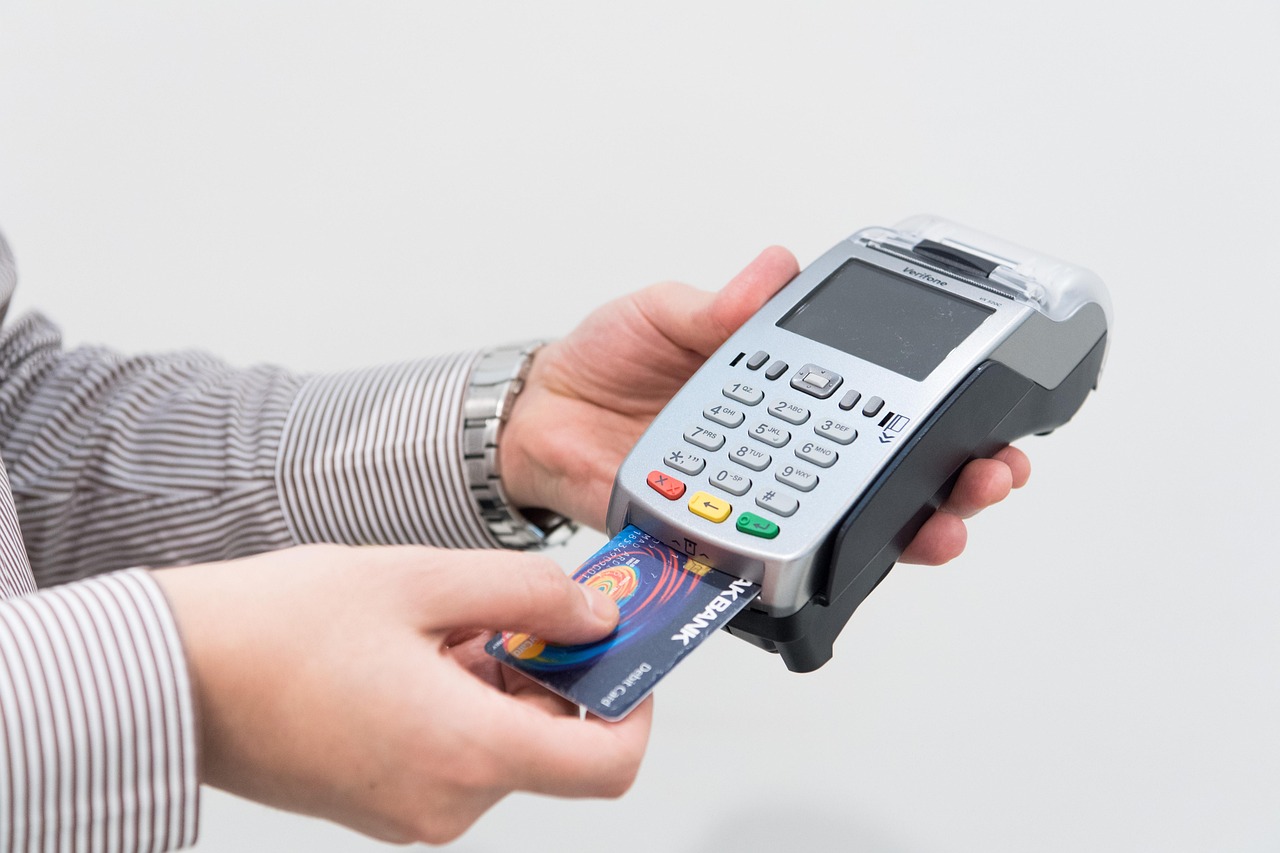
For UK retailers, choosing a till system with genuinely capable stock management built in is one of the most impactful operational decisions you can make. An integrated approach means every sale, return, and supplier delivery automatically updates your inventory in real time — eliminating the spreadsheet juggling, shrinkage blind spots, and costly over-ordering that plague businesses running disconnected systems. This guide explains what to look for, how the technology works in practice, and what you should expect to pay.
Why Stock Management Is Non-Negotiable in a Modern Retail EPOS System
Retailers who treat stock management as an optional add-on tend to discover its importance the hard way: a bestselling line runs out on a Saturday afternoon, a supplier invoice doesn't match what arrived, or an end-of-year stocktake reveals shrinkage that could have been caught months earlier. These are not edge cases — they are the everyday reality of running a shop without proper inventory control.
A retail EPOS system with integrated stock management solves these problems at the point of sale itself. Because the till, the inventory ledger, and the reporting engine share the same data layer, stock levels update the moment a transaction completes. There is no manual re-keying, no lag, and no reconciliation headache. For multi-location retailers, this becomes even more critical: knowing instantly that your Nottingham branch is low on a fast-moving line — while your Leicester store has surplus — is the kind of intelligence that directly protects margin.
UK retailers also operate in an increasingly omnichannel environment. If you sell via a website, a marketplace, or a pop-up alongside your physical shop, unified stock visibility is not a luxury; it is the baseline requirement for avoiding overselling and the reputational damage that follows.

Key Features to Look for in a Retail EPOS System with Inventory Control
Not every system marketed as having "stock management" delivers the same depth of functionality. When evaluating options, look closely at the following capabilities:
Real-Time Stock Depletion and Alerts
- Automatic depletion on sale: stock levels should update the instant a transaction is processed, not in nightly batches.
- Low-stock alerts: configurable thresholds that notify you — or automatically trigger a reorder — before a line runs out.
- Negative stock prevention: a system that flags when stock falls to zero rather than silently continuing to sell.
Supplier and Purchase Order Management
- The ability to raise, send, and track purchase orders directly within the EPOS platform.
- Goods-received notes (GRNs) that reconcile deliveries against orders and immediately update stock on hand.
- Supplier price lists and lead times stored centrally for faster reordering decisions.
Barcode Scanning and Product Variants
- Support for EAN-13, QR, and custom barcodes — essential for receiving deliveries accurately.
- Variant management for products sold in multiple sizes, colours, or configurations, each tracked as a distinct SKU.
Reporting and Analytics
- Stock valuation reports (cost and retail price) for accurate financial records.
- Best-seller and slow-mover analysis to inform buying decisions.
- Shrinkage and wastage tracking, with audit trails that satisfy HMRC record-keeping expectations — for guidance on business record requirements, the GOV.UK website is the authoritative source.
Multi-Location and E-Commerce Integration
- Centralised stock pools across branches, with location-level visibility.
- API or native integration with platforms such as Shopify, WooCommerce, or eBay to synchronise online and in-store inventory.
How EPOS Direct UK's Stock Management Tools Work in Practice
EPOS Direct UK's retail software is purpose-built for UK independent and multi-site retailers, with stock management embedded at the core rather than bolted on as an afterthought. When a cashier processes a sale, the system simultaneously updates stock levels, logs the transaction against the relevant SKU, and — if you have configured a reorder threshold — queues an alert or a suggested purchase order automatically.
Goods received are handled through a dedicated inbound delivery workflow: scan or import items against an open purchase order, confirm quantities, and stock is updated instantly. Any discrepancies between what was ordered and what arrived are flagged for resolution, giving you a clean audit trail. For clothing retailers, gift shops, or hardware stores managing hundreds of variants, the platform's variant matrix allows a single parent product to carry multiple child SKUs — each tracked independently.
The back-office reporting suite lets you run a live stock valuation at any moment, pull a velocity report to see what's selling fastest across a date range, and identify slow-moving stock before it becomes a margin problem. All of this is accessible from a browser, meaning your buyer, your manager, and your accountant can access the data they need without being physically present in the store.
You can explore the functionality in detail through our retail EPOS software demo, or talk to an expert online if you have specific workflow questions before committing to a demo.
Cloud-Based vs. On-Premise Stock Tracking: What UK Retailers Should Know
| Factor | Cloud-Based Stock Management | On-Premise Stock Management |
|---|---|---|
| Data access | Accessible anywhere via browser or app — ideal for multi-site and remote management | Limited to local network unless VPN is configured |
| Updates & maintenance | Automatic software updates; no IT overhead for the retailer | Manual updates required; may need dedicated IT resource |
| Uptime dependency | Requires reliable broadband; good systems include offline mode for sales continuity | Functions without internet; resilient in poor-connectivity locations |
| Cost model | Typically monthly subscription; lower upfront cost | Higher upfront licence cost; lower ongoing fees |
| Scalability | Scales easily — add locations or users without hardware changes | Scaling requires additional hardware and licence purchases |
| Data security | Hosted in UK/EU data centres; subject to UK GDPR compliance obligations | Data stays on-site; retailer manages backup and security |
| Best suited for | Most independent and growing UK retailers | Single-site retailers in locations with unreliable connectivity |
For the majority of UK independent retailers, cloud-based systems now represent the more practical and cost-effective choice. The ability to check stock levels from a phone while at a trade show, or to grant your accountant read-only access without sharing a physical terminal, delivers real operational benefit. If you are weighing up your payment setup alongside this decision, our guide to combining a card machine and till system covers the integration considerations in detail.
What Does a Retail EPOS System with Stock Management Cost in the UK?
This is the question most retailers ask early in their research, and the honest answer is that pricing varies considerably depending on the number of terminals, the depth of features, and whether you choose a subscription or an outright purchase. The following ranges are indicative of the UK market and should be treated as a starting framework for budgeting, not as quotes.
Typical UK Market Ranges (Indicative Only)
- Entry-level cloud subscription (single terminal, basic stock management): typically from around £30–£60 per month, often including software, support, and updates.
- Mid-tier retail package (single terminal, full stock management, reporting, and integrations): most setups fall between £60 and £120 per month.
- Multi-terminal or multi-site deployments: pricing scales per terminal or per location; expect to discuss bespoke pricing with your provider.
- Hardware (till, receipt printer, barcode scanner, cash drawer): a complete hardware bundle typically ranges from around £500 to £1,500 upfront, depending on specification.
- Outright purchase: some retailers prefer to own their software licence outright; our guide to monthly EPOS subscriptions versus outright purchase sets out the trade-offs clearly.
Always confirm what is included in any quoted price: setup fees, training, data migration, and ongoing telephone support are sometimes charged separately. A transparent provider will give you a total cost of ownership figure, not just a headline monthly rate.
To see current retail packages and what is included at each tier, visit our retail EPOS offers page.
Getting Set Up: Implementation, Training and Ongoing Support
The best stock management system in the world delivers little value if it is poorly implemented or if your team does not use it consistently. For UK retailers switching from a cash register or a basic till, the onboarding process matters as much as the software specification.
A well-structured implementation typically involves four stages:
- Product catalogue and stock import: your existing product list, barcodes, and current stock counts are imported — either via CSV upload or assisted data migration. For retailers moving from a legacy system, this is often the most time-intensive step.
- Hardware configuration: till terminals, barcode scanners, receipt printers, and card payment integration are set up and tested before go-live.
- Staff training: till operators need to be confident processing sales, handling returns, and running basic stock queries. Managers need training on purchase orders, reporting, and stocktake tools.
- Go-live and hypercare: the first few days of live trading are the most likely moment for questions to arise; a responsive support team during this period is essential.
If you are currently using a cash register and considering the move to a full EPOS platform, our practical guide on upgrading from a cash register to a modern EPOS system walks through what to expect at each stage. EPOS Direct UK provides UK-based support as standard — no offshore call centres, no chatbot-only helpdesks.
Which UK Retail Businesses Benefit Most from Integrated Stock Control?
Integrated stock management adds value across a wide range of retail formats, but the return on investment is particularly pronounced in the following business types:
- Fashion and clothing boutiques: managing multiple sizes and colourways across dozens of styles demands variant-level stock tracking as a minimum.
- Independent convenience stores and off-licences: high transaction volumes and age-verification requirements make an integrated till and inventory system essential for compliance and efficiency.
- Gift shops and homeware retailers: seasonal buying cycles and a wide SKU range benefit directly from velocity reporting and low-stock alerts.
- Health and beauty retailers: expiry date tracking and batch management are important for compliance; a good EPOS platform should support these workflows.
- Pharmacies: stock management intersects with regulatory requirements around dispensing; if you operate a pharmacy, our pharmacy EPOS software demo covers the specialist features in detail.
- Multi-site independents: any retailer with two or more locations gains an immediate, measurable benefit from centralised stock visibility and inter-branch stock transfers.
If you are a smaller retailer still assessing whether a full EPOS platform is the right step, our buyer's guide to till systems for small businesses provides a useful starting framework alongside the EPOS Direct UK home page, where you can find the latest offers and information across our full product range.
The Direct Answer: What Makes an EPOS System Genuinely Good for Retail Stock Management?
A retail EPOS system delivers genuine stock management value when inventory updates happen automatically at the point of every transaction, when purchase orders and goods-received workflows are handled within the same platform, and when reporting gives buyers and managers the data they need to make purchasing decisions with confidence. Systems that tick all three of these boxes — rather than offering basic stock counting as a peripheral feature — are the ones that tangibly reduce shrinkage, improve cash flow, and remove the administrative burden that holds independent retailers back.
Take the Next Step with EPOS Direct UK
EPOS Direct UK works with independent retailers, multi-site groups, and specialist retail businesses across the United Kingdom, helping them move from disconnected systems to a single, integrated platform that manages sales, stock, and reporting in one place. Our retail EPOS systems are UK-sourced, UK-supported, and configured around how British retailers actually operate.
If you are ready to see the platform in action, request a free demo and one of our retail specialists will walk you through the stock management tools relevant to your business type. Prefer to talk through your requirements first? Request a call back and we will be in touch at a time that suits you.
Written by the EPOS Direct UK team, who support UK retail businesses with EPOS and point-of-sale solutions every day.
Frequently asked questions
- Can I track stock levels across multiple shop locations from one system?
- Yes. A cloud-based EPOS system lets you monitor stock in real time across all your retail locations from a single dashboard. You can transfer stock between sites, set individual reorder points per branch, and run consolidated or site-by-site inventory reports — ideal for UK retailers with two or more shops.
- How much does a retail EPOS system with stock management typically cost in the UK?
- Costs vary depending on hardware and software tier. As a general guide, a single-till setup from EPOS Direct UK can start from around £300–£500 for hardware (touchscreen terminal, receipt printer, barcode scanner), with software plans typically ranging from £30 to £80 per month depending on features such as advanced stock reporting, multi-site support and supplier purchase orders. Many providers, including EPOS Direct UK, offer finance options or bundled packages to spread the cost.
- Will the EPOS system automatically update my stock when I make a sale or receive a delivery?
- Yes — this is one of the core benefits of an integrated retail EPOS. Every sale instantly deducts the sold quantity from your live stock count, and when you book in a delivery against a purchase order, the system adds those units back automatically. You can also set low-stock alerts so the system notifies you when any product drops below your chosen threshold, helping you avoid costly stockouts.
