We use cookies to make your experience better.
To comply with the new e-Privacy directive, you agree to the privacy policy and our use of cookies


The Best EPOS Systems for London Businesses: What to Know Before You Buy
EPOS Systems for London Businesses: Complete Buying Guide
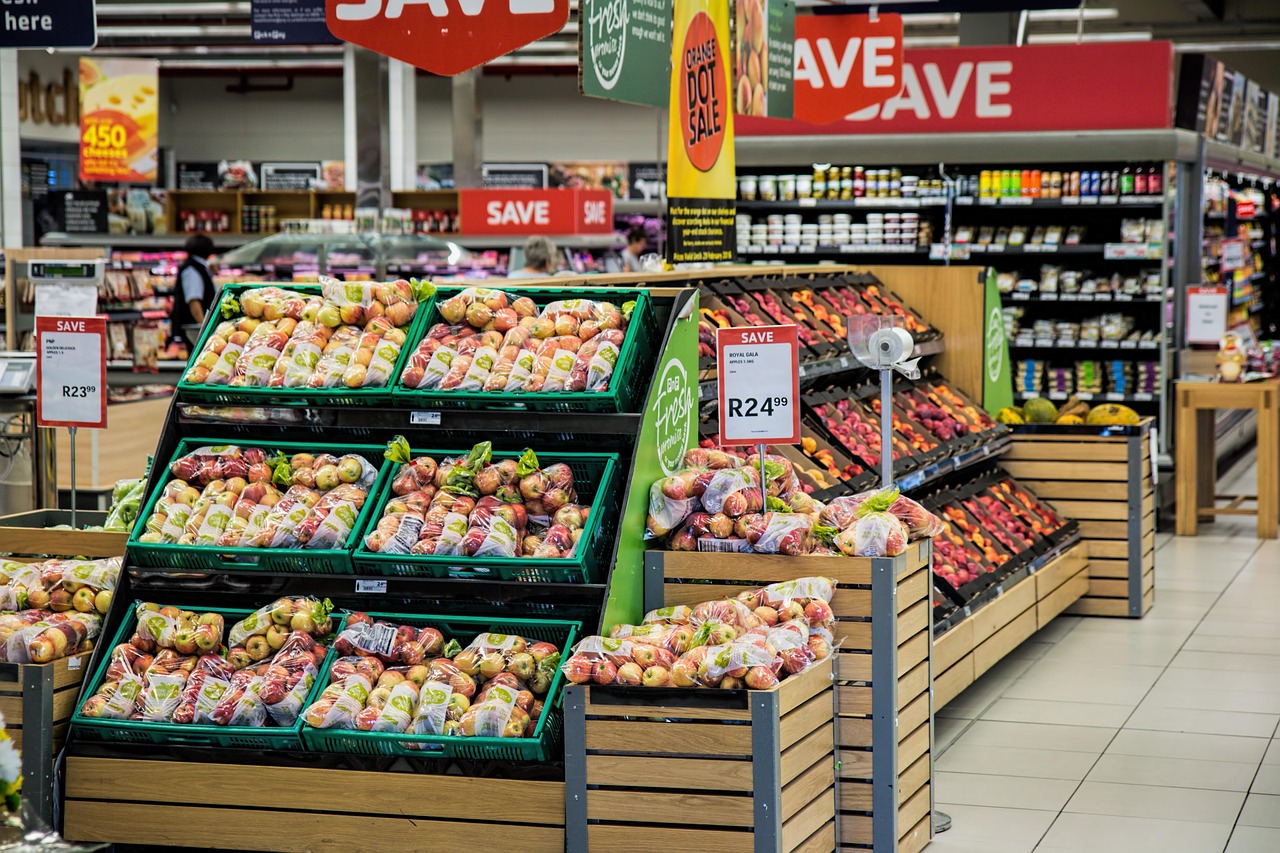
London's retail and hospitality landscape is one of the most competitive in the world — high footfall, demanding customers, complex multi-site operations, and margins that leave little room for inefficiency. A modern electronic point-of-sale system does far more than process payments; it integrates stock control, staff management, loyalty programmes and real-time reporting into a single platform that keeps your business sharp. This guide covers everything a London business owner needs to make a confident, well-informed decision about their next EPOS setup — from key features and honest pricing to cloud vs. traditional architecture and ongoing support expectations.
Written by the EPOS Direct UK team, who work with independent retailers, restaurant groups, pharmacies and multi-site operators across the United Kingdom every day.
Why London Businesses Have Distinct EPOS Requirements
Operating in London introduces pressures that businesses in smaller markets rarely face at the same intensity. Rates and rents are high, so every square foot must earn its keep — clunky hardware that dominates the counter is a liability. Peak trading windows are short and savage: a lunch rush at a Shoreditch café, a Saturday afternoon at a Westfield boutique, or a Friday evening at a Soho restaurant can represent the majority of a week's revenue. The EPOS system sitting at the heart of that trading period must be fast, reliable and able to scale without drama.
London businesses also tend to operate across multiple sites sooner than regional counterparts. A successful concept in Brixton often opens a second location in Hackney within eighteen months. An EPOS platform that cannot consolidate reporting, inventory and customer data across sites becomes a bottleneck rather than an enabler the moment that expansion happens.
Finally, London's workforce is highly transient. Your EPOS must be intuitive enough for new staff to use confidently within a single shift, with role-based permissions that protect margin without slowing service.
Key Features to Look for in a London EPOS System
Not every feature matters equally to every business. The table below maps the most important capabilities to the trading scenarios where they deliver the greatest return:
| Feature | Why It Matters in London | Most Relevant Sector |
|---|---|---|
| Cloud-based real-time reporting | Monitor multiple sites from a single dashboard, anywhere | Retail, Hospitality, Multi-site |
| Integrated card payments | London is near-cashless; frictionless checkout is non-negotiable | All sectors |
| Stock and inventory management | High SKU counts, fast-moving lines and supplier lead times demand accuracy | Retail, Pharmacy |
| Table and floor management | Complex covers, split bills and service-charge handling for busy venues | Restaurant, Café, Bar |
| Online ordering / delivery integration | Aggregator platforms are a significant revenue channel across London | Hospitality, QSR |
| Customer loyalty and CRM | Repeat footfall is harder to earn in a competitive city; retention pays | Retail, Hospitality |
| Scalable multi-site architecture | Supports growth without re-platforming | All sectors |
| Role-based access and staff clock-in | High staff turnover requires tight permissions and payroll accuracy | Hospitality, Retail |
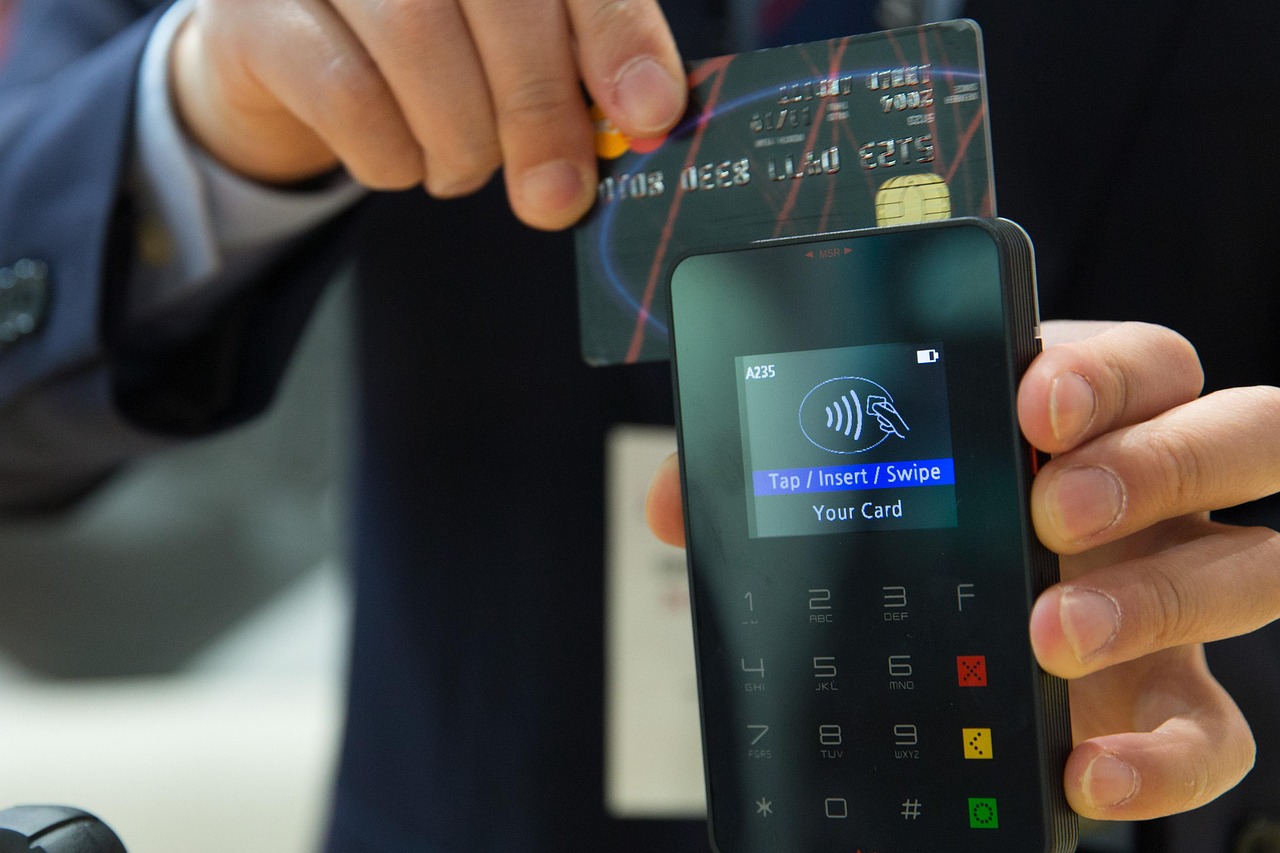
If integrated card acceptance is a priority — and in London it almost always is — our guide to combining a card machine and till system explains exactly how unified payment hardware simplifies reconciliation and speeds up the customer journey.
EPOS Solutions for London Retailers vs Hospitality Venues
Retail
A retail EPOS needs to be anchored in inventory accuracy. London retailers — whether a flagship fashion boutique, a neighbourhood pharmacy or a gift shop near a major attraction — typically handle hundreds or thousands of product lines with variable pricing, seasonal promotions and supplier relationships to manage. The critical integrations are barcode scanning, purchase-order management, e-commerce synchronisation and customer loyalty. If you run a clothing or fashion retail business, our dedicated resource on the best EPOS systems for clothing shops covers the specific requirements in depth.
Ready to see retail software in action? Book a retail EPOS software demo and see how the platform handles your exact product catalogue and pricing rules.
Hospitality and Restaurants
Restaurant and bar EPOS platforms are built around speed, communication and margin protection. Kitchen display systems (KDS), course-by-course ordering, allergen flagging, split bills, service-charge automation and integration with reservation systems are the features that separate a hospitality-grade system from a generic till. Delivery aggregator integration — connecting platforms such as Deliveroo and Uber Eats directly into the POS — has become a baseline requirement for most London food businesses rather than a premium add-on.
To see how these features work in practice, request a restaurant EPOS software demo tailored to your service style and covers.
Pharmacies and Specialist Retailers
Pharmacies in London face additional layers of compliance and product-management complexity — controlled drugs, NHS prescription workflows, patient records and age-verification requirements. A general-purpose retail EPOS is rarely sufficient; purpose-built pharmacy software with the right integrations is essential. Explore our pharmacy EPOS software demo to understand how specialist functionality is handled.
How Much Does an EPOS System Cost in London?
One of the first questions any business owner reasonably asks is what a complete setup will cost. The honest answer is that pricing varies significantly based on hardware configuration, software tier, number of terminals and whether you opt for an outright purchase or a monthly subscription model. The figures below are indicative ranges based on typical UK market pricing — they are guidance, not quotes, and your actual investment will depend on your specific requirements.
- Entry-level single terminal (small independent): software subscriptions typically start from around £30–£60 per month, with hardware bundles (touchscreen terminal, receipt printer, card reader) available from approximately £500–£1,000 as a one-off purchase, or folded into a monthly package.
- Mid-range setup (established single-site retailer or restaurant): a fully configured system with integrated payments, kitchen display and back-office software commonly falls in the range of £80–£150 per month on a subscription, or £1,500–£3,000+ for hardware if purchased outright.
- Multi-site or enterprise configurations: costs scale with terminal count and feature requirements; businesses operating three or more sites should expect to discuss bespoke pricing based on their exact footprint.
For small businesses focused on keeping costs lean, our guide to the most affordable EPOS systems for small UK businesses provides a practical breakdown of where you can save without compromising capability. You may also want to explore options for a card machine with no monthly fee if minimising recurring costs is a priority.
Cloud-Based vs Traditional EPOS: Which Is Right for Your London Business?
The most significant architectural decision any business faces is whether to deploy a cloud-based system or a traditional server-based (on-premise) setup. For most London businesses opening or upgrading today, cloud-based is the default-sensible choice — but the reasoning matters.
Cloud-Based EPOS
- Data is accessible in real time from any device with a browser — ideal for owners managing multiple sites across the city
- Software updates deploy automatically, reducing IT overhead
- Lower upfront hardware cost; scalable by adding licences rather than servers
- Offline mode (available on quality platforms) ensures trading continues if the internet drops
Traditional / On-Premise EPOS
- All data stored locally — some operators prefer this for compliance or connectivity reasons
- Typically higher upfront cost; ongoing maintenance falls to the operator or a service contract
- Less flexible for remote access and multi-site consolidation
- Still appropriate for very specific regulated environments where local data sovereignty is required
For a broader look at the considerations around software architecture and platform selection, explore our EPOS software overview which covers the full range of deployment options in detail.
What to Expect from Installation, Training and Ongoing Support
Hardware and software are only part of the equation. A system that is poorly installed or inadequately supported will cost you far more in downtime and lost sales than any initial saving on the subscription. These are the questions worth asking any provider before you sign:
- Do they offer on-site installation in London? Configuring a multi-terminal restaurant or retail setup remotely is rarely satisfactory. A provider with engineers who can attend your site matters.
- What does the training programme cover, and how is it delivered? Look for structured onboarding — ideally a combination of hands-on training at the point of installation and recorded resources your team can revisit during staff changeover.
- What are the support hours, and what is the response SLA? If your restaurant trades until midnight on a Saturday and the support line closes at 5pm, that is a meaningful risk. Confirm that support hours align with your trading pattern.
- Is there a dedicated account manager or do you join a ticket queue? For growing London businesses, having a named contact who understands your setup accelerates problem resolution significantly.
For small businesses navigating these decisions for the first time, our practical buyer's guide to till systems for small businesses covers the support and onboarding questions in greater depth.
Choosing the Right EPOS Partner for Your London Business
The EPOS market is crowded with providers — from global software platforms to regional hardware resellers — and distinguishing genuine capability from polished marketing takes effort. When evaluating any provider, the practical criteria that matter most are: the depth of the software feature set for your specific sector, the quality and reliability of integrated payment processing, the provider's track record with businesses of similar size and type to yours, and the honesty of their pricing structure (setup fees, transaction fees, support costs — all of these should be transparent before you commit).
EPOS Direct UK works with independent businesses and growing groups across all major sectors, providing hardware, software and integrated payments as a complete, supported solution. You can browse more information and current offers on the EPOS Direct UK home page, or dive straight into sector-specific configurations via our retail EPOS offers or hospitality and restaurant EPOS offers.
If you are exploring options for a smaller or newer operation, our complete guide to EPOS systems for small businesses is a useful starting point before requesting a personalised recommendation.
Take the Next Step with EPOS Direct UK
Getting the right EPOS setup is one of the highest-leverage investments a London business can make. The right system reduces errors, accelerates service, protects margin and gives you the data to make faster, better decisions — whether you run a single site or are planning your fifth location.
EPOS Direct UK offers free, no-obligation demonstrations tailored to your sector and trading model. Request a free demo and see the platform working with your own products and workflows, or talk to an expert online if you have specific questions about hardware, software or integrated payments. Prefer a conversation? Request a call back and a member of the team will be in touch at a time that suits you.
Frequently asked questions
- How much does a good EPOS system cost for a small London shop or café?
- For a small single-site business in London, a complete EPOS setup typically costs between £300 and £900 for entry-level hardware (touchscreen till, receipt printer and card reader). Monthly software licences usually run from £25 to £75 per month depending on features. Larger hospitality venues with kitchen display systems or multiple terminals can expect to invest £1,500 to £5,000 or more. EPOS Direct UK offers transparent pricing with no hidden fees — request a tailored quote to get an accurate figure for your setup.
- Can I get an EPOS system installed and set up at my London premises?
- Yes. EPOS Direct UK provides on-site installation and configuration across London and the wider UK. Our engineers handle hardware setup, software configuration, menu or product loading, and staff training so your team is confident from day one. Remote support is also available for ongoing queries.
- Which EPOS system works best for busy London hospitality venues like restaurants and bars?
- Hospitality venues in London benefit most from systems that support table management, kitchen display screens, split billing and integrated contactless payments. Cloud-based EPOS platforms are particularly popular because owners can monitor sales and stock in real time from any device. EPOS Direct UK specialises in hospitality-grade hardware and software that handles high transaction volumes without slowing down service.
