We use cookies to make your experience better.
To comply with the new e-Privacy directive, you agree to the privacy policy and our use of cookies


The Complete Guide to Choosing an EPOS Till System for Your Clothing Shop
The Complete Guide to Choosing an EPOS Till System for Your Clothing Shop
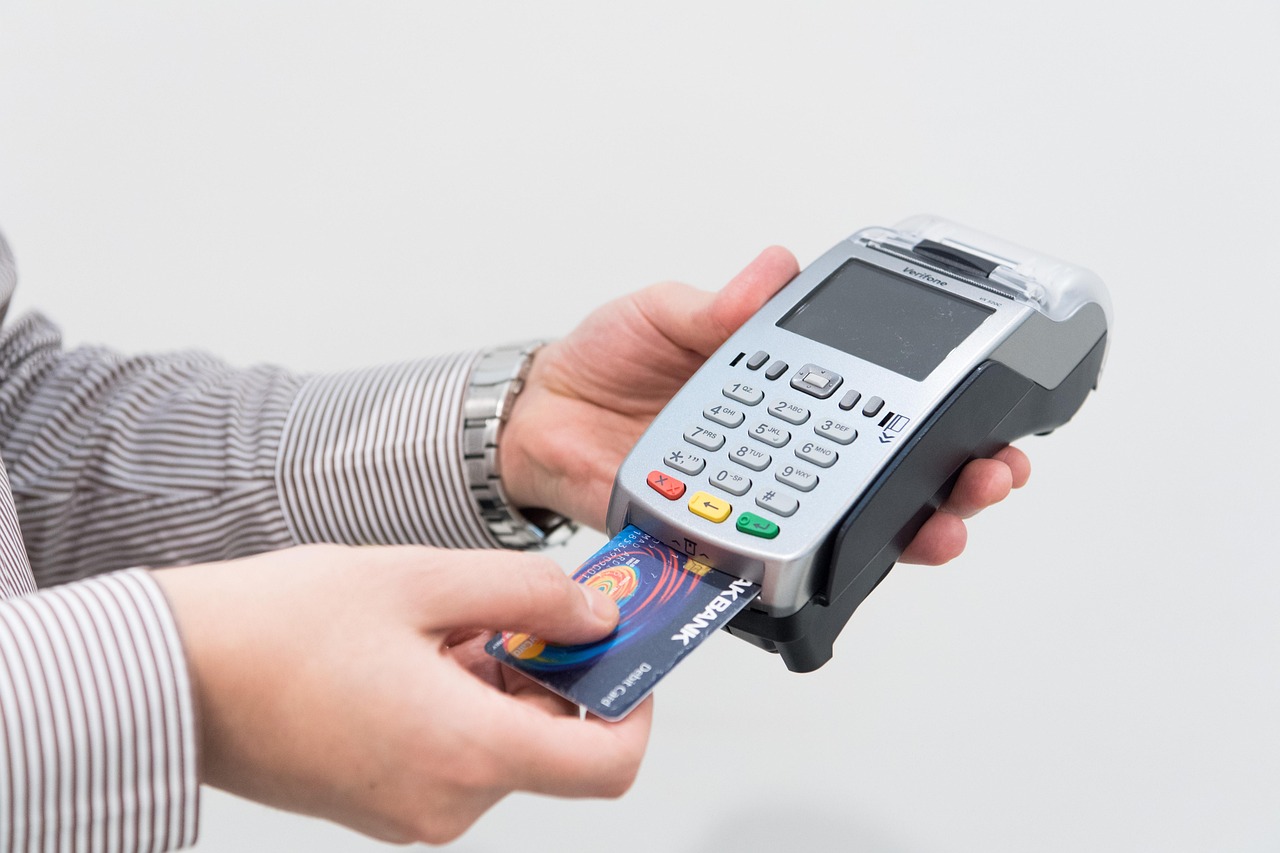
Choosing the right till system for a clothing shop is one of the most consequential decisions an apparel retailer will make — and the requirements are meaningfully different from those of a café, pharmacy or general retail store. A purpose-built EPOS system handles the complexity that defines fashion retail: multiple sizes, colourways, seasonal stock rotations, integrated card payments and seamless returns. This guide walks you through every consideration, from core features to honest cost expectations, so you can invest with confidence.
Why Clothing Shops Need a Specialist Retail EPOS System
A generic till does a passable job of recording a sale. What it cannot do is track that a medium navy blazer and a size-8 floral dress are two entirely distinct stock-keeping units that happen to share a product family. In fashion retail, every combination of size, colour and fit is its own SKU — and without software built around that reality, stock counts become unreliable within weeks.
Beyond inventory, clothing retailers face operational pressures that a specialist system addresses directly:
- High return and exchange rates — fashion customers return garments more frequently than buyers of most other goods, so a till must process refunds, exchanges and store credits cleanly without creating accounting errors.
- Seasonal range management — spring/summer and autumn/winter stock must be brought in, tracked and cleared down efficiently, often with promotional pricing applied to end-of-season lines.
- Multi-location stock visibility — boutiques with more than one site, or those selling online alongside their physical shop, need real-time inventory synchronisation so staff are never selling stock that does not exist.
- Loyalty and customer relationship data — knowing which customers buy which styles, sizes and brands gives clothing retailers a genuine competitive edge when it comes to personalised promotions.
For a broader look at how specialist systems compare across the UK retail landscape, the best EPOS systems for clothing shops in the UK resource covers the key differences in detail.
Key Features to Look For in a Clothing Retail EPOS System
Not every EPOS system marketed at retailers has been designed with apparel in mind. When evaluating options, prioritise the following capabilities.
Variant and Matrix Inventory
A clothing EPOS must allow a single product (say, a cable-knit jumper) to be set up with a matrix of attributes — size, colour, length — so each combination generates its own barcode and stock level automatically. Systems that require manual duplication of product records for every variant are impractical at scale.
Integrated Barcode Scanning and Label Printing
Speed at the till matters during busy periods. A system that integrates with a barcode scanner and prints swing tags or shelf labels in-house saves significant time and reduces pricing errors.
Promotions and Discount Engine
Clothing shops run a greater variety of promotions than most retail categories — percentage-off selected lines, buy-two-get-one, end-of-season reductions, VIP customer discounts. Your EPOS should apply these automatically at the point of sale, with an audit trail that satisfies your accountant.
Customer Profiles and Loyalty
The ability to attach a sale to a named customer, record their size preferences and purchase history, and issue points or rewards is increasingly expected by shoppers and straightforward to implement in a well-designed system.
Reporting and Analytics
The reports that matter most to a clothing retailer are sell-through rate by variant, stock-turn by category, and margin analysis by supplier. Generic "sales reports" are not sufficient — look for apparel-specific reporting that surfaces actionable decisions.
If you are evaluating options as a small independent boutique, the practical buyer's guide to till systems for small businesses offers complementary guidance on what to prioritise at different stages of growth.
How Inventory Management Works for Apparel: Sizes, Colours and Variants
This is the area where clothing retail diverges most sharply from general retail, and it is worth understanding in practical terms before you commit to a system.
A well-structured apparel EPOS creates a parent product — "Women's Linen Trousers, Navy" — and then generates child SKUs for every size variant: XS, S, M, L, XL. Each child SKU holds its own stock level, its own barcode and, if needed, its own price. When a size 12 pair is sold, only that child SKU decrements. The parent record shows the aggregated stock position and the sell-through by variant, so a buyer can see at a glance that size 14 is running low while size 8 remains overstocked.
This matrix approach also enables intelligent re-ordering. Rather than noticing a gap on the rail and guessing what to reorder, the EPOS flags which specific variants have fallen below a minimum threshold — and in some systems can generate a purchase order draft automatically.
Stock Takes and Cycle Counts
Physical stock counts in clothing retail are time-consuming because of the sheer number of SKUs. A system that supports mobile stock-taking — using a tablet or handheld scanner to count stock on the shop floor without closing — reduces the disruption considerably. Look for the ability to run partial (cycle) counts by category or rail, rather than requiring a full store count each time.
Integrated Payments, Receipts and Returns for Fashion Retailers
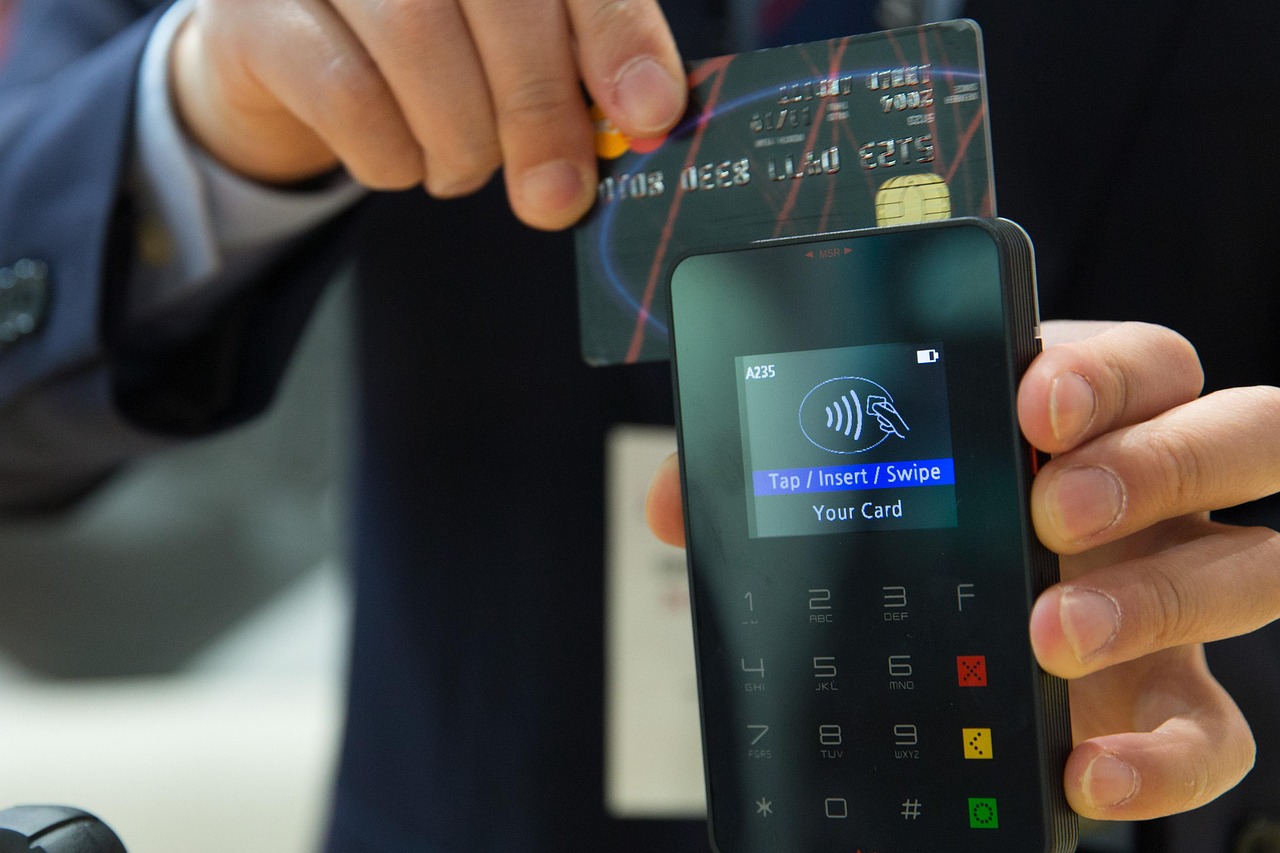
The payment experience is the last impression a customer takes away from your shop, and in modern clothing retail it needs to be seamless. Contactless, chip and PIN, and mobile wallet payments (Apple Pay, Google Pay) are baseline expectations — but the integration between your card terminal and your till software matters just as much as the hardware itself.
A fully integrated setup means the sale total passes automatically from the EPOS to the card reader; the customer taps or inserts once; the payment confirmation passes back to the till and triggers the receipt — all without the staff member re-keying an amount. This eliminates the single most common cause of end-of-day discrepancies in retail.
For boutiques considering their card acceptance options, the guide to combined card machine and till systems explains how integrated setups work in practice and what to ask your provider. If wireless flexibility is a priority — useful for pop-up events, trunk shows or larger shop floors — the guide to wireless card machines for small businesses covers the key considerations.
Handling Returns and Exchanges
A returns process that requires a manager override for every refund creates queues and erodes customer trust. A well-configured clothing EPOS allows authorised staff to process a return against the original transaction, apply a refund to the original payment method or issue a store credit, and automatically reinstate the correct variant to stock — all in under a minute.
Cloud-Based vs. On-Premise EPOS: Which Is Right for Your Boutique?
This is one of the questions independent clothing retailers ask most frequently, and the answer depends on your priorities rather than a universal preference.
| Consideration | Cloud-Based EPOS | On-Premise EPOS |
|---|---|---|
| Access to data | Anywhere, any device — ideal for owners who travel between sites or work remotely | Local network only unless additional remote access is configured |
| Software updates | Automatic, included in subscription — always on the latest version | Manual or scheduled; may carry an update fee |
| Internet dependency | Requires a stable connection; good systems include offline mode for resilience | Operates independently of the internet; more resilient in poor-connectivity areas |
| Upfront cost | Lower — typically a monthly subscription model | Higher upfront licence and installation cost |
| Multi-site scalability | Straightforward — add a new location without new servers | Requires additional infrastructure per site |
| Data ownership | Data held with provider — check data residency and export rights in contract | Data held locally — full ownership and control |
For most independent clothing boutiques and small chains operating in the UK today, a cloud-based system offers the better balance of flexibility, low upfront cost and ease of management. On-premise solutions remain appropriate where internet reliability is genuinely poor or where a retailer has specific data governance requirements.
You can explore the EPOS Direct retail software demo to see how a cloud-based clothing retail solution performs in practice before making any commitment.
EPOS Till System Costs for UK Clothing Retailers: What to Expect
Pricing varies meaningfully depending on the number of till points, the software tier, whether hardware is purchased outright or leased, and which payment integration is selected. The figures below are honest indicative ranges typical for the UK market — not quotes — and your actual cost will depend on your specific configuration.
Indicative Cost Ranges
- Entry-level single-till setup (tablet, stand, receipt printer, barcode scanner, basic software): typically from around £500–£800 for hardware, with software subscriptions from approximately £30–£60 per month depending on features.
- Mid-range boutique setup (dedicated touchscreen terminal, integrated card reader, label printer, full apparel-variant inventory software): hardware typically in the region of £1,000–£2,000 per till point, with software from approximately £60–£120 per month per location.
- Multi-site or advanced setups (multiple tills, back-office reporting, loyalty module, e-commerce integration): costs scale accordingly; most established boutiques with two or three sites budget between £150 and £300 per month in total software costs, with hardware costs negotiated per project.
Transaction fees on card payments are a separate consideration and depend on your card acceptance provider and monthly volume — always confirm these independently. If keeping monthly overheads lean is a priority, the guide to card machines with no monthly fee outlines the options worth considering alongside your EPOS investment.
For a thorough comparison of budget-conscious options, the most affordable EPOS systems for small businesses in the UK sets out what genuine value looks like at different price points.
A good provider will always offer a transparent, itemised quote. If a quotation lacks clarity on ongoing software costs, payment processing fees or support charges, treat that as a warning sign.
Why UK Clothing Shops Choose EPOS Direct for Their Till Systems
EPOS Direct is a UK-based EPOS specialist with deep experience supporting independent clothing boutiques, fashion chains and multi-site apparel retailers. Unlike generalist technology resellers, EPOS Direct's team understands the specific operational challenges of clothing retail — from variant matrix setup and seasonal stock management to integrated payment processing and loyalty programmes — and configures systems to match the reality of how clothing shops actually work.
Retailers working with EPOS Direct benefit from:
- Purpose-built retail EPOS software with full apparel-variant inventory management
- UK-based support from a team that understands clothing retail operations
- Flexible hardware options — outright purchase or managed packages — to suit different capital budgets
- Integrated card payment solutions with no hidden fees or surprise contract terms
- Scalable cloud architecture that grows from a single boutique till to a multi-site retail operation without changing platform
You can explore the full range of options and current packages on the EPOS Direct home page, or go directly to the retail EPOS offers page to see what is available for clothing and fashion retailers right now. For a broader overview of how EPOS Direct supports UK businesses across sectors, the complete guide to EPOS Direct and POS systems for UK businesses is a useful reference.
The Direct Answer: What Makes an EPOS System Right for a Clothing Shop?
A till system is right for a clothing shop when it handles multi-attribute product variants (size, colour, fit) natively, maintains accurate stock levels at the SKU level, processes returns and exchanges cleanly, and integrates fully with your card payment terminal — all within a reporting environment that tells you precisely what is selling, what is not and where your margin is being made. Those four capabilities, taken together, are what separates a purpose-built apparel EPOS from a generic retail till.
Ready to Upgrade Your Clothing Shop's Till System?
The right EPOS system will pay for itself through tighter stock control, faster transactions and better buying decisions — often within the first trading season. EPOS Direct's UK retail specialists are on hand to help you identify the right configuration for your boutique, whether you are opening your first shop or replacing an ageing system across multiple locations.
Talk to an EPOS expert online for straightforward, no-pressure guidance, or request a free demo to see the software working with a real clothing retail dataset before you commit to anything. If you would prefer a conversation at a time that suits you, you are welcome to request a call back from the EPOS Direct team.
Written by the EPOS Direct UK team, who support independent clothing boutiques and fashion retailers across the United Kingdom with purpose-built EPOS and POS solutions every day.
Frequently asked questions
- Can an EPOS system handle clothing variants like sizes and colours?
- Yes. A good clothing retail EPOS system lets you create a single product with multiple variants — for example, a dress available in sizes 8 to 18 across five colours. Each variant gets its own barcode, stock level, and sales history, so you always know exactly what's selling and what needs reordering without manual counting.
- How much does an EPOS till system typically cost for a UK clothing shop?
- For a single-till setup in a UK clothing boutique, you can expect to pay roughly £300 to £800 for hardware (touchscreen terminal, barcode scanner, and receipt printer) plus a monthly software subscription starting from around £30 to £60 per month depending on features. Multi-location or larger stores will pay more. EPOS Direct UK offers flexible bundles and finance options, so it's worth requesting a tailored quote based on your specific needs.
- Will an EPOS system help me manage sale periods and discount promotions?
- Absolutely. Most modern EPOS systems designed for clothing retail include built-in promotions engines that let you apply percentage or fixed-amount discounts, set time-limited sale prices across product categories, and run loyalty schemes. This means you can launch your end-of-season sale or a weekend flash promotion in minutes, with accurate reporting on the uplift it generates.
