We use cookies to make your experience better.
To comply with the new e-Privacy directive, you agree to the privacy policy and our use of cookies


How a Till System Works: A Complete Guide for UK Retailers and Hospitality Businesses
How a Till System Works: Everything UK Businesses Need to Know

A till system is the operational heartbeat of any retail or hospitality business — the central point where sales are recorded, payments are accepted, stock is updated, and customer data is captured, all in a single transaction. Modern EPOS (Electronic Point of Sale) till systems do far more than simply open a cash drawer; they integrate hardware, software, and payment processing into one cohesive platform that informs every business decision you make. Whether you are opening your first shop or upgrading from an ageing legacy setup, understanding how these systems work will help you choose with confidence.
What Is a Till System and What Does It Actually Do?
At its simplest, a till system is the combination of hardware and software that allows a business to process sales transactions. In its most basic form — the kind you might find in a small independent café — this could be a tablet, a card reader, and a receipt printer. In a larger retail environment, it might encompass multiple checkout terminals, integrated stock management, loyalty programmes, and real-time cloud reporting accessible from anywhere in the world.
The term "EPOS system" is often used interchangeably with "till system," though EPOS specifically refers to the electronic, software-driven nature of the platform. Where an old mechanical till simply recorded cash, an EPOS till captures rich transaction data — what was sold, when, by whom, at what margin, and to which customer — and feeds that intelligence back into your business operations automatically.
For a broader overview of how EPOS platforms are evolving for UK businesses, the complete guide to EPOS and POS systems for UK businesses is an excellent starting point.
Key Components of a Modern EPOS Till System
A complete till setup typically combines several hardware components with a central software platform. Understanding each element helps you assess what you actually need — and avoid paying for what you do not.
Hardware
- Touchscreen terminal or tablet: The primary interface for staff. Most modern systems use a 10–15 inch touchscreen display running dedicated EPOS software.
- Cash drawer: Triggered automatically when a cash transaction is completed. Still essential even in increasingly cashless environments.
- Receipt printer: Thermal printers are standard; many systems also support email or SMS receipts to reduce paper waste.
- Barcode scanner: Critical for retail — speeds up checkout and feeds directly into stock management.
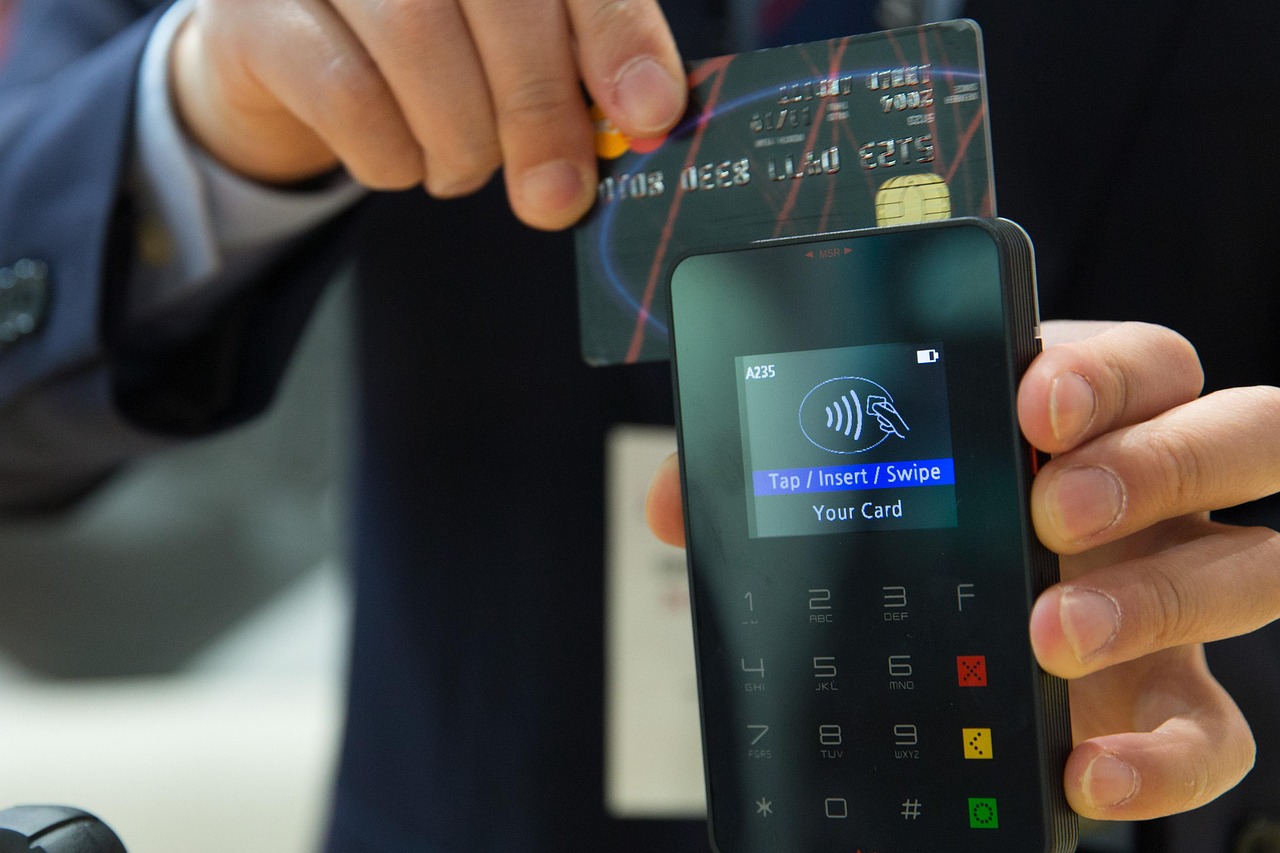
- Card payment terminal: Integrated card machines ensure payment data flows directly into your EPOS records. See our guide on combining a card machine and till system for everything you need to know about this integration.
- Kitchen display system (KDS) or kitchen printer: Restaurant-specific hardware that routes orders from the front of house directly to the kitchen without paper tickets.
Software
The software layer is where the real value lies. A quality EPOS platform handles sales processing, stock management, staff permissions, customer records, reporting, and integrations with accounting tools such as Xero or QuickBooks. Explore EPOS Direct's EPOS software to see how a purpose-built platform handles these functions in practice.
How a Till System Processes a Sale from Start to Finish
The transaction journey is more sophisticated than most business owners realise, and understanding it helps you appreciate why integration matters so much.
- Item selection: A barcode is scanned or a product is selected on the touchscreen. The software retrieves the price, applies any active promotions, and adds the item to the basket.
- Basket review: The cashier or customer reviews the order. Discounts, loyalty points, or split payments can be applied at this stage.
- Payment processing: The customer pays — by card, cash, or contactless — and the payment terminal or cash drawer responds accordingly. Card payments are authorised in seconds via an encrypted connection to the payment processor.
- Receipt generation: A receipt is printed, emailed, or dismissed, depending on preference.
- Stock update: The sold item is automatically deducted from inventory. If stock falls below a set threshold, the system can trigger a reorder alert.
- Reporting update: The transaction is logged in real time against the day's sales totals, staff performance metrics, and end-of-day reports.
This seamless loop — from item selection through to stock and reporting — is what separates a modern EPOS till from a simple cash register. Every sale generates data that makes your next business decision a little sharper.
Cloud-Based vs Traditional Till Systems: What's the Difference?
One of the most important decisions you will make is whether to opt for a cloud-based or a locally installed (sometimes called "legacy" or "server-based") system.
| Feature | Cloud-Based EPOS | Traditional / Server-Based EPOS |
|---|---|---|
| Data storage | Hosted remotely; accessible anywhere | Stored on-site server |
| Software updates | Automatic, rolled out by provider | Manual updates; may incur cost |
| Internet dependency | Requires connection; offline mode varies | Operates fully offline |
| Remote reporting | Yes — from any device, any location | Limited or not available |
| Upfront cost | Lower — typically subscription-based | Higher — licence and server hardware |
| Scalability | Easily add terminals or locations | Requires hardware investment to scale |
| Best suited to | Most UK SMEs; multi-site operators | Businesses with unreliable broadband |
For the vast majority of UK businesses, cloud-based EPOS is now the default recommendation. The flexibility, lower entry cost, and real-time data access make it the more commercially intelligent choice — provided you have a reliable broadband or 4G connection.
Must-Have Features for Retail vs Hospitality Till Systems
The right feature set depends entirely on your sector. A fashion boutique and a busy restaurant share almost no operational requirements, and a good EPOS provider will configure your system accordingly.
Retail priorities
- Robust stock management with variant tracking (size, colour, style)
- Barcode scanning and label printing
- Customer loyalty and CRM tools
- Multi-channel selling (linking in-store and online inventory)
- End-of-day cash reconciliation reports
Clothing retailers in particular benefit from systems built with product variants and seasonal stock in mind — our dedicated guide to EPOS systems for clothing shops in the UK covers these requirements in detail.
If you would like to see how retail software performs in practice, you can book a retail EPOS software demo at no cost or obligation.
Hospitality priorities
- Table management and floor-plan view
- Course-by-course order routing to kitchen displays or printers
- Split bills, tab management, and covers tracking
- Allergen and modifier prompts on menu items
- Integration with reservation platforms and delivery aggregators
Restaurant operators can explore functionality hands-on through a restaurant EPOS software demo tailored specifically to food-service environments.
How Much Does a Till System Cost in the UK?
Cost is one of the most searched questions in this space, and the honest answer is that pricing varies significantly based on hardware configuration, software tier, and the size of your operation. The figures below are indicative market ranges to help you budget — not formal quotes.
- Entry-level single-terminal setup (tablet + card reader + software): typically from around £300–£500 upfront for hardware, with software subscriptions from approximately £20–£50 per month.
- Mid-range retail or hospitality setup (dedicated terminal, scanner, receipt printer, cash drawer, integrated card machine): hardware typically in the £600–£1,200 range per terminal, with software from around £50–£100 per month depending on features.
- Multi-terminal or multi-site systems: costs scale with the number of terminals and locations; software is often priced per terminal or as a tiered site licence. Most growing SME setups fall between £100 and £250 per month for software across multiple tills.
- Payment processing fees: separate from system costs, card transaction fees typically range from around 1.0% to 1.75% per transaction for most UK SMEs, depending on your payment provider and card volumes.
For businesses where cost is a primary concern, our guide to the most affordable EPOS systems for small businesses in the UK provides practical, budget-conscious guidance. Some operators also explore card machines with no monthly fee as part of a lower-overhead payment strategy.
How to Choose the Right Till System for Your Business
With hundreds of systems on the market, narrowing the field requires a clear decision framework. Here are the criteria that genuinely matter.
Start with your sector and transaction volume
A system that excels in a busy gastropub will not necessarily suit a pharmacy or a clothing boutique. Define your core operational requirements first — stock complexity, table service, prescription management — and filter from there. Pharmacies, for instance, have unique compliance and product-management needs; a pharmacy EPOS software demo will show you the specific tools designed for that environment.
Assess the total cost of ownership
Look beyond the headline hardware price. Factor in monthly software fees, payment processing rates, training, onboarding support, and the cost of hardware replacement or expansion. A slightly higher monthly subscription that includes dedicated UK support and free software updates often works out cheaper than a lower-cost system with expensive add-ons.
Demand UK-based support
Till systems fail at the worst moments — a Saturday afternoon in December, a full restaurant on a Friday night. Ensure your provider offers genuine UK-based telephone or live-chat support during your trading hours. This is a non-negotiable criterion that many buyers overlook until it is too late.
Verify integration capabilities
Your EPOS system should connect cleanly with your accounting software, your e-commerce platform if applicable, and your payment terminals. Disconnected systems create manual data entry, which creates errors.
Consider scalability
Even if you are opening a single site today, choose a platform that can grow with you. Adding a second location, an online store, or a self-service kiosk should be a configuration exercise, not a system replacement. Our complete guide to EPOS systems for small businesses explores how to choose a platform with room to grow. You will also find further guidance and current offers on the EPOS Direct UK home page.
If you are a small business owner still evaluating your options, the practical buyer's guide to till systems for small businesses is designed precisely for your stage of the journey.
Getting the Decision Right
A till system is not simply a piece of equipment — it is an operational platform that will shape the daily rhythm of your business for years. The right choice reduces friction at the point of sale, gives you accurate data to act on, and grows with you as your business evolves. The wrong choice costs you time, money, and the frustration of working around a system that was never quite right for your needs.
EPOS Direct UK works with retailers, restaurateurs, and independent businesses across the United Kingdom to match the right system to the right operation — not to sell the most expensive configuration, but to find the one that fits. To see the platform in action, request a free demo at no obligation, or if you have specific questions about your setup, talk to an expert online today.
Written by the EPOS Direct UK team, who help UK businesses across retail, hospitality, and specialist sectors find, configure, and get the most from their EPOS and POS systems every day.
Frequently asked questions
- What is the difference between a cash register and a till system?
- A cash register simply records sales and holds cash, whereas a modern till system — also called an EPOS system — connects sales, stock management, receipts, and payment processing in one place. EPOS till systems give you real-time reports, integrate with card readers, and can be managed remotely via the cloud, making them far more powerful for growing UK businesses.
- How much does a till system cost for a small UK business?
- In the UK, a basic single-terminal till system typically starts from around £300–£600 for hardware (touchscreen, receipt printer, and card reader), with software subscriptions ranging from £20 to £80 per month depending on features. A full EPOS bundle with multiple peripherals for a small retail shop or café can cost £800–£1,500 upfront, though many providers like EPOS Direct UK offer flexible payment options to spread the cost.
- Do I need an internet connection for my till system to work?
- Most modern cloud-based till systems require a broadband connection to sync data in real time, but many are designed to work offline and sync automatically once reconnected. If your business is in an area with unreliable connectivity, look for an EPOS system that offers a robust offline mode so you never lose a sale.
