We use cookies to make your experience better.
To comply with the new e-Privacy directive, you agree to the privacy policy and our use of cookies


Guide Epos System — Complete 2026 Guide
Guide Epos System — Complete 2026 Guide
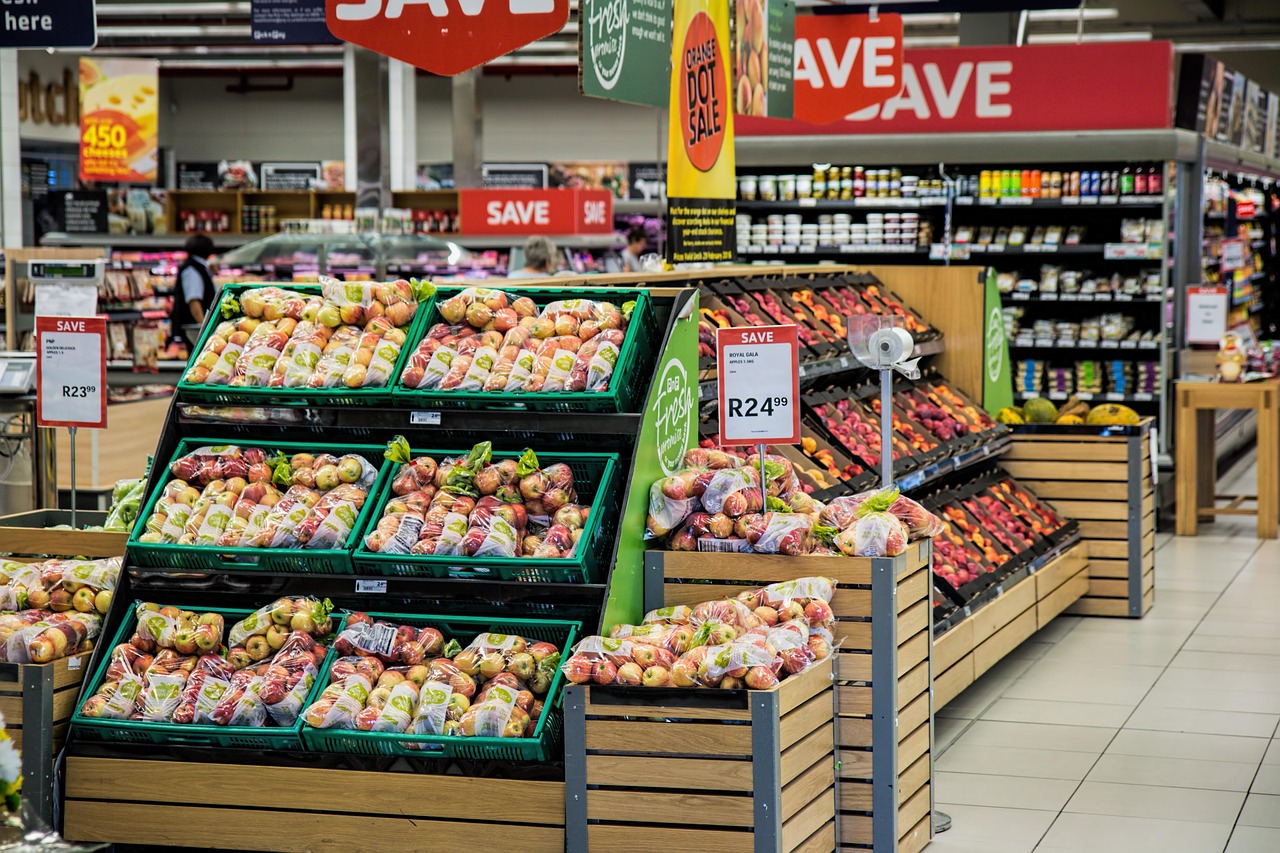
An EPOS system — Electronic Point of Sale — is far more than a modern cash register. It is the operational backbone of a retail shop, restaurant, pharmacy or hospitality venue: processing payments, managing stock, tracking staff performance and generating the financial reports that inform every serious business decision. Choosing the right system requires structured thinking, honest comparison and a clear understanding of your own operation — and this guide walks you through every stage of that process.
Written by the EPOS Direct UK team, who work with retailers, restaurateurs and independent business owners across the United Kingdom every day.
What an EPOS System Actually Does
At its core, an EPOS system combines point-of-sale hardware — a touchscreen till, receipt printer, barcode scanner and card reader — with software that records every transaction and connects it to wider business processes. Unlike a simple card terminal, a well-specified EPOS solution gives you:
- Real-time stock control — inventory levels update automatically with each sale, reducing shrinkage and overordering.
- Integrated payments — card, contactless and digital-wallet transactions processed without manual re-keying.
- Sales analytics — dashboards showing which products, shifts or tables generate the most revenue.
- Staff management — clocking in, permissions and performance tracking built into the same platform.
- Customer loyalty — built-in CRM tools that record purchase history and enable targeted promotions.
For a deeper look at how integrated payments sit inside this ecosystem, see our guide to the best EPOS systems with integrated card payments in the UK.
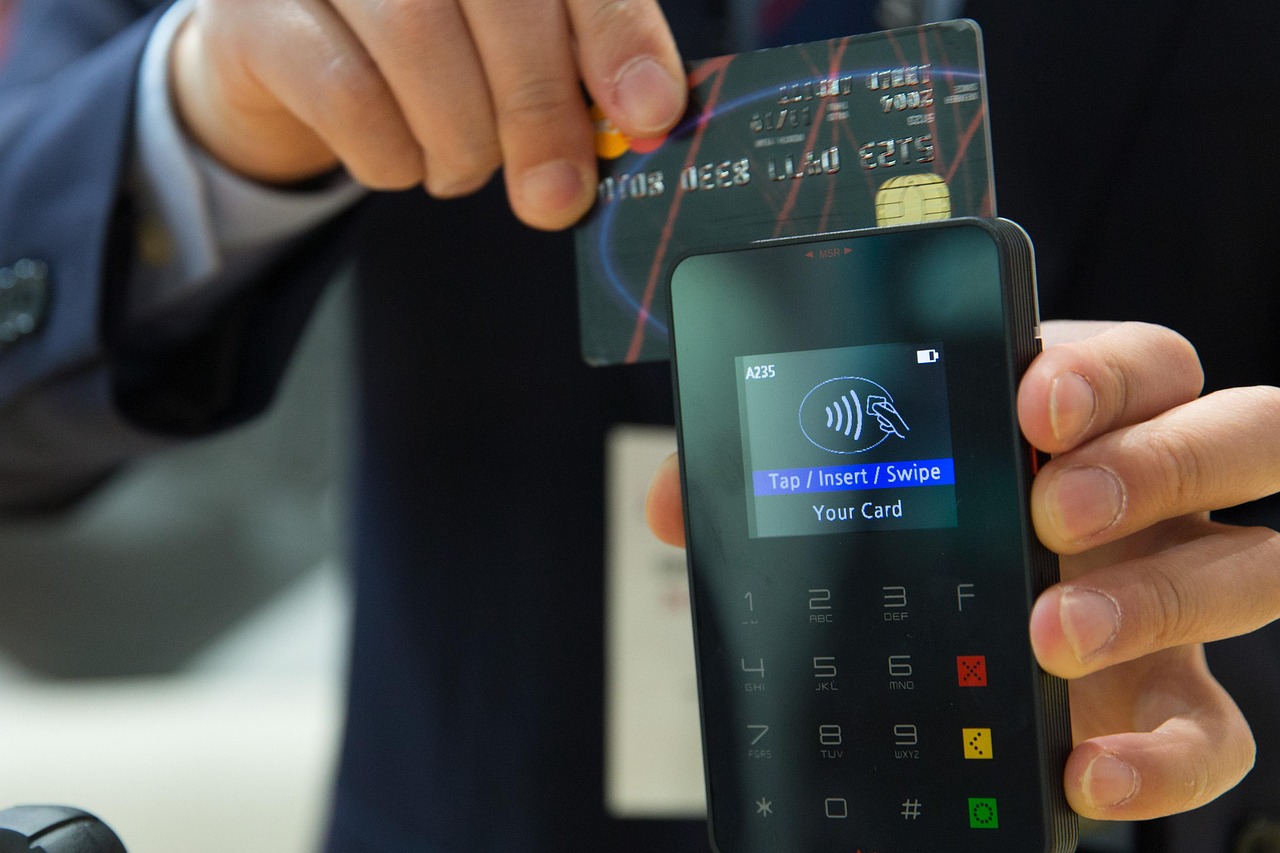
Why Choosing the Right System Matters More Than Ever
Consumer expectations around speed, accuracy and payment flexibility have risen sharply. A slow or fragmented checkout experience — where the card machine, till and stock system are all separate — creates errors, delays and staff frustration. Equally, a system that is over-specified for a small café or under-powered for a multi-site retailer will cost money in wasted licences or operational workarounds.
The decision is also a long-term one. Software subscriptions, hardware refresh cycles and payment processing contracts typically run for one to three years. Getting the selection right at the outset avoids expensive mid-contract changes.
If you are a smaller operation wondering where to start, our complete guide to EPOS systems for small businesses covers the fundamentals in plain language.
Key Questions to Ask Before You Buy
Before evaluating any specific product, a buyer should be able to answer these questions clearly.
What business type and transaction volume am I dealing with?
A boutique with 50 transactions a day has fundamentally different needs from a quick-service restaurant handling 400 covers. Volume affects hardware specification (processor speed, screen durability), software tier and payment processing rates. Be honest about peak-period demand — Black Friday, Christmas, summer festivals — not just average days.
Do I need one terminal or many?
Multi-lane retail, table-side ordering in a restaurant, or a pharmacy dispensing counter all require networked terminals that share a single database. Cloud-based systems handle this elegantly; legacy server-based systems often struggle. If mobility matters — market stalls, pop-ups, tableside ordering — factor in the best wireless card machines that can pair with or replace a fixed terminal.
What integrations are non-negotiable?
Accounting software (Xero, QuickBooks, Sage), e-commerce platforms, delivery aggregators and supplier ordering systems all become relevant quickly. An EPOS that cannot connect cleanly to your existing stack creates manual data entry — which is both error-prone and time-consuming. Confirm API availability and the specific integrations offered before signing.
Comparing EPOS System Approaches: A Practical Framework
The market broadly divides into three tiers. The table below summarises what each typically offers and suits, so you can locate your own requirements quickly.
| Tier | Typical profile | Hardware | Software depth | Indicative monthly cost (UK) | Best for |
|---|---|---|---|---|---|
| Entry-level | Single site, low volume, limited reporting needs | Tablet-based, consumer-grade | Basic sales, simple stock | Typically from £20–£50/month (software) | Market traders, pop-up shops, small cafés |
| Mid-range | Single or dual site, moderate volume, growing team | Dedicated touchscreen terminal, printer, scanner | Full inventory, staff management, loyalty, basic CRM | Typically £50–£150/month (software) | Independent retailers, restaurants, salons |
| Advanced / multi-site | Multiple locations, high volume, complex reporting | Hardened commercial hardware, kitchen display screens, self-service options | Multi-site analytics, advanced CRM, API integrations, pharmacy or hospitality modules | Typically £150–£400+/month (software) | Restaurant groups, pharmacy chains, larger retailers |
A note on pricing: the figures above reflect software subscription costs and are indicative of the UK market. Hardware purchase or lease costs, payment processing fees and installation charges are additional. Always request a full cost breakdown — total cost of ownership over your contract term — before committing. For options with no ongoing card machine fee, see our guide to card machines with no monthly fee.
What Does an EPOS System Cost in the UK?
Cost has several distinct components, and conflating them is a common buyer mistake.
- Hardware: A single commercial-grade terminal, receipt printer and barcode scanner typically costs from around £400 to over £1,200 to purchase outright, depending on specification. Many providers offer leasing or rental options that spread this cost.
- Software subscription: As shown in the table above, most cloud-based EPOS software is charged monthly per terminal — typically £20 to £150+ per month, depending on features and vendor.
- Payment processing: Card transaction fees in the UK typically range from around 0.5% to 1.75% per transaction for card-present sales, though rates vary by provider, card type and volume. Integrated payment solutions usually offer cleaner reconciliation even if the headline rate differs slightly.
- Installation and onboarding: Professional installation, staff training and data migration (product catalogues, customer records) may be included in a package or charged separately — always confirm.
- Support and maintenance: Ongoing technical support contracts range from basic email support to 24/7 phone and on-site engineer cover. For high-footfall environments, premium support is rarely a luxury.
For a comparison of combined till and payment solutions, our complete guide to card machine and till system combinations covers the trade-offs in detail.
Sector-Specific Considerations
Retail
Retail EPOS systems need robust barcode scanning, multi-variant product management (sizes, colours, weights), purchase order generation and — increasingly — omnichannel stock visibility that keeps online and in-store inventory in sync. Returns and exchanges handling, with clear audit trails, is also a practical necessity.
Hospitality and Restaurants
Food and beverage operations demand table management, course-by-course ordering, kitchen display or printer routing, split-bill functionality and allergen management. Integration with delivery platforms (Deliveroo, Uber Eats, Just Eat) is now close to essential for many operators. Speed under pressure and intuitive staff interfaces matter enormously when covers are turning quickly.
Pharmacy
A pharmacy EPOS must handle NHS prescription management, dispensary workflows, controlled-drug audit trails, patient record linkage and compliance with GPhC regulatory requirements. Generic retail EPOS software is generally not suitable; purpose-built pharmacy modules are essential. You can explore EPOS Direct's pharmacy-specific capability via the pharmacy EPOS software demo.
How EPOS Direct UK Approaches System Selection
EPOS Direct UK works with businesses across retail, hospitality and pharmacy sectors, supplying both hardware and proprietary cloud-based software from a single point of accountability. Rather than selling a generic product, the approach starts with a detailed needs assessment — transaction volumes, number of terminals, integration requirements, sector-specific compliance — before recommending a solution.
All software is available for trial before purchase. Retailers can explore features through the retail EPOS software demo, and restaurant operators through the restaurant EPOS software demo, without any obligation to buy. This reduces the risk of choosing a system that looks good in a brochure but fails in a real operational environment.
Ongoing UK-based support means that when something goes wrong — as it inevitably does in a high-transaction environment — there is a team available to resolve it quickly. For small business owners evaluating the full landscape of options, our complete buyer's guide to the best till systems for small businesses is a useful companion read, and the EPOS Direct UK home page details current offers and system packages.
Common Mistakes to Avoid
- Choosing on upfront price alone. A cheaper system that requires expensive workarounds, manual data entry or frequent downtime costs more in the medium term than a well-specified solution.
- Underestimating training time. Even intuitive software takes time to learn properly. Budget for structured onboarding, not just a quick tutorial video.
- Ignoring scalability. A system that cannot add terminals, locations or users without a full platform migration will become a constraint as the business grows.
- Overlooking data ownership. Confirm what happens to your sales data, customer records and reports if you switch provider. You should own your data and be able to export it.
- Skipping a live demo. Screenshots and feature lists tell you nothing about real-world usability under busy conditions. Always insist on a working demonstration with your own products or menu loaded.
Next Steps: Making a Confident Decision
The right EPOS system is the one that fits your specific operation — not the one with the longest feature list or the lowest headline price. Start by mapping your must-have requirements, shortlist two or three systems that meet them, and test each one in a realistic scenario before committing.
If you would prefer expert guidance rather than working through the research alone, you can talk to an EPOS Direct expert online at any point — no sales pressure, just practical advice based on your sector and scale. Alternatively, request a free demo and see the system working with your own product catalogue, menu or dispensary list before making any decision.
EPOS Direct UK exists to make this process straightforward — from initial consultation through installation, training and long-term support. Whatever your sector, there is a structured path from uncertainty to a system that works reliably every trading day.
Frequently asked questions
- How much does guide epos system cost in United Kingdom?
- Costs vary by provider and scope. EPOS Direct UK offers transparent pricing tailored to EPOS & POS systems businesses.
- Is guide epos system suitable for small businesses?
- Yes — solutions can be scaled to fit independent operators as well as multi-site groups.
- What should I look for when choosing?
- Prioritise reliability, support, total cost of ownership and proven results in United Kingdom.
