We use cookies to make your experience better.
To comply with the new e-Privacy directive, you agree to the privacy policy and our use of cookies

How Restaurant Till Systems Work — A Complete Guide for UK Hospitality
How Restaurant Till Systems Work — A Complete Guide for UK Hospitality

A restaurant till system is the operational heart of any food and drink business — the technology that connects orders, payments, stock and reporting into a single, coherent workflow. Modern systems go far beyond a simple cash drawer and receipt printer; they coordinate front-of-house staff, kitchen teams and back-office management in real time. Understanding how each layer works will help you choose, configure and get the most from a system that genuinely serves your business.
What Is a Restaurant Till System and What Does It Actually Do?
At its core, a restaurant till system — more precisely called a hospitality EPOS (Electronic Point of Sale) system — is software and hardware working together to record every transaction, manage table or counter orders, process payments and feed data back to management. Unlike a basic cash register, a modern EPOS links your front-of-house touchscreen terminals to kitchen display screens, card payment devices, loyalty programmes and cloud-based reporting dashboards.
The practical result is that a table order placed by a server on a handheld device can simultaneously print in the kitchen, update stock levels, add to the running table tab and generate the data your accountant needs at month end — all without a single piece of paper changing hands.
The Key Components of a Modern Restaurant EPOS System
Before exploring how the order flow works, it helps to understand the physical and digital building blocks that make it possible.
Hardware
- Touchscreen till terminal — the primary interface for servers or cashiers, typically a 15" or 15.6" commercial-grade screen designed for greasy-finger and splash resistance.
- Receipt printer — thermal printers are standard; they are fast, quiet and inexpensive to run.
- Kitchen printer or kitchen display screen (KDS) — orders route directly to the kitchen the moment they are sent, removing the need for handwritten dockets.
- Cash drawer — triggered automatically when a cash payment is accepted.
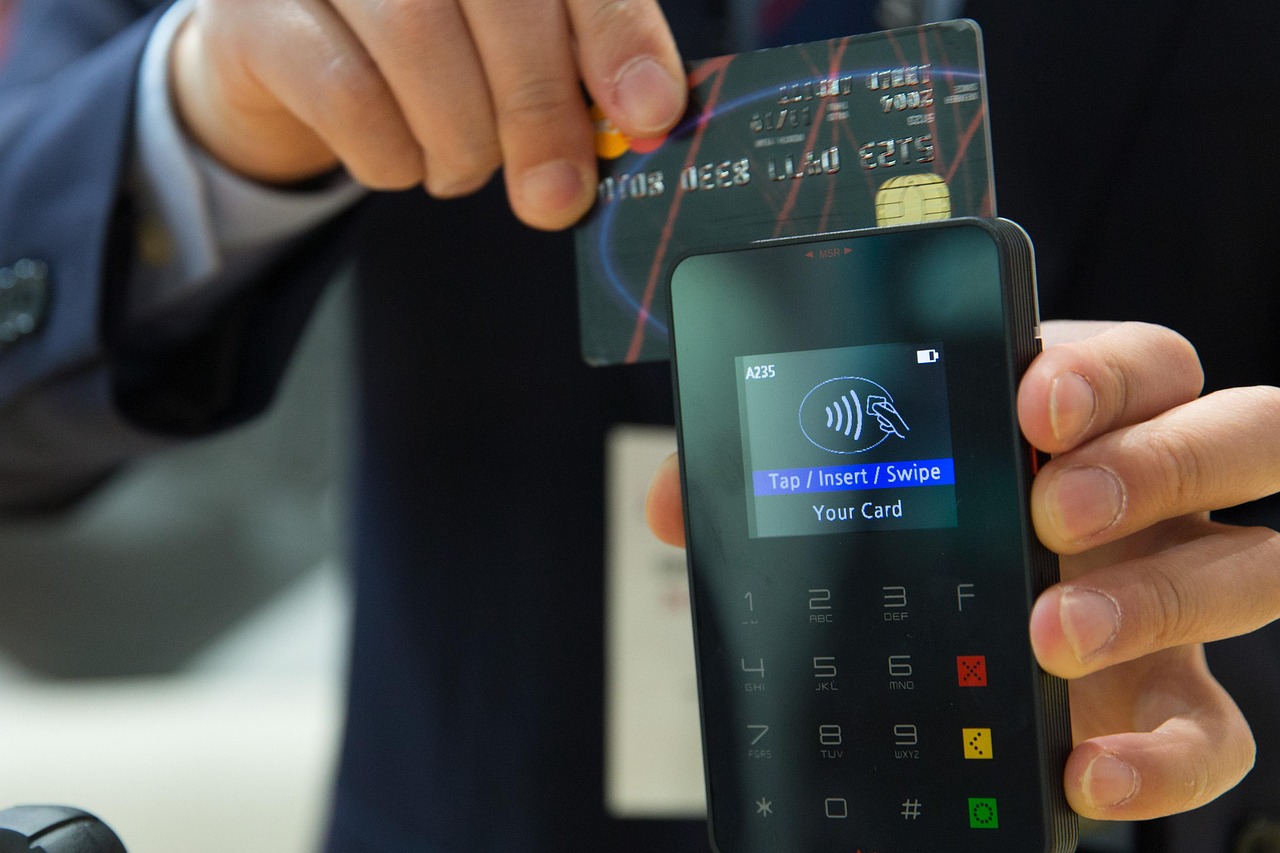
- Card payment terminal — ideally integrated with the EPOS so payments reconcile automatically. For guidance on the best options, see our guide to EPOS systems with integrated card payments in the UK.
- Handheld ordering devices — tablets or purpose-built PDAs allow tableside ordering, reducing errors and kitchen trips.
- Customer display screen — shows the running order and total, improving transparency at the counter.
Software
The software layer is where the intelligence lives. A restaurant EPOS application manages your menu, modifiers, pricing, table layouts, user permissions, reporting and integrations with third-party platforms such as delivery aggregators and accounting packages. You can explore EPOS Direct's restaurant software or take a hands-on restaurant EPOS software demo to see how these features are configured in practice.
Step-by-Step: How an Order Flows Through a Restaurant Till
The order journey is where everything comes together. Here is how a typical table-service flow works in a properly configured EPOS environment:
- Table opened — the server selects the table from a visual floor plan on the terminal, enters the cover count and opens a tab.
- Items added — each dish or drink is tapped from a menu grid. Modifiers (e.g. "no onion", "medium-rare") are prompted automatically, ensuring kitchen accuracy.
- Order sent — pressing "Send" simultaneously fires the food ticket to the kitchen printer or KDS and retains the order on the live table tab.
- Course management — starters, mains and desserts can be held and released in sequence, so the kitchen never plates a main before the starter is cleared.
- Bill requested — the server prints or displays a running total at any point. Discounts, vouchers or promotional pricing are applied with a single tap, subject to permission levels.
- Payment processed — the system presents the balance to the payment terminal. The transaction is recorded, the table is cleared, and the stock file updates instantly.
This seamless loop removes the margin for human error at every handoff point — the single biggest source of waste and complaint in busy restaurant environments.
How Restaurant Tills Handle Payments, Splits and Refunds
Payment flexibility is non-negotiable in hospitality. A capable EPOS handles several scenarios that a basic cash register cannot:
- Split bills — the system can divide a table total by cover, by item or by a custom amount, producing separate receipts and processing separate card payments for each portion.
- Mixed tender — a guest can pay £20 in cash and the remainder by card in a single settlement flow.
- Deposits and pre-authorisation — useful for functions and reservations, where a deposit taken online or by phone is recorded against the booking and deducted from the final bill.
- Refunds and voids — managers can void an item before it is sent to the kitchen (no charge) or process a post-payment refund back to the original payment method, with a full audit trail retained for accountability.
- Contactless and digital wallets — integrated terminals support Apple Pay, Google Pay and standard contactless, meeting the expectations of modern UK diners.
If you are evaluating standalone card devices, our guide to the best wireless card machines for small businesses in the UK covers the leading options and their integration compatibility.
Real-Time Reporting and Stock Management Explained
One of the most underappreciated benefits of a restaurant EPOS is the business intelligence it produces automatically, without any manual counting or spreadsheet work.
Reporting
- Sales by hour, day and period — identify your busiest covers and quietest slots to schedule staff more efficiently.
- Product mix and margin reports — see which dishes are selling, which are underperforming and, crucially, which are most profitable.
- Server performance — track upselling rates, average spend per cover and transaction speed by staff member.
- VAT summaries — the system separates standard-rated, zero-rated and exempt sales automatically, which simplifies Making Tax Digital (MTD) VAT submissions. HMRC's MTD for VAT requirements mandate digital record-keeping for most VAT-registered businesses; your accountant can confirm your specific obligations.
Stock Management
Each item sold deducts from the stock file in real time. For a bar, that means tracking bottles to the measure; for a kitchen, it means ingredient-level depletion against recipes. Low-stock alerts can be configured to trigger purchase orders before you run out, and end-of-period variance reports highlight wastage or theft that would otherwise go unnoticed.
Cloud-Based vs Traditional Restaurant Till Systems: Which Is Right for You?
The architecture of your system affects everything from resilience and cost to how you access your data remotely.
| Factor | Cloud-Based EPOS | Traditional (On-Premise) EPOS |
|---|---|---|
| Data access | Any device, anywhere, in real time | On-site only unless VPN configured |
| Software updates | Automatic, included | Manual or contract-dependent |
| Internet dependency | Offline mode available on quality systems; full sync resumes on reconnection | Fully local — no internet required |
| Upfront cost | Lower (subscription model typical) | Higher licence fee, lower ongoing cost |
| Scalability | Add sites or terminals quickly | Requires additional on-site installation |
| Multi-site reporting | Centralised, consolidated dashboards | Complex; often requires additional software |
| Best suited to | Growing independents, groups, cafés | Established single sites with reliable IT |
For a fuller breakdown of the financial implications of each approach, our article on monthly EPOS subscriptions versus outright purchase walks through the real-world numbers and decision criteria.
What Does a Restaurant Till System Cost in the UK?
Cost is inevitably the first practical question any operator asks. Indicative ranges for the UK market in 2024–2025 are as follows, clearly offered as guidance rather than fixed quotes:
- Entry-level café or counter-service setup (one terminal, printer, card machine): typically from around £500–£800 as an outright purchase, or from approximately £30–£60 per month on a subscription plan.
- Mid-range table-service restaurant (two to three terminals, kitchen printer, handheld ordering): most setups fall between £1,200 and £3,000 outright, or £70–£150 per month on subscription.
- Multi-site or high-volume venue (four or more terminals, KDS, advanced integrations): bespoke pricing is standard; indicatively from £3,000 upwards for hardware, with software licences or SaaS fees negotiated per site.
Card processing rates are separate and depend on your payment provider and monthly turnover. Always clarify whether software support, updates and training are included in the quoted price. For a broader overview of system tiers, our guide to the best till systems for small businesses in the UK covers what operators at every budget level should expect.
How to Choose the Right Till System for Your UK Restaurant or Café
The right system depends on the specific demands of your service model, not on feature lists alone. Ask yourself the following before committing:
Questions Worth Asking Before You Buy
- Does it handle your service style? Counter service, table service, hybrid café models and takeaway operations each have distinct workflow requirements. Ensure the software matches your actual floor plan and order types.
- How does it integrate with your existing tools? Accounting software (Xero, Sage, QuickBooks), delivery platforms (Uber Eats, Deliveroo) and reservations systems should connect without manual data entry.
- What does the support look like? UK-based telephone support is meaningfully different from email-only help desks when a terminal goes down during Saturday evening service. Confirm support hours, response commitments and whether hardware replacement is covered.
- Is it Making Tax Digital compliant? Your EPOS should produce records in a format compatible with MTD for VAT. Verify this with your provider before purchase.
- Can it grow with you? Adding a second site, an outdoor terrace or an online ordering channel should be an extension, not a replacement, of your current system.
If you are currently operating with a legacy cash register, our step-by-step guide to upgrading from a cash register to a modern EPOS system explains what the migration involves and how to minimise disruption during the transition.
For operators who want to see how different providers compare before making a decision, our full EPOS system comparison guide for 2026 provides an independent assessment of the leading options available to UK businesses. You can also explore what EPOS Direct UK offers across the full range of hospitality and retail systems.
Conclusion
A well-chosen restaurant till system does more than process payments — it controls the operational rhythm of your entire business, from the moment a guest is seated to the moment your accountant closes the books. The technology is mature, the benefits are proven, and the entry point for a credible, scalable system is more accessible than many operators assume.
The EPOS Direct UK team works with independent restaurants, café groups and multi-site operators across the United Kingdom every day, helping them match the right hardware and software to their specific service model. If you are ready to see how a modern hospitality EPOS could transform your operation, explore our hospitality and restaurant EPOS offers, book a free restaurant EPOS software demo or talk to one of our specialists online — with no obligation and no sales pressure.
Written by the EPOS Direct UK team, who support hospitality and retail businesses across the United Kingdom with EPOS and POS system selection, installation and ongoing service every day.
Frequently asked questions
- What is the difference between a basic till and an EPOS system for a restaurant?
- A basic cash till simply opens a drawer and records a sale total. A restaurant EPOS (Electronic Point of Sale) system does far more — it sends orders directly to kitchen printers, manages table layouts, splits bills between guests, tracks stock levels in real time, and produces end-of-day sales reports. For any restaurant serving more than a handful of covers, an EPOS system dramatically reduces errors and speeds up service compared to a standalone cash register.
- How much does a restaurant till system cost in the UK?
- Costs vary depending on the size of your venue and the features you need. As a rough guide, a single-terminal restaurant EPOS setup in the UK typically starts from around £300–£500 for entry-level hardware, rising to £800–£1,500 or more for a full touchscreen terminal with card reader, receipt printer and kitchen display unit. Some providers, including EPOS Direct, offer monthly subscription or lease options from approximately £25–£60 per month, which can make the upfront investment more manageable for new or growing hospitality businesses. Always factor in software licensing, installation and ongoing support costs.
- Can a restaurant till system integrate with online ordering and delivery platforms?
- Yes — modern cloud-based EPOS systems for restaurants can integrate with popular online ordering platforms such as Just Eat, Uber Eats and Deliveroo, as well as your own website ordering portal. When an online order is placed, it appears automatically on the kitchen screen or printer, eliminating the need for manual entry and reducing the risk of missed or incorrect orders. This integration is increasingly standard on mid-range and higher EPOS packages aimed at UK hospitality businesses.
