We use cookies to make your experience better.
To comply with the new e-Privacy directive, you agree to the privacy policy and our use of cookies

How an EPOS System Works: A Plain-English Guide for UK Retailers & Hospitality Businesses
How an EPOS System Works: A Plain-English Guide for UK Retailers & Hospitality Businesses

An EPOS (Electronic Point of Sale) system is the connected combination of hardware, software and payment processing that allows a business to take payments, track stock and generate actionable sales reports — all from a single platform. Unlike a basic cash register, a modern EPOS solution ties together every transaction, product and customer interaction in real time, giving UK retailers and hospitality operators a genuinely complete picture of their business. Understanding how these systems work is the first step to choosing one that will serve you for years rather than months.
What Is an EPOS System and Why Does It Matter for UK Businesses?
At its simplest, an EPOS system is the digital nerve centre of a retail shop, restaurant, café, pub or pharmacy. Every time a product is scanned, a table order is sent to the kitchen, or a card payment is approved, the EPOS system is orchestrating the process behind the scenes. For UK businesses operating in a competitive, largely cashless environment — where customers expect speed, accuracy and seamless experiences — that orchestration matters enormously.
Beyond taking payments, a well-configured EPOS system eliminates the guesswork from stock management, removes the need for manual end-of-day reconciliation and feeds clean data directly into your accounting software. The result is fewer errors, faster service and better decisions. Whether you run a single boutique or a multi-site restaurant group, the fundamentals of how EPOS technology works remain the same.
For a broader overview of what the technology can do for your specific sector, the complete guide to EPOS and POS systems for UK businesses is a useful starting point alongside this article.
The Core Components: Hardware, Software and Payment Processing Explained
A complete EPOS setup is made up of three interlocking layers. Understanding each one helps you evaluate what you actually need — and avoid paying for what you do not.
Hardware
- Touchscreen terminal or tablet: The primary interface for staff. Dedicated EPOS terminals tend to be more robust for high-volume environments; tablet-based systems offer flexibility and lower entry cost.
- Barcode scanner: Reads product barcodes for instant look-up and stock deduction. Handheld or fixed-mount options suit different retail layouts.
- Receipt printer: Thermal printers are standard for speed and low running costs. In hospitality, kitchen printers (KOTs) relay orders directly to the prep area.
- Cash drawer: Still essential for many UK businesses, even as card payments dominate. Better EPOS systems trigger the drawer automatically on cash transactions only.
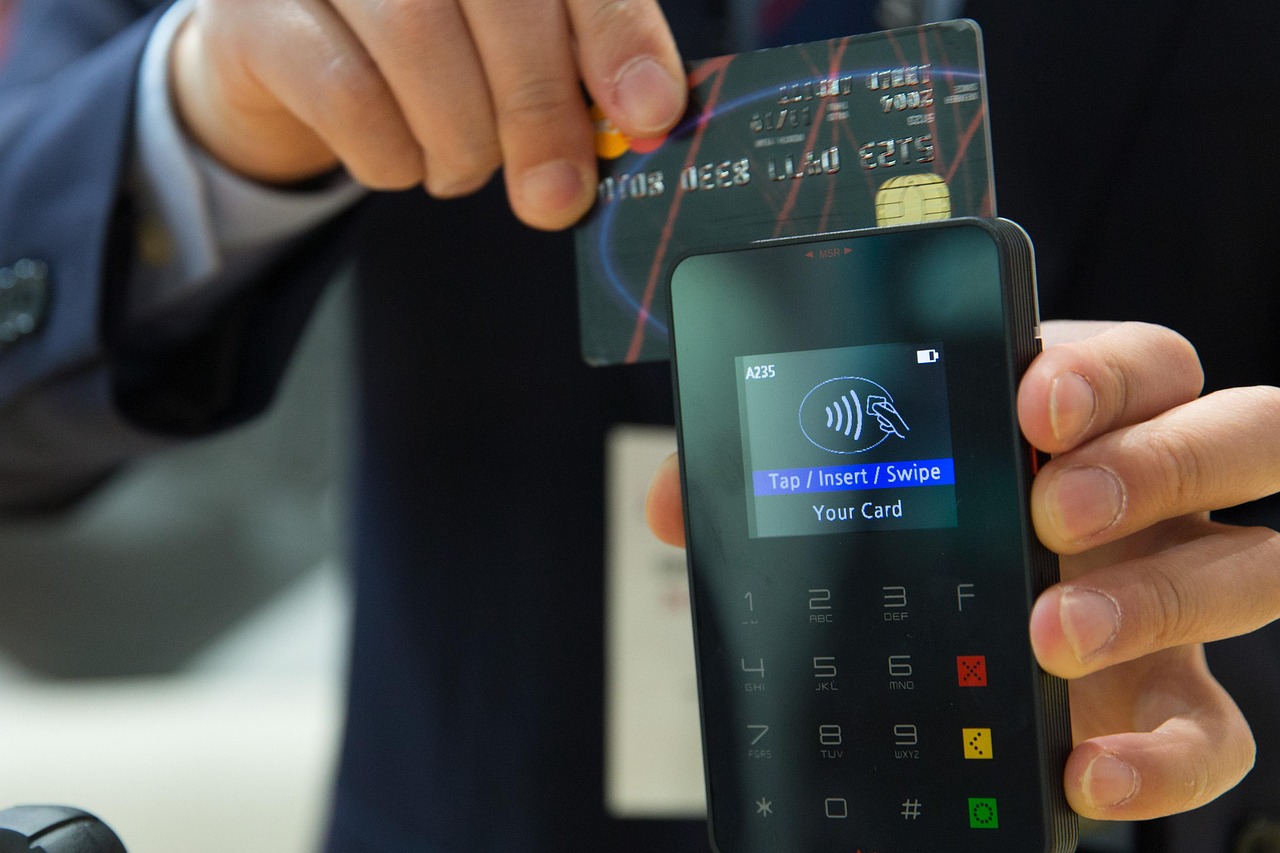
- Card payment terminal: Integrated terminals communicate directly with EPOS software, eliminating manual entry errors and reconciliation headaches. See our guide on combining a card machine and till system for a deeper look at how these two elements work together.
- Customer-facing display: Confirms pricing and totals, reducing disputes and improving trust at the point of sale.
Software
The software is where the intelligence lives. It manages your product catalogue, applies pricing rules and promotions, controls user permissions and generates reports. Cloud-based software means your data is accessible from any browser; locally installed software stores data on-site. Most modern UK EPOS providers now lead with cloud-first architectures, though hybrid options exist for environments with unreliable broadband.
Payment Processing
Payment processing is the layer that authorises card transactions through card networks (Visa, Mastercard) and your acquiring bank. An integrated EPOS setup passes transaction data automatically from the till software to the card terminal, completing the authorisation loop and posting the result back to sales records without staff intervention. This integration is what separates a true EPOS system from a standalone card reader placed next to a separate till.
Step-by-Step: What Happens From the Moment a Customer Pays
Seeing the full transaction journey in sequence makes it easier to appreciate why each component matters — and where breakdowns can occur if a system is poorly integrated.
- Item selection: Staff scan a barcode or tap a product button on the touchscreen. The EPOS software retrieves the price, applies any active promotions and adds the line to the basket.
- Order confirmation: In hospitality, this triggers a kitchen printer or display (KDS) order. In retail, the basket is simply reviewed by the customer on the display screen.
- Payment tender: The customer chooses to pay by card, cash or — increasingly — digital wallet (Apple Pay, Google Pay). For card payments, the integrated terminal receives the basket total automatically.
- Authorisation: The card terminal sends an encrypted request through the payment gateway to the card network and the customer's bank. A decision (approved or declined) is returned, typically within a few seconds.
- Receipt and record: On approval, the EPOS software records the completed sale, deducts the sold quantities from stock and prints or emails a receipt. The transaction timestamp, payment method, operator ID and product details are all captured.
- Reporting update: Sales dashboards and stock levels update in real time, so a manager checking the back office — or logging in remotely — sees an accurate current picture immediately.
How EPOS Software Manages Stock, Sales Data and Reporting in Real Time
This is where EPOS technology delivers its most tangible business value. Every sale automatically decrements stock; every return reinstates it. Set low-stock alerts and the system notifies you before you face an empty shelf, not after. For hospitality businesses, ingredient-level stock tracking means a portion of chips sold deducts the correct weight of potatoes from your ingredient inventory — dramatically tightening food cost control.
Sales Reporting
A quality EPOS platform gives you access to:
- Hourly, daily, weekly and period-comparison sales figures
- Best and worst-selling products by volume and margin
- Transaction counts and average basket size
- Sales by staff member or terminal — useful for performance management
- Payment method splits (cash versus card versus digital wallet)
These reports are not merely interesting — they are the evidence base for decisions about staffing levels, promotional timing, menu changes and reorder quantities. Businesses relying on gut feel alone are, in effect, competing blind.
Customer Data and Loyalty
Many EPOS platforms include or integrate with a loyalty module, linking purchase history to a named customer profile. This enables targeted promotions, reward schemes and repeat-visit incentives that would be impossible to run manually at scale.
Curious about what our software can do in practice? You can explore the retail EPOS software demo or, for hospitality operators, take a look at the restaurant EPOS software demo to see reporting and stock tools in action.
Cloud-Based vs. Traditional EPOS Systems: Which Setup Suits Your Business?
One of the most common questions from UK buyers is whether to choose a cloud-hosted or a locally installed EPOS system. The honest answer depends on your broadband reliability, the number of sites you operate and how you prefer to receive software updates.
| Factor | Cloud-Based EPOS | Locally Installed (On-Premise) EPOS |
|---|---|---|
| Data storage | Securely hosted off-site; accessible anywhere | Stored on local server; on-site access only by default |
| Internet dependency | Requires stable broadband; most offer offline mode | Operates fully offline; syncs when connected |
| Software updates | Automatic and continuous; no action needed | Manual updates required; may involve IT support |
| Multi-site management | Excellent — all sites visible in one dashboard | More complex; requires additional infrastructure |
| Typical cost model | Monthly subscription; lower upfront cost | Higher upfront licence fee; lower ongoing cost |
| Ideal for | Growing businesses, multiple locations, mobile operators | Businesses with poor connectivity or strong data sovereignty requirements |
For most UK SMEs opening or upgrading today, cloud-based EPOS is the practical default — the flexibility, automatic updates and remote access justify the subscription model for the majority of setups. If you are weighing the financial implications, our detailed comparison of monthly EPOS subscription versus outright purchase will help you model the real cost over time.
How EPOS Systems Integrate With Other Business Tools
A modern EPOS platform is rarely a standalone island. Its value multiplies when it connects cleanly with the other software your business already relies on.
Accounting Software
Direct integrations with platforms such as Xero, Sage and QuickBooks mean daily sales totals, VAT summaries and payment method splits flow into your accounts automatically. This eliminates manual data entry — one of the most error-prone and time-consuming tasks in retail and hospitality back-office management — and keeps bookkeeping current without additional effort.
Delivery and Online Ordering Platforms
For restaurants and takeaways, EPOS integration with third-party delivery aggregators routes incoming orders directly to the kitchen printer or KDS, keeping online and in-person service synchronised. Crucially, stock levels update regardless of the order channel, preventing overselling on a busy Friday night.
Loyalty and CRM
Loyalty programmes connected to your EPOS can automatically award points at the point of sale, issue vouchers and trigger personalised email campaigns based on purchase behaviour — all without separate manual administration.
Workforce Management
Some EPOS platforms include or connect to staff scheduling and clock-in tools, linking actual hours worked to sales-per-hour data. This makes labour cost management significantly more precise.
To see how integrated card payments sit within a complete EPOS ecosystem, our guide to EPOS systems with integrated card payments in the UK provides an in-depth look at the options available.
What Does an EPOS System Cost in the UK?
Pricing varies considerably depending on the number of terminals, the software tier and whether you opt for a subscription or outright purchase. The following ranges are indicative of typical UK market pricing and should be used for budgeting guidance only — always request a tailored quote based on your specific requirements.
- Entry-level tablet-based EPOS (single terminal, cloud software): typically from around £300–£600 for hardware, with software from approximately £20–£50 per month on a subscription plan.
- Mid-range dedicated terminal setup (retail or café, single site): hardware investment typically between £800 and £1,500, with software in the region of £50–£100 per month depending on feature set.
- Multi-terminal or multi-site hospitality systems: hardware costs per terminal remain similar, but software licensing and support costs scale with site and user count — most full-featured setups fall in the range of £100–£250 per month for software.
- Payment processing fees: card processing rates in the UK vary by acquirer and transaction volume but typically fall between approximately 0.5% and 1.75% per transaction for card-present payments — always confirm the full fee schedule with your payment provider.
Where upfront capital is a concern, subscription-based models spread costs and typically include software updates and support. Outright purchase can be more cost-effective over three to five years for established businesses with stable requirements. For small businesses weighing their options, our buyer's guide to till systems for small businesses covers the key trade-offs clearly.
How to Choose the Right EPOS System for Your Retail or Hospitality Setup
There is no universally "best" EPOS system — there is only the right system for your specific environment, team size and growth trajectory. Here are the criteria that should genuinely drive your decision:
Questions Worth Asking Before You Commit
- Does it work offline? If your broadband is unreliable, you need a system with a proven offline mode that syncs seamlessly when connectivity returns — not one that simply freezes at the till.
- How is support delivered? UK-based telephone and online support during your trading hours is non-negotiable. Check whether support is included in your subscription or billed separately.
- What does the contract actually say? Understand the minimum term, what happens if you want to scale up, and what the exit terms look like before signing anything.
- Can it grow with you? A system that handles one terminal today should be able to add a second site or an online ordering integration in 18 months without a full platform migration.
Sector-Specific Considerations
Retailers should prioritise barcode scanning speed, robust stock management and the ability to handle promotions and discounts with precision. Hospitality operators need reliable table management, course-by-course ordering, kitchen printing and, for licensed premises, age-verification prompts at the point of sale. Pharmacies have specific dispensing and controlled drug record-keeping requirements — our dedicated pharmacy EPOS software demo addresses these directly.
If you are still in the early stages of evaluating providers, you can explore everything available on the EPOS Direct UK home page — including current offers, hardware options and sector-specific solutions.
The Direct Answer: How Does an EPOS System Actually Work?
An EPOS system works by connecting a touchscreen terminal (or tablet), a barcode scanner, a receipt printer and an integrated card terminal through a central software platform. When a product is scanned or selected, the software retrieves its price, applies promotions and builds a basket. On payment, the card terminal receives the total, authorises the transaction through the card network and returns the result — all automatically. The completed sale is then recorded, stock is decremented and reports are updated in real time. Every component communicates through the software layer, making the entire process faster, more accurate and more transparent than any manual system can achieve.
Ready to See It Working for Your Business?
Understanding the mechanics of EPOS technology is valuable, but seeing it configured for your specific operation makes the decision far clearer. The EPOS Direct UK team works with retailers, restaurants, cafés, pubs and specialist businesses across the United Kingdom every day, helping owners find a setup that fits their trading environment and budget — not the other way around.
You can request a free demo to see the system in action, talk to an expert online to discuss your specific requirements, or browse our current retail EPOS offers and hospitality and restaurant EPOS offers to see what is available right now. If you would prefer to speak directly, request a call back and a member of the team will be in touch at a time that suits you.
Written by the EPOS Direct UK team, who help UK retailers and hospitality businesses find, implement and get the most from their EPOS systems every day.
Frequently asked questions
- What equipment do I actually need to run an EPOS system in my shop or café?
- A typical EPOS setup includes a touchscreen terminal or tablet, a receipt printer, a cash drawer, a barcode scanner and a card payment terminal. For hospitality you may also need kitchen display screens or handheld ordering devices. EPOS Direct UK offers bundled hardware packages so you can get everything configured and ready to go without sourcing components separately.
- How much does an EPOS system cost for a small UK business?
- For a single-terminal setup in the UK, expect to pay roughly £300–£800 for entry-level hardware, with software subscriptions typically ranging from £20 to £80 per month depending on features. Mid-range bundles with a touchscreen till, scanner, printer and card reader from a specialist like EPOS Direct UK often start around £499–£799 as a one-off cost, with optional monthly software plans on top. Multi-site or hospitality-focused systems with advanced stock and table management will generally cost more. Many providers also offer lease or finance options to spread the upfront cost.
- Can an EPOS system work without an internet connection?
- Most modern cloud-based EPOS systems are designed to keep working offline, storing transactions locally and syncing data automatically once your connection is restored. This means a brief broadband outage will not stop you from taking payments or recording sales. It is worth confirming the offline capabilities with your supplier before you buy, particularly if your venue has unreliable connectivity.
