We use cookies to make your experience better.
To comply with the new e-Privacy directive, you agree to the privacy policy and our use of cookies

Key Benefits of a Modern POS System for UK Retail & Hospitality
The Real Benefits of a POS System for UK Retail and Hospitality Businesses

A modern point-of-sale system does far more than process transactions — it actively drives efficiency, profitability and customer satisfaction across every area of a retail or hospitality business. For UK operators still relying on traditional cash registers or disconnected card terminals, upgrading to an integrated EPOS solution represents one of the most measurable returns on investment available today. This guide sets out exactly what those benefits look like in practice, what a system typically costs, and how to choose the right one for your operation.
Why UK Businesses Are Upgrading from Traditional Tills to Modern EPOS Systems
The shift from standalone cash registers to cloud-connected EPOS platforms has accelerated significantly across UK retail and hospitality. The reasons are practical: consumer expectations around payment speed and choice have risen, HMRC's Making Tax Digital initiative has added impetus to digital record-keeping, and the cost of stock shrinkage, human error and missed data continues to compound for businesses that rely on manual processes.
A traditional till records a sale. A modern EPOS system records a sale and simultaneously updates stock levels, logs the transaction against a product category, feeds into end-of-day reports, and can trigger a reorder alert — all without a second thought from your team. That layered intelligence is the fundamental difference.
If you are currently weighing up this transition, our practical guide on how to switch from a cash register to a modern EPOS system walks through the process step by step for UK retailers.
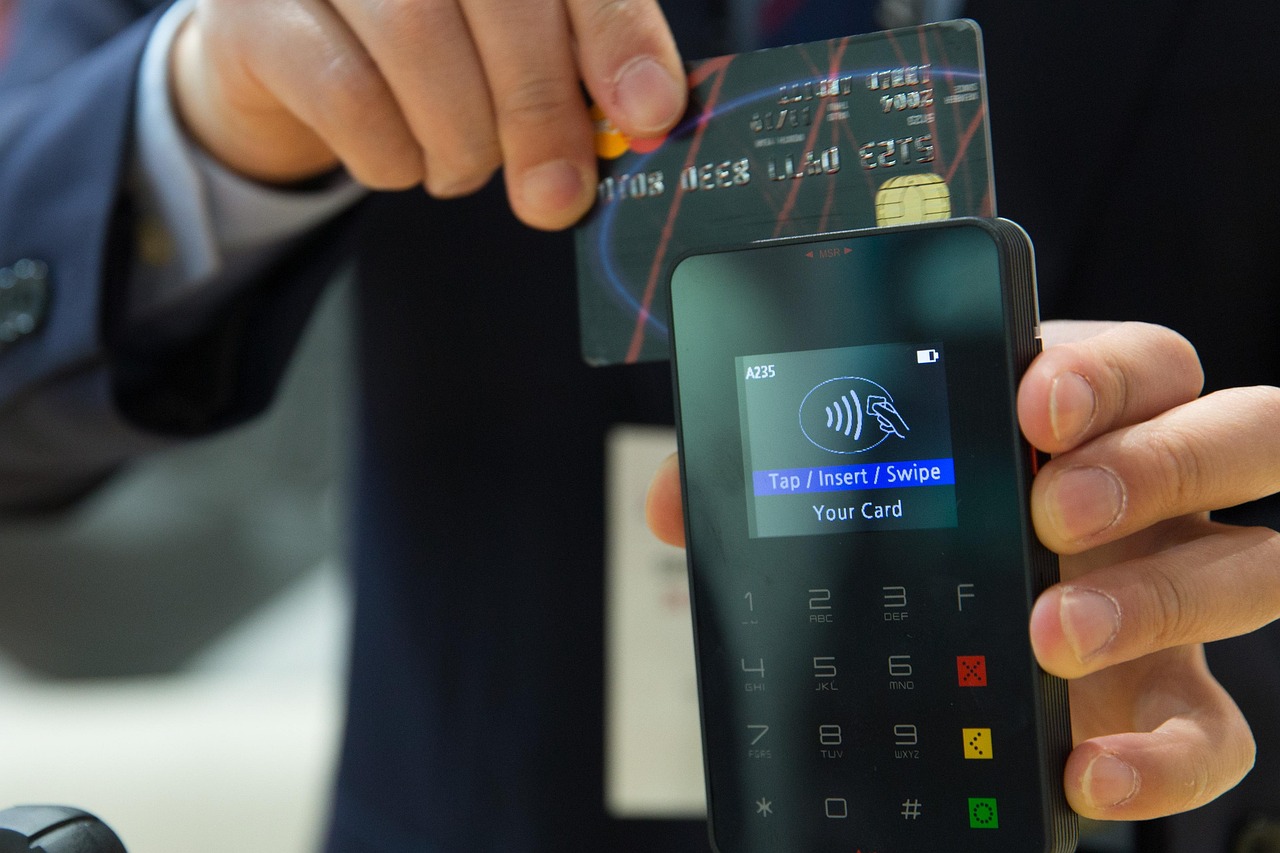
Faster Transactions and Reduced Queue Times at the Point of Sale
Queue abandonment is a measurable commercial problem, particularly in quick-service food and drink, convenience retail and busy independents during peak hours. A well-configured EPOS system reduces transaction time in several compounding ways:
- Barcode and QR scanning eliminates manual price entry and the errors that accompany it.
- Integrated card payments mean the amount transfers automatically from the till to the card terminal — no re-keying, no mismatches, no awkward pauses.
- Contactless and mobile wallet acceptance (Apple Pay, Google Pay) allows sub-five-second payment for many transactions.
- Preset product buttons and favourites let hospitality staff call up menu items in one touch rather than navigating multiple screens.
- Split bills and table management in restaurant environments reduce the back-and-forth that frustrates both servers and diners.
The cumulative effect is a noticeably shorter queue, higher throughput during peak hours, and — critically — a better first impression for new customers.
Smarter Stock Control: How EPOS Eliminates Costly Inventory Errors
Stock discrepancies are one of the most damaging silent costs for independent retailers and hospitality operators. Over-ordering ties up cash; under-ordering loses sales and disappoints customers. Manual stocktakes are time-consuming and prone to the kind of transcription errors that only surface weeks later.
An integrated EPOS platform updates inventory in real time with every sale, return or waste entry. Practical consequences include:
- Automatic low-stock alerts before you run out of a best-selling line.
- Accurate cost-of-goods tracking per product, allowing genuine gross margin visibility.
- Supplier purchase order generation directly from the system, reducing admin time.
- Variance reports that flag discrepancies between theoretical and actual stock — a powerful tool for identifying wastage or theft.
- Multi-location stock visibility for businesses operating more than one site.
For food businesses, allergen and portion-cost data can also be embedded at the product level, supporting compliance and menu engineering simultaneously.
Sales Reporting and Business Intelligence in Real Time
One of the most under-appreciated advantages of a cloud-based EPOS system is the quality of the business intelligence it produces as a by-product of normal trading. Every transaction becomes a data point, and collectively those data points answer questions that previously required an accountant or hours of spreadsheet work:
- Which products or dishes generate the highest margin, not just the highest revenue?
- Which hours of the day and days of the week account for the majority of turnover?
- Which staff members are upselling effectively, and which need coaching?
- How does this week's performance compare to the same period last year?
- Which promotions actually moved volume, and which were margin dilution?
Cloud reporting means these dashboards are accessible from any device, at any time — whether you are on the shop floor, at a second site, or reviewing performance over a Sunday morning coffee. For businesses preparing VAT returns under Making Tax Digital, accurate digital records flowing directly from the EPOS significantly simplify compliance. HMRC's guidance on MTD for VAT is the authoritative source for your obligations; your EPOS provider should be able to confirm compatibility with your chosen accounting package.
If you want to explore what the reporting interface actually looks like before committing, an interactive retail EPOS software demo is the most efficient way to assess it against your own reporting priorities.
Integrated Payments: Accepting Cards, Contactless and Mobile Wallets Without Friction
UK consumers now overwhelmingly prefer card and contactless payment. Cash usage continues to decline year-on-year according to UK Finance data, and businesses that create any friction around payment — whether through mismatched terminals, manual re-keying or limited payment method acceptance — risk losing sales to competitors who have removed that friction entirely.
A fully integrated EPOS and card payment setup means:
- The sale amount pushes automatically to the card terminal — no manual entry, no end-of-day reconciliation headaches.
- Contactless limits and mobile wallet acceptance are handled at the terminal level, keeping your business current as standards evolve.
- Transaction data and payment data reconcile in one report, not two separate systems.
- Wireless card terminals allow tableside, kerbside or queue-busting payment in hospitality and retail environments.
Our in-depth resource on combining a card machine and till system covers the technical and commercial considerations in full, including what to check before signing any payment processing agreement. For businesses specifically comparing wireless terminal options, our guide to the best wireless card machines for small businesses in the UK provides a practical shortlist.
How an EPOS System Saves Money and Boosts Profitability Over Time
A common objection to upgrading is upfront cost. The more productive question is: what does staying with your current system actually cost you each month in staff time, stock errors, missed data and manual administration? For most businesses, the answer is more than the EPOS investment.
Where the financial return comes from
- Reduced labour costs from automated reporting, stock alerts and end-of-day reconciliation — hours that currently require a manager's time.
- Lower stock losses through real-time inventory tracking and variance reporting.
- Higher average transaction values through prompt-driven upselling and modifier options at the point of order.
- Fewer pricing errors — a correctly configured EPOS applies the right price every time, including time-based promotions and happy hour pricing.
- Better purchasing decisions based on actual sales data, reducing both over-ordering and under-ordering.
What does it typically cost?
Pricing varies by hardware specification, software tier and whether you purchase outright or take a subscription. As a realistic guide for UK businesses:
| Business Type | Typical Setup | Indicative Hardware Cost | Indicative Software Cost |
|---|---|---|---|
| Small independent retail (single till) | Touchscreen terminal, receipt printer, barcode scanner, cash drawer | Typically from £300–£700 outright | From around £20–£50/month for cloud software |
| Café or quick-service restaurant (1–2 tills) | Touchscreen terminal(s), kitchen printer, integrated card terminal | Typically from £500–£1,200 outright | From around £30–£70/month for hospitality software |
| Multi-terminal retail or restaurant | Multiple terminals, back-office screen, full integration | Typically from £1,000–£3,000+ outright | From around £50–£150/month depending on features |
| Subscription/finance option (any size) | Hardware and software bundled monthly | No large upfront cost | Typically from £30–£100+/month all-in |
All figures are indicative market ranges for the UK as general guidance only — not quotes. Actual pricing depends on your specific configuration, site requirements and chosen supplier. Request a free, no-obligation quote to get accurate pricing for your business.
If you are weighing up the subscription versus outright purchase decision, our detailed comparison — monthly EPOS subscription vs outright purchase — sets out the financial logic for different business situations.
Choosing the Right EPOS System for Your UK Business: What to Look For
Not every system suits every business. The right choice depends on your sector, transaction volume, team size and growth plans. Here are the criteria that genuinely differentiate systems at the point of purchase:
Questions worth asking before you commit
- Does the software genuinely match your sector? Retail EPOS and hospitality EPOS have different workflow requirements — table management, kitchen display systems and course timing matter in a restaurant; matrix variants, loyalty programmes and multi-location stock transfer matter in retail. Sector-specific software outperforms generic alternatives in day-to-day use.
- Is payment processing truly integrated, or bolt-on? Loosely connected systems create reconciliation work and error risk. True integration means one report, one reconciliation, one support number.
- What does UK-based support look like? A system that goes down during a Saturday lunch service needs a real person on the phone, not a ticket queue. Confirm support hours, response times and whether there is a dedicated UK team.
- Can it grow with you? Adding a second site, an online ordering channel or new hardware should not require a system replacement. Check the upgrade path before you sign.
- Is there a working demo you can actually use? Any credible provider will let you explore the software before purchase. An interactive restaurant EPOS software demo or retail equivalent removes guesswork from the evaluation entirely.
Sector-specific starting points
For retail businesses evaluating their options, our complete buyer's guide to till systems for small businesses covers the leading configurations with honest assessment of each. Hospitality operators can explore our hospitality and restaurant EPOS offers to see current packages. Retailers can browse our retail EPOS system offers for a direct view of what is available and at what price point.
For businesses that want to understand how EPOS Direct compares against other suppliers in the market, our detailed competitor comparison guide sets out the key differentiators across the main options available to UK businesses.
The Direct Answer: What an EPOS System Actually Does for Your Business
A modern EPOS system reduces transaction times, eliminates costly stock errors, provides real-time sales intelligence, integrates card and contactless payments seamlessly, and pays for itself through the operational savings and margin improvements it generates — typically within the first year for most independent UK businesses. It is not a luxury reserved for large retailers; it is infrastructure that any business processing more than a handful of transactions per day can justify on purely commercial grounds.
Ready to See the Difference?
EPOS Direct UK works with independent retailers, restaurants, cafés, pharmacies and multi-site businesses across the United Kingdom, helping them select, configure and get the most from their EPOS investment. Whether you are replacing an ageing cash register or upgrading a system that has outgrown your business, our team can guide you to the right solution without the sales pressure.
Visit the EPOS Direct UK home page for current offers and full product information, or take one of the following next steps:
- Talk to an EPOS expert online — live chat with a specialist who knows UK retail and hospitality.
- Request a free demo and no-obligation quote tailored to your business size and sector.
- Request a call back at a time that suits you.
Written by the EPOS Direct UK team, who support UK retail and hospitality businesses with EPOS and point-of-sale systems every day. All pricing figures in this article are indicative market ranges provided for general guidance only and do not constitute a formal quote.
Frequently asked questions
- How much does a POS system cost for a small UK business?
- For a small UK retail or hospitality business, entry-level POS systems typically start from around £300–£500 for basic hardware and software. A full EPOS bundle including a touchscreen terminal, receipt printer, barcode scanner and card reader can range from £600 to £1,500+. Some providers also offer monthly subscription models from around £30–£80 per month, which can spread the cost. EPOS Direct UK offers tailored packages, so it's worth requesting a quote based on your specific needs.
- Will a POS system work for both my retail shop and online store?
- Yes — modern EPOS systems can integrate directly with your e-commerce platform, syncing stock levels, product listings and sales data across your physical and online channels. This prevents overselling and keeps your inventory accurate without manual updates, which is particularly valuable for UK businesses running both a brick-and-mortar shop and an online store.
- How long does it take to set up and train staff on a new POS system?
- Most modern POS systems are designed to be intuitive and can be set up within a day, with staff typically confident using core functions after just a few hours of hands-on training. Providers like EPOS Direct UK offer installation support and training as part of their packages, meaning your team can be operational quickly without significant downtime.
