We use cookies to make your experience better.
To comply with the new e-Privacy directive, you agree to the privacy policy and our use of cookies


The Best POS Systems for Coffee Shops in the UK: What to Look For and Why It Matters
POS Systems for Coffee Shops in the UK: Everything You Need to Know Before You Buy

Choosing the right electronic point-of-sale system is one of the most consequential operational decisions a coffee shop owner will make. The right setup accelerates service during the morning rush, keeps your baristas focused on craft rather than administration, and gives you the real-time visibility you need to run a profitable café. This guide covers everything UK operators need to evaluate, compare, and confidently buy — with honest pricing guidance, practical feature checklists, and clear advice on where EPOS Direct can help.
Why a Dedicated EPOS System Transforms Café Operations
A tablet propped against a jar of sugar or a basic card reader connected to a phone might get orders taken — but it will not run a coffee shop. High-footfall café environments demand speed, accuracy, and data. A purpose-built EPOS system gives you all three in a single, integrated platform.
Consider what happens during a busy Saturday morning: customers queue four-deep, staff toggle between customised drink orders, reusable cups, dairy alternatives, and loyalty stamps, while the kitchen printer fires off pastry tickets. Without a system designed for this environment, service slows, errors multiply, and you lose sales you can never recover.
Beyond the counter, a well-configured EPOS system tells you which drinks generate the highest margin, which members of staff sell the most add-ons, and which products are quietly haemorrhaging waste. That intelligence — available in real time from any device — is what separates profitable independents from those who are always guessing. Browse the full range of solutions and current offers on the EPOS Direct UK home page.
Key Features to Look For in a Coffee Shop Till System
Not all EPOS systems are built with café workflows in mind. When evaluating options, prioritise features that match how coffee shops actually operate rather than generic retail functions.
Order and menu management
- Modifier and variant support: Every drink can have five or more variations — milk type, size, extra shots, temperature, syrup flavour. Your system must handle these without adding friction at the till.
- Quick-fire menu layout: A colour-coded, customisable touchscreen layout cuts average transaction time significantly on busy counters.
- Split bills and tab management: Useful for café-restaurants, co-working spaces, or any venue running a running tab system.
Kitchen and barista communication
- Kitchen display system (KDS) or receipt printer integration: Ensures drink and food orders reach the right station instantly and accurately, eliminating the shouting and handwriting errors that slow service.
- Course and order sequencing: For cafés serving brunch or lunch menus alongside coffee, sequencing ensures hot food and drinks arrive together.
Stock and waste control
- Ingredient-level stock tracking: Rather than counting bags of coffee, good systems track ingredient depletion per recipe — alerting you before you run out of oat milk mid-service.
- Waste logging: A simple waste recording function attached to the EPOS gives you defensible data for VAT purposes and menu engineering decisions.
Reporting and analytics
- Hourly and daily sales breakdowns, so you can staff and stock to actual demand rather than guesswork.
- Product performance reports that identify your highest-margin items and underperformers.
- End-of-day Z-reports that integrate cleanly with accounting software such as Xero or QuickBooks.
For a broader overview of what to look for across all small business EPOS purchases, our practical buyer's guide to till systems for small businesses covers evaluation criteria in depth.
Cloud-Based vs. Traditional EPOS: Which Suits Your Café?
The architecture underpinning your EPOS has real operational consequences. Most modern café installs now use cloud-based systems, but there are legitimate reasons some operators still prefer a local-server or hybrid approach.
| Factor | Cloud-Based EPOS | Traditional / Local-Server EPOS |
|---|---|---|
| Upfront hardware cost | Lower — typically a terminal, router, and peripherals | Higher — includes on-site server hardware |
| Ongoing software costs | Monthly subscription; updates automatic | Licence fee or periodic upgrade cost |
| Internet dependency | Requires reliable broadband; most offer offline mode | Fully operational without internet |
| Remote access to data | Full access from any device, anywhere | Limited unless VPN or remote desktop is configured |
| Scalability (multi-site) | Straightforward — additional terminals activated via dashboard | Requires additional servers or complex networking |
| Best suited to | Independent cafés, small chains, pop-ups with reliable connectivity | High-volume venues in areas with unreliable broadband |
For the vast majority of UK coffee shops, a cloud-based system offers the best balance of cost, flexibility, and future-proofing. If you have any concerns about connectivity, ensure your chosen provider supports an offline trading mode — a non-negotiable feature for any café that cannot afford downtime.
What Does a Coffee Shop EPOS System Cost in the UK?
Pricing varies depending on hardware specification, the number of terminals, software tier, and whether you purchase outright or subscribe monthly. The figures below are indicative market ranges to help you budget — not formal quotes.
Indicative cost ranges
- Entry-level single-terminal setup (tablet or touchscreen, card reader, receipt printer, basic software): typically from around £300–£600 outright, or from roughly £20–£40 per month on a subscription plan.
- Mid-range café setup (robust all-in-one terminal, integrated card payments, kitchen printer, stock management, loyalty module): typically £600–£1,500 hardware, with software subscriptions commonly in the £40–£80 per month range.
- Full multi-terminal café or small chain setup (two or more terminals, KDS, integrated payments, advanced reporting, multi-site management): hardware costs typically from £1,500 upwards; software from roughly £80–£150 per month depending on features and terminal count.
Transaction fees for integrated card processing are separate and depend on your payment provider and monthly volume. These are typically quoted as a percentage per transaction, sometimes with a small per-transaction fixed element. Always request a full cost-of-ownership breakdown — hardware, software, payment processing, and support — before committing.
If you are weighing a subscription model against an outright purchase, our dedicated guide to monthly EPOS subscriptions versus outright purchase walks through the financial trade-offs in detail.
Integrations That Matter: Payments, Loyalty, and Stock Management
A great EPOS system is a hub, not an island. The integrations you connect to it determine how much administrative time you save and how joined-up your business data becomes.
Integrated card payments
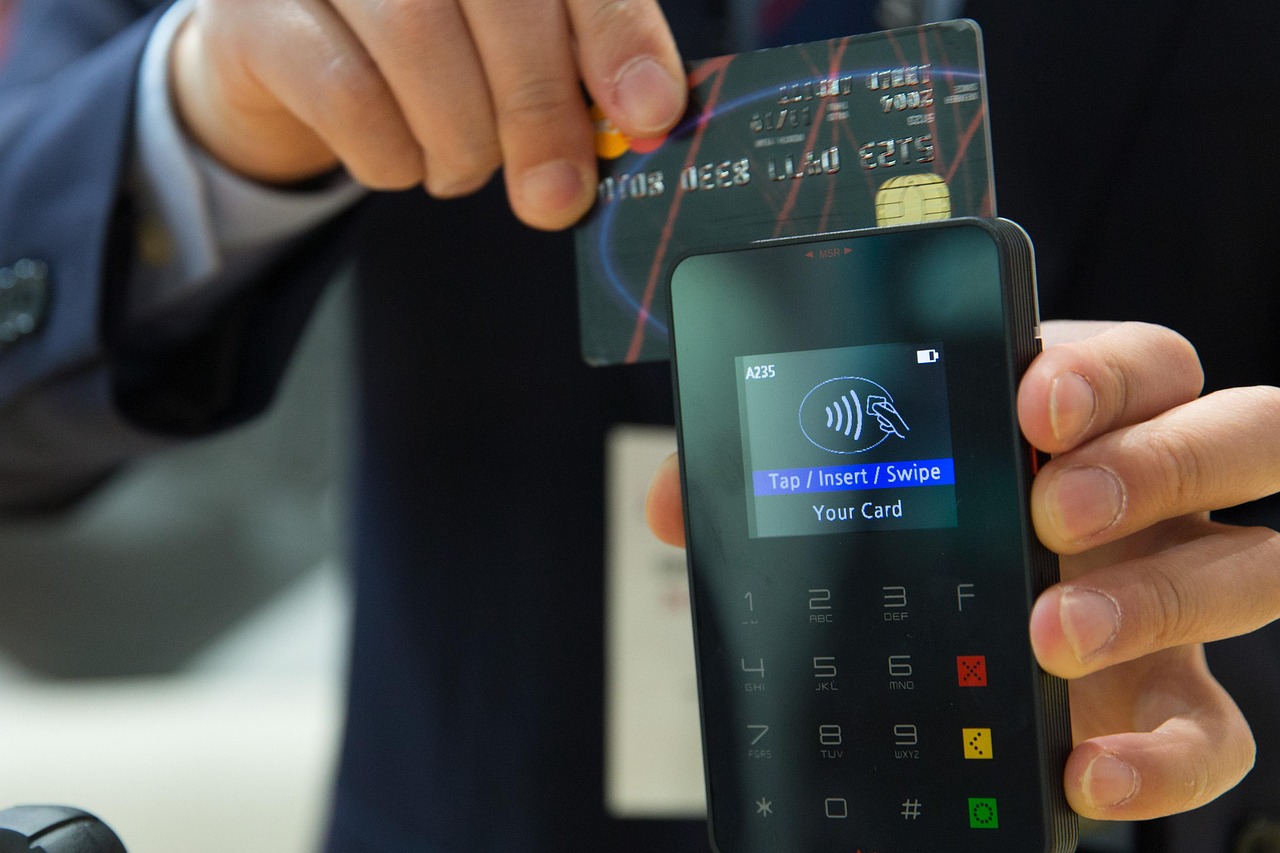
Accepting contactless, chip-and-PIN, Apple Pay, and Google Pay through a single integrated terminal — rather than reconciling a standalone card machine separately — eliminates end-of-day discrepancies and speeds up the till queue. Our guide to combining a card machine and till system explains the practical benefits and what to look for when choosing a combined solution. For operators who need flexibility at the counter or across a terrace, a wireless card machine can be a valuable addition — see our guide to the best wireless card machines for small businesses for a detailed breakdown.
Loyalty and CRM
Digital loyalty programmes, where customers collect points or stamps through your EPOS rather than a paper card, generate genuinely useful customer data. You learn visit frequency, average spend, and favourite products — and can target promotions that actually drive repeat visits. Look for systems where loyalty is built into the software, not bolted on as a third-party workaround.
Stock and supplier management
An EPOS that integrates with your supplier ordering — or at minimum exports stock data cleanly to a spreadsheet or dedicated stock management tool — saves hours of weekly administration. At ingredient level, this is particularly powerful for a café where wastage directly erodes margin on low-cost, high-volume items like milk and syrups.
Accounting software
A native or well-supported integration with Xero, QuickBooks, or Sage means your daily sales figures, VAT summaries, and cost of goods data flow directly to your accountant without manual entry. This is not a luxury feature — it directly affects your year-end costs and the accuracy of your Making Tax Digital submissions.
You can explore EPOS Direct's software capabilities in full, including integration options, and request a restaurant and hospitality EPOS software demo tailored to your café environment.
How EPOS Direct Supports UK Coffee Shop Owners
EPOS Direct has worked with independent café owners and hospitality operators across the UK, providing hardware, software, and support that is configured for real-world café environments — not generic retail use cases.
What sets the EPOS Direct approach apart
- UK-based support: When your system encounters an issue during Friday morning rush, you need support that is available, responsive, and understands your environment. EPOS Direct provides UK-based assistance rather than routing queries through an overseas call centre.
- Hardware built for hospitality: Spill-resistant, fast-boot terminals designed to withstand the realities of a café counter — not consumer-grade tablets marketed to businesses.
- Flexible commercial terms: Whether you prefer to purchase outright or spread costs with a monthly plan, EPOS Direct offers options to match your cash flow position.
- Scalable from single-site to small chain: Add terminals, sites, or users as your business grows without migrating to an entirely new platform.
If you are ready to see how a configured system would work for your specific café layout and menu, view the current hospitality and restaurant EPOS offers — or talk to an EPOS expert online who can walk you through options suited to your volume, footprint, and budget.
Getting Started: Steps to Choosing and Setting Up Your System
Approaching the purchasing process methodically prevents costly mistakes and ensures your system is genuinely configured for your café rather than just switched on and left to chance.
- Map your operational requirements before you shop. How many terminals do you need? Do you require a kitchen printer or display? Will you sell via a QR menu or take phone orders? Write these down before speaking to any supplier — it protects you from being sold features you do not need or missing ones you do.
- Request a live demo tailored to your café scenario. Any credible EPOS provider should be able to demonstrate drink modifiers, loyalty functions, and end-of-day reporting in a live or sandbox environment. A free demo with EPOS Direct is a good place to start.
- Get a full cost-of-ownership quote in writing. Hardware, software licence or subscription, payment processing rates, installation, training, and ongoing support — all of it. Compare providers on total cost, not just headline hardware price.
- Assess connectivity and resilience. If your café is in a basement, a listed building, or an area with variable broadband, confirm offline trading mode and discuss your connectivity options with the provider before signing anything.
- Plan your menu and staff training before go-live. The best system in the world will underperform if your menu is not properly loaded and your team has not had adequate time to practise. Schedule a proper training session — ideally during a quieter period — before your first live service on the new system.
- Review after 30 days. Pull your first month's sales reports and cross-reference against your expectations. Identify any menu items that should be repriced, any workflows that could be faster, and any integrations that are not yet active.
For further reading on evaluating EPOS options across different business types and sizes, the complete 2026 guide to EPOS systems for small businesses provides a thorough framework that complements the café-specific advice above.
Ready to Find the Right System for Your Café?
A well-chosen EPOS system is one of the highest-return investments a coffee shop owner can make. It accelerates service, reduces waste, surfaces the data you need to make confident decisions, and integrates seamlessly with the payments, loyalty, and accounting tools your business already relies on. The difference between a system chosen thoughtfully and one selected in a rush is often measured in thousands of pounds per year in avoidable waste and missed opportunity.
EPOS Direct UK works with independent café owners and hospitality groups every day, helping them cut through the noise and find a configuration that genuinely fits their operation. Whether you are opening your first café or upgrading an outdated system, the team is ready to help.
Request a call back from EPOS Direct at a time that suits you, or talk to an expert online now to discuss your café's specific requirements without obligation.
Written by the EPOS Direct UK team, who support independent retailers, hospitality operators, and food & beverage businesses across the United Kingdom with EPOS and POS systems every day.
Frequently asked questions
- What features should a good coffee shop till system include?
- A solid coffee shop POS should handle fast order processing, customisable drink modifiers (e.g. oat milk, extra shot), split payments, staff management, end-of-day reporting, and integration with card payment terminals. Loyalty programme support and kitchen display system compatibility are strong extras for busier venues.
- How much does a POS system typically cost for a small UK coffee shop?
- In the UK, a basic coffee shop EPOS setup typically starts from around £300–£500 for entry-level hardware with software included or on a low monthly subscription. A more complete system with a touchscreen terminal, receipt printer, cash drawer, and card reader can range from £700 to £1,500 upfront, or from £30–£80 per month on a managed subscription. EPOS Direct offers tailored quotes so you only pay for what your venue actually needs.
- Can I use a coffee shop POS system to manage multiple locations?
- Yes. Cloud-based EPOS systems allow you to manage stock, menus, and sales reporting across multiple café sites from a single dashboard. This is ideal if you plan to expand or already run more than one location. EPOS Direct's cloud software supports multi-site management without the need for separate setups at each venue.
