We use cookies to make your experience better.
To comply with the new e-Privacy directive, you agree to the privacy policy and our use of cookies

Getting Started with a POS System: A Beginner's Guide for UK Businesses
POS Systems for Beginners: Everything You Need to Know Before You Buy
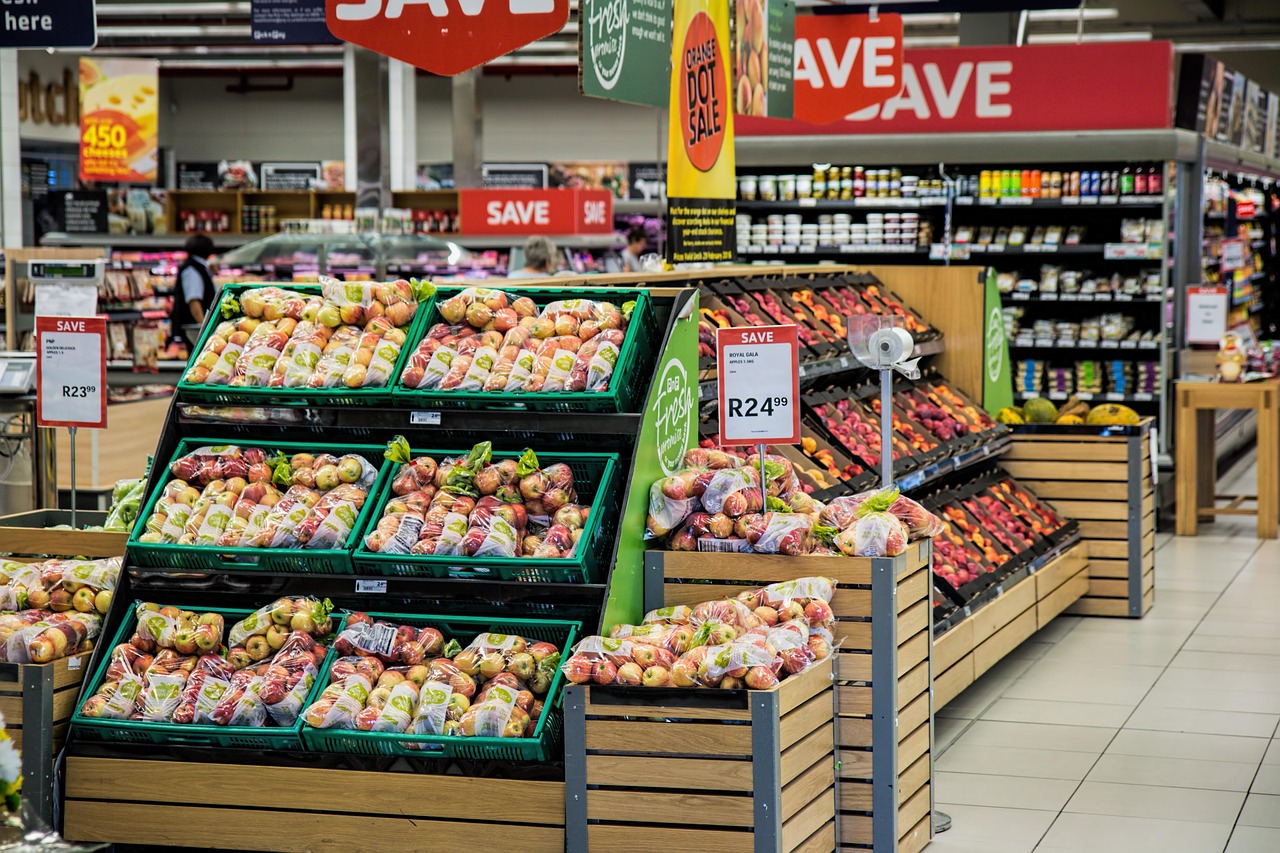
A point-of-sale system is the hardware and software combination that lets a business take payments, manage stock, and record sales data in one place. For anyone setting up a shop, café, or service business for the first time, choosing the right setup can feel overwhelming — but it does not have to be. This guide cuts through the jargon and gives you a practical, honest foundation for making a confident first purchase.
Written by the EPOS Direct UK team, who help independent retailers, hospitality operators, and service businesses across the United Kingdom select and install EPOS and POS systems every day.
What Is a POS System and How Does It Work?
At its simplest, a POS system is the digital replacement for a traditional cash register. When a customer buys something, the system records the sale, updates your stock levels, calculates change or processes a card payment, and stores the transaction data for your reports — all in a matter of seconds.
Modern EPOS (Electronic Point of Sale) systems go considerably further. They link your till to your inventory, your loyalty programme, your online store, and your accounts software. Every sale feeds into a central dashboard that tells you what is selling, when, and at what margin — giving small business owners the kind of business intelligence that was previously the preserve of large retail chains.
Key Components of a POS Setup: Hardware and Software Explained
Understanding what you are actually buying saves money and prevents the frustration of discovering missing pieces after installation. A complete POS setup typically involves the following components.
Hardware
- Touchscreen terminal or tablet: The central screen your staff use to process sales. It may be a dedicated all-in-one EPOS terminal or a tablet mounted on a stand.
- Receipt printer: Thermal printers are the industry standard — fast, reliable, and low-maintenance.
- Cash drawer: Automatically triggered to open when a cash sale is completed.
- Barcode scanner: Essential for retail environments; speeds up checkout and feeds directly into stock control.
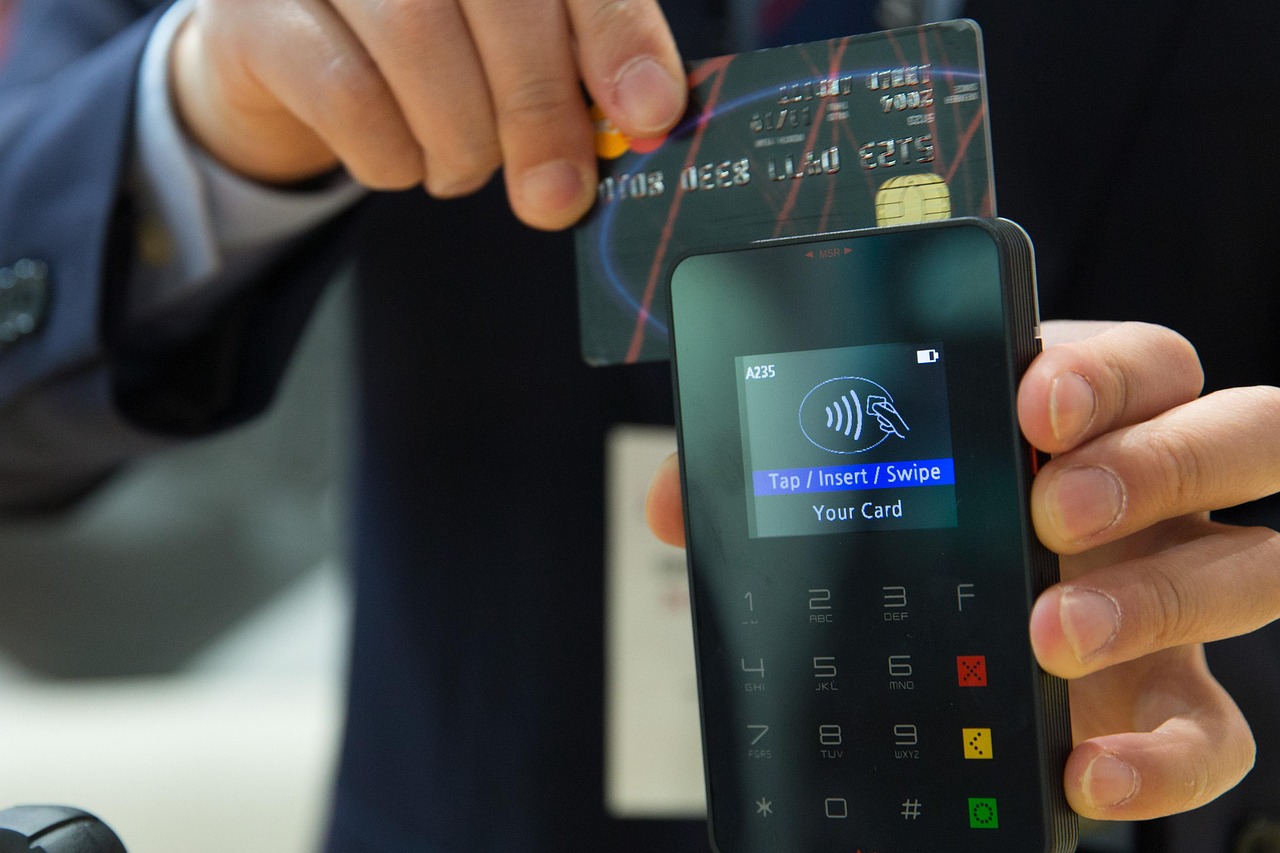
- Card payment terminal: Integrated card machines process chip-and-PIN, contactless, and mobile wallet payments. See our guide to the best wireless card machines for small businesses in the UK if you need a portable payment solution.
- Kitchen display screen or receipt printer (hospitality): Routes orders directly to the kitchen without paper tickets being carried by staff.
Software
The software is where the real value lives. A good EPOS platform handles stock management, staff permissions, sales reporting, and customer data. Cloud-based systems allow you to check your figures remotely from any device, while hybrid systems store data locally with a cloud backup — useful if your broadband is unreliable. Explore the EPOS Direct software platform to see what a full-featured retail and hospitality system looks like in practice.
Which Types of UK Businesses Benefit Most from a POS System?
Almost every business that sells goods or services face-to-face benefits from a proper EPOS setup, but the return on investment is particularly pronounced in the following sectors.
- Independent retail: Fashion boutiques, gift shops, sports retailers, and off-licences rely on stock control features to avoid over-ordering or running out of bestsellers. Our detailed guide to EPOS systems for clothing shops covers size and colour variant management specifically.
- Cafés, restaurants, and bars: Table management, split billing, and kitchen printing are features that a basic card reader simply cannot provide.
- Pharmacies and health retailers: Require age verification prompts, GSL product controls, and dispensary integration. Our pharmacy EPOS software demo shows how these requirements are handled.
- Hair and beauty salons: Appointment booking integration, deposit tracking, and staff commission reporting make a specialist EPOS essential.
- Market traders and mobile vendors: Lightweight tablet-based systems with wireless card machines work equally well on a market stall or at a pop-up event.
How to Choose Your First POS System: A Step-by-Step Checklist
Before you speak to any supplier, work through this checklist. It will sharpen your brief and protect you from being sold features you do not need.
- Define your transaction volume: A quiet village bakery processing 40 transactions a day has very different performance requirements from a busy city-centre bar processing 400.
- List your must-have integrations: Do you use Xero, QuickBooks, or Sage for your accounts? Do you run an e-commerce store on Shopify or WooCommerce? Confirm compatibility before committing.
- Decide on cloud vs. local storage: Cloud-based software is typically updated automatically and accessible remotely, but it requires a reliable internet connection. Ask suppliers what happens to your system if the broadband drops.
- Check card processing costs separately: The software subscription and the card processing rate are usually priced independently. Some businesses prefer a card machine with no monthly fee on a pay-as-you-go basis; others benefit from a fixed monthly rate at high volume.
- Evaluate support quality: UK-based telephone support during trading hours is non-negotiable. Ask specifically what happens if your system goes down on a busy Saturday afternoon.
- Request a live demonstration: Never commit to a system you have not seen running. Request a free demo from EPOS Direct to see the software in action on real hardware before making any decision.
- Plan your training requirements: Assess your team's digital confidence honestly. A system that is powerful but complex is only an asset if your staff can use it under pressure.
Common Beginner Mistakes to Avoid When Buying a Till System
First-time buyers consistently make a handful of avoidable errors. Being aware of them ahead of time saves both money and frustration.
Buying on price alone
The cheapest setup is rarely the most cost-effective over a two- or three-year period. A system that lacks stock management, has poor reporting, or comes with inadequate support will cost more in lost efficiency and staff time than the money saved at purchase.
Underestimating the importance of data ownership
Before signing any contract, confirm that your sales history, customer records, and product data belong to you — and that you can export them in a standard format. This matters enormously if you ever want to switch suppliers.
Ignoring scalability
A system that handles one terminal perfectly may become a bottleneck when you open a second site or add an online sales channel. Choose a platform that grows with you. Our guide to EPOS systems for small businesses covers scalability considerations in detail.
Neglecting Payment Card Industry (PCI) compliance
Any business taking card payments in the UK must comply with PCI DSS (Payment Card Industry Data Security Standard). Your card processor will guide you through the annual self-assessment questionnaire, but it is worth confirming with your EPOS supplier that their system is designed with PCI compliance in mind. The UK Cards Association and your acquiring bank are the authoritative sources on compliance obligations.
Combining card machine and till as an afterthought
An integrated card machine and till system eliminates manual keying errors and speeds up reconciliation. Our comprehensive guide to card machine and till systems combined explains how integration works and why it matters for end-of-day accuracy.
How Much Does a POS System Cost in the UK?
Cost depends on the number of terminals, the software tier, and whether you buy or lease the hardware. The following table gives indicative ranges typical for the UK market — treat them as orientation, not quotations.
| Setup Type | Typical Hardware Cost | Typical Monthly Software Fee | Best Suited To |
|---|---|---|---|
| Tablet-based starter kit (single terminal) | Typically from £300–£600 | From around £30–£60/month | Market traders, pop-ups, sole traders |
| Entry-level countertop EPOS (single terminal) | Typically from £600–£1,200 | From around £50–£80/month | Small cafés, independent shops |
| Mid-range retail or hospitality EPOS | Typically from £1,200–£2,500 per terminal | From around £80–£150/month | Growing independent retailers, restaurants |
| Multi-terminal / multi-site system | Priced per terminal; volume discounts available | From around £120–£250+/month | Pub groups, small chains, large retail |
Card processing transaction fees are charged separately by your acquiring bank or payment processor and vary based on your monthly card turnover and the type of cards accepted. Always obtain a personalised quotation. For a detailed breakdown of budget-conscious options, see our guide to the most affordable EPOS systems for small businesses in the UK.
Leasing and rental arrangements are also widely available, which convert the upfront hardware cost into a predictable monthly outgoing — useful for businesses with limited initial capital. Ask any supplier about their financing options before ruling out a more capable system on the basis of sticker price alone.
How EPOS Direct Helps First-Time Buyers Get Up and Running Quickly
EPOS Direct is a UK-based EPOS and POS specialist with a dedicated team that guides first-time buyers from initial enquiry through to installation and ongoing support. Rather than directing new customers towards a generic self-serve portal, the team works to understand your business type, transaction volumes, and existing software before recommending a configuration.
Tailored demos before you commit
You can book a retail EPOS software demo or a restaurant EPOS software demo — whichever matches your sector — so you experience the real interface, not a polished marketing video.
Sector-specific configurations
Whether you run a boutique clothing shop, a busy café, or a pharmacy, the system you receive is configured for your sector from day one — with the right product categories, reporting templates, and integrations already set up. Visit the EPOS Direct UK home page for current offers and more information on available packages.
UK-based installation and training
Hardware is delivered configured and tested where possible, reducing setup time. Staff training resources are provided to bring your team up to speed quickly, and UK-based support is available throughout the working week.
Flexible entry points
If you are specifically looking at retail solutions, explore the current retail EPOS offers; for cafés, pubs, and restaurants, view the hospitality and restaurant EPOS offers. Both pages include package details and pricing guidance.
For a broader comparison of what the full EPOS Direct range covers, our guide to the best till systems for small businesses in the UK is a useful companion read.
Ready to Choose Your First System?
Selecting your first POS setup is one of the most consequential technology decisions a new business owner makes — but it is far more straightforward than it appears once you know what to look for. Focus on your real operational needs, ask hard questions about support and data ownership, and always see the system running before you sign anything.
The EPOS Direct UK team is ready to help you find the right solution for your business, your budget, and your sector. Talk to an expert online for immediate guidance, or request a call back at a time that suits you. There is no obligation — just clear, experience-led advice from a team that helps UK businesses get their POS setup right from day one.
Frequently asked questions
- Do I need any technical experience to set up a till system for my shop?
- No. Modern EPOS systems are designed to be plug-and-play. Most UK providers, including EPOS Direct, offer guided setup, pre-loaded software, and UK-based phone support so you can be serving customers on day one without any IT background.
- How much should I expect to spend on my first POS system in the UK?
- Entry-level POS bundles in the UK typically start from around £300 to £500 for basic hardware such as a touchscreen terminal, receipt printer, and cash drawer. Mid-range all-in-one EPOS systems with stock management and reporting software generally range from £600 to £1,200. Monthly software subscription plans can add £20 to £60 per month depending on features. EPOS Direct offers flexible purchase and finance options to suit startups and growing businesses.
- What is the difference between a POS system and a standard cash register?
- A traditional cash register simply records sales and stores cash. A POS (point of sale) system goes much further: it tracks stock levels in real time, generates sales reports, manages staff logins, processes card payments, and can integrate with your accounting software. For any business planning to grow, a POS system gives you far more control and insight than a basic till.
