We use cookies to make your experience better.
To comply with the new e-Privacy directive, you agree to the privacy policy and our use of cookies

The Best POS Systems for Hair Salons in the UK: What to Look For and Why It Matters
The Best POS Systems for Hair Salons in the UK: What to Look For and Why It Matters
A hair salon runs on appointments, relationships, and reputation — and the right point-of-sale system is the quiet engine behind all three. Unlike a generic retail till, a specialist salon POS handles the full client journey: from booking and stylist scheduling through to checkout, loyalty rewards, and HMRC-compliant reporting. Choosing wisely means less admin, fewer no-shows, and a client experience polished enough to match the quality of your cuts.
Why Hair Salons Need a Specialist POS System, Not Just a Generic Till
A standard cash register or basic card reader records a transaction and stops there. A salon-focused EPOS system does considerably more: it links each sale to a named client, tracks which stylist performed the service, manages retail product inventory alongside treatment bookings, and builds the kind of client history that makes every returning guest feel known. If you are still running appointments from a paper diary and ringing up payments separately, you are creating unnecessary friction — for your team and your clients alike.
Salon owners who upgrade often cite three immediate gains: faster checkout at busy periods, a clear view of which services and stylists are most profitable, and the ability to send automated appointment reminders that cut no-show rates. These are not luxury features — they are the operational baseline for a modern UK salon competing on experience as well as expertise.
For a broader view of what modern till technology can do for small businesses, the complete buyer's guide to till systems for small businesses in the UK is a useful starting point before you narrow your search to salon-specific requirements.
Key Features to Look for in a Salon POS System
Not every system marketed as "salon software" delivers on all fronts. Prioritise these capabilities when evaluating options:
- Appointment calendar and booking management — a visual, drag-and-drop diary that assigns services to specific stylists and chair times, with online booking integration so clients can self-serve outside opening hours.
- Client profiles and history — a searchable record of every visit, service, product purchased, and stylist preference. This is the foundation of personalised service and effective upselling.
- Retail and backbar stock control — separate tracking for retail products (sold over the counter) and professional stock (used in services), with low-stock alerts and supplier ordering.
- Staff performance reporting — revenue, commission, and utilisation figures broken down by stylist, so you can identify your most productive team members and manage scheduling fairly.
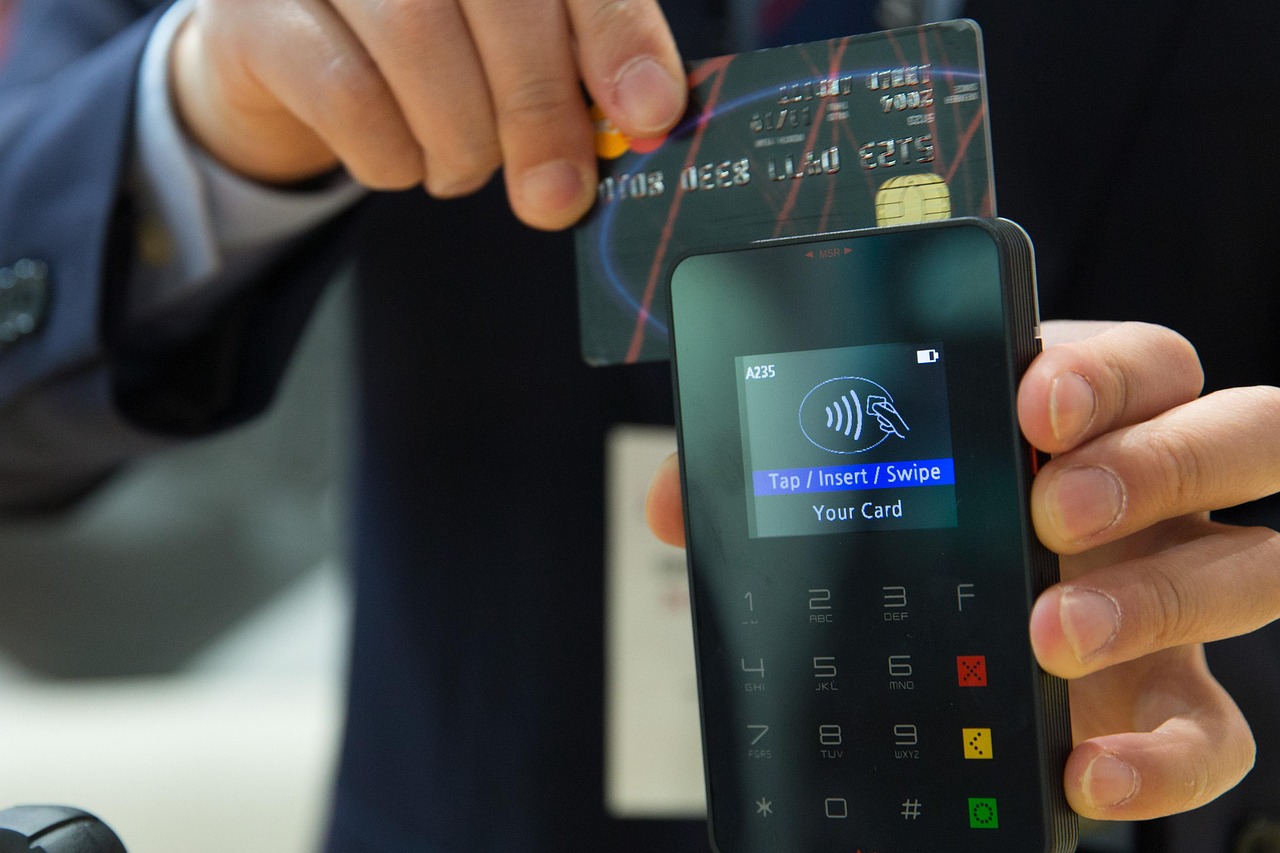
- Integrated card payments — seamless, no-manual-entry payments that reduce errors and speed up checkout. See our guide to EPOS systems with integrated card payments in the UK for what to look for in a payments setup.
- Loyalty and gift vouchers — points-based or visit-based reward schemes that keep clients returning, plus digital or physical gift voucher redemption at checkout.
- HMRC-compliant reporting — daily Z-reports, VAT summaries, and audit-ready transaction logs. If you are VAT-registered, Making Tax Digital compliance is a non-negotiable requirement; verify current MTD obligations at GOV.UK.
POS Hardware Options for UK Hair Salons: Tablets, Terminals and Receipt Printers
The physical setup matters more in a salon than in a conventional shop, because the checkout point is rarely a single fixed counter — stylists move between chairs, basins, and the reception desk throughout the day.
Tablet-based systems
An iPad or Android tablet mounted on a stand at the reception desk is the most popular choice for independent salons. Compact, stylish, and easy to update remotely, tablet terminals fit naturally into salon interiors without dominating the desk. Paired with a wireless card machine, the setup is both practical and visually unobtrusive.
Countertop terminals
Dedicated all-in-one EPOS terminals — a touchscreen unit with a built-in payment interface — offer greater durability and processing power for busier salons or those running multiple staff accounts simultaneously. They typically include a customer-facing display, useful for showing the client their total and collecting a tip.
Wireless card machines
Accepting payment chair-side, rather than calling a client back to the desk, is a small touch that makes a meaningful difference to the experience. Our guide to the best wireless card machines for small businesses in the UK covers the key considerations — range, battery life, and connectivity — when choosing a portable payments device.
Receipt printers and cash drawers
Even in an era of digital receipts, a thermal receipt printer remains useful for end-of-day reports and for clients who prefer paper. A lockable cash drawer is advisable if you accept cash tips, which remain common in UK salons.
How Much Does a Hair Salon POS System Cost in the UK?
Costs vary depending on whether you opt for an outright hardware purchase or a monthly subscription model. As a realistic guide for UK salon owners:
| Setup type | Typical monthly cost (software & support) | Typical upfront hardware cost | Best suited to |
|---|---|---|---|
| Basic tablet + software subscription | From approximately £30–£60/month | From approximately £200–£400 (tablet, stand, card reader) | Solo stylists and very small salons |
| Mid-tier salon EPOS bundle | From approximately £50–£120/month | From approximately £500–£1,200 (terminal, printer, cash drawer) | Independent salons with 2–6 chairs |
| Multi-terminal / multi-site system | From approximately £100–£250/month per site | From approximately £1,500+ per location | Group salons or franchise operations |
| Outright purchase (hardware + perpetual licence) | Ongoing support fee varies | From approximately £800–£2,500 depending on spec | Owners who prefer capital expenditure over subscriptions |
All figures are indicative ranges based on typical UK market pricing and should not be taken as exact quotes. Contact a supplier for a tailored proposal based on your specific requirements.
If you are weighing whether to lease or buy outright, the article on monthly EPOS subscriptions versus outright purchase walks through the real-world trade-offs for small business owners.
Appointment Booking, Client Records and Loyalty: What Your POS Should Handle
These three functions are where a salon POS earns its keep — and where generic retail or hospitality systems fall shortest.
Online and in-person booking
A good salon system offers a branded online booking page that integrates directly with the POS diary. Appointments booked online populate the same calendar your front desk uses, eliminating double-bookings and manual data entry. Automated SMS or email reminders — sent 24 or 48 hours before an appointment — are consistently cited by salon owners as one of the most impactful tools for reducing no-shows.
Client records that build relationships
Every stylist knows that a client who feels remembered is a client who returns. A POS that surfaces a client's last service, preferred stylist, colour formula notes, and even their preferred beverage transforms a transactional visit into a personalised experience. Over time, this data also reveals retention patterns — how many clients return within 8 weeks, which services have the lowest rebooking rate — that inform everything from pricing to staff training.
Loyalty programmes and gift vouchers
A built-in loyalty scheme encourages rebooking and rewards your most valuable clients without requiring a separate app or third-party platform. Look for systems that let you define your own reward logic — whether that is points per pound spent, a free treatment after a set number of visits, or a birthday discount. Gift vouchers, both physical and digital, are a reliable revenue stream for salons, particularly in the run-up to seasonal gifting periods.
Cloud-Based vs On-Premise POS: Which Is Right for Your Salon?
Most new salon POS installations in the UK are cloud-based, and for good reason: updates happen automatically, data is accessible remotely (so you can check bookings or takings from home), and there is no server hardware to maintain. If your broadband goes down, a good cloud system will continue operating offline and sync data once the connection is restored.
On-premise systems — where data is stored locally on a server within the salon — give some owners a sense of greater control and can be faster in environments with unreliable internet. However, they require manual updates, local backups, and typically a higher upfront investment. For the majority of independent UK salons, a cloud-based system with offline capability offers the better balance of flexibility, security, and cost.
If you are currently using a legacy cash register and considering the switch, our guide on how to move from a cash register to a modern EPOS system covers the migration process in practical detail.
A Practical Checklist: Questions to Ask Before You Commit
Before signing a contract, a few questions can save considerable frustration later:
- Does the system handle both service and retail sales in a single transaction? Many clients buy a shampoo or treatment at checkout alongside their appointment — the POS should handle this without switching modes.
- How are software updates handled, and is there an additional cost? Cloud systems typically include updates within the subscription; perpetual-licence systems may charge separately for major version upgrades.
- What does UK-based customer support look like? Check support hours, response times, and whether telephone support is included or charged as an add-on. A system that fails on a busy Saturday morning with no support until Monday is a serious business risk.
- Can the system grow with you? If you plan to open a second location or expand your team, confirm that adding terminals or sites is straightforward and clearly priced.
Why UK Salon Owners Choose EPOS Direct for Their Till System
EPOS Direct has been supplying point-of-sale hardware and software to UK businesses across retail, hospitality, and specialist sectors for many years. The team works with independent salons, barbershops, and multi-site beauty groups — understanding the distinct rhythms and revenue streams that make the hair and beauty sector different from a standard retail environment.
The EPOS Direct approach combines robust, UK-sourced hardware with flexible software that can be configured for appointment-led businesses — covering client records, stylist scheduling, stock management, and integrated card payments in a single system. Support is UK-based, and the team is available to guide you through setup, staff training, and ongoing system management.
You can explore the EPOS Direct software platform to understand the full feature set, or browse the EPOS Direct home page for current offers and system information. If you would like to see the system in action before committing, you can request a free demo — with no obligation and no sales pressure.
For a head-to-head comparison of how EPOS Direct stacks up against other UK suppliers, the complete 2026 competitor comparison guide covers the key differentiators in an honest, side-by-side format.
The Bottom Line
The best POS system for a UK hair salon is one that handles appointments, client relationships, retail stock, and integrated payments in a single, connected platform — rather than patching together separate tools that never quite talk to each other. Getting this right reduces admin, improves the client experience, and gives you the data to make smarter decisions about staffing, pricing, and growth.
EPOS Direct UK supplies, installs, and supports EPOS systems for salons across the United Kingdom. If you are ready to find the right setup for your salon, talk to an EPOS Direct expert online or request a call back at a time that suits you.
Written by the EPOS Direct UK team, who help salon, retail, and hospitality businesses across the United Kingdom find and implement the right EPOS and POS system for their needs every day.
Frequently asked questions
- Can a salon POS system handle both walk-in customers and pre-booked appointments?
- Yes. A good salon POS system will integrate appointment scheduling with your till, so whether a client walks in or books in advance, their visit, services, and payment are all tracked in one place. Look for systems that allow staff allocation, real-time diary management, and automatic appointment reminders to reduce no-shows.
- How much should I expect to pay for a POS system for my hair salon in the UK?
- Costs vary depending on the setup you need. For a single-chair or small salon, a basic cloud-based POS with a tablet and card reader typically starts from around £300–£500 upfront, or from roughly £30–£60 per month on a subscription plan. Multi-station salons with dedicated terminals, receipt printers, and loyalty features may invest £800–£2,000+. EPOS Direct offers tailored quotes based on your salon size and requirements, so you only pay for what you actually need.
- Do I need an internet connection for my salon till system to work?
- Most modern cloud-based POS systems require an internet connection for full functionality, including syncing sales data, client records, and reporting. However, many systems offer an offline mode that allows you to continue processing transactions during a temporary outage, syncing data automatically once connectivity is restored. It is worth confirming offline capabilities with your provider before committing.
